

You finally lie down after a demanding day, but your mind keeps going. It replays a conversation, runs through tomorrow’s tasks, and worries about problems that have not happened. Your body feels tired, yet it still cannot settle.

Here’s the surprising part: calm is not something you can always force.
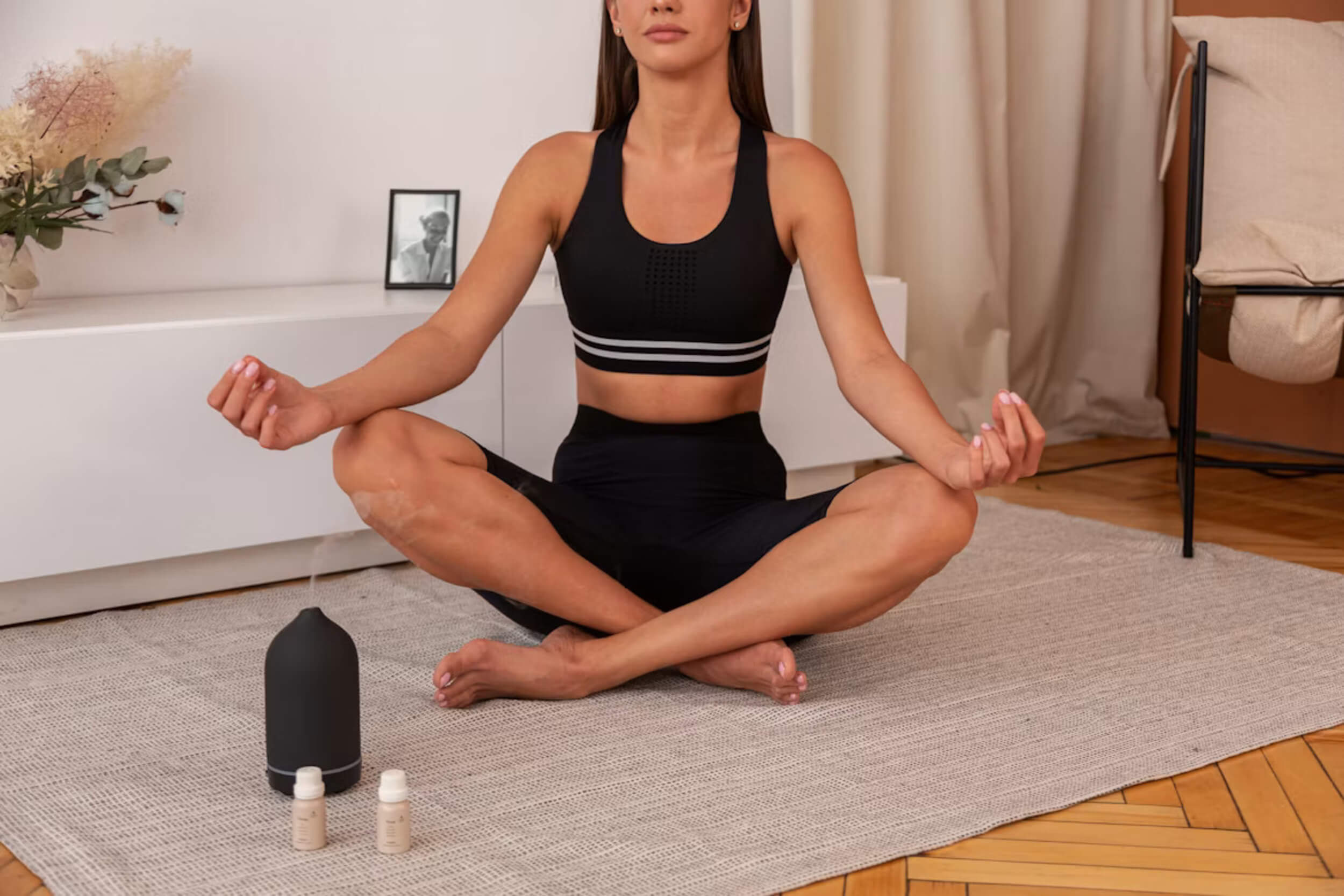
Being told to “just relax” rarely helps when your body still senses pressure or danger. Yoga offers another way. Through gentle movement, steady breathing, focused attention, and rest, it can support both the physical and mental sides of stress.
Yoga cannot remove difficult circumstances or promise instant relief. However, it may help the nervous system move more comfortably between alertness and recovery. You do not need advanced flexibility, costly equipment, or long sessions to begin.
First, understanding why yoga helps calm the body starts with learning what happens inside the nervous system during stress and relaxation in daily life.
How the Nervous System Responds to Stress and Safety
Your body handles many important jobs without waiting for instructions from you. Learning how this process works can make it easier to understand why yoga helps calm both physical and mental signs of stress.
The Body’s Stress Response Has a Protective Purpose
The autonomic nervous system manages automatic processes such as breathing, heart rate, digestion, and responses to possible danger. One part of it, called the sympathetic nervous system, prepares you to deal with pressure or act quickly during an urgent situation.
This response may cause:
- A faster heartbeat
- Shorter breathing
- Tight muscles
- Greater alertness
- Slower digestion
These changes are not automatically harmful. They can give you the energy and focus needed to handle a threat. Problems may arise when work demands, money worries, poor sleep, conflict, or uncertainty keep your body alert after the pressure has passed.
You may feel restless, tense, tired, easily annoyed, or unable to settle. These feelings do not always point to a nervous system disorder because stress affects everyone differently. The aim is not to remove this protective response. Your body needs it. The healthier goal is to help your system recognise when it is safe to recover.
Calm Involves Returning to a State of Recovery
Calm is not simply the absence of stress. It happens when the body receives enough signs of safety to reduce its alertness and return to everyday functions such as resting and digesting food.
The parasympathetic nervous system supports this recovery. However, it does not act like a switch that turns the stress response off. The sympathetic and parasympathetic systems continually adjust based on your needs, feelings, activities, and surroundings.
The vagus nerve provides an important communication route between the brain and internal organs, including the heart and digestive system. Slow breathing, comfortable movement, and quiet attention may support body changes connected with relaxation. Yoga brings these parts together instead of depending on positive thoughts alone.
Feeling calm does not mean becoming sleepy or free from emotion. You may simply feel present, steady, and less overwhelmed. Responses also differ. A pose that comforts one person may unsettle another. This is why yoga movements should feel safe, supportive, and easy to change.
Mindful Movement Helps the Body Release Unnecessary Tension
Stress does not stay inside the mind. It can affect how you breathe, sit, stand, and move. Gentle yoga gives you a chance to notice these physical changes and respond before they become harder to manage.
Slow Movement Gives the Body Predictable Information
Fast movement can feel like another demand when you are already tense or overstimulated. Slowing down gives your mind and body more time to understand what is happening and adjust comfortably.
Stress may show up through raised shoulders, a tight jaw, shallow breathing, stiffness, headaches, or a strong need to keep moving. Moving slowly between comfortable positions lets the brain follow changes in balance, pressure, and muscle length. Matching each movement with the breath also creates a steady rhythm for your attention to follow.
This is another reason why yoga helps calm without requiring difficult poses. Cat-Cow, a supported forward fold, or simple shoulder movements may feel soothing when performed gently.
The benefit comes from how you move, not only from the pose you choose. Never force a stretch, hold your breath, or treat discomfort as proof of progress. Pain is a sign to stop or make an adjustment, especially if you have an injury or health condition.
Body Awareness Can Interrupt Automatic Stress Patterns
Your body often shows early signs of stress before you fully recognise how you feel. Paying calm attention to those signs can give you a valuable moment to pause and choose what to do next.
Body awareness means noticing sensations without judging them or trying to make them disappear. During yoga, you may notice a tightening stomach, raised shoulders, or quicker breathing. Recognising these changes early may help prevent tension from becoming more intense.
A teacher may ask you to notice:
- Your feet pressing against the floor
- Your hands resting on the mat
- The support beneath your back
- Your breath moving through your body
These points of contact can bring your attention back to the present. However, helpful awareness is different from repeatedly searching for something wrong.
Supported positions such as Child’s Pose or Legs-Up-the-Wall feel comforting for many people, but no position suits everyone. Choose one that allows steady breathing and a sense of control. Breathing and focused attention can then build on the calming effect of gentle movement.
Breathing and Attention Help Create a Calmer Rhythm
Yoga is not only about stretching or holding poses. Breathing and focused attention are central to the practice. Together, they can change the pace of a session and affect how the body and mind respond to tension. This connection helps explain why yoga helps calm during stressful moments.
A Slower Breath May Reduce Physical Arousal
Stress can make breathing faster, shallower, and focused mainly in the upper chest. You may not notice the change at first, but it can add to the feeling that something needs your immediate attention.
Gentle belly breathing offers a softer approach. As you inhale, allow your abdomen and lower ribs to expand without forcing them. Then release the breath slowly and comfortably. A slightly longer, unforced exhalation may help reduce the body’s sense of urgency.
Try beginning with a few natural breaths. Let them slow at a pace that feels right instead of following a strict count. Breathing should never become another difficult task.
Beginners should avoid:
- Holding the breath for too long
- Taking forceful or unusually deep breaths
- Continuing after feeling dizzy, anxious, or uncomfortable
Controlled breathing is not an instant cure for panic, trauma, or a medical condition. If focusing on your breath feels distressing, listen to a neutral sound, notice your contact with the floor, or continue with gentle movement instead.

Focused Attention Creates Space Around Stressful Thoughts
Stressful thoughts can quickly lead from one worry to another. Yoga gives your attention a simple place to return, such as your breathing, balance, movement, or the feeling of your body being supported.
This focus may interrupt repeated thinking without asking you to challenge every thought. Mindfulness does not mean making the mind completely empty. Thoughts will still appear. When your attention wanders, notice it and calmly bring it back. Distraction is not failure.
Repeating this process may help you create a pause before reacting to a difficult thought or feeling. The resting period at the end of a session offers another chance to notice your body without having a task to finish.
Stillness does not feel comfortable for everyone. You can keep your eyes open, change your position, or move gently. A calming practice should always leave room for personal choice.
Build a Calming Yoga Practice That Fits Real Life
A yoga routine should support your life instead of becoming another source of pressure. Comfort, safety, and personal response matter more than performing every pose perfectly. Even a short practice can be useful, which is one reason why yoga helps calm without requiring a major change to your schedule.
Begin With a Short and Comfortable Sequence
Starting small can make yoga easier to continue. Rather than committing to a long daily session, begin with 10 to 15 minutes and see how your body responds.
A simple practice may include:
- A quiet moment to settle
- A few gentle movements
- Several comfortable breaths
- A short period of rest
Choose a place where you feel physically and emotionally safe. Cushions, folded blankets, a chair, or a wall can provide support and reduce strain. Props are practical tools, not signs that you are doing a pose incorrectly.
You might practise after work, in the morning, or before bed. However, evening yoga does not relax everyone, so choose a time that suits your energy and routine.
Notice how you feel before, during, and after each session. Do not judge progress by your flexibility or appearance. A calming practice should usually leave you feeling steadier, not exhausted, dizzy, or distressed.
Let Consistency Develop Without Pressure
A regular practice gives you more chances to recognise tension and respond before it becomes overwhelming. However, yoga should not be described as permanently resetting or rewiring the nervous system.
Choose a realistic schedule that can still work during busy weeks. Missing a session does not cancel earlier benefits, and you do not need to make up for it with a longer workout.
Let the practice change according to your needs. You may want gentle movement one day and quiet breathing or supported rest on another.
Consider working with a qualified yoga teacher if you are a beginner, pregnant, recovering from surgery, or managing a condition that affects movement or balance. Speak with an appropriate healthcare professional when necessary. Yoga may support professional care, but it should not replace medical or mental health treatment when symptoms are severe, persistent, or affecting everyday life.
Conclusion: Calm Can Be Practised, Not Forced
Relaxation can feel out of reach when your body is still holding on to stress. Understanding why yoga helps calm shows that the practice does more than ask you to think positively or stop worrying.
Gentle movement can ease physical tension. Steady breathing can create a slower rhythm, while focused attention brings the mind back to what is happening now. Rest then gives the body a chance to recover without another demand to meet.
You do not need difficult poses, perfect focus, or a long session to receive these benefits. Even a brief practice can create a helpful pause during a demanding day.
Your nervous system may respond differently from someone else’s. Try different positions, props, speeds, and session lengths until you find an approach that feels safe and sustainable. Yoga cannot prevent every stressful experience, but it may help you meet difficult moments with greater awareness and give your body a clearer chance to settle afterwards.