

You can finish everything on your list and still feel as though you missed your own day.

The alarm rings, and before your feet touch the floor, you are already checking messages. Soon, you are rushing through breakfast, work, errands, family needs, and unfinished tasks. By evening, you feel worn out, yet strangely unsatisfied.
Modern life often rewards speed, full schedules, and being available at all hours. But when every moment feels urgent, you may overlook hunger, tiredness, stress, or emotions that need your attention. Even time with people you love can pass without feeling truly meaningful.
Slow living offers a more thoughtful way to use your time, energy, and attention. It does not mean giving up your goals, ignoring responsibilities, or doing everything slowly. You can practise it while working, parenting, studying, travelling, or running a busy home. A healthier pace may support your body, emotions, choices, and relationships. But is doing more improving your life—or only making it pass faster?
Slow Living Means Choosing What Deserves Your Attention
A full schedule can look impressive, but it does not always mean your time is being used well. Slow living is about choosing intention, awareness, and quality instead of staying active simply to feel productive. The word “slow” is not always about physical speed. It often means removing hurry that serves no useful purpose.
You can still finish an important work task quickly. The difference is that you give it your full attention, check your work, and remain calm. This approach is often more useful than answering messages, checking notifications, and switching between several tasks at once. Constant interruptions can break your focus and make a simple job feel harder.
Busyness can become a habit without you noticing. People often connect a packed schedule with success, discipline, or importance. Before accepting another demand, ask yourself:
- Does this need to be done?
- Is it important right now?
- Does it support my goals or values?
- Do I have enough time and energy for it?
- What might I need to give up if I say yes?
This way of living is not laziness, procrastination, or a lack of ambition. You can work towards meaningful goals while becoming more careful about where you place your effort. Giving fewer priorities proper attention may produce better results than trying to do everything at once.
You also do not need a minimalist home, costly wellness products, a remote job, or a peaceful cottage. Parents, carers, shift workers, students, and people facing money worries may have little control over parts of their day. Small changes still matter.
The aim is not to copy a perfect routine shown online. Build your approach around your health, duties, money, and current needs. Slow living begins when you stop treating every demand as equally important and start deciding what truly deserves your attention.

A Thoughtful Pace Can Support the Mind, Body, and Relationships
When everything feels urgent, your mind and body may stay alert even when nothing dangerous is happening. You might clench your jaw, tighten your shoulders, lose patience, forget small details, or struggle to focus. After hours of rushing, even a simple request can feel like too much.
Slow living creates a little space between what happens and what you do next. That pause gives you time to ask, “What am I feeling right now?” You may be frustrated, anxious, disappointed, overstimulated, or simply tired. Naming the feeling can help you choose a response that fits the problem. You might need to rest, ask for help, set a limit, or discuss a concern calmly.
Your attention can benefit from a steadier pace too. Focusing on one task reduces the mental clutter caused by constant switching. With fewer notifications and distractions, you may work more carefully and avoid mistakes that happen when your mind is pulled in several directions.
A more manageable routine can also create room for basic physical care. Helpful habits may include:
- Eating regular meals instead of skipping them to finish work
- Stretching or walking after sitting for a long period
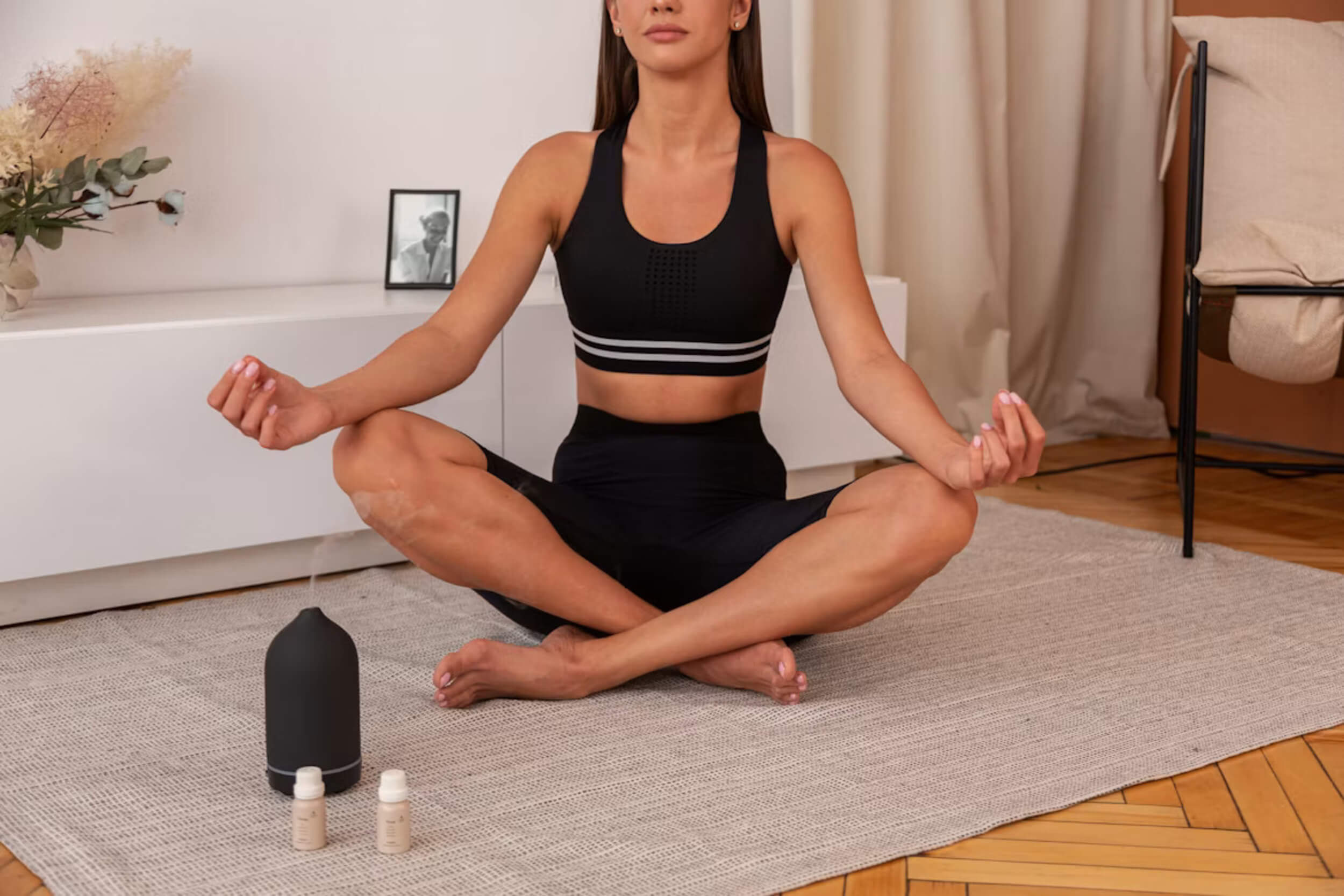
- Taking slow, relaxed breaths when tension begins to build
- Keeping a fairly regular bedtime when possible
- Creating a calm break between work and personal time
- Resting before you become completely exhausted
Rest is part of healthy functioning. It is not a prize you must earn by pushing yourself to your limit. However, slow living is not a treatment for anxiety, depression, ongoing sleep problems, or physical illness. Speak with a qualified healthcare professional if stress, low mood, anxiety, pain, tiredness, or sleep difficulties continue or interfere with daily life.
Slowing down can also help you notice what truly matters. Clearer priorities may prevent you from agreeing automatically, buying things on impulse, or accepting plans mainly to avoid disappointing someone.
The same attention can strengthen relationships. Putting away your phone, listening without interrupting, and asking a thoughtful question can help another person feel valued. During conflict, a brief pause may stop an angry comment from causing lasting hurt.
The real benefit is not simply moving at a lower speed. It is becoming more available for your needs, your responsibilities, and the people sharing your life.
Conclusion
Slow living does not ask you to leave your job, abandon your goals, stop using technology, or escape modern life. It asks you to use your time and attention with greater care instead of automatically reacting to every request, message, and expectation.
This approach can help you notice your feelings, concentrate clearly, make room for recovery, choose priorities with care, and give people your full attention. Slow living will not look the same for everyone. It may change when work, health, family needs, or money pressures make life more demanding.
The goal is not to stay calm at all times or control every part of your schedule. Start with a moment that often feels rushed or distracted. Remove one interruption, create a short pause, or decline a commitment you do not need.
Life may remain busy, but thoughtful attention can make each day feel more manageable, connected, and truly lived.