

A quiet shift is happening in how people care for their well-being.

Energy healing was once mainly discussed in spiritual circles. Today, it is appearing in wellness centres, online conversations, and personal self-care routines. The term covers practices based on the belief that energy within or around the body may affect how a person feels. Reiki, therapeutic touch, qigong, and chakra balancing are common examples.
People choose these practices for different reasons. They may want a calm space to relax, emotional support, spiritual connection, or an experience that feels more personal. Exploring energy healing does not always mean turning away from conventional healthcare. Many people use it alongside established care rather than as a replacement.
Scientific evidence and claimed benefits vary greatly between practices. This article examines the social, emotional, cultural, and practical reasons behind the growing interest and why these approaches now feel more familiar and accessible.
Broader Ideas About Wellness Are Encouraging Curiosity
People once viewed wellness mainly in terms of illness, exercise, and food. Today, people often see it as a much bigger picture. Physical health still matters, but so do emotional balance, supportive relationships, daily habits, personal values, and a sense of purpose. A difficult week at work can affect sleep. Poor sleep can affect patience, appetite, and motivation. This wider view has made people more open to practices that consider how different parts of life may connect.
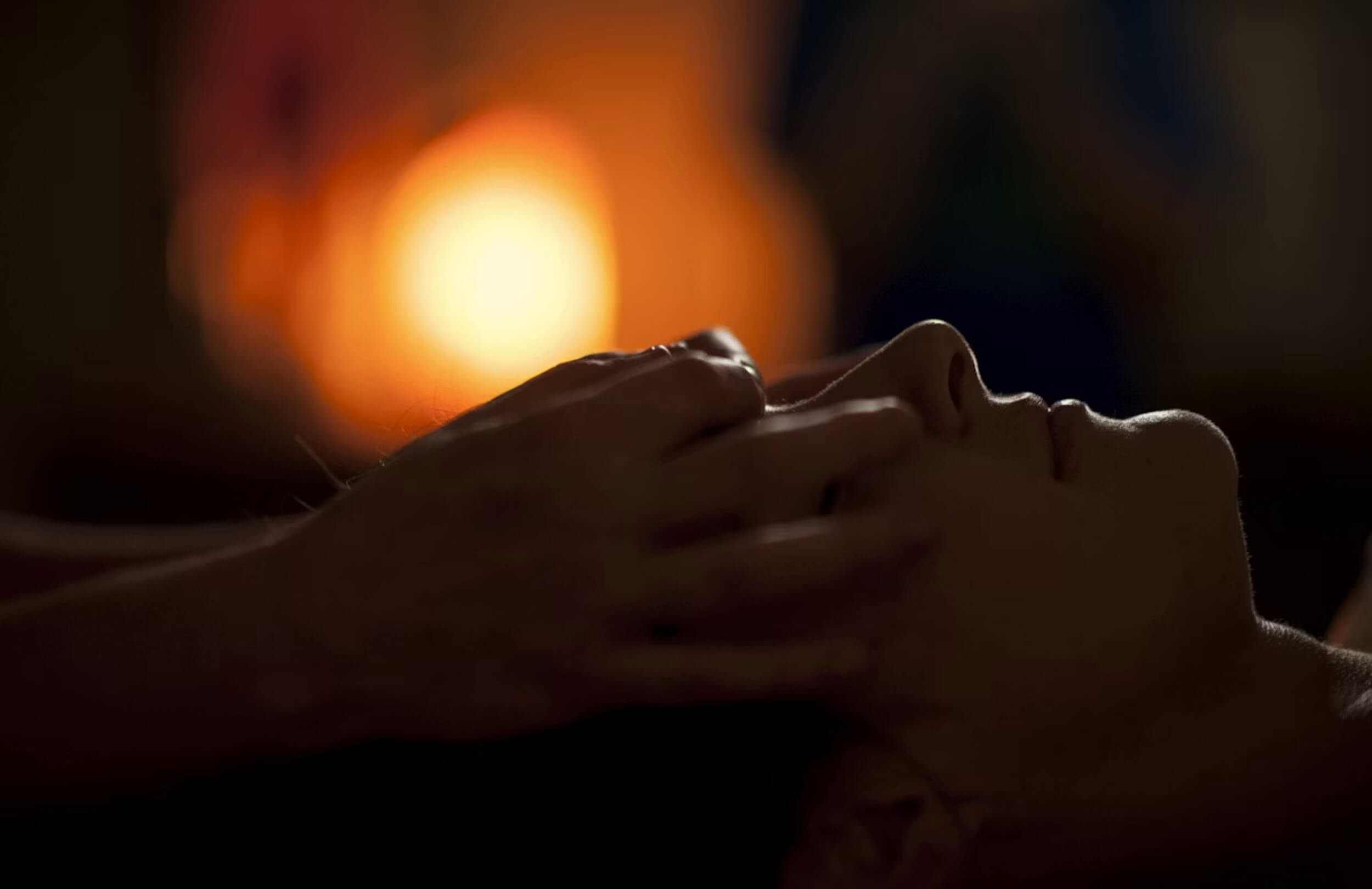
For those exploring energy healing, the personal nature of a session can be part of the appeal. Practitioners usually shape the experience around the individual instead of following the same fixed routine for everyone. A session may also offer rare, uninterrupted time to notice:
- Thoughts that have been pushed aside
- Emotions that need attention
- Tension held in the body
- Areas of life that feel out of balance
Simply having quiet time does not prove that energy has changed, but it may help a person slow down and become more aware of how they feel. This pause can feel valuable to people who spend their days managing work, caregiving, screen time, and constant demands. It also creates room for reflection.
Traditional healing ideas have also become easier to encounter. Books, travel, migration, wellness events, and online courses have introduced wider audiences to terms such as qi, prana, chakras, and the human energy field. These ideas do not all mean the same thing. Qi comes from Chinese traditions, while prana has roots in Indian traditions. Chakras also have specific religious and cultural histories. Respecting those origins matters, especially when modern services borrow from more than one tradition.
As these practices become more familiar, people may feel less unsure about asking questions or trying an introductory session. Spiritual curiosity is another reason some are exploring energy healing. A person may see a session as a time for reflection, ritual, or connection with deeply held beliefs. Someone else may have no spiritual belief at all and simply value the calm setting.
Both approaches deserve respect. A responsible practitioner should explain the session clearly, welcome questions, and never push a client to adopt a belief. Practitioners should never use energy healing to diagnose illnesses, identify hidden medical problems, or replace advice from a qualified healthcare professional.
Modern Pressures Are Increasing the Desire for Calm and Personal Attention
Life rarely gives people a clear pause. Work deadlines, money worries, caregiving, constant messages, and too little rest can leave the mind busy and the body tense. This daily pressure helps explain why quiet, personal wellness sessions now attract so much attention.
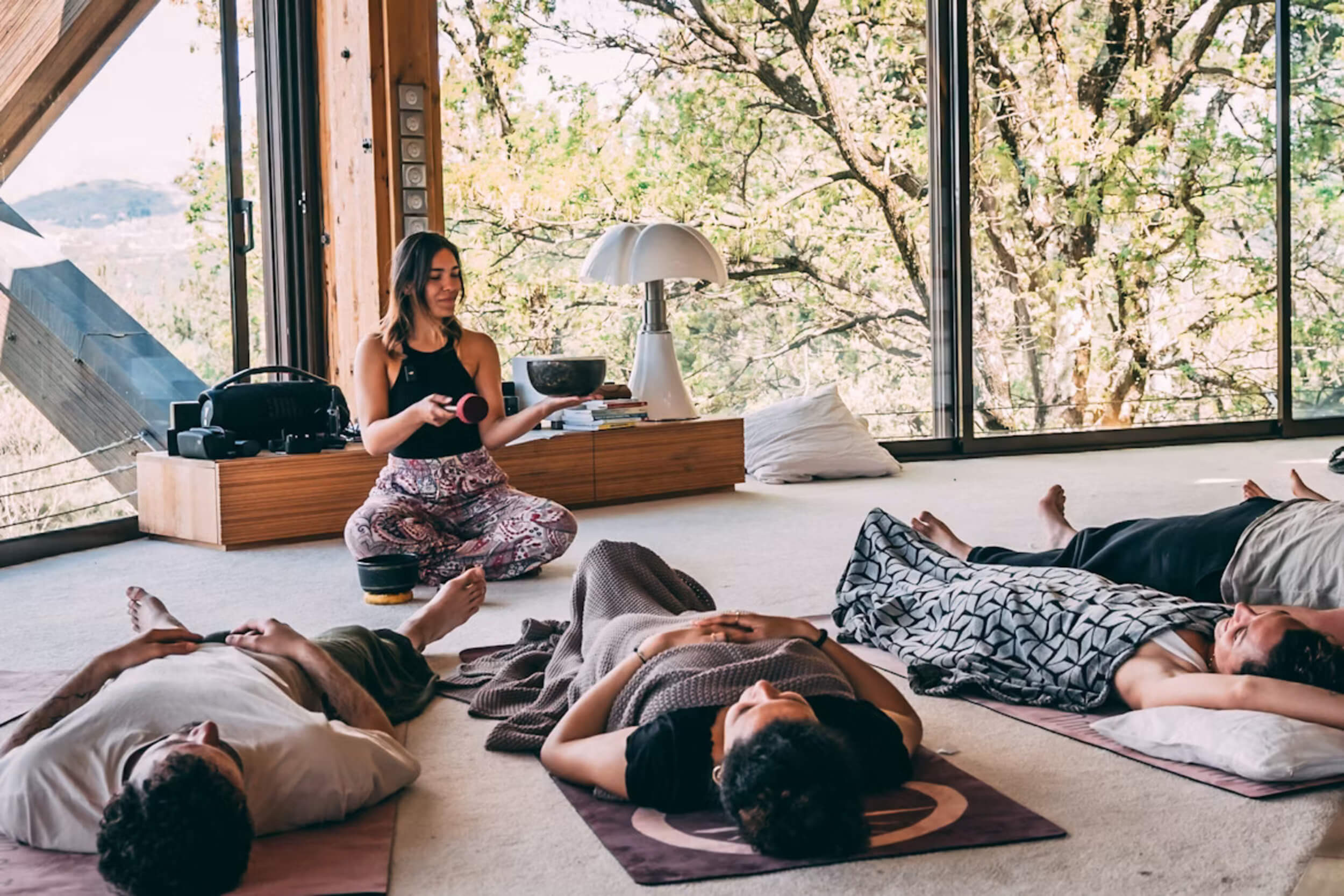
The setting itself may be a large part of the appeal. A typical session may include:
- Reduced noise and gentle lighting
- A comfortable seated or lying position
- Slower, calmer breathing
- A short break from phones and responsibilities
These conditions may help the body settle, regardless of whether the person believes a practitioner can transfer or balance energy. Feeling calm can still hold meaning, but it does not prove that the practitioner found or removed an energy blockage. Understanding this difference can help people enjoy the experience while keeping realistic expectations.

Focused attention can also feel unusual when daily conversations are rushed or interrupted. When exploring energy healing, clients may appreciate having someone ask what feels comfortable, what they hope to gain, and what boundaries they want respected. A responsible practitioner should explain whether the practice involves light touch or hands held above the body. Consent must be given before any contact, and the client can change their mind at any time.
This matters for everyone, but it may be especially important for people with a trauma history, sensory sensitivity, cultural concern, or discomfort with touch. They should be able to ask for more space, remain seated, change the lighting, stop the session, or choose a no-touch option without pressure.
The adaptable nature of some sessions can make them appealing to people who do not enjoy strenuous wellness activities. Depending on the practice, a session may be adjusted for mobility needs or sensory comfort. Still, “gentle” does not always mean suitable or free from risk. Anyone who is pregnant, injured, living with a health condition, or receiving mental health care should seek guidance from an appropriate health professional when needed.
Another reason people are exploring energy healing is the chance to take an active role. They can choose a practice, state their preferences, ask questions, and reflect on how the session felt. This involvement can support a stronger sense of personal choice. It may also help them speak more openly about comfort and personal goals, especially when the practitioner listens carefully and responds without judgment, hurry, or unwanted pressure. It should remain an addition to suitable healthcare, however, and never take the place of medical tests, prescribed treatment, counselling, or urgent support.
Visibility, Personal Stories, and Integrative Care Are Expanding Access
Energy healing is now only a few clicks away. Websites, social media posts, videos, podcasts, online classes, and virtual appointments allow people to hear about practices they may never see in their local area. This easy access has made exploring energy healing feel less unfamiliar and more convenient.
Personal stories also help remove some of the mystery. Someone might describe the room, how the practitioner explained the process, whether touch was used, and how they felt afterwards. These details can help a new client know what to expect. However, a testimonial is still one person’s experience. It cannot prove that a practice works or show what another person will feel. Claims of guaranteed healing, instant emotional release, or cures for serious illness should always be questioned.
Certain wellness programmes and healthcare settings now offer complementary practices to support comfort, relaxation, or personal choice. Their inclusion does not confirm every belief or claimed benefit linked to them. Practices placed under the energy healing label have not all been studied in the same way or to the same degree. Readers should look at the evidence for each method separately.
Practical matters can also shape the decision. Cost, local availability, appointment times, online options, and the ability to adjust a session may make one service more suitable than another. For people with mobility needs, sensory concerns, or limited travel options, a flexible provider may make the experience easier to access. A clear booking process and honest information about session length can also reduce uncertainty. Convenience should not be mistaken for quality, though, so basic checks still matter. Before booking, check:
- The practitioner’s training and experience
- How professional boundaries and privacy are handled
- Hygiene standards and whether touch is involved
- The full fee and cancellation terms
- What happens during a session and what results are realistic
A first appointment can be treated as a chance to assess comfort. There is no need to buy an expensive package straight away. People exploring energy healing should also watch for warning signs. These include diagnosing an illness without proper qualifications, creating fear, discouraging medical treatment, promising certain results, or blaming the client when expected changes do not happen.
Energy healing should never replace prescribed medicine, counselling, medical tests, emergency help, or care from qualified health professionals. It is possible to remain open to a personal experience while still asking sensible questions. Realistic expectations help people make informed choices without dismissing what felt calming or meaningful to them.
Conclusion
Interest in energy healing has grown. Broader views of wellness, cultural visibility, modern stress, spiritual curiosity, personal recommendations, adaptable sessions, and integrative services have made these practices more familiar.
People exploring energy healing may value the stillness, focused attention, meaning, or time for reflection. They do not have to accept every claim about energy to appreciate those parts of the experience. Responses also differ. Feeling little or nothing unusual does not mean someone failed, lacked belief, or responded incorrectly.
Anyone exploring energy healing should choose a responsible practitioner, state clear boundaries, and consider the cost before committing to further sessions. Complementary care must never replace medical diagnosis, prescribed treatment, counselling, or emergency support.
Curiosity does not require blind trust. Careful judgment does not require rejecting every unfamiliar idea, either. People can remain open, ask questions, and make choices that honour personal beliefs while protecting their health, safety, and financial well-being.