


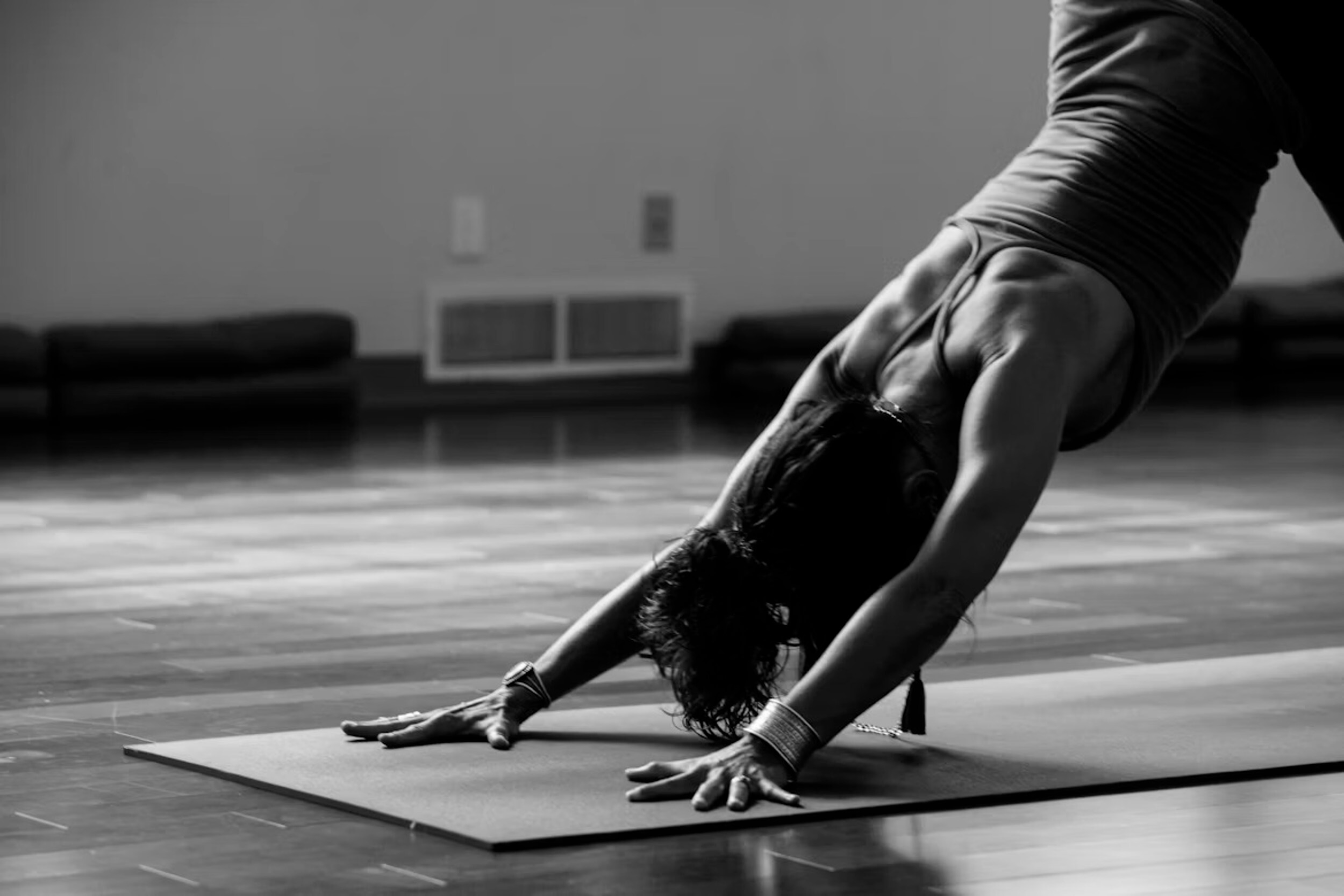

What if one of yoga’s biggest benefits has nothing to do with touching your toes?

When people think about yoga benefits, flexibility and balance are usually the first things that come to mind. While those benefits are certainly real, they are only a small part of what yoga can offer. Many people are surprised to learn that yoga can affect far more than muscles and joints.
Yoga combines gentle movement, breathing exercises, mindfulness, and body awareness into one practice. Because of this, its effects can reach many areas of daily life. Researchers continue to study yoga and have found links between regular practice and improvements in physical health, emotional well-being, stress management, sleep quality, and overall quality of life.
One reason yoga has remained popular for so many years is that it can be adapted to almost anyone. Whether someone is young or older, active or just getting started with exercise, yoga offers different ways to participate based on individual needs and abilities.
The most interesting yoga benefits are often the ones people do not expect. Beyond flexibility and balance, yoga may support the mind, body, and everyday well-being in ways that can make a meaningful difference over time.
Yoga Encourages a Stronger Connection Between Mind and Body
Daily routines can become so automatic that people rarely stop to notice how they are feeling. Work, family responsibilities, and endless distractions can make it easy to ignore what the body is trying to communicate. One of the lesser-known yoga benefits is that it encourages people to slow down and become more aware of both physical and emotional signals.
During yoga practice, attention is placed on movement, breathing, and how the body feels in each position. This focused awareness helps people notice things they might otherwise overlook, such as muscle tension, low energy, shallow breathing, or emotional stress. Instead of pushing through discomfort without thinking about it, yoga encourages people to pay attention and respond more thoughtfully.
Greater awareness can support healthier daily habits by helping people recognize:
- Early signs of stress or tension
- Physical fatigue before exhaustion sets in
- Emotional reactions that may need attention
- Habits that affect overall well-being
This stronger connection between mind and body can make daily decisions feel more intentional. Whether it is choosing to rest, move more, eat well, or take a break, awareness often becomes the first step toward healthier choices. As people become more connected to how they feel, they may find it easier to support both their physical and emotional health.
Regular Yoga Practice Can Help Reduce Daily Stress Levels
Stress has become a common part of everyday life. Busy schedules, financial responsibilities, family obligations, and constant access to information can leave people feeling mentally and physically drained. While stress cannot always be avoided, finding healthy ways to manage it can make a meaningful difference.
One reason people appreciate the yoga benefits linked to stress relief is that yoga creates a dedicated opportunity to pause. Instead of focusing on outside pressures, attention shifts toward breathing, movement, and the present moment. This change in focus can provide a temporary break from the mental noise that often fills the day.
Several parts of yoga may help encourage relaxation, including:
- Controlled breathing exercises
- Gentle physical movement
- Mindfulness practices
- Guided relaxation techniques
Research suggests that practices that help manage stress may support emotional well-being and overall quality of life. Yoga does not remove life’s challenges, but it may help people approach those challenges with greater calm and clarity. Feeling more balanced during stressful situations can help build emotional resilience and make difficult moments feel more manageable.
The ability to slow down, reset, and refocus is one reason yoga continues to be valued by people seeking practical ways to cope with everyday stress.
Yoga May Support Emotional Health and Mental Clarity
Mental well-being involves more than simply reducing stress. It also includes maintaining focus, emotional balance, and the ability to manage daily challenges without feeling constantly overwhelmed. In a world filled with distractions, finding moments of mental quiet can sometimes feel difficult.
A valuable part of the yoga benefits experience is the opportunity to step away from constant stimulation and focus on the present moment. During practice, attention is often directed toward breathing, movement, and body awareness. This focused attention can help reduce mental clutter and encourage a greater sense of calm.
Regular yoga practice may help support:
- Better concentration
- Greater emotional awareness
- Reduced feelings of overwhelm
- Improved ability to stay present
Taking time to slow down allows the mind to reset from the demands of daily life. People often report feeling more mentally refreshed and focused after a yoga session, even when the practice itself is gentle.
Emotional awareness may also improve through yoga. Becoming more aware of thoughts and feelings can help people respond thoughtfully rather than reacting automatically. This can support healthier communication, stronger relationships, and a greater sense of emotional balance.
These benefits help explain why yoga is often included as part of a broader self-care routine that supports both mental and emotional wellness.

Strength and Stability Are Often Overlooked Yoga Benefits
Flexibility often receives most of the attention when people talk about yoga, but strength and stability are equally important. A variety of yoga poses require muscles to support body weight while maintaining control and balance. This creates a unique form of exercise that challenges multiple areas of the body at the same time.
One of the practical yoga benefits that often surprises beginners is the amount of strength involved. Holding poses, transitioning between movements, and maintaining proper alignment all require muscles to work together efficiently.
Yoga can help develop:
- Core strength
- Leg and hip stability
- Upper-body strength
- Overall balance and coordination
Unlike exercises that isolate one muscle group, yoga frequently engages several muscles at once. This helps improve functional strength, which is the type of strength used during everyday activities such as lifting, carrying, reaching, and maintaining good posture.
Stability is equally valuable because it supports safer and more controlled movement. Better balance and coordination may help people feel more confident during physical activities and daily tasks.
Different styles of yoga provide different levels of challenge, making it possible for people of various ages and fitness levels to improve strength while continuing to build flexibility and mobility.
Better Breathing Habits Can Benefit More Than Exercise
Breathing happens automatically, which is why many people rarely think about it. Yet breathing patterns can influence stress levels, concentration, relaxation, and physical comfort. This is one reason breathing remains a central part of yoga practice.
Stressful situations often cause people to take shorter, shallower breaths without realizing it. These breathing habits can contribute to feelings of tension and discomfort. Yoga encourages slower and more intentional breathing that helps bring attention back to the present moment.
One of the most useful yoga benefits is learning how breathing affects both the body and mind. Breathing exercises often encourage people to slow down and become more aware of how they feel physically and emotionally.
Intentional breathing may help support:
- Relaxation during stressful situations
- Better focus and concentration
- Greater awareness of physical tension
- A stronger sense of calm
Breathing techniques learned during yoga can also be used outside of practice. A few slow breaths before an important conversation, during a busy workday, or while winding down at night can help create a greater sense of balance.
This simple but powerful skill often becomes one of the most practical lessons people take away from their yoga experience. Learning to control breathing may not change a difficult situation, but it can help people respond with greater calm, clarity, and confidence.
Yoga May Contribute to Better Sleep and Recovery
A good night’s sleep affects far more than how rested a person feels the next morning. Sleep plays an important role in energy levels, concentration, mood, physical recovery, and overall health. When sleep quality suffers, everyday tasks can feel more difficult and stressful.
Busy schedules, screen time, work demands, and constant mental stimulation can make it harder for the body and mind to fully relax at the end of the day. Stress is also a common reason people struggle to fall asleep or stay asleep throughout the night.
One of the practical yoga benefits is its ability to encourage relaxation before bedtime. Yoga often combines gentle movement, focused breathing, and mindfulness practices that help calm the nervous system. This shift from a busy, alert state to a more relaxed one may help prepare the body for rest.
Healthy recovery habits are just as important as physical activity itself. Sleep gives the body time to repair, restore energy, and support overall well-being. While yoga is not a cure for sleep problems, regular practice may help people build relaxation habits that support healthier sleep routines.
Simple habits that may support better rest include:
- Practicing gentle yoga in the evening
- Using breathing exercises before bed
- Reducing stress before bedtime
- Creating a consistent nighttime routine
Improved relaxation often creates a stronger foundation for better sleep and recovery.
Consistent Practice Can Improve Posture and Movement Patterns
Modern lifestyles often involve long hours of sitting, looking at screens, driving, or repeating the same movements throughout the day. These habits can affect posture and place extra strain on muscles and joints. As a result, physical discomfort may gradually become part of daily life.
One of the often-overlooked yoga benefits is the way it encourages greater awareness of body positioning and movement. During practice, attention is given to alignment, balance, and how the body moves through different positions. This awareness can help people notice habits that may be contributing to discomfort or inefficient movement.
Good posture supports more than appearance. It can influence comfort, mobility, balance, and the way the body handles everyday activities. Better alignment may also help reduce unnecessary strain on certain muscles and joints.
Yoga encourages people to become more mindful of:
- Sitting posture
- Standing alignment
- Walking patterns
- Muscle tension and body mechanics
Small improvements in these areas can have a meaningful impact on physical comfort throughout the day. Greater body awareness often carries beyond yoga sessions, helping people move more efficiently and recognize unhealthy habits before they become larger problems.
Conclusion
Flexibility and balance are often the first things people associate with yoga, but they represent only a small part of what this practice can offer. The yoga benefits discussed throughout this article show how yoga can influence physical health, emotional well-being, mental clarity, stress management, breathing habits, strength, posture, sleep, and overall body awareness.
One reason yoga continues to be practiced around the world is its ability to meet people where they are. Different styles and approaches make it accessible to a wide range of ages, fitness levels, and personal goals.
Rather than viewing yoga as simply a stretching routine, it can be helpful to see it as a long-term wellness practice that supports both the body and mind. Small, consistent efforts often produce meaningful results. Whether someone practices for a few minutes a day or attends regular classes, yoga offers opportunities to build healthier habits that may support overall well-being for years to come.