


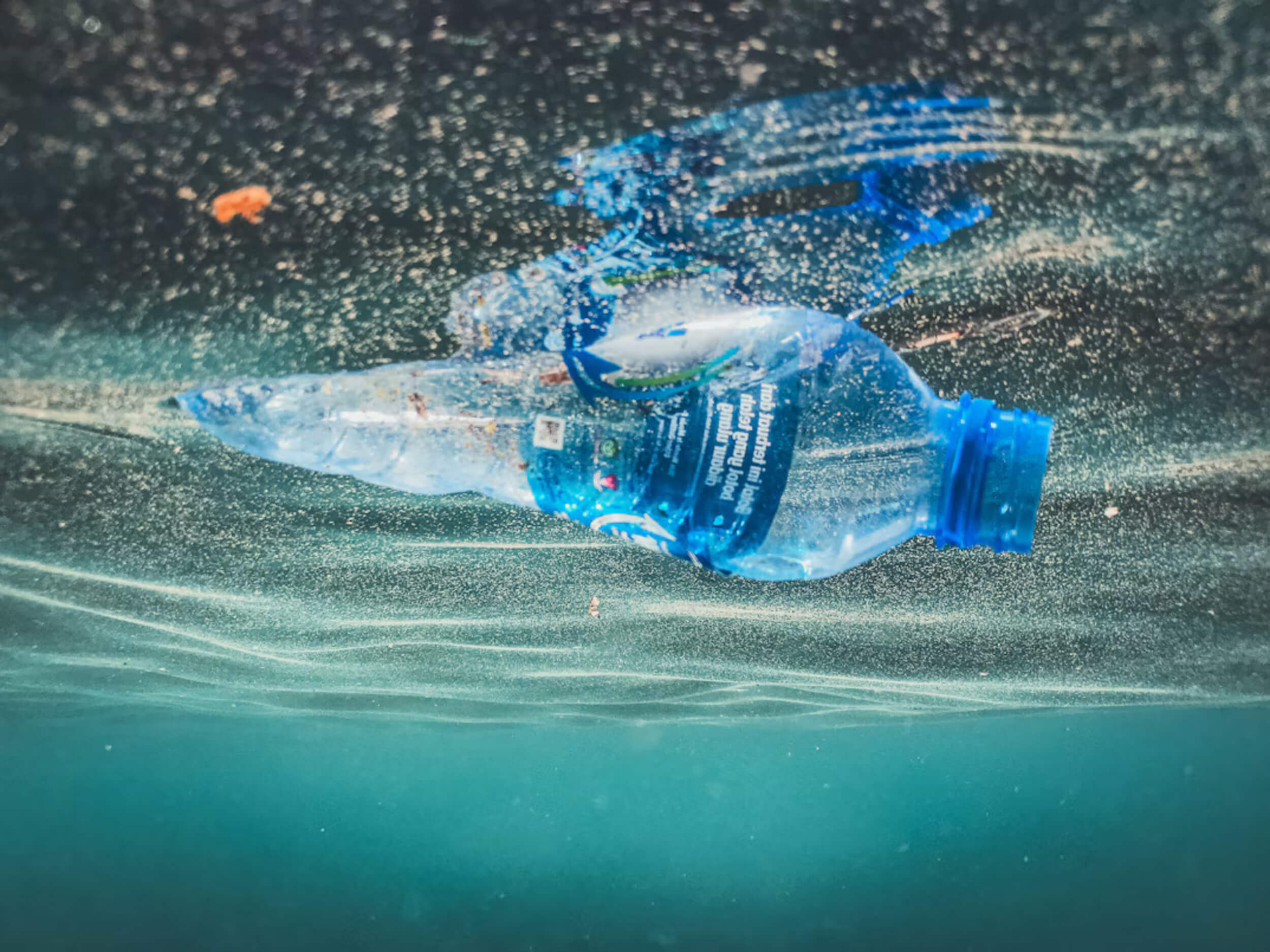

A bottle drifting down a river does not have to finish its journey in the sea.

Plastic bottles and food wrappers floating past a riverbank are a familiar sight. You might watch them disappear around a bend and wonder who, if anyone, will pick them up. That is where new tools are giving cleanup teams more ways to act.
The technology helping remove plastic waste ranges from floating barriers that gather rubbish to filters that catch tiny particles in wastewater. These systems work at different points along the journey, helping collect plastic before it spreads further.
The interesting part is how each tool handles a different task. Catching a drinks bottle calls for a different approach from removing a fibre too small to see clearly.
There is reason to feel hopeful, but progress takes more than clever equipment. People still need to maintain these systems and handle what they collect. Understanding how the tools work helps us see where they can make a difference and what it takes to keep them working.
Why Plastic Waste Needs Different Removal Methods
A river can carry plastic you can see and plastic you would never notice.
Rain can wash a dropped food wrapper from a pavement into a drain. Rubbish left beside an overflowing bin can follow the same route. As water runs across streets and open ground, it can carry loose waste into streams, rivers, and lakes.
Plastic also travels through wastewater from homes and businesses. This includes tiny fibres released when synthetic clothes are washed. Treatment can capture many particles, but some may remain in the water discharged into the environment.
Microplastics are plastic particles smaller than five millimetres. They come from several sources:
- Larger plastic objects breaking into smaller pieces.
- Synthetic fabrics shedding fibres during washing and use.
- Tyres wearing down as vehicles travel along roads.
These particles differ in size and shape. A bottle floating near a riverbank is easier to spot than a thin fibre carried below the surface. Something that catches the bottle may leave the fibre untouched.
That is why the technology helping remove plastic waste needs to match the problem. The size of the plastic matters, but so does its location. Waste entering through a street drain needs attention at a different point from particles carried through a sewage pipe.
Understanding these differences helps communities choose a useful approach rather than expecting every kind of plastic to be caught in the same way.
Catching Floating Plastic Before It Reaches the Sea
The current carrying rubbish downstream can also help guide it towards collection.
Floating barriers sit across part of a waterway and direct drifting waste towards a collection point. Their placement matters. They need to meet the path rubbish usually follows while allowing space for boats and other river activity.
The Ocean Cleanup’s Interceptor Original shows how this can work. A barrier guides floating debris towards the system, where a conveyor belt lifts it from the water. The waste then moves into storage containers.
Solar panels power the conveyor, sensors, and other electrical parts. An internet connection lets operators follow collection data, and the system sends an alert when its containers need emptying. People remain part of the process, even when collection happens automatically.
Other tools offer different ways to reach surface rubbish:
- Cleanup boats move through an area, gathering floating litter along their route.
- Floating collection bins stay in one place, drawing nearby water and rubbish into a basket.
Boats can reach separate patches of waste, while fixed bins depend on litter coming within their reach. Sheltered places such as marinas can suit these bins, although their usefulness depends on conditions at the site. UNEP includes both cleanup boats and collection bins among approaches to removing waste from water.
Wind can push packaging away from a collection point. Waves can scatter it, and changing currents can alter where it gathers. Busy boat routes also affect where equipment can safely operate. Choosing a suitable position is therefore part of making the technology helping remove plastic waste useful.
These systems focus on reachable litter at the surface. They do not clear plastic buried in mud or catch every tiny particle spread through the water.
Their value is practical: they give crews a way to collect visible rubbish before it travels further, bringing part of the cleanup into a place where workers can reach it.

Filtering Microplastics From Wastewater
Water can look clear and still carry plastic particles too small to notice.
Inside a treatment plant, removing these particles involves more than scooping rubbish from the surface. The technology helping remove plastic waste must separate tiny pieces from water that also contains other waste.
Membrane filtration does this by passing water through a barrier with very small openings. Depending on the membrane, certain particles stay behind while water passes through. Think of a fine strainer, although treatment membranes are designed for much smaller material.
Advanced filters can work alongside other treatment stages before water leaves the plant. They are not fitted everywhere, and their results depend on the equipment and the water being treated.
Another approach, called coagulation, helps fine particles gather into larger clusters. Carefully chosen chemicals encourage this process. The clusters can then be separated through settling or filtration.
Several details affect how well treatment works:
- Particle size influences which pieces a filter can retain.
- Equipment design affects how water moves through the system.
- Water conditions influence how well particles gather together.
- Operating settings help staff keep treatment working as intended.
Filters also need care. Waste can build up on their surfaces, slowing the flow and increasing the effort needed to push water through. Cleaning and suitable operating pressures help keep them useful. Chemical treatment requires careful dosing, because adding more is not automatically better.
The next question is where the captured plastic goes. Separation does not necessarily destroy it. Particles can remain in sludge, the thicker material left during treatment, or in other collected waste. UNEP has highlighted how sludge applied to land can provide another route for microplastic pollution.
Responsible handling therefore belongs within the treatment plan. Staff need suitable ways to contain, process, and dispose of these materials without releasing particles elsewhere.
Removing microplastics is also only one part of water treatment. Germs, chemicals, and other pollutants require attention too. Clearer water or fewer plastic particles alone cannot confirm that water is safe to drink. The useful goal is better treatment that reduces what reaches nearby waterways while managing what remains behind with care.
What Makes Plastic Removal Technology Effective
The real test begins after the launch photos are taken.
A promising trial can show that equipment works under certain conditions. Everyday use asks more of it. Can crews reach the site during heavy rain? Can the system cope with seasonal flooding? Is help available when a part breaks?
These questions shape whether the technology helping remove plastic waste becomes a dependable local service. Equipment needs to suit water flow, pollution levels, and access for workers. UNEP’s guidance stresses choosing solutions that fit local needs and costs.
Funding must cover more than the purchase. Trained staff, regular servicing, repairs, and replacement parts all need a place in the budget. A system waiting months for a repair cannot deliver the results promised during its demonstration.
Monitoring gives communities a clearer picture of progress. Useful checks include:
- How much plastic is collected.
- How often equipment is working.
- Whether pollution changes at nearby monitoring points.
- What happens to the recovered waste.
Measurements should be consistent enough to support fair comparisons. Rainfall and changing water levels can affect results, so a busy collection day alone does not prove lasting improvement.
Collected bottles, bags, and packaging also need a planned destination. Secure storage keeps them contained until transport arrives. Sorting then helps identify materials that local facilities can process.
Not everything recovered will be suitable for recycling. Dirt, mixed materials, and damage can limit the options. Rubbish that cannot be recycled needs controlled disposal rather than another open pile beside the water.
Clear responsibilities keep this chain moving. Local authorities, water operators, and waste contractors should know who arranges collection, pays for transport, checks processing, and responds when something goes wrong.
Prevention supports this work. Reliable rubbish collection and secure disposal reduce fresh leakage, while practical reuse can cut unnecessary disposable waste. Residents can help through correct disposal and reporting illegal dumping or overflowing bins.
Those everyday actions give cleanup teams a better chance of keeping pace. When equipment, services, and public support work together, a project has stronger foundations for continued use. That makes its benefits easier to sustain through ordinary daily challenges.
Conclusion
Cleaner waterways begin with progress that people can see, measure, and maintain.
The technology helping remove plastic waste offers reasons for hope when its results continue beyond a launch or short demonstration. A project earns trust by working reliably and showing that local pollution is being reduced.
Communities do not all have the same budget, staff, or needs. Starting with a focused effort in a place that needs attention can be a sensible step. What matters is choosing a goal that people can support and checking whether the work achieves it.
There is encouragement in steady improvement. A cleaner stretch of water can reflect months of careful work by local teams. Lasting progress comes when promising ideas become dependable services that communities have the means to keep running for years.