


A perfect breastfeeding diet does not exist, and that may be welcome news for a tired new mother.

Your body is healing from childbirth, making milk, and caring for a baby, so it needs steady nourishment. Still, you do not need strict food rules or costly ingredients. These healthy nutrition tips focus on varied meals, enough fluids, key nutrients, and safe choices about caffeine, seafood, alcohol, and supplements. Whatever your culture, budget, diet, or feeding journey, simple everyday choices can help you feel stronger and well supported each busy day.
Your Nutritional Needs Change During Breastfeeding
Making breast milk takes extra energy, so feeling hungrier than usual can be completely normal. Most breastfeeding mothers need about 330 to 400 extra calories a day compared with their needs before pregnancy. However, this is a guide, not a number you must track. Your needs depend on your body size, activity, health, feeding frequency, and whether your baby receives only breast milk. One of the most useful healthy nutrition tips is to notice your hunger, fullness, energy, and recovery. Skipping meals or severely limiting food can drain your energy and make healing more difficult during an already demanding time.
Build Meals That Provide Lasting Energy
Balanced meals do not need a special recipe. A simple mix of carbohydrates, protein, fruits or vegetables, and healthy fat can keep you full and provide a wider range of nutrients. These healthy nutrition tips can work with foods your family already enjoys.
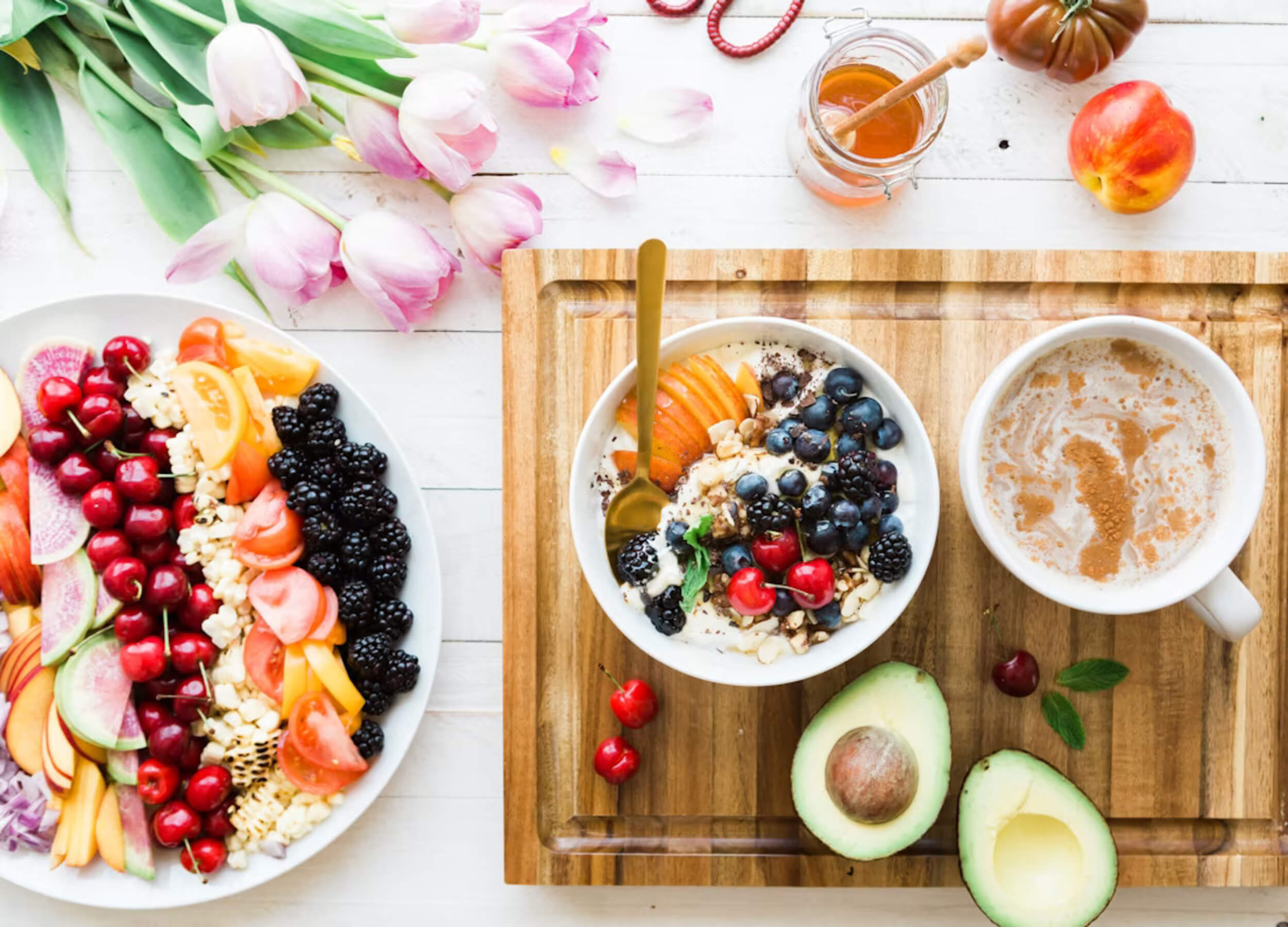
For carbohydrates, choose oats, brown rice, potatoes, corn, or whole-grain bread. Add protein from eggs, chicken, lean meat, beans, lentils, tofu, yogurt, nuts, or lower-mercury seafood. Fruits and vegetables provide fibre, vitamins, and minerals; different colours are helpful, but costly produce is not required. Avocado, seeds, nuts, olive oil, and suitable fish provide useful fats. Frozen, canned, or dried foods can be nutritious and cheaper when fresh choices are limited. Rinse canned beans or vegetables when possible to lower added salt, and choose fruit packed without syrup.
Adjust Meal Timing to the Demands of Caring for a Baby
Newborn care rarely follows a tidy meal schedule. These healthy nutrition tips can help you eat without spending hours in the kitchen. Choose small meals or snacks when you get the chance, before hunger leaves you shaky or exhausted. Try yogurt with fruit, toast with egg, oatmeal with nuts, rice with beans, or soup with whole-grain bread. Keep safe, easy-to-open foods near your feeding or pumping spot. Ask your partner, relatives, or friends to prepare food, wash produce, or divide leftovers into portions. The goal is less work, not perfection.
Drink According to Thirst Without Forcing Excess Fluids
Breastfeeding can make you feel thirstier, especially during feeds. Keep water within reach and drink when you are thirsty. Dark yellow urine, a dry mouth, dizziness, or headaches may mean you need more fluid, although these signs can have other causes. One of the simplest healthy nutrition tips is to choose water most often. Milk, soup, and unsweetened drinks also count. Drinking far more water than your body wants will not automatically increase milk supply. Limit drinks high in added sugar.
Give Important Nutrients Extra Attention
A varied diet covers many needs, but certain nutrients matter more during breastfeeding. These healthy nutrition tips can help you spot common gaps without chasing a “superfood.”
Iodine and choline help support your baby’s brain and nervous system. Sources include eggs, dairy foods, seafood, beans, and iodised salt. Vitamin B12 is found mainly in animal foods, so mothers who eat no animal products need reliable fortified foods and usually a supplement.
Iron comes from meat, beans, lentils, fortified cereals, and leafy greens. Pair plant sources with vitamin C-rich foods to improve absorption. Dairy foods and fortified alternatives can provide calcium and vitamin D for bone health. Lower-mercury seafood offers omega-3 fats, including DHA. If you avoid fish or entire food groups, ask a doctor or dietitian whether a supplement is right for you. No single food can guarantee more milk.

Vegetarian and Vegan Diets Require Thoughtful Planning
Well-planned vegetarian and vegan diets can provide the nourishment needed for breastfeeding. Useful foods include beans, lentils, soy foods, nuts, seeds, whole grains, fortified plant drinks, and calcium-set tofu. Together, they can supply protein, iron, calcium, iodine, zinc, vitamin D, choline, and omega-3 fats.
Try to include different protein sources throughout the day and check food labels to see which nutrients have been added. Eating iron-rich plant foods with oranges, tomatoes, or other vitamin C sources can help your body absorb more iron. Among the most important healthy nutrition tips for vegan mothers is to take vitamin B12 as advised because plant foods are not reliable sources.
Ask a doctor or registered dietitian about your needs before taking supplements. Personal advice is especially important if your diet is limited, blood tests show a deficiency, or you have had bariatric surgery. The right plan can help protect your energy, recovery, and your baby’s nutrition.
Caffeine Can Fit Into Breastfeeding With Sensible Limits
A morning coffee does not always need to disappear during breastfeeding. Small amounts of caffeine enter breast milk, and moderate intake is usually acceptable. However, newborn and premature babies may clear caffeine more slowly, so they can be more sensitive to it.
Count caffeine from coffee, tea, cola, energy drinks, chocolate, and certain medicines across the whole day. These healthy nutrition tips matter because caffeine levels can vary greatly between products, serving sizes, and brewing methods. A large café coffee, for example, may contain much more caffeine than a small cup made at home.
Pay attention to how your baby responds. If your baby seems unusually restless, irritable, difficult to settle, or unable to sleep, try reducing your intake and see whether the symptoms improve. Check current professional guidance or ask your healthcare provider how much caffeine is suitable for you and your baby.
Choose Seafood for Its Benefits While Limiting Mercury
Seafood can remain part of a healthy breastfeeding diet. It provides protein, iodine, vitamin B12, and omega-3 fats, including DHA, which supports a baby’s brain and eye development. However, mercury can pass into breast milk, and high exposure may harm a baby’s developing nervous system.
Follow these healthy nutrition tips: choose two to three weekly servings of lower-mercury fish or shellfish, based on current local advice. Options may include salmon, sardines, shrimp, pollock, and tilapia. Eating different kinds of seafood can provide a wider mix of nutrients while reducing repeated exposure to one type of contaminant.
Avoid high-mercury species named by health authorities and cook seafood safely to reduce the risk of foodborne illness. For fish caught by relatives or friends, check local waterway advisories before eating it. Pollution levels can differ from one area to another and may change by season. If no local advice is available, ask a healthcare professional or local health authority for guidance.
Alcohol Requires Careful Timing and Planning
Not drinking alcohol is the safest choice while breastfeeding. Alcohol enters breast milk, and its level rises and falls along with the amount in your blood. If you choose to drink, follow current medical guidance on serving size and how long to wait before feeding. Waiting at least two hours after each standard drink can reduce your baby’s exposure, but the exact time may vary based on several factors.
One of the safest healthy nutrition tips is to feed your baby or express milk beforehand when appropriate. You can use milk stored earlier if your baby needs to feed while alcohol is still in your system. Pumping and discarding milk will not make alcohol leave your blood or breast milk faster, although pumping may relieve discomfort.
Alcohol can also reduce alertness, coordination, and judgement. Arrange for a sober adult to care for your baby, and never share a bed or sofa with your baby after drinking.
A Fussy Baby Does Not Always Mean a Food Must Be Removed
Fussiness, gas, or stool changes do not always mean something in your diet is harming your baby. Crying and digestive changes can happen for many reasons, including normal development, feeding difficulties, illness, or swallowing air during feeds. Avoid removing dairy, eggs, soy, or other common foods without clear evidence. Cutting out several foods may leave you short of important nutrients and make everyday meals harder.
These healthy nutrition tips include keeping a simple record of what you ate, when symptoms began, how long they lasted, and whether anything else changed. This information can help a healthcare professional look for a possible pattern.
Contact a doctor about repeated vomiting, blood in the stool, ongoing diarrhoea, significant eczema, poor feeding, or slow growth. Wheezing, breathing trouble, or swelling requires urgent medical care. Try an elimination diet only with professional guidance so you can replace missing nutrients and keep both you and your baby well nourished.Fussiness, gas, or stool changes do not always mean something in your diet is harming your baby. Babies can have these changes for many reasons. Avoid removing common foods without clear evidence, as a restricted diet may leave you short of nutrients. These healthy nutrition tips include recording what you ate, when symptoms began, and any other changes. Contact a health professional about repeated vomiting, blood in stools, wheezing, swelling, ongoing diarrhoea, severe eczema, or poor growth. Try an elimination diet only with professional guidance so your baby stays nourished.
Supplements Should Fill Real Gaps, Not Replace Food
A doctor may suggest continuing a prenatal vitamin or choosing another supplement while you breastfeed. Your needs depend on your diet, medical history, test results, sun exposure, medicines, and how much breast milk your baby receives. Vegan diets, diagnosed deficiencies, bariatric surgery, food allergies, or limited access to food may create extra needs.
One of the safest healthy nutrition tips is to avoid high doses unless a qualified healthcare professional recommends them. More is not always safer, and taking several products together may give you too much of the same nutrient. Bring a list or photos of product labels to an appointment so your doctor can check the ingredients and amounts.
Herbal teas and products sold as milk-supply boosters may not work as claimed. “Natural” does not always mean safe, especially during breastfeeding. Herbs can cause side effects, interact with medicines, or affect your baby. Discuss every vitamin, mineral, herb, and supplement with a healthcare professional before using it.
Avoid Crash Diets During Postpartum Recovery
Pressure to lose pregnancy weight can begin soon after birth, but your body still needs time, rest, and nourishment to heal. Strict diets may drain your energy, reduce your intake of important nutrients, and add stress during an already demanding stage. Eating too little may also make it harder to manage hunger, recovery, and daily care for your baby.
Healthy nutrition tips should support regular meals, gradual changes, and suitable movement once your healthcare professional says it is safe. Focus on habits that help you feel stronger rather than chasing a certain number on the scale. Postpartum recovery happens at a different pace for every mother, and weight alone does not define health.
Breastfeeding also affects appetite and weight differently. It does not lead to quick weight loss for everyone. Speak with a doctor or registered dietitian if your weight changes rapidly, eating becomes difficult, or worries about food and body image begin affecting your mood or daily life.
Make Healthy Eating More Realistic on Difficult Days
Healthy eating can feel harder when you are exhausted, short on money, in pain, managing nausea, returning to work, or caring for a baby without enough help. On difficult days, getting enough to eat matters more than preparing a perfect meal.
These healthy nutrition tips favour useful shortcuts, including frozen vegetables, canned beans, pre-cooked grains, tinned lower-mercury fish, nut butter, eggs, yogurt, and fortified cereal. Combine two or three simple foods to make a filling meal, such as rice with beans, toast with egg, or cereal with milk and fruit.
Cook extra when you have the time and freeze single portions for busier days. Keeping a short list of dependable meals can also reduce the stress of deciding what to eat. Ask helpers for something specific, such as buying staple foods, washing produce, or bringing a balanced meal. Convenience foods are okay, and choosing them when needed does not undo your healthier choices.
Know When Nutrition Concerns Need Professional Support
Contact a doctor, midwife, registered dietitian, or qualified lactation consultant if you have ongoing exhaustion, dizziness, weakness, poor appetite, rapid weight changes, a possible nutrient deficiency, or trouble eating enough. These concerns may have causes that require more than changes to your meals.
Healthy nutrition tips cannot replace a full feeding assessment when you are worried about low milk supply. A professional may need to check feeding frequency, your baby’s latch, milk transfer, pumping routine, medicines, medical conditions, and the health of both mother and baby. Eating certain foods or taking milk-boosting products will not correct every cause of low supply.
Your baby also needs prompt paediatric care for poor growth, fewer wet nappies, unusual sleepiness, difficulty feeding, repeated vomiting, or signs of dehydration. Breathing trouble, swelling, blue or grey skin, severe weakness, or difficulty waking requires immediate medical care. Seeking help early can protect your baby’s nutrition while supporting your health and confidence.
Conclusion
Breastfeeding nutrition is not about preparing perfect meals or following strict food rules. It means eating enough, choosing a mix of familiar foods, drinking according to thirst, and paying attention to nutrients that support you and your baby.
The best healthy nutrition tips should fit your budget, culture, tastes, schedule, and daily routine. A simple meal made with affordable ingredients can be just as useful as one that takes hours to prepare. Make informed choices about caffeine, seafood, alcohol, supplements, and possible food reactions without letting fear control every meal.
Your needs may change as your baby grows, your feeding routine shifts, or you return to work. Give yourself room to adjust and accept practical help when it is available. If concerns about feeding, milk supply, nutrition, or health arise, seek support from a qualified professional. Nourishing yourself is not an extra task. It is an important part of protecting your recovery, strength, and well-being.