


Most people do not notice their teeth getting weaker until something suddenly feels wrong one day.

It usually starts small. Maybe cold water suddenly feels sharp on one tooth. Maybe your gums bleed a little while brushing. Some people notice bad breath that keeps coming back no matter what they do. Others only realize there is a problem once eating starts to hurt. The truth is, teeth deal with a lot every single day, even when everything feels normal. Sugar, acid, plaque, bacteria, grinding, and leftover food slowly build up over time, and the damage does not always show up right away.
What surprises many people is that protecting your smile often has less to do with expensive treatments and more to do with simple teeth care habits done consistently every day. Small things like brushing gently, flossing properly, drinking enough water, and paying attention to what you eat can make a bigger difference than people think.
Healthy teeth are not only about appearance either. They affect comfort, confidence, breath, eating habits, and overall health too. In many cases, the little routines people repeat daily are the same habits that help keep teeth strong for years. One of the biggest habits starts with how people brush their teeth every day.
Brushing Carefully Matters More Than Brushing Aggressively
Many people grow up thinking that scrubbing their teeth harder means they are getting them cleaner. Some even press so firmly that the toothbrush bristles flatten quickly after only a short time. But teeth and gums are more sensitive than they seem. Brushing too hard over time may slowly wear down enamel and irritate the gums, especially near the gumline where sensitivity often starts.
Brushing works best when it is done gently and consistently. Throughout the day, plaque, bacteria, food particles, and buildup collect on the teeth and around the gums. Brushing helps remove them before they turn into cavities, tartar, or gum problems. It also helps keep breath fresher and the mouth feeling cleaner overall.
That is why dentists often recommend soft-bristled toothbrushes. They clean teeth effectively without creating too much friction against enamel and gum tissue. One of the most important teeth care habits is understanding that gentle brushing usually protects the mouth better in the long run.
Consistent Brushing Habits Help Prevent Long-Term Damage
Brushing twice daily for around two minutes helps lower the chance of plaque buildup, cavities, gum irritation, and tartar forming on the teeth. Brushing before bed matters even more because bacteria continue building overnight while the mouth becomes drier during sleep.
Still, even careful brushing cannot fully clean the tight spaces between teeth, which is why the next habit matters just as much.
Flossing Helps Reach Areas Toothbrushes Commonly Miss
Even after brushing carefully, tiny pieces of food and plaque can still stay trapped between the teeth. Those narrow spaces are difficult for toothbrush bristles to fully reach, especially near the gums where bacteria often collect the most. When buildup stays there too long, it may slowly lead to bad breath, swollen gums, plaque buildup, or cavities.
Flossing helps clean the places brushing leaves behind. It loosens trapped debris while helping clean along the gumline where early gum irritation often begins. Many dentists say gum problems commonly start between the teeth because those hidden spots are easier to ignore during daily cleaning.
Some people stop flossing after noticing bleeding gums during the first few days. In many cases, mild bleeding may happen because the gums are already irritated from plaque buildup. Gentle and regular flossing may help improve gum health over time as the inflammation slowly decreases.
The good thing is that flossing does not need to feel difficult or painful to become effective. Simple teeth care habits like this often protect the parts of the mouth people rarely think about until discomfort appears.
Water Flossers and Floss Picks May Help Some People Stay Consistent
Traditional floss is not the only choice available today. Water flossers and floss picks may help people with braces, sensitive gums, limited hand movement, or trouble reaching back teeth stay more consistent with daily cleaning.
Keeping teeth clean matters, but what people eat and drink also affects oral health throughout the day.
Everyday Food Choices Can Slowly Strengthen or Weaken Teeth
Teeth deal with more than just brushing and flossing. Every snack, sip, and meal affects the mouth in some way. Sugars, acids, starches, bacteria, and dark-colored drinks constantly come into contact with teeth throughout the day. Some choices help support stronger teeth, while others slowly weaken enamel over time.
Sugary drinks, sticky candy, sour snacks, and frequent snacking may keep acid sitting on the teeth longer than people realize. Over time, that acid may slowly wear down enamel and raise the risk of cavities. Even sugar-free soda and sports drinks can still affect teeth because many contain strong acids that weaken enamel little by little.
Drinking water regularly may help rinse away leftover food particles while supporting saliva production. Saliva plays a major role in protecting the mouth naturally because it helps balance acid levels throughout the day.
Certain foods may also help support healthier teeth and gums, including:
- Dairy products rich in calcium
- Leafy green vegetables
- Eggs
- Nuts
- Crunchy vegetables like carrots and celery
Healthy teeth are often supported by small teeth care habits repeated consistently over time, including paying closer attention to everyday food choices.
Frequent Snacking Can Keep Teeth Under Constant Acid Exposure
Eating small snacks throughout the day may give bacteria more chances to feed on leftover food particles. That means the mouth spends more time exposed to acid without enough recovery time between meals, which may slowly weaken enamel over time.
That becomes even more important to understand as enamel naturally changes with age.
Enamel Protection Becomes More Important With Age
Teeth are strong, but enamel still goes through years of wear little by little. Every day, teeth deal with chewing, grinding, hot and cold foods, acidic drinks, and brushing. Over time, all of that pressure can slowly affect the outer layer that protects the teeth.
When enamel becomes thinner, teeth may start feeling more sensitive to ice cream, coffee, sweets, or sour foods. This happens because the inner layers of the teeth become less protected. Some people also notice discomfort near the gumline as they get older because gums may slowly pull back and expose more sensitive areas of the teeth.
Certain habits may also put extra stress on enamel without people realizing it. Chewing ice, opening packages with the teeth, biting nails, or grinding during sleep may increase the risk of small cracks, worn enamel, or tooth damage over time.
Protecting enamel is one of the most overlooked teeth care habits, especially because damage often happens slowly before symptoms become obvious.
Dry Mouth Can Quietly Increase Dental Problems
Saliva helps wash away bacteria, food particles, and acid throughout the day. When the mouth becomes too dry, those things may stay on the teeth longer and increase the risk of bad breath, cavities, and gum irritation.
Dry mouth may sometimes be linked to dehydration, stress, smoking, certain medications, or health conditions. Because these changes often happen slowly, many people do not notice the effects right away.
That is also why regular dental visits still matter, even when teeth seem perfectly fine.
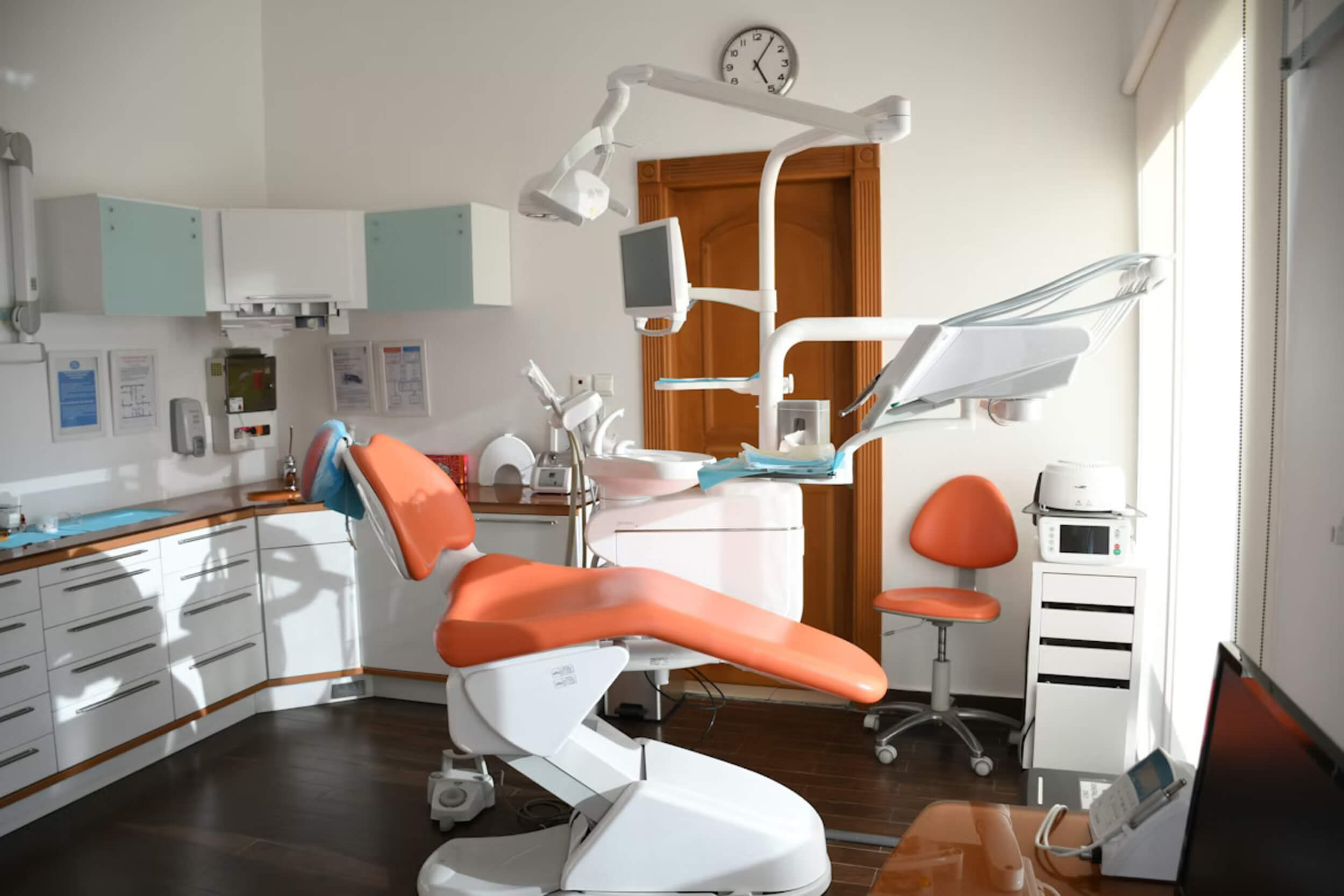
Dental Checkups Often Catch Problems Before Pain Starts
Many dental problems begin quietly. Cavities, gum disease, infections, and enamel erosion may slowly develop for months before pain finally appears. By the time discomfort starts, the problem may already need more treatment than expected.
Regular dental checkups help catch those issues early before they become more serious. Professional cleanings also remove hardened tartar that brushing and flossing cannot fully remove at home. Once plaque hardens into tartar, it usually needs professional tools to clean it safely.
Dental visits can also help spot early signs of gum problems, teeth grinding, damaged fillings, bite issues, or even oral cancer. In many cases, finding those problems earlier may make treatment simpler and less stressful later on.
Some people delay appointments because of fear, busy schedules, or concerns about cost. Unfortunately, untreated dental problems often continue getting worse over time, which may lead to more discomfort and more expensive procedures later.
One of the smartest teeth care habits is treating dental visits as prevention instead of waiting until something hurts badly enough to become an emergency.
Small Preventive Care Habits May Reduce Bigger Dental Issues Later
Preventive dental care focuses on catching small problems before they become larger ones. Regular cleanings, checkups, and early treatment may help people avoid more painful or expensive procedures later.
Oral health is also affected by everyday lifestyle habits outside the bathroom, sometimes more than people expect.
Certain Lifestyle Habits Affect Teeth More Than People Realize
Daily lifestyle choices can affect teeth just as much as brushing and flossing. Smoking, vaping, stress, alcohol use, dehydration, poor sleep, and teeth grinding may all slowly affect oral health in different ways.
Smoking and tobacco products may increase staining, bad breath, gum disease risk, and slower healing inside the mouth. Over time, they may also raise the risk of more serious oral health problems. Heavy alcohol use may dry out the mouth, which allows bacteria and acid to stay on the teeth longer.
Stress can also affect teeth more than many people realize. Some people clench their jaw or grind their teeth during sleep without noticing it happening. Over time, that pressure may wear down enamel and create jaw pain, headaches, or tooth sensitivity.
Poor sleep and dehydration may also contribute to dry mouth, which changes how well saliva protects the mouth naturally throughout the day.
Paying attention to these everyday patterns is one of the most important teeth care habits for protecting long-term oral health.
Mouthguards May Help Protect Teeth From Nighttime Grinding
Some people grind or clench their teeth during sleep without even knowing it until they wake up with jaw pain, headaches, or tooth sensitivity. Over time, that pressure may slowly wear down enamel and damage teeth.
Dental mouthguards may help reduce pressure while sleeping and protect teeth from unnecessary grinding damage over time.
Building healthier habits every day often plays a bigger role than people realize when it comes to protecting their smile naturally.
Conclusion
Healthy teeth are usually built through small routines repeated every day, not only through treatments after problems appear. Simple habits like brushing gently, flossing regularly, drinking water, eating balanced foods, and protecting enamel may all help support stronger teeth and healthier gums over time.
Paying attention to dry mouth, avoiding harmful habits, and staying consistent with dental checkups may also help prevent problems before they become more serious. In many cases, the little things people do daily matter more than quick fixes later on.
Oral health also affects far more than appearance alone. Teeth play a major role in comfort, eating, speaking, confidence, and overall wellness throughout life.
Many people do not realize how much their daily routines affect their smile until problems begin showing up. That is why small teeth care habits done consistently may shape long-term dental health more than expected.