


The healthiest relationships often feel calmer, not more confusing.

Many people confuse emotional intensity with real connection. Constant texting, overthinking, jealousy, mixed signals, and emotional ups and downs can feel powerful at first. But after a while, that pressure often creates stress instead of closeness. One big reason why love feels stronger in healthy relationships is emotional safety. When people feel emotionally safe, they stop spending all their energy protecting themselves from criticism, rejection, manipulation, or emotional unpredictability.
In emotionally safe relationships, people can speak honestly, admit fears, express needs, and show vulnerability without constantly worrying about punishment, ridicule, silent treatment, or withdrawal. That does not mean conflict disappears completely. Disagreements still happen, but both people continue treating each other with care and respect during difficult moments.
Relationships often feel calmer, deeper, and more meaningful when emotional safety becomes the foundation instead of emotional fear.
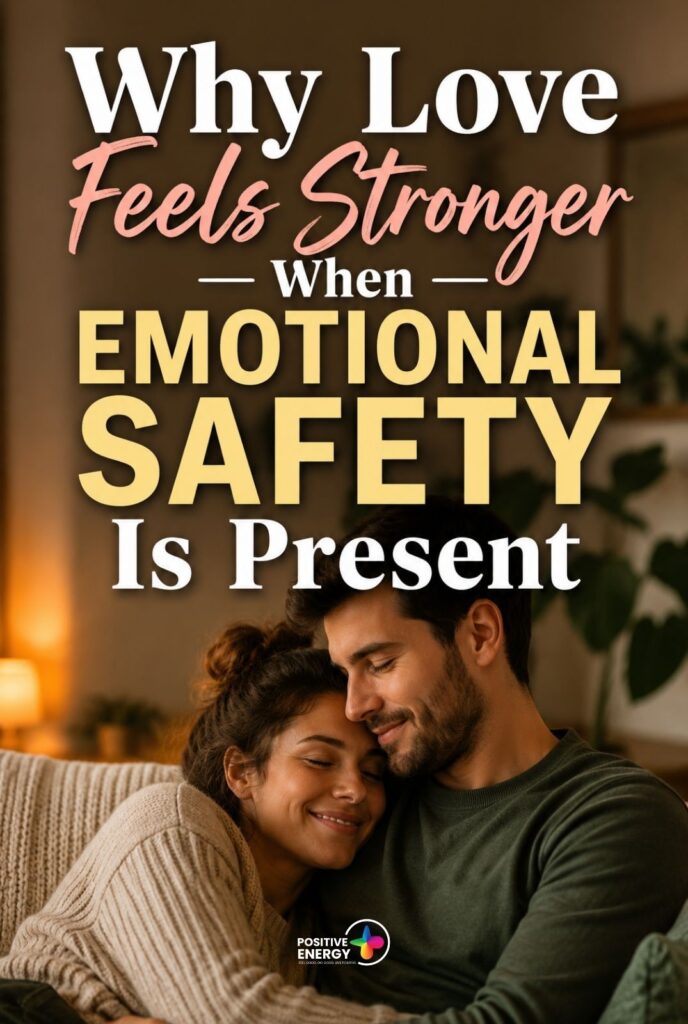
Emotional Safety Allows People to Be Fully Themselves
Many relationships slowly become emotionally draining because people stop acting like themselves just to keep the peace. One person holds back opinions to avoid arguments. Another avoids sharing feelings because they fear being mocked, ignored, or misunderstood. After a while, the relationship can start feeling emotionally lonely even when two people spend a lot of time together.
Emotional safety creates a completely different kind of connection. People feel more comfortable speaking honestly, asking questions, showing affection, admitting mistakes, or talking about personal struggles without fear of humiliation or rejection. That openness often explains why love feels stronger in emotionally healthy relationships. Both people feel accepted for who they truly are instead of feeling pressured to constantly perform or hide parts of themselves.
Simple moments often reveal emotional safety the most:
- Feeling comfortable crying without embarrassment
- Saying “I need space” without guilt
- Sharing insecurities without expecting criticism
- Expressing boundaries without fear of anger
Emotional closeness usually grows faster when people stop protecting themselves emotionally every second. Trust also becomes easier when reactions feel calmer, steadier, and more predictable.
Predictability Often Creates Emotional Calm
Emotional safety becomes stronger when reactions feel consistent instead of unpredictable. Calm communication, emotional stability, and respectful responses help people slowly lower their emotional guard. They stop waiting for sudden anger, withdrawal, criticism, or silent treatment after every difficult conversation.
Relationships often become stressful when someone constantly feels unsure about how their partner will react. Safer emotional patterns usually help people feel more secure, relaxed, and emotionally connected inside the relationship.
Safe Relationships Usually Make Conflict Feel Less Threatening
Arguments feel very different when emotional safety exists. Many people become anxious during conflict because past experiences taught them that disagreements lead to rejection, humiliation, emotional explosions, manipulation, or abandonment. Because of that fear, even small disagreements can feel emotionally overwhelming.
Emotionally safe couples still get frustrated, disappointed, or upset with each other. The difference is that the relationship itself does not constantly feel at risk during those moments. Instead of focusing only on defending themselves emotionally, both people are usually more focused on solving the problem together. That shift often plays a major role in why love feels stronger when emotional safety is present.
Healthy conflict usually includes behaviors like:
- Listening without interrupting
- Pausing before reacting emotionally
- Apologizing sincerely when necessary
- Staying respectful during disagreements
- Trying to understand instead of simply “winning”
Difficult conversations about finances, parenting, work stress, or emotional needs often become more manageable when both people feel heard instead of attacked. Emotional safety helps reduce the fear that one disagreement will permanently damage the relationship.
That emotional calm also affects the body and mind more than many people realize.
The Nervous System Often Responds to Emotional Safety
The body reacts differently in emotionally safe environments. Constant emotional tension can keep the nervous system alert, making people feel anxious, restless, emotionally exhausted, or mentally drained. Many people do not realize how much relationship stress affects sleep, focus, mood, and overall well-being.
Emotionally safer relationships often create more relaxation, emotional stability, better sleep, and less emotional hypervigilance because the brain no longer feels trapped in constant emotional defense mode.
Emotional Safety Helps Love Feel More Stable Over Time
Many people mistake emotional chaos for passion. The constant highs and lows, mixed signals, jealousy, emotional distance, and fear of losing someone can feel intense, but intensity does not always create security. In many unhealthy relationships, people spend more time worrying about where they stand than actually enjoying the connection itself.
Emotionally safe relationships usually feel steadier and more grounded. Instead of constantly chasing reassurance, people slowly begin trusting the relationship itself. That stability often allows affection, vulnerability, and emotional intimacy to grow more naturally. One reason why love feels stronger in emotionally safe relationships is because people no longer spend every day searching for signs of rejection.
Common signs of emotional stability in healthy relationships include:
- Feeling secure even during small disagreements
- Not overanalyzing every text or mood change
- Feeling emotionally valued without constant reassurance
- Trusting the relationship during stressful seasons
Emotional energy becomes focused on connection instead of survival. Many long-term healthy relationships remain strong because emotional safety creates consistency, emotional reliability, and mutual trust even as life changes, stress appears, and challenges arise.
Feeling emotionally accepted also makes emotional support feel more natural and genuine.
Feeling Accepted Often Strengthens Emotional Intimacy
Emotional closeness usually grows when people feel accepted during imperfect moments instead of only during their best moments. Emotionally safe relationships allow people to talk openly about fears, insecurities, failures, stress, and personal struggles without feeling emotionally judged or criticized.
People often become more emotionally connected when they feel supported instead of constantly feeling evaluated, corrected, or emotionally tested inside the relationship.
Strong Emotional Safety Usually Encourages Individual Growth
Emotionally safe relationships often create enough trust for both people to continue growing without feeling emotionally restricted. Healthy partners usually support personal goals, hobbies, friendships, emotional healing, career growth, and independence because they do not automatically see those things as threats to the relationship.
Emotionally unsafe dynamics can look very different. Fear of losing connection sometimes creates jealousy, guilt, control, possessiveness, or emotional pressure. One person may slowly start shrinking themselves just to avoid conflict or emotional reactions. Over time, that can create emotional exhaustion and resentment.
Emotionally safe relationships usually encourage growth in healthy ways, including:
- Supporting career opportunities
- Respecting personal space and alone time
- Encouraging therapy or self-improvement
- Maintaining healthy friendships outside the relationship
- Allowing independence without punishment or guilt
That freedom often explains why love feels stronger when emotional safety exists. Both people feel emotionally connected while still being allowed to remain individuals. Healthy love does not require people to lose themselves to protect the relationship.
Small emotional habits also play a bigger role in trust than many people realize.
Small Emotional Actions Often Build the Most Trust
Emotional safety is usually built through small, repeated behaviors instead of dramatic romantic moments. Listening carefully, following through on promises, speaking respectfully, checking in emotionally, and showing reliability slowly strengthen trust over time.
Repeated emotional consistency often creates deeper feelings of security than occasional grand gestures because people begin trusting the relationship in everyday life, not just during special moments.

Conclusion: Real Love Often Feels Safer, Not Harder
Emotional safety changes the entire emotional experience of love. People often feel calmer, closer, more open, and more emotionally connected when they no longer fear constant judgment, rejection, manipulation, emotional unpredictability, or instability inside the relationship.
Emotionally safe relationships allow honesty, vulnerability, emotional intimacy, individuality, healthy conflict, and personal growth to exist together instead of competing against each other. That does not mean relationships become perfect or completely free from difficult moments. Challenges still happen, but both people continue protecting the relationship emotionally during stressful situations instead of emotionally damaging each other.
One major reason why love feels stronger in healthy relationships is because emotional safety allows people to finally relax and be themselves without constantly feeling emotionally guarded. Many strong relationships are not built on emotional chaos or intensity alone. They are built on trust, emotional steadiness, respect, consistency, and the feeling of being emotionally safe with another person.
Frequently Asked Questions About Emotional Safety in Relationships
Emotional safety is the feeling that you can express your thoughts, feelings, needs, and concerns without fear of judgment, rejection, manipulation, or punishment.
When people feel emotionally safe, they can be more honest, vulnerable, and authentic. This openness helps deepen trust and emotional intimacy over time.
Yes. Healthy relationships still experience conflict, but both partners communicate respectfully and work together to solve problems rather than attack each other.
Common signs include feeling comfortable sharing emotions, expressing boundaries, asking for space when needed, admitting mistakes, and trusting your partner’s reactions.
Couples can build emotional safety by listening without judgment, communicating respectfully, keeping promises, respecting boundaries, and showing consistency in their actions and responses.