

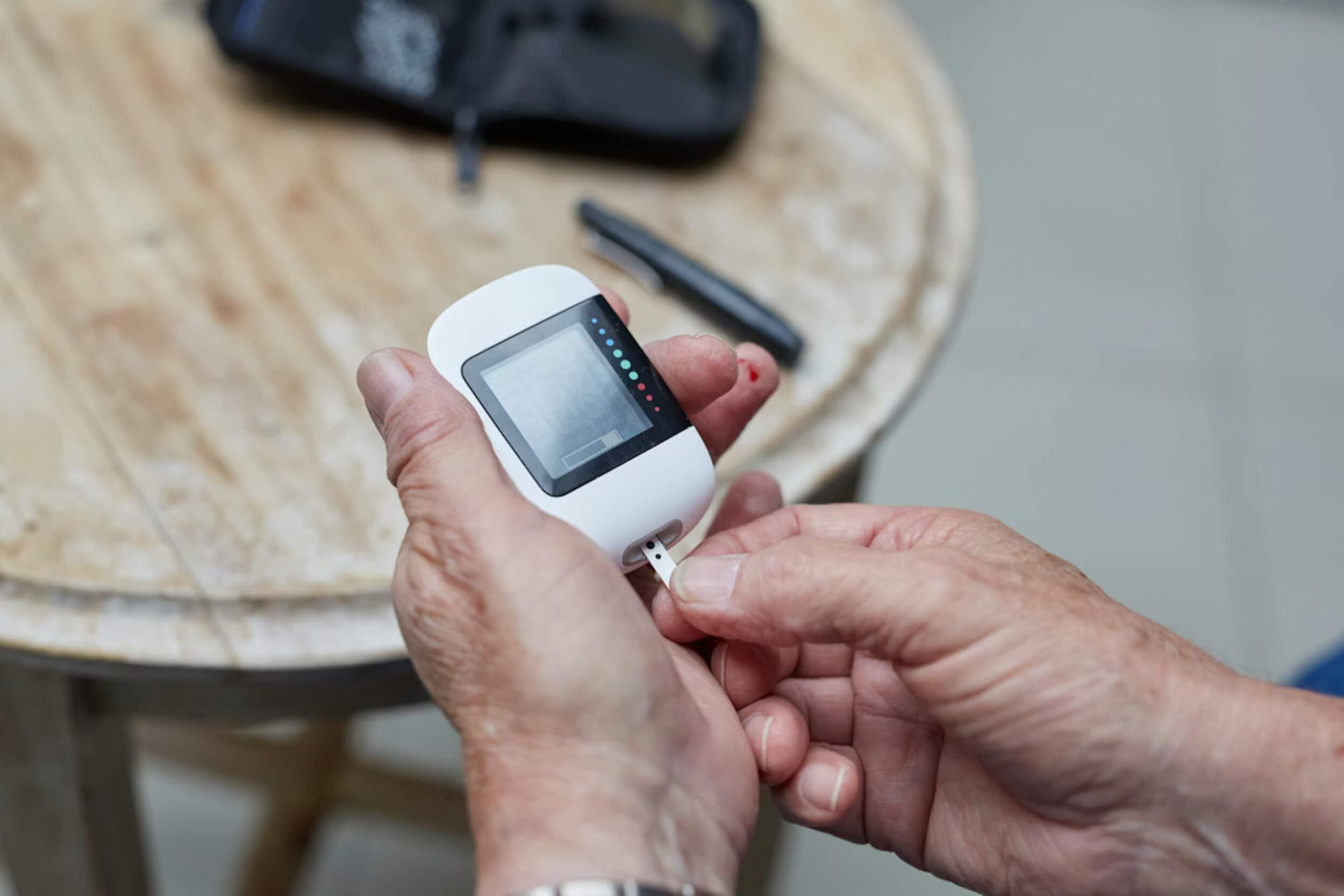

That sudden burst of energy after eating can feel good at first—but it doesn’t always last. It’s one of the clearest signs of why blood sugar spikes happen. The process begins with how your body handles glucose from food, especially carbohydrates. This glucose moves through your bloodstream and fuels your cells so your body can function properly.

In a steady system, your body releases insulin to guide that sugar into your cells. But if that process slows down or struggles to keep up, sugar starts building in your bloodstream instead of being used right away. That’s where the spike comes in.
At first, it may not seem like a big deal. Energy rises quickly, then drops just as fast, leaving you feeling drained or craving more food.
Repeated spikes can make it harder for your body to stay balanced. Noticing these patterns makes it easier to understand what’s driving them and how to keep things more steady.
Why Certain Foods Lead to Faster Blood Sugar Changes
Some foods seem harmless until you notice how quickly your energy shifts after eating them. That’s often where why blood sugar spikes happen starts to become clear. Highly processed foods and refined carbs break down fast, sending sugar into your bloodstream almost all at once. Your body tries to keep up, but the speed can be too much.
A sweet snack on an empty stomach is a good example. The energy hits fast, but it fades just as quickly. That quick rise and drop can leave you feeling tired and reaching for more.
Whole foods work differently. Meals that include fiber, protein, or healthy fats take longer to digest. Sugar enters your bloodstream at a slower pace, which helps your body stay more balanced.
Portion size matters too. Even balanced meals can push levels higher if eaten in large amounts.
Small shifts in food choices can quietly change how steady your energy feels throughout the day.
How Everyday Eating Patterns Shape Your Blood Sugar
Daily habits can shape your energy more than you might expect. These patterns often explain why blood sugar spikes happen, even if your food choices seem fine. Skipping meals may not feel like a big deal, but it can lead to strong hunger later. That hunger makes it easier to eat more than your body needs in one sitting.
The speed of eating also plays a role. Fast meals don’t give your body enough time to signal when you’ve had enough. This can lead to extra intake without noticing.
Irregular meal timing adds another layer. A routine that changes every day can make it harder for your body to stay steady.
Stress and emotions can also affect how and why you eat. Eating while distracted or under pressure can shift both portion size and how your body reacts.
These patterns may seem small, but they often shape how your energy rises and falls.
The Quiet Impact of Food Combinations on Your Body
Meals don’t just depend on what you eat—they depend on what you eat together. This is a big part of why blood sugar spikes happen for many people. Carbohydrates on their own move quickly through your system, which can lead to a faster rise in sugar levels.
Adding protein, fats, or fiber changes that pace. These nutrients slow digestion, allowing sugar to enter your bloodstream more gradually. That steady release helps prevent sudden highs and lows.
This doesn’t need complicated planning. Simple pairings can make a real difference. Adding eggs to rice or nuts to fruit can help your body respond more smoothly.
These small combinations work behind the scenes. You may not notice the change right away, but your energy can feel more stable.
Over time, these choices help reduce the sharp swings that often follow meals.
Why Fiber Plays a Bigger Role Than Most People Think
Fiber often gets less attention, but it plays a strong role in keeping things steady. It also helps explain why blood sugar spikes happen less often in people who include it in their meals. Fiber slows down how quickly sugar is absorbed, giving your body more time to handle it.
Foods like vegetables, fruits, and whole grains naturally contain fiber. These foods don’t lead to the same quick rise as highly processed options.
Fiber also helps you feel full longer. Meals that keep you satisfied make it easier to avoid constant snacking or large portions later.
This creates a smoother flow of energy instead of sharp ups and downs.
Adding fiber doesn’t require big changes. Small, simple choices can support better balance without making meals feel complicated.
Movement and How It Helps Your Body Use Sugar More Efficiently
Your body is built to use sugar as fuel, and movement helps make that process smoother. It also gives insight into why blood sugar spikes happen less often in people who stay active. When you move, your muscles use sugar for energy, which lowers how much stays in your bloodstream.
This doesn’t mean you need intense workouts. Simple actions can help. A short walk after eating, standing more often, or staying active during the day can support better balance.
The key is staying consistent. Regular movement creates a steady need for energy, so sugar gets used instead of building up.
These small actions are easy to fit into daily life. They don’t require big changes, yet they support how your body handles energy.
Over time, steady movement can help you feel more balanced and avoid sudden energy drops.

When Stress Quietly Raises Blood Sugar Without You Noticing
Stress doesn’t just stay in your thoughts—it shows up in your body too. This is one reason why blood sugar spikes happen, even without food. During stressful moments, your body releases hormones that prepare you to act fast. Part of that response is sending stored sugar into your bloodstream for quick energy.
That reaction made sense in the past when action followed stress. Today, stress often comes from work, pressure, or daily worries, and there’s no physical movement to use that extra sugar. It stays in your system instead.
This can happen without you noticing right away. Energy may feel off, or you might feel restless or tired.
Short pauses during the day can help calm that response. Taking a few deep breaths or stepping away for a moment gives your body a chance to reset and settle back into balance.
How Sleep Affects Blood Sugar More Than You Expect
A poor night of sleep can do more than leave you tired—it can shift how your body handles sugar. This is another part of why blood sugar spikes happen for many people. When sleep is short or inconsistent, your body has a harder time managing glucose the next day.
You may notice stronger cravings, especially for sweet or quick foods. That’s your body trying to make up for low energy.
At the same time, the signals that control hunger and fullness can feel off. This makes it easier to eat more than needed without realizing it.
Keeping a steady sleep routine helps your body stay balanced. Even small changes, like going to bed at the same time each night, can improve how your body responds during the day.
Better sleep often leads to steadier energy without extra effort.
The Subtle Role of Hydration in Blood Sugar Balance
Water may seem simple, but it plays a steady role in how your body manages sugar. It also helps explain why blood sugar spikes happen more easily when hydration is low. When you drink enough water, your body can move and process sugar more efficiently.
Without enough fluids, sugar becomes more concentrated in your bloodstream. This can make levels feel higher and harder to manage.
It’s easy to overlook this because it doesn’t feel directly tied to meals. Still, something as basic as drinking water regularly can support better balance.
Keeping a bottle nearby or drinking with meals can make this habit easier to maintain.
It’s a small step, but it supports your body in ways that often go unnoticed until you start feeling the difference.
How Awareness Helps You Stay One Step Ahead
Small patterns often tell you more than you think. Paying attention to them can explain why blood sugar spikes happen in your daily routine. You don’t need strict tracking to notice what affects your energy.
Sometimes it’s as simple as how you feel after a meal or how your energy shifts during the day. These small signals can guide your choices without making things complicated.
Over time, these observations start to connect. You begin to see what works well and what throws things off.
Instead of reacting after your energy drops, you start to spot what leads to it.
That shift makes prevention feel easier and more natural, helping you stay ahead without feeling restricted.
What Changes When Your Blood Sugar Starts Staying More Stable
Steady energy feels different—and in a good way. It also shows you why blood sugar spikes happen less often once your habits support balance. Instead of sharp highs and sudden drops, your energy stays more even throughout the day.
Cravings begin to ease because your body isn’t searching for quick boosts as often. You may notice clearer focus and fewer moments where you feel drained after eating.
These changes don’t happen all at once. They build little by little as your routine becomes more consistent.
The biggest shift is how normal it starts to feel. Stable energy becomes your usual state, not something you’re trying to fix.
That’s where lasting balance begins to show.
Conclusion
Blood sugar spikes may feel random, but there’s always a reason behind them. Understanding why blood sugar spikes happen helps you see how daily habits, food choices, stress, and rest all connect.
The good part is that change doesn’t need to be extreme. Small, steady habits can make a real difference over time.
Focusing on balance instead of trying to be perfect makes these changes easier to stick with.
As your routine becomes more consistent, your body starts to respond more smoothly. Energy feels steadier, and those sudden ups and downs become less common.
That steady rhythm helps you feel more in control without needing to think about every single choice.