

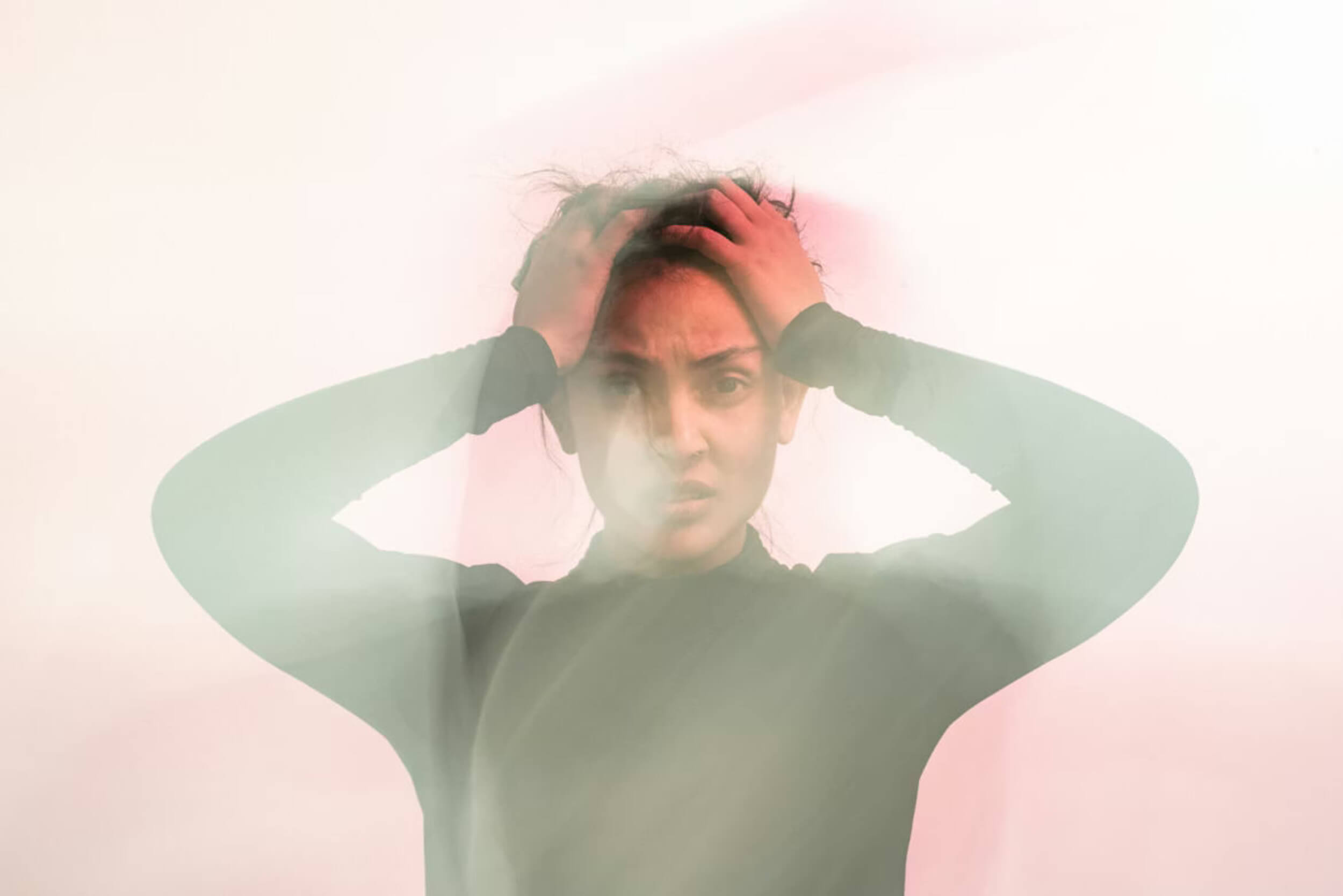
The hardest kind of exhaustion is the one nobody else can see.

People often think anxiety is “just stress” or simply worrying too much. But for many, it feels far heavier than that. It can leave your body tired, your mind restless, and your emotions stretched thin even after a full night of sleep. That’s part of why anxiety feels so exhausting to deal with every single day.
You may notice your thoughts racing while your body feels weak at the same time. Small problems suddenly feel huge. Simple tasks start taking more energy than they used to. Even during quiet moments, your mind may still feel stuck in alert mode, almost like it’s waiting for something bad to happen.
What makes anxiety difficult is that it does not only affect emotions. It can affect sleep, focus, energy levels, appetite, and even how your body feels physically. And when mental overload keeps building, exhaustion usually follows close behind.
Understanding why this happens can make the experience feel less confusing — and far less lonely.
What Anxiety Does to the Body From Morning to Night
Anxiety does not wait for a “bad moment” to affect the body. For many people, it starts the second they wake up. Before the day even begins, the brain may already feel tense, alert, or worried about what could go wrong next.
When the brain senses fear or pressure, it switches the body into stress mode. This reaction is meant to protect you during danger, but anxiety can trigger it even during normal daily situations. That can lead to symptoms like:
- Tight muscles
- Fast heartbeat
- Shallow breathing
- Sweaty hands
- Feeling restless or on edge
The difficult part is that anxiety does not always turn off quickly. Even during calm moments, the brain may still keep searching for problems, replaying situations, or preparing for the worst. That constant alert feeling quietly drains both mental and physical energy.
This is one reason why anxiety feels so exhausting for many people. The body rarely gets a real chance to fully relax, even when someone looks completely fine on the outside.
And after hours of carrying that invisible tension, emotional exhaustion usually follows close behind.
Why Overthinking Leaves People Emotionally Drained
Anxiety has a way of turning one small thought into a full mental spiral. A simple conversation can get replayed again and again. A small mistake suddenly feels huge. Future problems that have not even happened yet can start feeling real inside the mind.
That is what makes overthinking so exhausting.
For many people, anxious thoughts run quietly in the background all day long. The brain keeps analyzing, predicting, questioning, and preparing for things that may never happen. Even during normal tasks, part of the mind may still be stuck worrying about work, health, relationships, money, or something embarrassing from earlier in the day.
After a while, even small decisions can feel tiring because the brain never fully slows down.
During high-anxiety periods, everyday responsibilities may also start feeling heavier than usual, including:
- Replying to messages
- Making phone calls
- Leaving the house
- Handling schedules
- Making simple choices
This emotional overload can affect focus, patience, motivation, and concentration. It also makes it harder for the mind to rest at night, which is where another major problem often begins.
The Connection Between Anxiety and Poor Sleep
Nighttime is often when anxiety gets louder.
During the day, distractions can keep the mind busy. But once everything becomes quiet, anxious thoughts tend to stand out more. Many people feel physically exhausted at bedtime but mentally wide awake at the same time.
The brain may keep replaying worries, planning for tomorrow, or thinking about situations that feel unfinished. Because of this, anxiety can make it difficult to:
- Fall asleep easily
- Stay asleep through the night
- Feel rested after sleeping
- Fully relax while resting
Even when someone gets enough hours of sleep, their nervous system may still stay tense through the night. That is why many people wake up already feeling tired.
Poor sleep also makes anxiety harder to manage the next day. Lack of rest can affect mood, patience, focus, and emotional control. Small problems may suddenly feel bigger, and stress can feel harder to handle.
This creates a frustrating cycle where anxiety interrupts sleep, and exhaustion makes anxiety feel even stronger the next day.
And for many people, the effects do not stop at mental exhaustion. Anxiety can also start showing up physically in ways that are easy to overlook.
The Physical Symptoms of Anxiety Many People Ignore
Anxiety is often talked about like it only affects thoughts and emotions, but the body feels it too. In fact, many people notice physical symptoms before they even realize anxiety may be the cause.
The body can stay tense for so long that it starts reacting in different ways, including:
- Headaches
- Dizziness
- Body aches
- Tight muscles
- Chest tension
- Stomach discomfort
- Nausea
- Feeling weak or physically heavy
These symptoms can feel confusing, especially when there is no clear physical illness causing them. That confusion is part of why anxiety feels so exhausting for many people dealing with it daily.
A lot of people also blame themselves during these moments. They may think they are lazy, unmotivated, or simply not trying hard enough, when their body is actually struggling with constant mental pressure and overstimulation.
Unlike temporary stress that fades after a situation passes, anxiety often sticks around even during calm moments. The mind stays alert, and the body keeps carrying that tension long after the stressful moment is gone.
The good news is that anxiety-related exhaustion can improve once the nervous system gets healthier ways to slow down and recover.
What Actually Helps Reduce Anxiety Exhaustion
One of the biggest mistakes people make with anxiety is trying to “push through it” without slowing down. But anxiety exhaustion usually does not improve through pressure, nonstop productivity, or forcing yourself to stay busy. Recovery often starts when the nervous system finally gets chances to feel safe and calm again.
That does not always require huge life changes. Small daily habits can help more than people realize, especially when done consistently. Helpful habits may include:
- Taking short quiet breaks during the day
- Practicing slow breathing
- Stretching tense muscles
- Reducing constant noise or screen time
- Stepping away from stressful information for a while
These small moments of calm help the body settle little by little.
Movement also plays a big role. Walking, light exercise, or simply spending time outside can help release built-up stress and improve sleep quality. The goal is not intense workouts — it is helping the body stop carrying so much tension.
Healthy sleep habits matter too. Going to bed around the same time, reducing screen use before sleep, and creating a calmer nighttime routine may help the brain relax more easily.
Real rest is important emotionally as well. Constant scrolling, multitasking, or staying mentally busy all day may keep the brain from fully recharging.
This is part of why anxiety feels so exhausting for many people. The mind rarely gets a true pause — and sometimes support is needed to finally break that cycle.
Why Support Can Make Anxiety Feel More Manageable
Anxiety often feels heavier when everything stays trapped inside your head. Many people try to handle it alone for long periods, especially when they worry about being judged or misunderstood. But carrying constant stress in silence can make emotional exhaustion feel even stronger.
Talking with someone you trust can help relieve some of that pressure. Even simple conversations can make people feel less alone in what they are experiencing. Support does not always remove anxiety instantly, but it can make difficult moments feel more manageable.
Professional help can also make a real difference. Therapy gives people a safe place to understand triggers, manage anxious thought patterns, and build healthier coping habits. Many mental health professionals use proven strategies that help reduce anxiety symptoms and improve daily functioning.
For some people, medical support may also help depending on how severe the symptoms become.
Asking for help is not weakness. It is part of taking care of both mental and physical health. And once people stop fighting anxiety completely alone, things often start feeling a little lighter and more hopeful.
Conclusion
Anxiety is not just something that affects thoughts. It affects the body, emotions, sleep, energy levels, and daily life in ways many people do not fully realize until exhaustion starts building up.
That is part of why anxiety feels so exhausting. The nervous system stays alert for long periods, even during moments that are supposed to feel calm or restful. After carrying that tension day after day, both the mind and body naturally begin to feel drained.
Feeling tired from anxiety does not mean someone is lazy, weak, or failing. It means the body has been working hard to handle constant stress and emotional pressure.
The good news is that things can improve. Small changes, healthier coping habits, proper rest, movement, emotional support, and professional help can slowly reduce the weight anxiety places on daily life.
Sometimes the first real step toward feeling better is simply understanding that the exhaustion is real — and that healing is possible.