


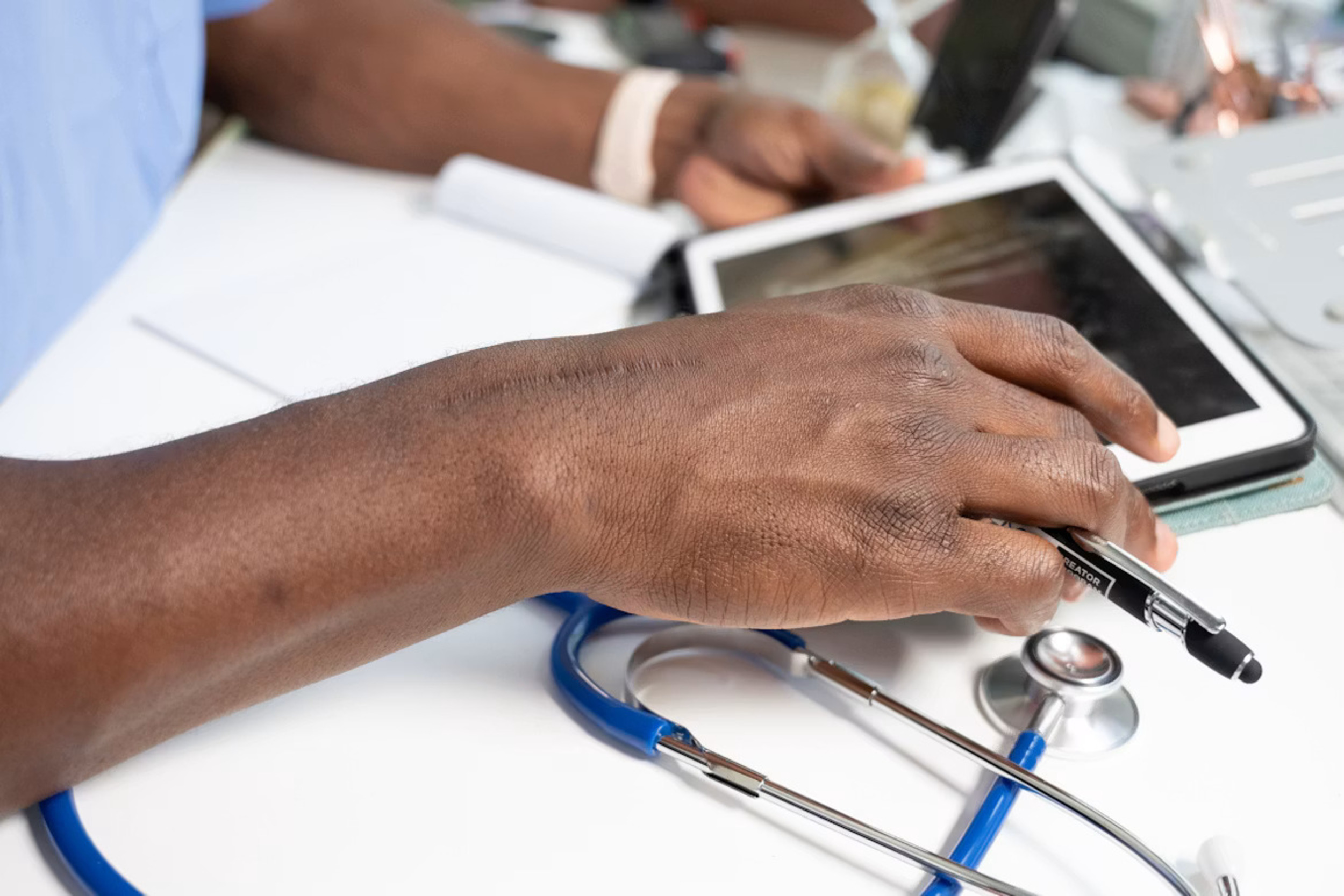

A few years ago, many of today’s medical tools sounded like something from the future.

Science is changing the way people live, heal, and care for their health. What once seemed far away is now becoming part of everyday life. Doctors can use artificial intelligence to study health problems faster. Researchers can look at genes to better understand disease risks. Wearable devices can help people track their heart rate, sleep, and activity from home. Robotics, biotechnology, digital health tools, and advanced materials are also opening new ways to treat patients and support medical teams.
These advances are not only improving hospitals and laboratories. They are also changing how people notice health changes, receive care, and understand their own bodies. While technology cannot replace human care, it can help make healthcare smarter, faster, and more personal.
This article looks at the scientific advances transforming healthcare and technology today, and why they could shape a healthier future for many people.
Artificial Intelligence Is Helping Healthcare Become Smarter
Artificial intelligence, or AI, is one of the biggest changes transforming healthcare today. It helps doctors and medical teams study large amounts of information much faster than a person could do alone. This can include test results, medical records, lab reports, and images such as X-rays, CT scans, and MRIs.
AI can look for patterns that may be easy to miss, especially when there is a lot of information to review. For example, it may help point out signs of disease in a scan or help doctors compare a patient’s symptoms with similar cases. It can also support treatment planning by helping medical teams understand which options may work best.
AI is also helping researchers study new medicines. It can sort through data quickly and help find possible drug ideas faster.
Still, AI works best as a support tool. It does not replace doctors, nurses, or researchers. Human care, experience, and judgment are still at the center of good healthcare.
Genetic Science Is Making Medicine More Personal
Genetic science is helping doctors understand why people may respond to health problems in different ways. Each person’s genes carry information that can affect disease risk, medicine response, and certain inherited conditions. Because of this, genetic testing and genome sequencing are becoming important parts of modern care.
This is one reason genetic science is transforming healthcare. Instead of treating everyone the same way, doctors can sometimes use genetic information to make care more personal. A person’s genes may show if they have a higher risk for certain diseases. This can lead to earlier screening, better planning, and stronger prevention.
Genetic information may also help doctors choose medicines more carefully. Some people process certain drugs differently, and testing can sometimes help reduce trial and error.
This does not mean genes tell the whole story. Lifestyle, environment, age, and medical history still matter. But genetics gives doctors another useful tool to understand the person behind the illness.
Wearable Devices Are Bringing Health Monitoring Into Daily Life
Health tracking is no longer limited to a clinic or hospital. Many people now use smartwatches, fitness trackers, glucose monitors, and other small devices to learn more about their bodies each day. These tools can track things like heart rate, sleep, steps, oxygen levels, movement, and blood sugar.
Wearable devices are transforming healthcare because they help people notice changes sooner. A person may see that their sleep has become poor, their heart rate is higher than usual, or their activity level has dropped. These small signs can encourage them to ask questions and speak with a healthcare provider earlier.
Wearables can also support people with long-term health conditions. For example, remote monitoring can help doctors follow certain health signs without requiring every checkup to happen in person.
These tools are not perfect, and they should not replace medical advice. Still, they can help people become more aware of their health and take action sooner when something feels different.

Robotics Is Improving Precision, Safety, and Patient Support
Robotics is changing how some parts of healthcare are done. In surgery, robotic systems can help doctors make very careful movements. This can be useful during procedures that need steady hands and high accuracy. In some cases, robotic-assisted surgery may help reduce large cuts, support faster healing, and improve control during complex procedures.
Robotics is also transforming healthcare outside the operating room. Some robots help patients with movement and rehabilitation after injury or illness. Others support hospital staff by delivering supplies, cleaning rooms, or helping with repeated tasks. This can reduce strain on healthcare workers and give them more time to focus on patients.
There are also assistive devices that help people walk, stand, or regain strength. These tools can make recovery feel more hopeful and less overwhelming.
Robots do not remove the need for human care. They are tools that support trained professionals. The best results happen when technology and human judgment work together.
Biotechnology Is Creating New Ways to Treat Disease
Biotechnology uses science, cells, and living systems to create better ways to prevent and treat disease. It is behind many important medical advances, including vaccines, targeted treatments, immune-based therapies, and research into repairing damaged tissue.
This field is transforming healthcare because it helps doctors and researchers understand disease at a deeper level. Instead of only treating symptoms, biotechnology can help target the cause of a problem. For example, some treatments are designed to work with the immune system. Others focus on specific changes inside cells.
Regenerative medicine is another promising area. It studies how damaged cells, tissues, or organs may be repaired or replaced. This could become helpful for injuries, burns, organ damage, and certain long-term conditions.
Biotechnology is also important in cancer research and inherited diseases. Many of these treatments still require careful testing, but the progress is giving patients and doctors more reasons to be hopeful about the future of medicine.
Virtual and Augmented Reality Are Changing Medical Training and Care
Virtual reality and augmented reality are helping healthcare become easier to teach, practice, and understand. Virtual reality, or VR, places a person inside a digital setting. Augmented reality, or AR, adds digital information to what a person sees in real life.
These tools are transforming healthcare by giving medical students and professionals safer ways to learn. They can study the human body, practice steps in a procedure, or prepare for difficult situations without putting a patient at risk. This kind of training can build confidence before real-life care begins.
Patients may also benefit from these tools. VR has been used in some care settings to help with pain, stress, anxiety, and physical therapy. It can give patients a guided experience that helps them focus, relax, or take part in recovery exercises.
These tools are not meant to replace doctors or therapists. They are helpful support systems that can make learning and care more clear, calm, and interactive.
3D Printing Is Making Medical Tools More Customizable
3D printing is helping healthcare teams create tools and devices that fit a patient’s needs more closely. Instead of using the same design for everyone, doctors and specialists can use 3D printing to make prosthetics, braces, implants, surgical tools, and learning models based on a person’s body.
This is one way 3D printing is transforming healthcare. A printed model of a bone, heart, or organ can help doctors plan a procedure before surgery begins. It can also help patients understand their condition more clearly because they can see a simple model instead of only hearing a medical explanation.
3D printing may also help make some prosthetics and medical devices more affordable. This can be especially helpful for children, people recovering from injuries, or patients who need a custom fit.
Nanotechnology Could Make Future Treatments More Targeted
Nanotechnology works with materials so small that they cannot be seen with the human eye. In healthcare, this tiny science may lead to big changes. Researchers are studying how it can help deliver medicine more directly to the part of the body that needs it.
This is why nanotechnology is transforming healthcare. Its main promise is more targeted treatment. For example, instead of medicine affecting many parts of the body, tiny delivery systems may help carry treatment closer to damaged cells or disease areas. This could one day help reduce unwanted effects on healthy tissue.
Nanotechnology may also support early disease testing, smart wound patches, stronger medical materials, and improved devices. Many uses are still being studied, so progress must be careful. Still, its future looks promising because it may help make care more precise.
Scientific Progress Also Requires Responsible Use
New healthcare technology can help many people, but it also comes with serious responsibilities. When tools collect health data, patients need to know that their private information is protected. When new treatments or devices are created, they must be tested carefully before they are widely used.
Responsible use is an important part of transforming healthcare. Progress should not only be fast. It should also be safe, fair, and helpful for real people. This means thinking about cost, access, patient safety, and whether different communities can benefit from the same advances.
Healthcare works best when technology supports people instead of replacing the human side of care. Doctors, nurses, researchers, and patients still need trust, clear communication, and compassion. Science should make care better, but it should never make it feel less human.
Conclusion
Artificial intelligence, genetic science, wearable devices, robotics, biotechnology, virtual reality, 3D printing, and nanotechnology are all changing what healthcare can do. These advances are helping care become more personal, connected, precise, and proactive.
The most exciting part is not just the technology itself. It is what these tools can do for people. They may help doctors find problems earlier, support better treatment choices, and give patients more ways to understand their health.
The future of transforming healthcare will depend on more than new inventions. It will also depend on using them wisely, safely, and fairly. When science and human care work together, healthcare can become more helpful for everyone.