

What if the biggest reason you have not started trying beginner exercises for people who hate the gym is not laziness, but simply the way fitness is usually presented?
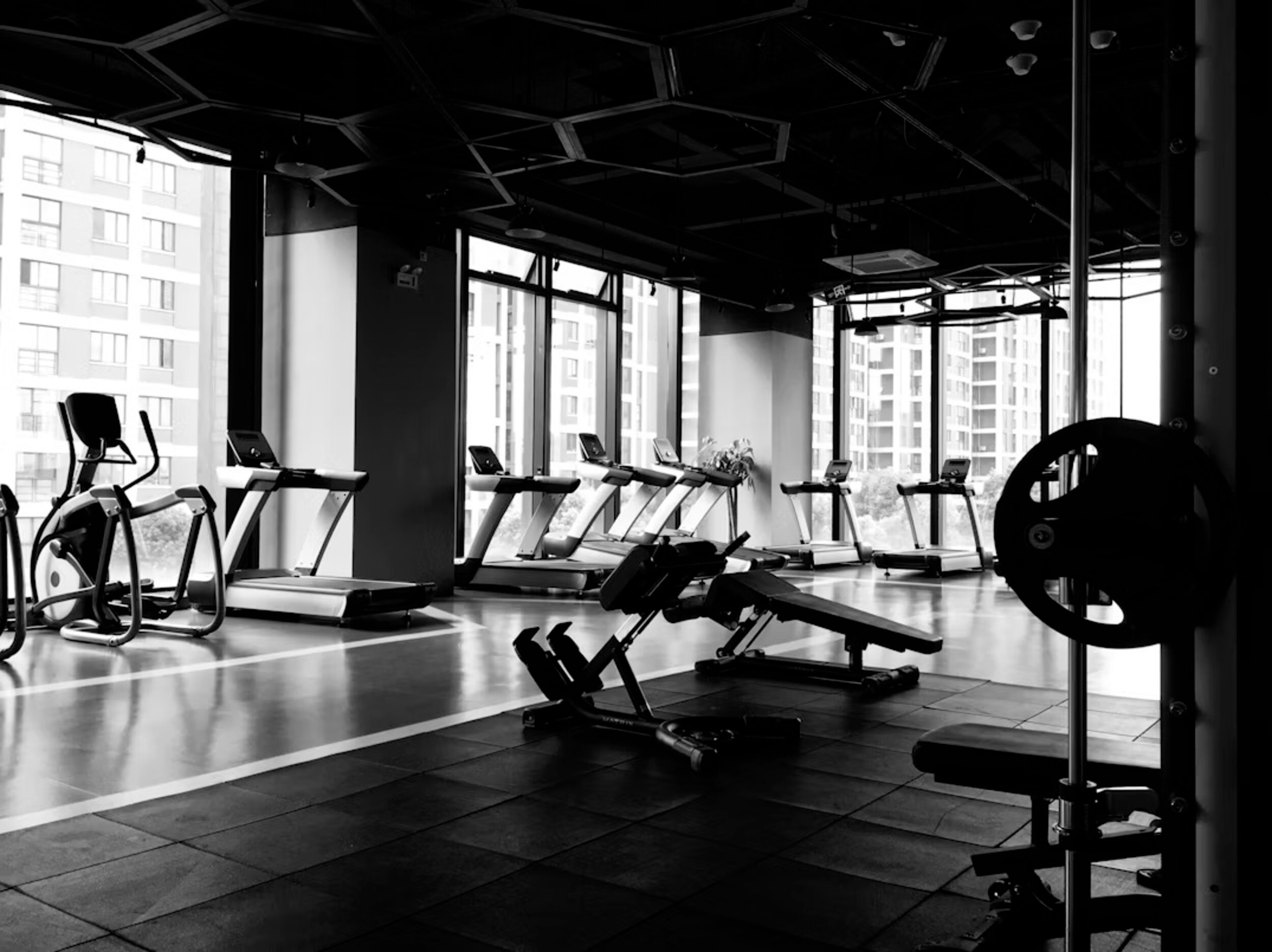
A lot of people do not enjoy gyms, and that is completely normal. Some find them crowded and intimidating. Others feel uncomfortable around experienced gym-goers or simply do not like waiting for equipment. Membership costs, travel time, and repetitive workout routines can also make the idea of exercising feel more like a chore than something positive.
The good news is that getting active does not require a gym membership. In fact, many beginner exercises for people who dislike traditional workouts can be done right at home, in a backyard, at a local park, or even in a small living room. What matters most is finding movement that feels manageable and fits naturally into everyday life.
For many beginners, simple exercises often work better than complicated fitness plans. Basic movements can help build strength, improve mobility, increase endurance, and boost confidence without requiring machines, heavy weights, or advanced skills. Starting small also gives the body time to adapt while making exercise feel less overwhelming.
That may be why some people succeed with simple routines while others give up after joining a gym. Before looking at the best beginner exercises for people who hate the gym, it helps to understand why so many traditional fitness approaches fail beginners before they even get started.
Simple Bodyweight Movements That Build Strength Without Feeling Like a Workout
One of the biggest reasons people avoid exercise is because they think they need a gym full of equipment to get results. In reality, some of the most effective beginner exercises use nothing more than your own body weight.
Bodyweight movements are great because they can be done almost anywhere. They also allow beginners to move at their own pace without worrying about machines, weights, or complicated workout programs. Many of these exercises are based on movements your body already performs every day, making them feel much less intimidating.
If you’re looking for beginner exercises for people who dislike traditional workouts, these simple movements are often a great place to start:
- Chair Squats – Sitting down and standing up may sound too simple to count as exercise, but it works the muscles in your legs, hips, and glutes. Using a chair provides extra confidence while helping you practice a movement you use every day.
- Wall Pushups – Traditional pushups can feel challenging for beginners. Wall pushups reduce the difficulty while still strengthening the chest, shoulders, and arms. They are an excellent stepping stone toward more advanced variations later on.
- Glute Bridges – This beginner-friendly exercise targets the hips, glutes, and core. It can be especially helpful for people who spend long hours sitting throughout the day and want to improve lower-body strength.
- Bird Dog Exercise – This movement improves balance, coordination, and stability. While it looks simple, it teaches better body control and helps strengthen muscles that support posture and everyday movement.
The best part about these exercises is that they do not require perfect fitness to get started. Even a few repetitions can help build confidence and create a sense of progress.
Not every effective workout needs to feel like a workout, though. Some forms of movement are even simpler and can fit naturally into your daily routine.
Walking May Be the Most Underrated Exercise for Beginners
When people think about getting fit, walking is often overlooked. It may not look as impressive as a gym workout, but it remains one of the easiest and most effective ways to become more active.
Walking supports heart health, helps improve stamina, boosts mood, and can increase daily energy levels. It also requires almost no preparation. You can walk around your neighborhood, during a lunch break, while talking on the phone, or while listening to your favorite podcast.
For many people, walking feels less intimidating because it does not feel like formal exercise. There is no pressure to keep up with anyone else or follow a strict workout plan.
A few reasons walking works so well for beginners include:
- It is easy on the joints compared to many higher-impact activities.
- It can be adjusted to match different fitness levels.
- It does not require equipment or a gym membership.
- It can fit into almost any schedule.
One reason walking becomes a lasting habit is that the goals can stay simple. A ten-minute walk often feels much more manageable than committing to a one-hour workout. Those small wins add up over time and make consistency easier to maintain.
As helpful as walking can be, movement often feels even better when the body becomes less stiff and more mobile.
Gentle Mobility Exercises Can Help the Body Feel Better Before It Gets Stronger
Many beginners assume exercise should start with strength or cardio training. Sometimes the better starting point is simply helping the body move more comfortably.
Long hours of sitting can leave muscles feeling tight and joints feeling stiff. When movement feels uncomfortable, staying active becomes much harder. Mobility exercises help address that problem by encouraging the body to move through a comfortable range of motion.
A few beginner-friendly mobility exercises include:
- Standing Arm Circles and Shoulder Rolls – These simple movements help loosen tension in the shoulders, neck, and upper back. They are especially helpful for people who spend most of the day working at a desk.
- Hip Openers and Leg Swings – Gentle hip movements can improve flexibility and make everyday activities like walking, climbing stairs, and bending down feel easier.
- Cat-Cow Stretch – This popular beginner stretch helps improve spinal mobility while encouraging body awareness and controlled breathing.
Mobility exercises may not leave you sweating, but they can make a noticeable difference in how your body feels throughout the day. Many people find that once stiffness decreases, other forms of exercise become much easier and more enjoyable.
That naturally leads to another category of beginner-friendly movement that combines physical activity with relaxation and stress relief.
Mind-Body Exercises Appeal to People Who Dislike Traditional Fitness
For some people, the problem is not exercise itself. The problem is the way exercise is often presented.
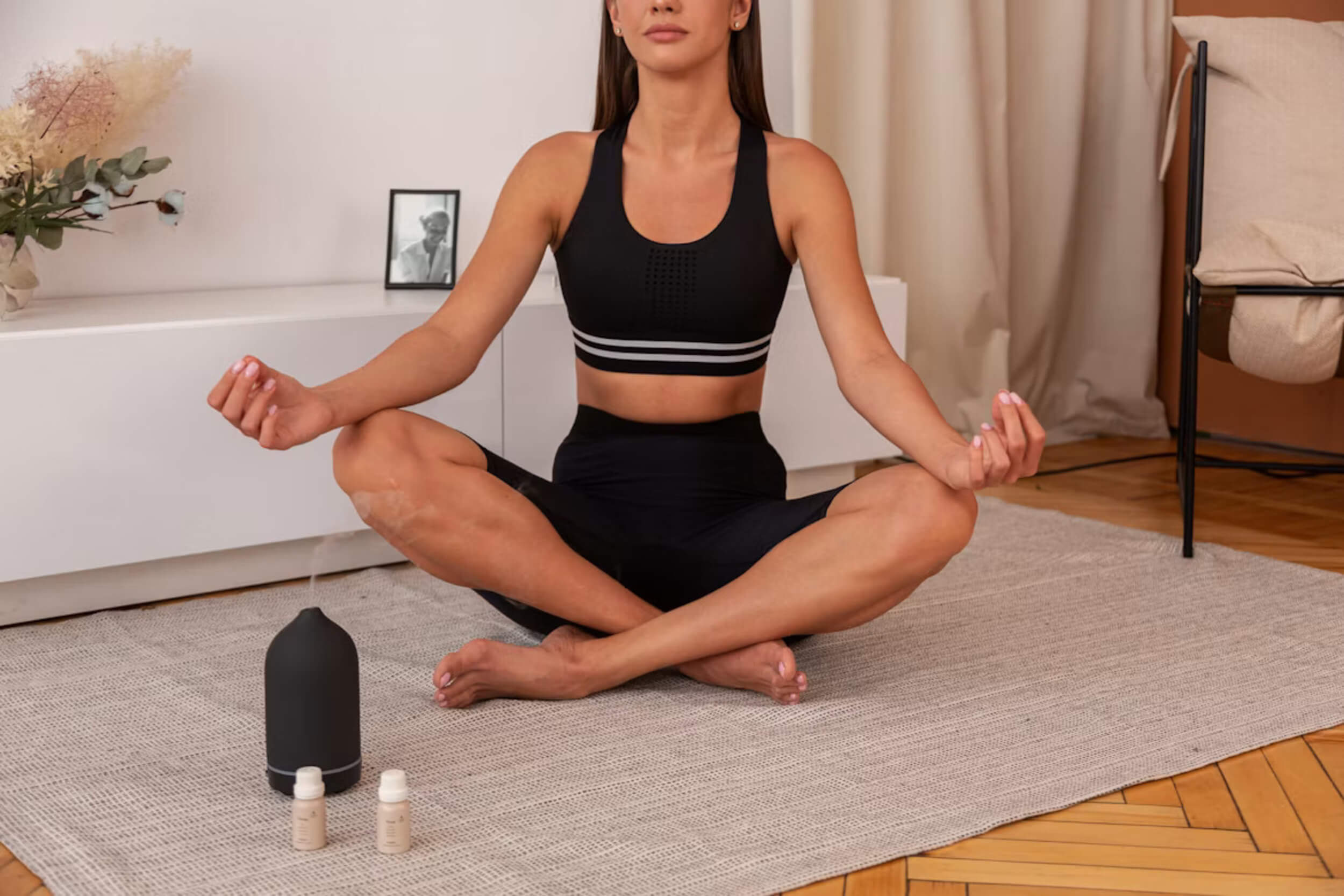
Not everyone enjoys pushing through intense workouts, competing with others, or spending time in a crowded gym. For many people, those experiences can make fitness feel stressful rather than enjoyable. That is one reason mind-body activities have become increasingly popular over the years.
Unlike many traditional workouts, these activities focus on how movement feels rather than how hard you can push yourself. They combine physical activity with concentration, breathing, and relaxation, creating a different experience that many beginners find more welcoming.
If you’re looking for beginner exercises for people who want a gentler approach to fitness, mind-body activities can be a great option.
Some beginner-friendly choices include:
- Beginner Yoga Flows – Yoga helps improve flexibility, balance, mobility, and body awareness through a series of controlled movements and poses. One of its biggest advantages is that people can move at their own pace without feeling pressured to keep up with anyone else.
- Tai Chi and Slow Movement Practice – Often described as moving meditation, Tai Chi uses slow, deliberate movements that challenge balance and coordination while remaining easy on the joints. It can be especially appealing for people who prefer calm, low-impact activities.
- Stretch-Based Movement Sessions – A dedicated stretching session may not look like a traditional workout, but it still encourages movement and body awareness. Many beginners find stretching enjoyable because it feels relaxing rather than demanding.
The goal is not to find the “perfect” exercise. The goal is to find movement you can see yourself doing consistently. Once you discover activities that feel comfortable and enjoyable, creating a routine becomes much easier.
Building an Exercise Habit Matters More Than Building the Perfect Workout Plan
Many beginners spend weeks looking for the perfect workout plan and never actually start moving.
It is easy to fall into the trap of comparing programs, watching fitness videos, and searching for the fastest way to get results. While having a plan can be helpful, it is often less important than simply becoming more active on a regular basis.
The people who successfully build fitness habits are usually not the ones with the most complicated routines. They are the ones who find activities they can realistically continue doing week after week.
That is why consistency matters so much. A simple routine performed regularly often produces better long-term results than constantly switching between different programs and starting over every few weeks.
For many people, a balanced beginner routine can be surprisingly simple:
- Walking for daily movement
- Bodyweight exercises for strength
- Mobility work for flexibility and comfort
- Mind-body activities for relaxation and balance
The best routine is also flexible. Some days you may have more energy than others. Some weeks may be busier than expected. Giving yourself room to adjust while staying active helps make exercise feel sustainable rather than restrictive.
Conclusion: Fitness Can Start Anywhere, Not Just Inside a Gym
A common misconception is that getting fit requires expensive memberships, advanced equipment, or intense training sessions. In reality, many people build healthier lifestyles without ever stepping inside a gym.
Simple activities often provide a strong foundation for long-term success. Walking can improve daily activity levels, bodyweight exercises can help build strength, mobility work can make movement feel more comfortable, and mind-body practices can support both physical and mental well-being.
The most important thing is not how advanced your workout looks. It is whether you can keep showing up and doing it consistently.
Small actions repeated over time often lead to meaningful changes. A short walk, a few simple exercises, or a quick stretching session may not seem life-changing in the moment, but those habits can add up in powerful ways.
Instead of chasing complicated fitness routines that feel impossible to maintain, focus on movement that fits your life. The best exercise routine is usually not the hardest one. It is the one you can realistically stick with long enough to enjoy the benefits.