


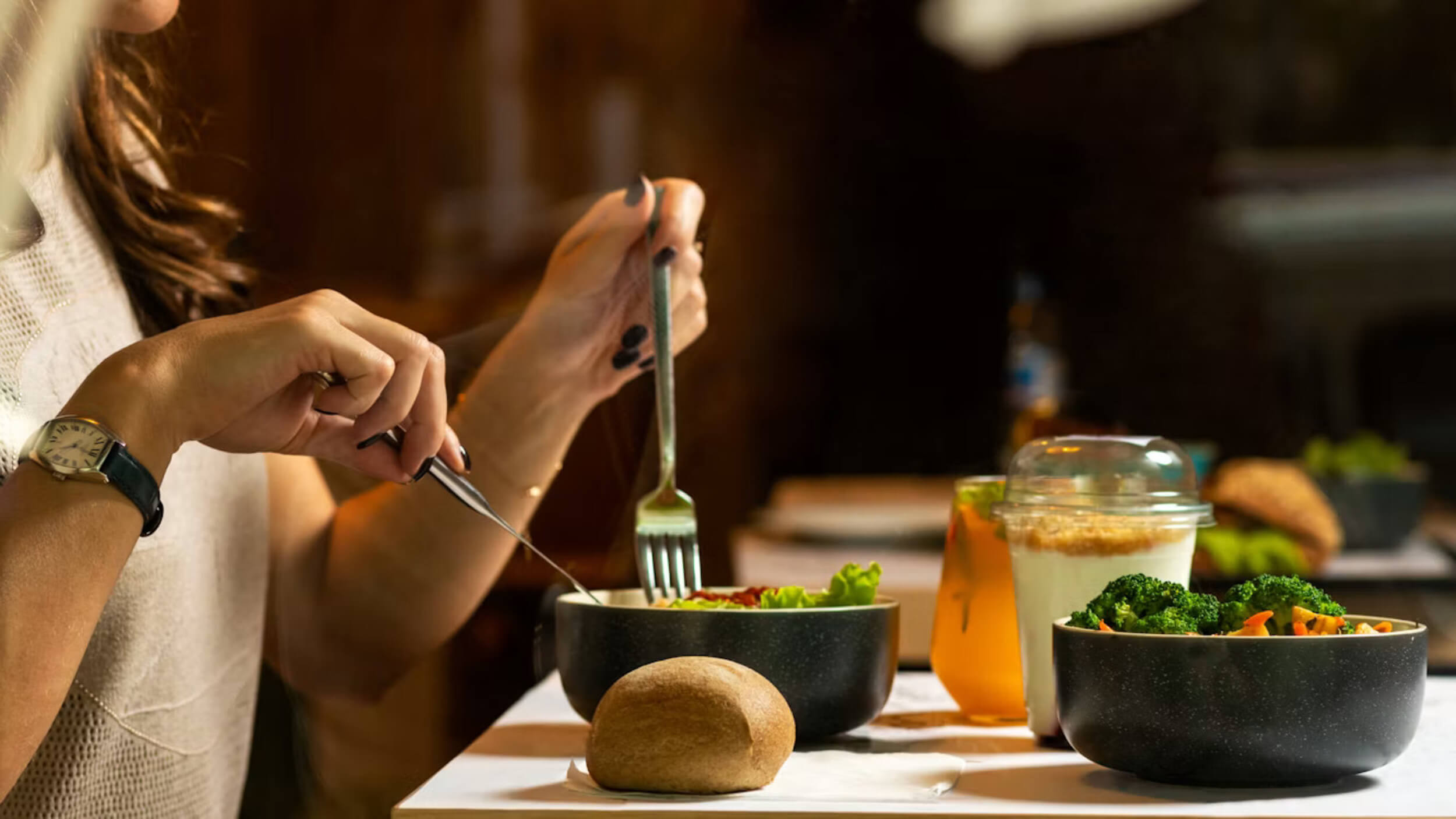

What Does Healthy Ageing Mean?

Could the food on your plate help you keep doing the things you love?
Healthy ageing means looking after your health so you can stay involved in daily life as you get older. That might mean cooking your own meals, walking to the shops, or playing with your grandchildren.
Food gives your body the fuel and nutrients it needs to move, repair itself, and carry out everyday tasks. Choosing foods that support healthy ageing is a practical way to care for yourself, but no ingredient can stop ageing or promise extra years.
Eating well also works alongside regular movement, enough sleep, time with people you care about, and healthcare suited to your needs.
You do not need expensive products or a strict diet to begin. Familiar foods from your usual shop can fit into meals you already enjoy, making healthy eating feel manageable rather than another chore.
What Makes an Eating Pattern Support Healthy Ageing?
Healthy eating is about how your meals fit together across the day. Choosing foods that support healthy ageing means giving your body enough nourishment while keeping meals enjoyable and suited to your needs. Two things matter here: variety in what you eat and enough food to support your daily life.
Variety Across Food Groups
A healthy eating pattern leaves room for different tastes, colours, and textures. Vegetables, fruit, whole grains, protein foods, and dairy or suitable fortified alternatives each bring something useful to the table. Eating across these groups helps your body get a wider range of nutrients than relying on the same few foods.
There is variety within each group, too. Changing what you choose keeps meals interesting and broadens what they offer. When choosing foods that support healthy ageing, think about your meals across the day. Every plate does not need to include everything, and an occasional less balanced meal is fine.
Enough Nourishment for Changing Needs
Your appetite may change as you get older, and you might need a different amount of food than you once did. That does not mean everyone should eat less or aim to lose weight. Your activity, health, appetite, and personal circumstances all matter.
You may hear the phrase “nutrient dense”. It simply means a food provides plenty of useful nutrients in the amount you eat. This can be helpful when smaller meals feel more comfortable. The goal is to get enough nourishment, rather than follow someone else’s portion sizes. Eating enough remains important even when you usually feel less hungry.
Everyday Foods That Can Contribute to Healthy Ageing
The foods that support healthy ageing work together, with each bringing something different to your meals. Below, each food has one contribution worth knowing about, though its value goes beyond that single point. You will also find a simple serving idea to help turn that information into something you enjoy.
Oats
A bowl of plain porridge offers more than a warm start to the morning. Oats contain soluble fibre, including a type called beta glucan, which can help lower LDL cholesterol as part of a suitable eating pattern. LDL is often called “bad” cholesterol because high levels can contribute to fatty build up in arteries. Cook oats until creamy for an easy, comforting breakfast you enjoy.
Leafy Green Vegetables
Spinach, kale, and other leafy greens provide folate, a B vitamin your body needs to make new cells. It helps cells divide and supports the production of their genetic material, which carries instructions for how they work. These are normal processes throughout life. Stir cooked greens into a favourite soup, allowing the leaves to gently soften and blend with the flavours already in your bowl.
Berries
The deep colours of berries come partly from natural plant compounds called anthocyanins. These give many berries their red, blue, or purple shades and are being studied for their possible health benefits. They are one reason berries make a useful addition to varied meals, rather than a treatment for illness. Serve a handful with breakfast for a bright, juicy contrast to your usual morning food.
Citrus Fruit
An orange or mandarin brings vitamin C to your day. Your body uses this vitamin to make collagen, a protein that helps give skin and other tissues their structure. It also supports normal wound healing. That makes citrus useful for everyday body maintenance, without promises about younger looking skin. Enjoy a whole orange as a snack, peeling it into segments for a refreshing afternoon break.
Beans and Lentils
Beans and lentils provide fibre, which helps keep bowel movements regular. Fibre adds bulk to stools, making them easier to pass. If these foods are new to your meals, increase them gradually so your stomach has time to adjust. A lentil soup is a simple serving option. Its mild flavour works with familiar seasonings, offering a welcome change when your meals start to feel repetitive.

Eggs
Eggs offer protein, which your body uses to maintain and repair muscle. Getting enough protein matters as you age, especially when a smaller appetite makes meals less appealing. An egg dish can be useful on days when cooking feels like too much effort. Try a vegetable omelette, cooked until firm throughout. It offers a straightforward meal without needing a long recipe or complicated preparation steps.
Oily Fish
Sardines, salmon, and mackerel contain omega 3 fats called EPA and DHA. These fats have important roles in the body, including the heart and blood vessels. Eating fish as part of a balanced eating pattern can support heart health. For an easy serving idea, bake a piece of salmon and serve it with vegetables. The meal can be simple while still offering flavour and nourishment.
Plain Yoghurt
Plain yoghurt provides calcium, which helps maintain your bones. Some products also contain added vitamin D, but this varies, so check the label. Spoon yoghurt over chopped fruit for an easy snack. If lactose causes discomfort, a lactose free version may suit you. A soy alternative with added calcium is another option, though its nutrient content may differ from dairy yoghurt, depending on the product.
Nuts and Seeds
Almonds and sunflower seeds provide vitamin E. This vitamin helps protect cells from damage caused by unstable substances called free radicals, which form during normal body processes and through environmental exposure. You do not need to understand the chemistry to include these foods. Sprinkle a small amount of chopped almonds onto a meal for added crunch and a simple way to bring in vitamin E.
Fortified Breakfast Cereals
Some breakfast cereals have added vitamin B12, which supports nerves and helps your body make red blood cells. Check the label, since the amount differs between products. Serve a fortified cereal with milk for breakfast. Some older adults struggle to absorb B12 naturally present in food. A healthcare professional can check whether fortified foods are enough or whether a supplement or other treatment is needed.
Making These Foods Part of Everyday Meals
Putting foods that support healthy ageing on your plate can begin with meals you already know how to make. A few thoughtful changes can fit around your tastes, budget, and the time you have.
Build Around Meals You Already Enjoy
Start with a recipe you enjoy and consider where a different ingredient could fit. You might add vegetables to an omelette and serve it with wholegrain toast. Keep the seasonings you like, especially those that make the dish feel familiar.
Your meals can reflect your culture and the way your household eats. There is no need to replace favourite dishes with recipes that feel unfamiliar or take too long. Choose an adjustment that works on an ordinary day, not just when you have extra time. Preparing food should leave room for pleasure, whether you cook for yourself or share meals.
Keep Shopping Affordable and Practical
Seasonal produce can offer good value, while frozen ingredients let you use only what you need. Canned foods can also be practical cupboard staples. Compare labels for added sugar and sodium, another name for salt, when choosing between similar products.
Before shopping, check what you already have and plan purchases around meals you expect to make. Buying more than you can use is rarely a saving. When cooking, prepare extra portions if it suits you, then cool and freeze them safely for another day. This can cut food waste and give you something ready when you would rather avoid cooking.
What Can Make Healthy Eating Harder With Age?
Eating can become harder for reasons that have little to do with motivation. A smaller appetite or changes in taste may make meals less appealing. Limited mobility can also turn shopping, carrying bags, or standing at the cooker into tiring tasks.
If chewing is uncomfortable, softer preparations may help. However, food that is easy to chew is not automatically safe for someone with swallowing difficulties. Seek prompt medical advice if swallowing is difficult, particularly if you cough or choke during meals. Unexplained weight loss or regularly eating too little also deserves attention.
Medical conditions and medicines can affect appetite and which foods suit you. A registered dietitian or another qualified healthcare professional can help adapt foods that support healthy ageing to your needs. Getting support is a practical step towards making meals safer, easier, and more comfortable. You deserve advice that takes your daily circumstances and preferences seriously, without blame or pressure.
Conclusion
The best next step is one that feels possible in your life today. Perhaps that means making time for a meal you often miss or asking for help with a task that has become difficult. A small adjustment can be a useful starting point, especially when it fits naturally into your usual day.
Choosing foods that support healthy ageing should leave room for your preferences, changing needs, and the occasional change of plan. You do not have to get every decision right to care for yourself. Familiar dishes and favourite flavours can still have a place at your table, and meals do not need to be complicated to be satisfying.
Notice what makes eating easier and more enjoyable, then build from there. That might mean keeping a few simple ingredients ready or sharing a meal with someone whose company you enjoy. Give yourself room to try different approaches without feeling pressured to change everything at once.
Aim for a routine you can comfortably maintain, with enough flexibility to adjust when your days do not go to plan. Your needs may change, and your eating habits can change with them. The goal is to make everyday meals a manageable and enjoyable part of caring for yourself.