


The first sign of dangerous heat may feel like ordinary tiredness, but your body could already be struggling to cool itself.

A heatwave is a period of unusually hot weather that can last through the day and night. Your body handles heat by sweating and sending blood towards your skin. This helps warmth escape. However, high temperatures and humidity can slow this process, causing heat to build up.
Long exposure can lead to dehydration, heat exhaustion, heatstroke, kidney problems, and strain on the heart. Anyone can become ill, but the risk may be greater for children, older adults, outdoor workers, active people, and those with health conditions or limited access to cooling.
Thankfully, simple preparation can make a difference. The best ways to protect your health include knowing your personal risk, changing plans, cooling your home, drinking water, checking on vulnerable people, and acting quickly when warning signs safely appear.
Prepare for High Temperatures Before They Arrive
A little planning can stop a hot day from turning into a health emergency. Early preparation is one of the simplest ways to protect your health because it helps you avoid unsafe heat and act quickly when conditions change.
Check Your Personal Risk
Heat can affect anyone, but certain people need closer care. This includes babies, young children, pregnant people, adults over 65, outdoor workers, athletes, and people who live alone. The risk is also higher for those with heart, lung, or kidney conditions, diabetes, dementia, mental health concerns, limited movement, or a disability.
Age, illness, hard physical activity, and not noticing thirst can make it harder for the body to control its temperature. Housing also matters. Homes that trap heat and limited access to fans or air conditioning may leave people exposed.
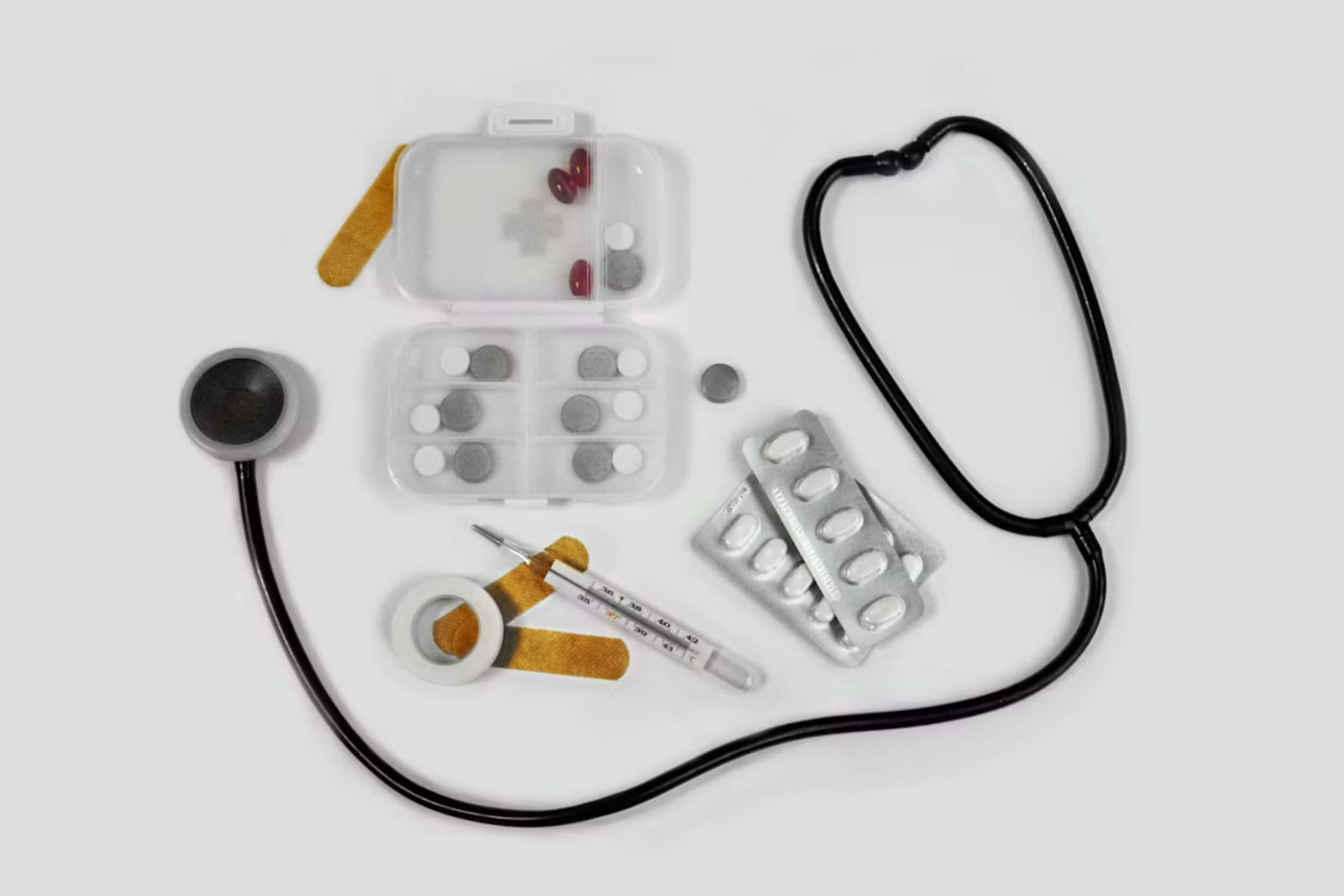
If you have a health condition, ask a doctor whether hot weather may affect your symptoms or daily care. Certain medicines can change how the body sweats, holds water, moves blood, or handles heat. Never skip, reduce, or stop prescribed medicine without professional advice. Check its storage label, since excessive heat can damage certain medicines and medical supplies.
Follow Forecasts and Make a Heat Plan
Before temperatures rise:
- Check official heat alerts, humidity, and expected daytime and night temperatures.
- Choose a nearby cool place, such as a library, community centre, shopping centre, or trusted person’s home.
- Keep emergency contacts where they are easy to find.
- Prepare water, light clothing, cool cloths, and other simple cooling supplies.
Hot nights deserve attention because they give your body and home less time to cool down.
Reduce Heat Exposure Throughout the Day
The hottest hours can put extra pressure on your body, even when you feel fine at first. Limiting time in direct heat reduces the work your body must do to stay cool. It is one of the most practical ways to protect your health during a heatwave.
Plan errands, exercise, gardening, and demanding work for the cooler morning or evening hours. Postpone strenuous tasks when an official heat warning is active. If you work outside, take regular breaks in shade or an air conditioned place. Move at a slower pace, since your usual level of activity may not be safe in extreme heat.
Stop what you are doing if you develop weakness, dizziness, nausea, a headache, or unusual tiredness. Move somewhere cooler and rest instead of trying to finish the task.
When you need to go outside:
- Stay in the shade whenever possible.
- Wear loose, light, breathable clothes in pale colours.
- Use a wide brimmed hat and sunglasses.
- Apply broad spectrum sunscreen to exposed skin.
- Carry drinking water and note where you can find shade or air conditioning.
Sunscreen helps protect your skin from harmful ultraviolet rays, but it does not stop your body from overheating. Clothing, shade, breaks, and cooler timing still matter.
Plan travel carefully when delays could leave you waiting outside. Never leave a child, vulnerable adult, or animal inside a parked vehicle, even for a short time or with a window partly open. The temperature inside can rise very quickly and become deadly.
Swimming may seem like an easy way to cool down, but never swim alone. Heat related dizziness or weakness can make drowning more likely. Choose activities based on the current weather instead of following your usual routine. Changing plans is not an inconvenience when it keeps everyone safe.

Keep Your Home and Body at a Safer Temperature
Keeping your surroundings and skin cool gives your body a break during hot weather. These ways to protect your health can lower indoor heat and help you stay comfortable without a complicated routine.
Prevent Heat From Building Up Indoors
Start by stopping as much heat as possible from entering your home.
- Close curtains, blinds, or shutters on windows receiving direct sunlight.
- Keep windows closed when the air outside is hotter than the air indoors.
- Switch off lights and electrical devices you are not using, since they release heat.
- Prepare simple meals that require little or no oven use.
- Spend more time in the coolest room, such as a lower room or one away from afternoon sunlight.
Open windows after dark or early in the morning only when the air outside is cooler. A safely positioned fan can help move cooler air around, but a fan alone may not be enough during extreme heat. If you have air conditioning, focus on cooling the room you are using instead of empty spaces. When your home stays dangerously hot, spend part of the day in an air conditioned library, community centre, shopping centre, or another safe public place.
Cool Your Body Directly
Simple contact with cool water can bring welcome relief.
- Take a cool shower or bath.
- Place a cool, damp cloth on your skin or use a water spray.
- Wear light clothing and choose breathable sheets.
- Sleep in the coolest safe part of your home.
- Rest instead of moving around unnecessarily, since activity produces more body heat.
If someone appears seriously ill from heat, call emergency services and begin cooling them while help is coming. Avoid placing ice directly on their skin or using extreme cold unless a medical professional tells you to do so.
Stay Hydrated, Support Others, and Recognise Illness
Drinking enough water and checking on people who need extra care can stop a mild heat problem from becoming dangerous. These ways to protect your health work best when you act before strong thirst or serious symptoms appear.
Maintain Healthy Hydration
Sweating helps cool the body, but it also causes fluid loss. Drink water throughout the day instead of waiting until you feel very thirsty. Keep it where you can easily reach it at home, at work, and while travelling. You may need more during exercise or manual work because you are likely to sweat more.
Limit alcohol because it can contribute to dehydration and make it harder to judge how unwell you feel. Very sugary or highly caffeinated drinks should not be your main source of fluid. If a doctor has told you to limit fluids because of a heart, kidney, or other health condition, ask how much you should drink during hot weather.
Watch for Signs That Someone Needs Help
Check on babies, older relatives, neighbours, people with disabilities, and anyone living alone. Make sure they have:
- Drinking water
- Light, comfortable clothing
- A cool place to rest
- A way to call for help
Help them reach a cooler place before symptoms begin. Never cover a pram or stroller with thick or dry fabric, as it can trap heat and block airflow.
Heavy sweating, headache, dizziness, weakness, nausea, muscle cramps, strong thirst, and cool or clammy skin may point to heat exhaustion. Move the person somewhere cooler, remove extra clothing, cool their skin, and offer small sips of water if they are fully awake and can swallow. Seek medical care if they do not improve quickly or have a serious health condition.
Confusion, fainting, seizures, poor coordination, very hot skin, or an extremely high body temperature may signal heatstroke. Call emergency services immediately and cool the person while waiting. Do not give fluids if they are unconscious, confused, vomiting, or unable to swallow safely.
Conclusion
Heat safety works best when it becomes part of your routine before hot weather begins. Checking warnings gives you time to change plans, prepare water, and find a cooler place.
The useful ways to protect your health address different risks. Reduce hard physical activity, avoid unnecessary outdoor exposure, keep your home cooler, and drink water regularly. Create a plan that fits your health, duties, home, and access to air conditioning or a public space.
Talk about the plan with family members, carers, neighbours, or colleagues before a heatwave arrives. Decide who may need a check in, who can provide help, and where everyone can go if the heat becomes unsafe. Supporting a vulnerable person can be just as important as protecting yourself.
Take early signs of heat exhaustion seriously and start cooling the person straight away. Confusion, fainting, seizures, or loss of consciousness during extreme heat are medical emergencies. Call emergency services rather than waiting for the person to recover.