

Why does your body sometimes feel worn out even when you have not done anything strenuous?

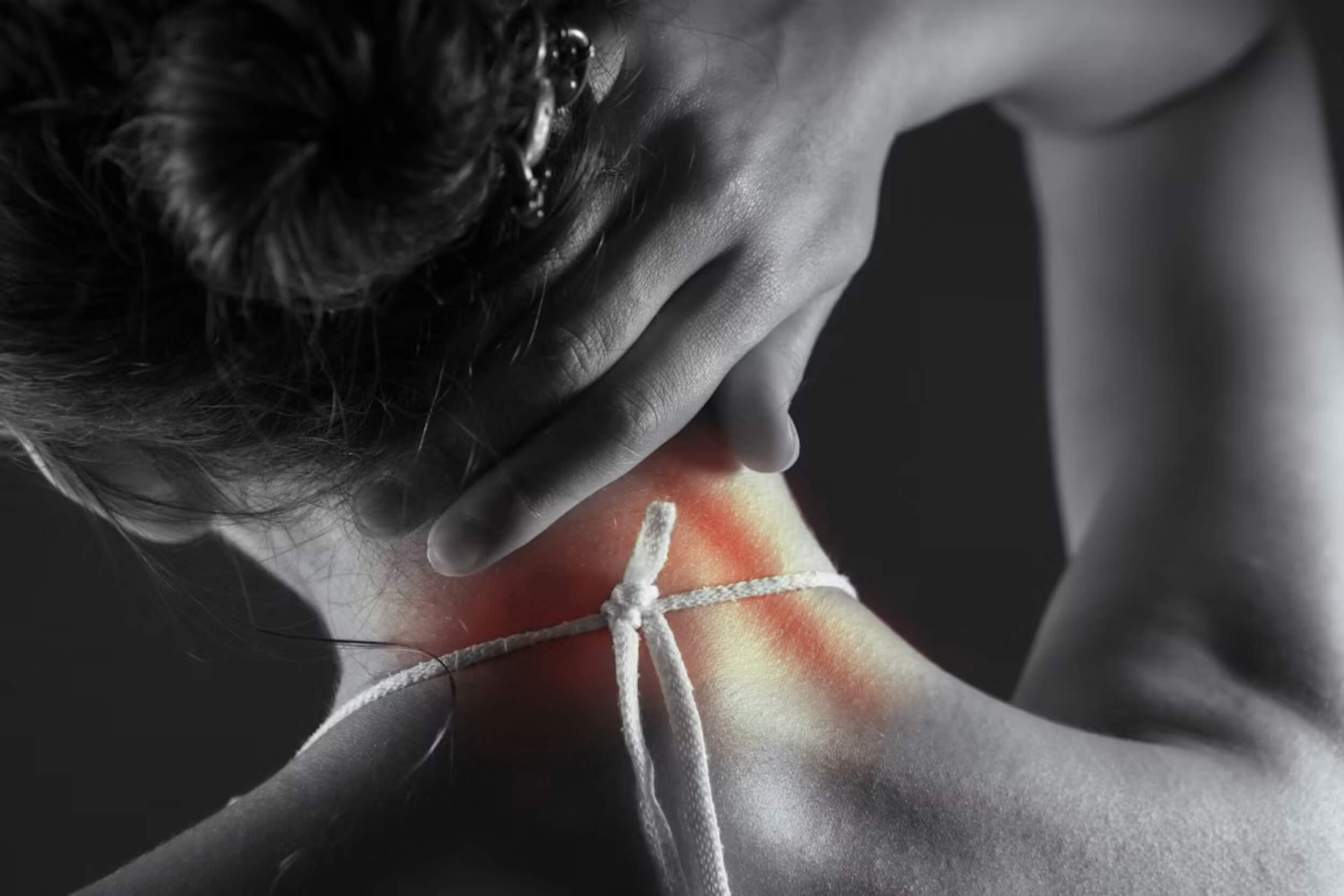
Your shoulders may creep towards your ears during a stressful afternoon. After hours at a desk, your lower back may begin to ache. By bedtime, you might notice that you have been clenching your jaw. These are common ways muscle tension can quietly become part of the day.
Sitting too long, repeating the same movements, trying a new exercise, feeling stressed, not drinking enough water, sleeping awkwardly, or getting too little rest may all contribute. The discomfort can feel like stiffness, tenderness, cramping, aching, or difficulty moving normally. It does not always come from a clear injury. Small physical and emotional demands can build when your body gets few chances to move and relax.
Simple daily habits may support comfort and recovery. The sections ahead explain helpful patterns, movement, strain reduction, recovery, and when professional care matters.
Understand What May Be Causing the Tension
Your body may offer useful clues about what is making it feel tight. Pay attention to when the discomfort begins and what you were doing beforehand. Desk work, driving, exercise, lifting, cleaning, phone use, carrying a child, and emotional pressure can all play a part in muscle tension.
The location may also point to a possible cause. A stiff neck might follow hours of looking at a screen, while tight calves may appear after a longer walk than usual. If the discomfort keeps returning, write down:
- Where you felt it
- What you were doing beforehand
- How long it lasted
- What made it better or worse
A short record can help you notice patterns and make useful changes. However, you do not need to monitor every small sensation or assume that it means something serious.
Recognise Tension That May Need Attention
Ordinary tightness may feel uncomfortable, but you can usually still move the area slowly and with control. Sharp, severe, or quickly worsening pain is different and should not be pushed through.
Swelling, bruising, sudden weakness, or pain after a fall or accident may point to an injury that needs medical assessment. Medicines and certain health conditions can also cause tight or painful muscles. Use what you notice to adjust your routine, not to diagnose yourself. Seek professional advice if the cause remains unclear or the problem continues.
Add More Comfortable Movement to the Day
Regular movement does not need to involve a hard workout. Small changes throughout the day can prevent your body from staying in one position for too long and may help ease muscle tension.
Break Up Long Periods of Sitting or Standing
Holding the same position makes certain muscles work continuously while others remain inactive. Instead of trying to maintain “perfect” posture, change your position often.
Connect movement breaks to activities already in your routine. Stand after a phone call, walk around while waiting for coffee, or move between work tasks. You can also try:
- Rolling your shoulders slowly
- Making gentle circles with your ankles
- Turning your upper body from side to side
- Opening and closing your hands
- Walking around the room for a few minutes
Short, regular breaks are often easier to maintain than expecting one workout to make up for an inactive day.
Stretch Gently and With a Purpose
Choose stretches that match what your body has been doing. Open your chest after computer work, move your hips after sitting, or stretch your calves after standing.
A stretch should create a mild pulling feeling, not sharp pain. Move slowly, breathe normally, and never bounce or force a joint farther than it wants to go. Stretching may not be suitable immediately after a new injury, especially when swelling or severe pain is present.
Prepare Your Body for Physical Activity
Warm up gradually before exercise, heavy cleaning, lifting, or demanding physical work. Starting slowly gives your muscles and joints time to adjust.
Increase the length and difficulty of exercise in small steps, especially after an illness, injury, or inactive period. Finish demanding activity with slower, easier movement instead of stopping suddenly.
Speak with a physiotherapist or another qualified healthcare professional if movement repeatedly causes pain. Personal advice may also be helpful if you have osteoporosis, unstable joints, balance difficulties, recent surgery, or another condition that affects safe movement.
Reduce Unnecessary Strain During Work and Everyday Tasks
Small parts of your routine may place more demand on your body than you realise. A screen that sits too low, a bag carried on the same shoulder, or a task that requires repeated twisting may gradually lead to muscle tension.
Make Your Work Area More Comfortable
Place your monitor near eye level so you can look forward without constantly bending your neck. Keep your keyboard and mouse close enough that you do not have to reach or lift your shoulders. If your feet do not rest comfortably on the floor, use a stable footrest.
Adjust your chair so your back feels supported without forcing you into a stiff position. The setup should feel comfortable, but it does not need to hold you in one position all day. Continue taking movement breaks and changing how you sit or stand.
Raise your phone closer to eye level instead of always looking down. Never hold it between your shoulder and ear, as this can place extra strain on the side of your neck.
Change How You Carry and Complete Tasks
Pay attention to repeated habits that make one side of your body work harder. Helpful changes may include:
- Alternating sides when carrying a child
- Dividing shopping between two lighter bags
- Using a backpack to spread the weight
- Keeping objects close when lifting
- Turning your feet instead of twisting while carrying something
Use carts, handles, and other equipment for heavy or awkward items. Ask for help if a load feels unsafe.
Wear comfortable shoes suited to the activity, especially when you will be walking or standing for hours. During cleaning, gardening, crafting, or gaming, change your position and technique occasionally. If pain increases, pause and reconsider the task instead of pushing through it.
Help Muscles Recover Through Hydration, Rest, Warmth, and Calm
Muscles need more than movement to feel and work their best. Water, nourishing food, restful sleep, safe warmth, and time to relax may all support recovery from the demands of the day.
Support Hydration, Nutrition, and Sleep
Drink fluids regularly rather than waiting until you feel extremely thirsty. Your needs may change based on the weather, your activity level, body size, pregnancy, illness, and existing health conditions.
A balanced diet also gives your body the nutrients it needs. Aim to include:
- Vegetables and fruit
- Whole grains
- Protein-rich foods
- Dairy products or suitable alternatives
- Nuts and seeds
No single food can prevent muscle tension. Be careful with magnesium, calcium, electrolyte, and herbal supplements. They can cause side effects, affect medicines, or be unsuitable for certain health conditions. Ask a healthcare professional for advice if you have kidney disease, heart disease, fluid restrictions, or specific nutrition concerns.
Sleep gives the body time to recover from physical and emotional stress. Choose pillows and other support that feel comfortable instead of trying to copy a “perfect” sleeping position. Everyone’s needs are different.
Use Warmth Safely
A warm shower, bath, or covered heating pad may help tight muscles feel more relaxed. Keep the temperature comfortable, limit how long you use heat, and place a protective layer between a heating pad and your skin. Never fall asleep while using an active heating pad.
Take extra care if you have diabetes, reduced feeling, poor circulation, or a skin condition. A recent injury with swelling may need different care, so ask a medical professional if you are unsure whether heat is safe.
Give Stress Somewhere to Go
Stress does not mean your discomfort is imaginary. It can cause you to clench your jaw, raise your shoulders, breathe shallowly, or keep muscles braced without noticing.
Slow breathing, meditation, quiet pauses, and slowly relaxing each muscle group may help your body settle. During a difficult moment, check your jaw, hands, shoulders, and stomach. Let them soften without trying to force the feeling away.
Choose one calming habit that fits easily into your routine. It might be taking slow breaths before a meeting or relaxing your shoulders while sitting in traffic. If anxiety, poor sleep, or emotional distress often affects your physical comfort, consider speaking with a qualified health or mental health professional.
Conclusion
Mild muscle tension linked to daily activity may improve with regular movement, better support, and enough recovery. Begin with one change that feels realistic. Notice whether it makes movement easier or helps you feel more comfortable before adding another habit.
Speak with a healthcare professional if the tightness keeps returning, becomes worse, interrupts your sleep, or stops you from completing normal activities. Seek prompt medical attention for symptoms such as:
- Severe swelling or quickly worsening pain
- Sudden weakness or numbness
- Chest pain or trouble breathing
- Fever with a severe headache or stiff neck
- Loss of bladder or bowel control
New symptoms may also need assessment after an injury or a change in medicine.
The goal is not to maintain perfect posture or prevent every ache. A helpful routine simply gives your body more chances to move, rest, and recover. Paying attention to changes can also help you recognise when everyday care is no longer enough.