


Pain can quietly take over parts of your day. It may disturb your sleep, make simple movements harder, affect your work, or lead you to cancel plans you once enjoyed. When this happens, it is natural to look for more ways to feel better and stay active.

Interest in natural pain relief strategies does not always mean turning away from regular medical care. It may simply mean adding safe, practical support to an existing treatment plan. Still, “natural” does not always mean safe or effective. A method that helps someone with osteoarthritis may not be suitable for nerve pain, migraine, fibromyalgia, or a recent injury.
The right choice depends on the cause of the pain, your health, and the treatments you already use. Natural approaches should support—not replace—proper diagnosis, prescribed medicine, or physical therapy. Here are several options worth discussing with your doctor, along with questions that can help you choose wisely.
Understand Your Pain Before Choosing How to Manage It
Pain does not always tell the same story. Acute pain often begins suddenly after an injury, illness, or operation and usually improves as the body heals. Chronic pain lasts longer than three months and may continue even after the original injury has healed.
Pain is also affected by more than the injured area. Poor sleep, stress, low mood, activity levels, past experiences, and fear of getting hurt again can change how strongly you feel it. This does not mean the pain is “all in your head.” It means the body and brain work together when they process pain.
Before trying natural pain relief strategies, keep a simple record of:
- Where the pain occurs
- Whether it feels sharp, dull, burning, aching, or throbbing
- When it began and how often it returns
- Activities that improve or worsen it
- Its effect on sleep, walking, lifting, work, focus, and family care
These details can help your doctor look for the cause. This step matters because heat, cold, exercise, massage, and supplements are not suitable for every problem.
Arrange a medical assessment if your pain is new, unexplained, worsening, or not going away. Seek urgent help for severe pain after an injury, chest pressure, trouble breathing, sudden weakness or confusion, loss of bladder or bowel control, a sudden severe headache, or pain with fever and serious illness.
Your doctor can help you choose natural pain relief strategies that fit your condition, overall health, current treatment, and daily goals.
Use Movement and Physical Support to Protect Everyday Function
Pain can make rest feel like the safest choice. A short period of rest may help after certain injuries, but staying still for too long can cause stiffness, weakness, and loss of confidence. The aim is not to push through serious pain. It is to find safe ways to keep the body working.
Begin With Gentle, Purposeful Movement
Walking, water exercise, light strength training, and other low-impact activities may support movement and fitness. The right starting point will depend on your condition and present ability.
Ask your doctor or therapist:
- Which movements are safe for me?
- How often should I exercise?
- How slowly should I increase the activity?
- Which symptoms mean I should stop?
Mild soreness can sometimes occur as the body adjusts to rehabilitation. Sharp, spreading, or steadily worsening pain needs attention. Stop the activity and seek advice rather than assuming that more pain means better progress. Movement can be among the most useful natural pain relief strategies, but it should suit the person rather than follow a general routine.
Consider Help From a Physical or Occupational Therapist
A physical therapist can check your strength, balance, posture, flexibility, and movement before creating a personal programme. This support can be especially useful after an injury, surgery, long-term inactivity, or repeated pain flare-ups.
An occupational therapist focuses on making everyday activities safer and easier. They may suggest changes involving:
- Lifting and carrying
- Desk or workstation setup
- Shoes or supportive equipment
- Household and self-care tasks
- Repeated movements at work
Small changes may allow you to keep doing important activities without placing as much strain on painful areas.

Use Heat, Cold, and Hands-On Care Safely
Cold may provide short-term relief from swelling after certain recent injuries. Warmth may loosen tight muscles and reduce stiffness. Protect your skin with a cloth, limit how long you use either method, and avoid extreme temperatures. Ask a clinician first if the area has poor circulation or reduced feeling.
Massage and other hands-on treatments may offer temporary relief for certain muscle and soft-tissue problems. However, massage should not be used over a possible fracture, blood clot, infection, open wound, or badly inflamed area.
Choose a properly trained practitioner and share your diagnosis, symptoms, medicines, and physical limits before treatment. This helps ensure these natural pain relief strategies support your wider care plan without creating avoidable risks.
Address the Nervous System, Stress, and Daily Habits That Shape Pain
Pain can affect the whole day, not only the part of the body that hurts. Stress, poor sleep, fear, and daily habits can make symptoms harder to handle. Addressing these areas does not dismiss the physical cause. Instead, it gives you more ways to support your body and cope with difficult days.
Try Mind–Body Practices That Encourage Calm Movement
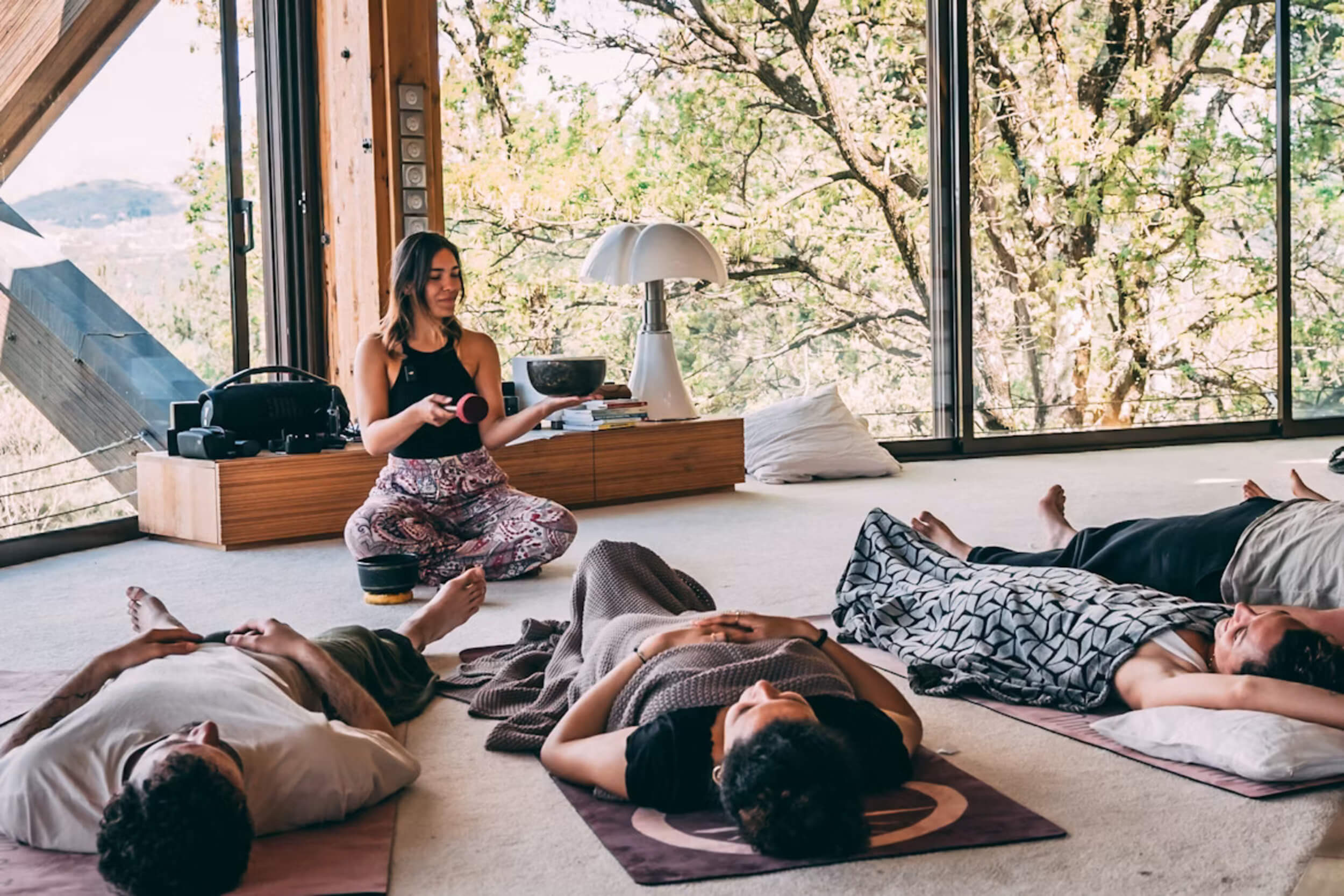
Yoga, tai chi, and qigong combine gentle movement with breathing, balance, and focused attention. For certain chronic pain conditions, these practices may support mobility, relaxation, confidence, and everyday function. However, results differ from person to person.
Beginners should choose a gentle or condition-specific class instead of attempting difficult poses or quick movements. Ask about safer changes if you have unstable joints, weak bones, balance problems, a recent operation, or pregnancy. Among the many natural pain relief strategies available, the safest option is one suited to your abilities.
Build Better Responses to Pain and Stress
Stress can tighten muscles, disturb sleep, and leave you with less energy to manage pain. This does not mean stress caused the pain or that the symptoms are imaginary.
Several calming methods may help settle the body’s stress response:
- Slow, steady breathing
- Progressive muscle relaxation
- Guided imagery
- Meditation
- Mindfulness exercises
Cognitive behavioural therapy, often called CBT, offers more structured support. A trained therapist can help you notice thoughts and habits that increase fear or lead you to avoid activity. You can then build healthier ways to handle frustration, low mood, flare-ups, and changes to daily life.
Support More Restful Sleep
Pain can interrupt sleep, while poor sleep can make the body more sensitive and pain harder to manage. Helpful habits may include keeping a regular sleep schedule, limiting caffeine later in the day, and making the bedroom quiet and comfortable.
Your doctor or therapist may also suggest sleeping positions or pillows that place less pressure on painful areas. Seek medical advice if you have ongoing insomnia, loud snoring, pauses in breathing, restless legs, or unusual daytime drowsiness. Better sleep may support recovery and coping, but it cannot cure every condition.
Consider Acupuncture With Realistic Expectations
Acupuncture has been studied for low-back pain, neck pain, osteoarthritis, and certain headaches. It may help certain people, but the quality of evidence and the level of benefit vary by condition. It should be viewed as a possible addition to care, not a guaranteed solution.
Choose a qualified practitioner who uses sterile, single-use needles and follows proper hygiene. Tell them if you are pregnant or have a bleeding disorder, weakened immune system, implanted medical device, or take blood-thinning medicine.
Be Careful With Food, Herbs, and Supplements
A balanced eating pattern with protein, fibre, healthy fats, and a variety of nourishing foods can support general health. For some people, gradual weight loss may also reduce strain on painful joints. However, no single food can reliably remove chronic pain.
Be cautious with strict “anti-inflammatory” diets, detox plans, and products promising quick or permanent relief. Herbs and supplements can cause side effects or interfere with medicines, anaesthesia, and health conditions. Product ingredients and strength may also vary.
Before taking anything new, show your doctor or pharmacist:
- The exact product name
- The complete ingredient list
- The recommended amount
- How often you plan to take it
- Any medicines or supplements you already use
The best natural pain relief strategies are not based on bold promises. They are chosen carefully, used safely, and reviewed according to how well they support your health and daily life.
Conclusion
A useful appointment begins with clear information. Bring notes about your symptoms, medicines, supplements, diagnoses, previous treatments, and the activities you hope to do more comfortably.
When discussing natural pain relief strategies, ask:
- What may be causing my pain?
- Is this option suitable for my condition?
- Could it affect my medicines or health problems?
- What level of improvement is realistic?
- How long should I try it?
- Which side effects require medical help?
- What qualifications should a practitioner have?
Begin with one or two agreed changes. Trying several methods at once can make it difficult to know what helped or caused a problem. Track more than a pain score. Notice whether you sleep better, move more easily, complete daily tasks, or take part in activities that matter to you.
Do not stop prescribed medicine or change the amount without speaking with your doctor. Natural care should work alongside necessary treatment.
There is rarely one answer that removes every kind of pain. Effective natural pain relief strategies may combine safe movement, physical support, coping skills, healthy routines, and professional care. With realistic goals and regular review, your plan can help you feel more capable and make everyday life easier to manage.