

Your body may be asking for your attention long before you finally stop to listen.

A packed day can leave you moving on autopilot, barely noticing a tight jaw, shallow breathing, racing thoughts, or a change in your mood. Mindfulness helps you pause and notice what is happening right now without judging it or trying to fix it at once. Energy healing includes practices often used to support relaxation, awareness, and a sense of balance.
The link between energy healing and mindfulness is simple: both encourage you to slow down and pay attention to your inner experience. Mindfulness can make a session feel more focused, while the practice gives your mind something to notice. These approaches may support well-being, but they should complement—not replace—medical or mental health care.
Mindfulness Is More Than Sitting Quietly
Mindfulness can happen anywhere, not only when you are sitting with your eyes closed. It simply means choosing to notice what is happening right now. You may become aware of your thoughts, feelings, breathing, body, or the sounds around you.
The aim is not to empty your mind or stay calm every minute. It is to notice an experience before you rush to react. For example, you might recognise that you feel annoyed, take a breath, and then choose your words more carefully. Your attention will still wander. That is normal. Each time you gently bring it back, you are practising mindfulness.
This skill can be used while:
- Eating a meal
- Talking with someone
- Walking or exercising
- Working
- Washing dishes or folding clothes
This flexibility is one reason energy healing and mindfulness may work well together. People who struggle with seated meditation can practise awareness during simple activities. Curiosity also helps. Instead of calling a feeling good or bad, notice it honestly and ask, “What am I experiencing right now?”
Energy Healing Includes Different Traditions and Techniques
Energy healing does not refer to one method with a single set of rules. It is a broad name for several practices, including Reiki, qigong, therapeutic touch, sound healing, breathwork, and certain forms of yoga. Each comes from its own background and may be practised in a different way.
These traditions may speak about qi, prana, chakras, energy balance, or the biofield. People may view these ideas through spiritual beliefs, cultural traditions, personal meaning, or simple symbols that help them think about well-being alone.
Scientific support is not the same for every method, and research does not confirm all claims made about healing energy. This is an important point when discussing energy healing and mindfulness honestly. Still, a quiet setting, caring attention, slow movement, and a break from daily pressure may help a person relax.
It is fine to stay curious while keeping realistic expectations. Warmth, tingling, calm, or an emotional response may be part of someone’s experience, but these feelings do not prove that energy moved or that an illness was treated. Professional healthcare remains important for medical concerns.
Present-Moment Awareness Connects the Two Practices
The link between energy healing and mindfulness is attention. Both encourage you to slow down and notice what is happening in your body and mind instead of pushing the experience aside.
During a session, you may notice:
- Warmth or coolness
- Tingling or pressure
- Heavy or relaxed limbs
- Changes in breathing
- Muscle tension
- A shift in your emotions
Mindfulness helps you observe these reactions without rushing to decide what they mean. A warm hand may simply feel warm. A deep breath may show that you are settling. You do not need to label every sensation as good, bad, spiritual, or important.
Experiences differ from person to person. Someone may feel peaceful, while someone else feels restless, bored, distracted, or nothing unusual. None of these responses shows whether the time was useful.
The main skill is honest awareness. Rather than chasing a dramatic feeling, you stay with what is happening. This can prevent disappointment and make the practice feel more grounded. There is no special response you need to produce. Paying attention without forcing an outcome allows you to understand your experience as it is, not as you think it should be.

Body Awareness Can Reveal Signs of Stress Earlier
Stress does not always announce itself. It may first appear as tight shoulders, a clenched jaw, shallow breathing, a headache, an unsettled stomach, or restlessness. Busy days can make these signs easy to miss.
Energy healing and mindfulness may create a quiet pause in which these physical changes are easier to recognise. Stillness, steady breathing, gentle touch, or slow movement can bring your attention back to areas that feel tense or uncomfortable. Spotting these signs early gives you a chance to respond in a practical way.
You might:
- Rest for a few minutes
- Change your sitting position
- Stretch without pushing into pain
- Drink water or eat if needed
- Step away from a stressful task
- Speak about a problem that is weighing on you
Body awareness offers useful information, but it cannot diagnose the cause of a symptom. Pain or discomfort can have several explanations. Seek professional care if a symptom is severe, keeps returning, becomes worse, or feels unusual.
Emotional Awareness Creates Space Before Reaction
Emotions can shape what you say and do before you fully understand what is happening. Unnoticed anger may lead to sharp words, while fear or sadness may cause you to avoid people, pull away, or blame yourself.
Mindfulness creates a short pause between feeling an emotion and acting on it. That pause gives you time to ask, “What am I feeling, and what do I need?” The quiet setting used in energy healing and mindfulness may also give hidden feelings space to rise without demanding an immediate answer.
You can notice sadness, fear, anger, or frustration without pushing it away or treating it as a personal failure. Naming the feeling may help you recognise whether you need rest, support, an honest conversation, or a change in your situation.
Being mindful does not mean staying positive all the time or accepting harmful treatment. Difficult feelings often carry useful information. If emotional distress feels intense, keeps returning, or disrupts daily life, consider speaking with a qualified mental health professional.
Mindfulness Can Deepen Different Energy Healing Experiences
Breathing gives the mind something steady to return to during Reiki, yoga, meditation, qigong, and sound-based practices. Slow, comfortable breaths may help you settle, but there is no need to force a deep or unnatural rhythm. Simply notice the air moving in and out.
Movement can also hold your attention. Qigong, tai chi, mindful walking, and gentle yoga invite you to notice your posture, balance, muscles, breathing, and contact with the ground. These options may suit people who become restless or uncomfortable during seated meditation.
Touch and sound offer other points of focus. You might notice:
- The warmth of a practitioner’s hands
- The vibration created by humming
- The changing tone of a singing bowl
- The pressure of your feet against the floor
A practitioner should explain any touch before the session and receive your clear consent. You always have the right to refuse.
When your attention wanders, gently return it to your breath, movement, sound, or another chosen focus. This is where energy healing and mindfulness come together. Instead of waiting passively for something to happen, you take an active interest in your experience. Warmth, tingling, emotion, or deep calm may feel meaningful, but such sensations are not proof that an illness has been cured or that energy has physically moved.
Potential Benefits Need to Be Viewed Realistically
Mindfulness has been studied for its possible role in reducing stress, managing anxiety symptoms, improving attention, supporting sleep, handling emotions, and coping with discomfort. Results are not the same for everyone, and no practice can guarantee a particular response.
Certain energy healing sessions may help people feel calmer because they provide a quiet setting, fewer distractions, gentle attention, and time to rest. Relaxation has real value, but it does not prove every traditional claim connected to the method.
A person’s expectations, beliefs, surroundings, and comfort with the practitioner can also shape the experience. Energy healing and mindfulness may help someone notice discomfort without feeling completely controlled by it, but they may not remove the condition causing that discomfort.
Be careful with claims about cures, detoxing, stronger immunity, or guaranteed emotional change. These promises are not supported for every practice. A more useful approach is to look for practical effects. Do you feel calmer? Are you noticing stress sooner? Can you respond to your needs with more care? These modest changes may offer a clearer way to decide whether a practice is helping you.
A Simple Practice Can Bring Both Approaches Into Daily Life
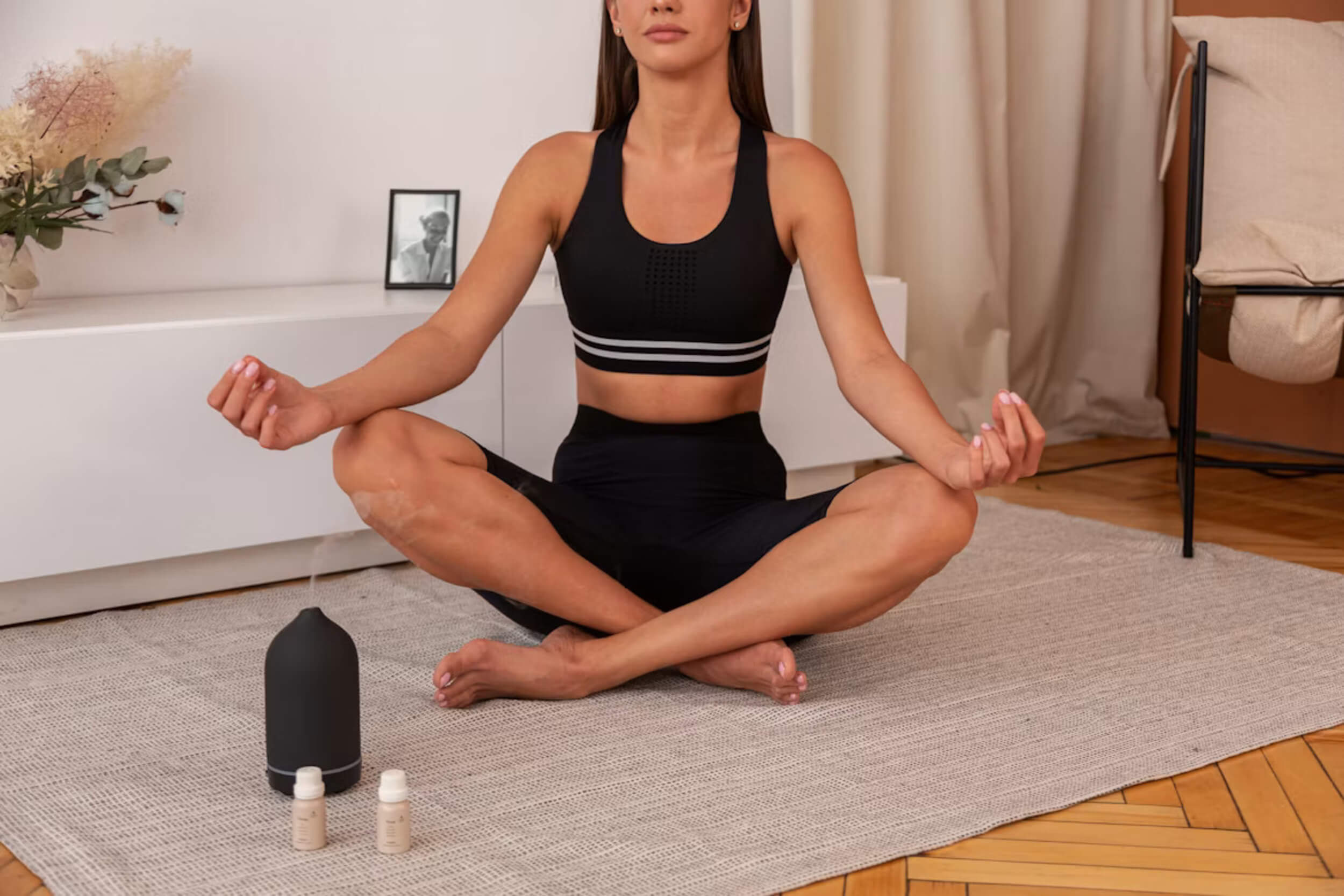
Practising energy healing and mindfulness does not require special equipment, a long routine, or a paid appointment. You can begin with a few quiet minutes at home.
Sit in a comfortable position and notice your natural breathing. Start at your head and slowly move your attention towards your feet. Observe any tension, warmth, pressure, coolness, or ease without trying to correct every feeling.
If it feels comfortable, add one simple action:
- Stretch slowly without pushing into pain.
- Hum gently and notice the vibration.
- Rest your hands on your chest or stomach.
- Sit quietly and follow your breathing.
Try this after waking, during a break, or before bed. A regular time can make the practice feel familiar, but it should not become another demand. Your mind will wander, and you may miss days. Neither means you have failed. Return to the practice when it feels helpful.
Safe Exploration Requires Consent and Good Judgement
Choose a practitioner who clearly explains what will happen, listens to your concerns, and respects your boundaries. They should be honest about what the practice may and may not do. Be cautious of anyone who guarantees a cure, uses fear to pressure you, or claims that you need an expensive and urgent energy treatment. A responsible practitioner will never tell you to stop medication or delay care from a qualified healthcare professional.
During energy healing and mindfulness sessions, you should always feel in control. You have the right to refuse touch, request a different position, ask questions, take a break, or end the session at any time. Consent is not given only once. You can change your mind whenever you feel uncomfortable.
Breathing exercises, movement, touch, and meditation may also need to be adjusted for pregnancy, injury, trauma, long-term illness, or certain mental health concerns. If you have symptoms, an existing condition, or current treatment, speak with an appropriate healthcare professional before beginning a new practice. Feeling safe, respected, and informed should always come first.
Conclusion
Energy healing and mindfulness connect through stillness, focused attention, body awareness, and thoughtful self-care. Their shared purpose is not to create dramatic sensations or promise quick results. Instead, they can help you slow down, notice what you are feeling, and understand what your body and mind may need.
Even a few quiet minutes can help you become more aware of stress, tension, difficult emotions, or the need for rest. The aim is not to feel calm or positive every moment. It is to meet your experience with honesty, patience, and less judgement.
Approach these practices with curiosity, realistic expectations, and respect for your personal limits. Choose methods that feel safe and comfortable, and never feel pressured to accept claims that seem unrealistic. When physical or emotional health concerns arise, use complementary wellness practices alongside care from a qualified medical or mental health professional who understands your needs.