



The biggest lessons children learn often happen when nobody is trying to teach them.

Many people think learning happens mainly at school, during lessons, or while using educational toys and books. While those things certainly help, they are only part of the picture. The truth is that children are learning all day long through the experiences, conversations, and situations they encounter in everyday life.
A trip to the grocery store can teach counting and decision-making. Helping prepare dinner can introduce measurements, problem-solving, and responsibility. Even a simple walk around the neighborhood can spark questions, observations, and new ideas. These ordinary moments may seem small, but they play a major role in helping children understand how the world works.
Research in child development continues to show that active participation and real-life experiences support learning in meaningful ways. This is one reason why understanding how children learn best often starts with looking beyond traditional lessons and paying closer attention to everyday life.
From building confidence and communication skills to encouraging curiosity and independence, daily experiences support many areas of development at the same time. Through participation, exploration, conversations, and strong relationships, children gain valuable knowledge that can stay with them for years to come.
Real-Life Experiences Help Children Understand the World Around Them
Children often understand new ideas more easily when they can connect them to something they have actually experienced. While books, videos, and lessons can be helpful, real-life situations often make learning feel more meaningful because children can see how information works in everyday life.
Think about a child helping bake cookies. They may count ingredients, measure quantities, follow directions, and notice how ingredients change when mixed together. Without realizing it, they are practicing skills linked to math, reading, problem-solving, and critical thinking. The learning happens naturally because it is part of an activity that has a clear purpose.
This is one reason experts in child development often point to hands-on experiences when discussing how children learn best. Children are not simply receiving information. They are actively participating in the process.
Many daily activities create learning opportunities, including:
- Helping prepare meals
- Going grocery shopping
- Gardening
- Sorting laundry
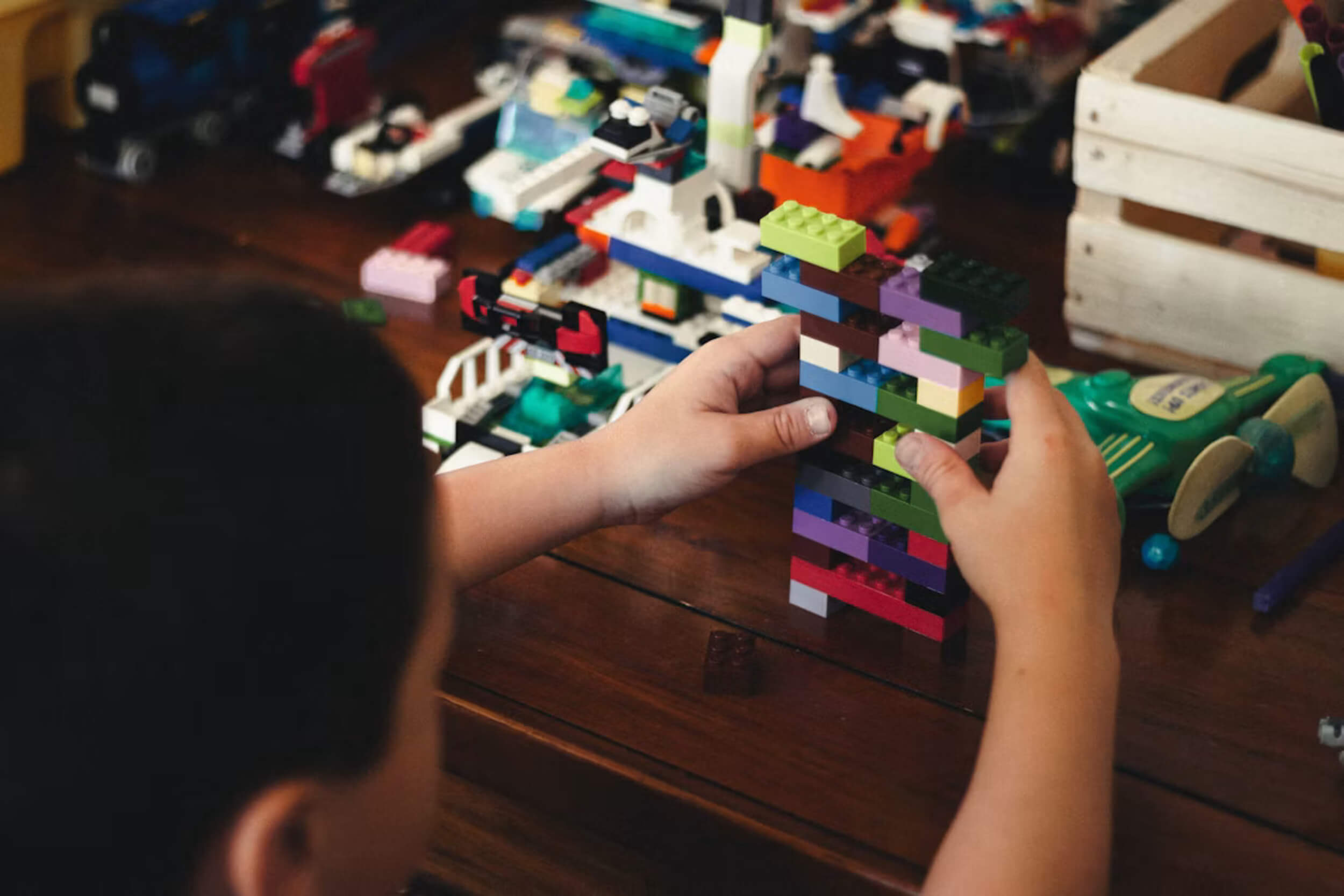
- Building with blocks
- Following simple instructions
These experiences encourage children to think, make choices, and solve small challenges along the way. They also help children understand that learning is not something separate from daily life.
When children can use knowledge in practical situations, they are more likely to remember what they learned and apply it again in the future. Real-life experiences help turn information into understanding, making learning feel useful, relevant, and rewarding.
Curiosity Creates Powerful Opportunities for Discovery
Few things are more powerful in childhood than curiosity. A simple question like “Why is the sky changing color?” or “How do birds know where to go?” can lead to meaningful learning experiences that no planned lesson could fully replace.
Children are naturally curious. They notice details adults often overlook and constantly look for answers about the people, places, and things around them. This natural desire to know more helps drive learning from an early age.
Researchers have long recognized curiosity as an important part of healthy development because it encourages children to investigate, test ideas, and learn through experience. Rather than being told everything, children often learn more when they are given opportunities to observe and figure things out for themselves.
When considering how children learn best, curiosity often plays a central role because it motivates children to stay engaged and interested.
Children frequently learn by:
- Asking questions
- Observing closely
- Trying different solutions
- Making mistakes and trying again
- Comparing results
Not every question needs an immediate answer. Sometimes the best response is to think about the question together. Giving children time to wonder and form their own ideas helps strengthen confidence and independent thinking.
Curiosity turns everyday moments into opportunities for learning. It encourages children to keep asking questions, keep looking for answers, and keep building a deeper understanding of the world around them.

Everyday Tasks Teach Skills That Extend Beyond Childhood
Many adults view household responsibilities as chores, but children often see them differently. Young children usually enjoy helping because it allows them to feel involved and important. These simple tasks can also provide valuable learning opportunities.
Age-appropriate responsibilities help children develop practical skills while teaching lessons that can benefit them for years. Whether they are helping set the table, putting away toys, organizing school supplies, or assisting with grocery shopping, children gain experience that supports both learning and personal growth.
Studies on child development suggest that giving children opportunities to contribute can help build responsibility, independence, and confidence. These experiences also allow children to practice making decisions and solving problems in real situations.
This practical approach supports how children learn best because it allows learning to happen through active participation rather than passive observation.
Everyday tasks can help children develop:
- Responsibility
- Organization skills
- Decision-making abilities
- Problem-solving skills
- Independence
Children often feel proud when trusted with meaningful responsibilities. Even small contributions can help them see themselves as capable members of the family.
Over time, these experiences teach children that their efforts matter. They learn that they can contribute, solve problems, and complete tasks successfully. Those lessons extend far beyond childhood and can influence how they approach challenges throughout life.
Meaningful Conversations Support Language and Thinking Skills
One of the simplest ways to support a child’s development is through conversation. Talking with children throughout the day helps them build communication skills while also strengthening thinking and understanding.
Children learn language by hearing it used in meaningful situations. Every conversation introduces new words, ideas, and ways of expressing thoughts. Whether discussing a favorite story, talking about the day’s events, or answering questions during a car ride, these interactions help children develop stronger communication skills.
Experts often emphasize the importance of responsive communication when discussing how children learn best. Learning happens most effectively when children are encouraged to participate rather than simply listen.
Meaningful conversations help children:
- Expand vocabulary
- Improve listening skills
- Express thoughts clearly
- Ask thoughtful questions
- Build confidence in communication
Open-ended questions can be especially helpful because they encourage children to think beyond simple yes-or-no answers. Questions such as “What do you think happened?” or “Why do you think that worked?” invite children to organize their thoughts and explain their ideas.
Storytelling also plays an important role. Sharing stories helps children understand sequences, remember details, and make connections between experiences.
Through regular conversations, children gain more than language skills. They learn how to communicate, reason, understand different perspectives, and make sense of the world around them.
Outdoor Experiences Encourage Exploration and Creativity
Sometimes the best classroom has no walls at all. Outdoor environments naturally encourage children to move, observe, and interact with the world around them in ways that support healthy development.
A walk through the park, time spent in a backyard, or a visit to a local nature area can introduce countless learning opportunities. Children may notice insects, changing weather, different plants, animal behavior, or patterns in nature. These observations often lead to questions, conversations, and new discoveries.
Research continues to show that outdoor experiences support many aspects of childhood development, including attention, creativity, physical activity, and problem-solving. This is one reason outdoor learning is often mentioned when discussing how children learn best.
Outdoor experiences encourage children to:
- Observe details carefully
- Use their senses
- Ask questions about nature
- Create games and activities
- Develop creative thinking
Unlike structured activities, outdoor experiences often allow children to follow their own interests. One child may become fascinated by leaves, while another may spend time watching birds or collecting rocks.
Nature also introduces children to important concepts related to weather, seasons, plants, animals, and environmental change. These lessons feel meaningful because children can see them happening in real time.
The outdoors encourages curiosity, creativity, and active learning. It reminds children that some of the most valuable learning opportunities begin with simply paying attention to what is happening around them.
Supportive Relationships Make Learning More Meaningful
A child’s learning journey is shaped by much more than lessons, activities, or educational resources. Relationships play a major role in helping children feel confident enough to learn, grow, and try new things. When children feel safe, supported, and encouraged, they are more likely to participate, ask questions, and stay engaged with the people and experiences around them.
Positive relationships create an environment where mistakes are viewed as part of learning rather than something to fear. A child who feels supported is often more willing to attempt a difficult task, share an opinion, or try something unfamiliar. This confidence helps children develop resilience and a healthy attitude toward learning.
When experts discuss how children learn best, supportive relationships consistently emerge as one of the most important factors. Children learn through connection. They learn from the guidance, encouragement, and example of trusted adults in their lives.
Parents, caregivers, teachers, grandparents, and family members all contribute to a child’s development. Children often learn simply by observing how adults communicate, solve problems, manage emotions, and interact with others. Shared experiences such as reading together, preparing meals, talking about the day, or working on a project create valuable learning opportunities while also strengthening relationships.
Emotional connection helps children feel secure and valued. When children know their thoughts, efforts, and questions matter, they are more likely to stay curious, engaged, and motivated to learn.
Conclusion
Many of the most valuable lessons children learn happen during ordinary moments that are easy to overlook. Everyday experiences provide opportunities for children to develop intellectual, social, emotional, and practical skills while actively participating in the world around them.
Whether they are helping prepare a meal, asking questions about something they notice, talking with family members, or spending time outdoors, children are constantly learning through experience. These moments help them build knowledge, strengthen communication skills, develop confidence, and practice problem-solving in meaningful ways.
Understanding how children learn best often means recognizing that learning is not limited to classrooms or structured activities. Participation, curiosity, communication, and exploration all contribute to healthy development and help children make sense of the world around them.
For parents, caregivers, and educators, this offers an encouraging reminder that meaningful learning opportunities are already part of daily life. Small interactions and shared experiences can have a lasting impact. By inviting children to participate, ask questions, and engage with everyday activities, adults can help nurture capable, confident, and lifelong learners.