


Healthy habits often seem simple until a packed schedule gets in the way.

Between work responsibilities, family commitments, household chores, commuting, and the constant pull of phones and screens, finding time for yourself can feel nearly impossible. By the end of the day, many people are simply trying to get through their to-do list, leaving little energy for exercise, meal planning, or proper rest.
A common belief is that healthy living requires major lifestyle changes, strict schedules, or hours of extra time each week. That idea can make good health feel out of reach, especially for people who already feel overwhelmed. In reality, many healthy lifestyle tips for people with busy lives are built around small choices that fit naturally into everyday routines.
Long-lasting health habits are rarely created through perfection. They often grow from simple actions that are realistic enough to repeat day after day. A healthier lifestyle does not require getting everything right. It starts with making practical decisions consistently, even during busy seasons of life. That is why simple, sustainable habits often deliver better results than complicated plans that are difficult to maintain.
A Healthy Lifestyle Starts with Managing Energy, Not Managing Time
Adding more tasks to an already packed day rarely solves the problem. Feeling drained, unfocused, and overwhelmed often has less to do with time and more to do with energy. Plenty of people manage to squeeze more into their schedules, yet they still end the day exhausted and wondering why healthy habits feel so difficult to maintain.
Physical and mental energy affects nearly every part of daily life. It influences concentration, patience, decision-making, productivity, and motivation. Certain habits can quietly reduce energy levels without causing immediate warning signs. Skipping meals, staying up late, sitting for long periods, drinking too little water, and carrying ongoing stress can slowly make busy days feel harder than they need to be.
This is where healthy lifestyle tips for people with demanding schedules can make a meaningful difference. Supporting your energy does not require major changes. Instead, it often comes down to paying attention to a few important areas:
- Balanced nutrition
- Regular movement
- Proper hydration
- Quality sleep
- Stress management
Protecting your energy can help you feel more capable throughout the day. Rather than constantly searching for extra hours, focusing on habits that help you feel better may allow you to get more from the time you already have.
Feeling Busy and Feeling Productive are Not Always the Same Thing
Checking off tasks all day can feel productive, but staying busy is not always the same as making meaningful progress. Constant activity can sometimes leave people feeling exhausted while accomplishing less than expected. Strong energy levels and good focus often lead to better results than simply working longer hours. This is why prioritizing habits that support physical and mental well-being can create some of the biggest improvements in everyday life.
Building Health Habits around Existing Routines Creates Better Consistency
Good intentions are easy to start, but complicated wellness plans can quickly fall apart when life gets hectic. A schedule that looks realistic on a quiet week may become impossible to maintain once work deadlines, family responsibilities, or unexpected events appear.
One of the easiest ways to build healthier habits is to connect them to routines that already exist. Instead of creating an entirely new schedule, healthy actions can become part of activities that happen every day. This approach reduces the effort required to remember what needs to be done and helps healthy choices feel more natural.
Simple examples include:
- Drinking a glass of water after waking up
- Stretching before starting work
- Taking a short walk after lunch
- Preparing healthy snacks during grocery shopping
- Going to bed at a consistent time
Some of the best healthy lifestyle tips for people work because they remove unnecessary decision-making. When habits become automatic, they are easier to maintain even during stressful periods. Consistency often becomes much more achievable when healthy choices fit naturally into an existing routine instead of competing with it.
Small Actions Become Powerful When Repeated Regularly
Small daily choices often go unnoticed in the moment, yet they can have a surprisingly large impact when repeated consistently. A few minutes of movement, an extra serving of vegetables, or one additional glass of water may seem insignificant on a single day. Over weeks and months, those actions can support meaningful improvements. Long-term progress is usually built through steady habits rather than short bursts of motivation. This same principle applies to healthy eating as well.
Nutrition Becomes Easier When Convenience and Health Work Together
Long workdays, errands, family commitments, and busy schedules can make convenience the deciding factor at mealtime. When hunger appears and time is limited, quick options often win. Unfortunately, those options are not always the ones that provide lasting energy and nutrition.
Healthy eating becomes much easier when nutritious choices are also convenient. A little preparation can reduce reliance on fast food, skipped meals, and highly processed snacks without requiring hours in the kitchen. Keeping simple foods readily available can make healthy decisions easier during busy days.
Helpful options include:
- Fresh fruit
- Yogurt
- Nuts and seeds
- Boiled eggs
- Whole-grain foods
- Lean proteins
- Pre-cut vegetables
Healthy lifestyle tips for people who feel constantly busy often focus on making nutritious foods easier to access than less healthy alternatives. Balanced meals that include protein, fiber, fruits, vegetables, and whole foods can help support steady energy throughout the day.
Healthy eating should simplify life, not add stress to it. Practical choices that fit your schedule are often easier to maintain than strict plans that feel difficult to follow.
Perfect Meals Matter Less Than Consistent Nourishment
One less-than-perfect meal is rarely the reason healthy eating habits succeed or fail. Paying attention to overall eating patterns matters much more than trying to make every meal ideal. A flexible approach can reduce feelings of guilt and make healthy eating feel more realistic. Building consistency with food choices also creates a strong foundation for another important habit that supports energy and well-being: staying hydrated.

Hydration is One of the Simplest Habits People Commonly Overlook
Water is easy to take for granted until the body starts showing signs that it needs more of it. Fatigue, headaches, reduced concentration, and lower physical performance can sometimes be linked to dehydration rather than a demanding schedule.
Busy days often make it easy to overlook thirst. Meetings, errands, work tasks, and family responsibilities can keep people focused on everything except basic needs. As a result, water intake sometimes falls lower than expected without anyone noticing.
Simple ways to improve hydration include:
- Keeping a water bottle nearby
- Drinking water with meals
- Having a glass of water after waking up
- Taking water breaks throughout the day
- Pairing water intake with daily routines
Among healthy lifestyle tips for people with busy lives, hydration is one of the easiest habits to improve immediately. Small changes can support better concentration, energy, and overall well-being without requiring significant effort or expense.
Energy Slumps Are Not Always Caused by Lack of Sleep
That mid-afternoon energy crash may have more than one cause, and sleep is not always the reason behind it. Inadequate hydration can sometimes leave people feeling tired, sluggish, and unable to focus. Meeting basic needs such as drinking enough water often helps support better daily performance. Once hydration is covered, regular movement becomes another important piece of maintaining energy throughout the day.
Movement Does Not Have to Look Like Traditional Exercise
The idea of exercise often brings to mind long gym sessions, intense workouts, or complicated fitness programs. For someone already juggling work, family responsibilities, and a busy schedule, that can make physical activity feel unrealistic before it even begins.
The good news is that movement does not have to happen all at once to be beneficial. Physical activity can be spread throughout the day in smaller, manageable periods. A few minutes here and there can still contribute to overall health and help break up long periods of inactivity.
Practical ways to move more include:
- Taking short walks during breaks
- Stretching between tasks
- Using stairs when possible
- Doing household chores
- Parking farther from entrances
- Following a quick workout at home
Healthy lifestyle tips for people with busy schedules often focus on finding movement opportunities that fit naturally into daily life rather than adding another item to an already full calendar.
Regular movement supports more than physical fitness. It can help improve energy levels, boost mood, support healthy circulation, and contribute to long-term health. Even small amounts of activity can make a noticeable difference when practiced consistently. The goal is not perfection. The goal is simply moving more than you did yesterday.
Consistent Movement Helps Counteract Long Periods of Sitting
Hours spent at desks, in vehicles, or in front of screens can add up quickly. Sitting for long stretches may contribute to stiffness, discomfort, and lower energy levels. Getting up regularly to walk, stretch, or change positions can help the body feel better throughout the day. These simple movement breaks also create a natural transition into another important part of overall health: quality sleep.
Quality Sleep Supports Every Other Healthy Habit
Few things influence daily well-being as much as sleep. Yet it is often one of the first things sacrificed when schedules become busy. Staying up later to finish work, catch up on tasks, or squeeze in extra entertainment may seem harmless, but poor sleep can affect nearly every area of life.
Sleep plays an important role in:
- Energy levels
- Concentration
- Emotional balance
- Physical recovery
- Appetite regulation
- Decision-making
A lack of quality sleep can make healthy choices feel harder the next day. Cravings may increase, motivation can drop, and even simple tasks may require more effort than usual.
Healthy lifestyle tips for people frequently emphasize sleep because it supports so many other healthy habits. Improving sleep quality does not always require major changes. Small adjustments can help, such as maintaining a consistent bedtime, limiting screen use before bed, keeping the bedroom comfortable, and creating a calming evening routine.
Sleep should not be viewed as lost productivity. It is one of the body’s most important recovery tools. Giving your body enough rest often helps you perform better during the hours you are awake.
Tomorrow’s Energy Often Begins the Night Before
The choices made during the evening can affect how the next day feels. Late-night screen time, inconsistent bedtimes, and poor sleep habits may leave people feeling tired before the day even begins. Protecting sleep often makes it easier to make healthier choices, stay focused, and maintain energy levels. Another important factor that influences well-being is managing daily stress.
Managing Stress Helps Protect Long-Term Health
Stress is a normal part of life, but carrying high levels of stress for long periods can affect both physical and emotional health. It may contribute to fatigue, irritability, difficulty concentrating, poor sleep, and a greater sense of feeling overwhelmed.
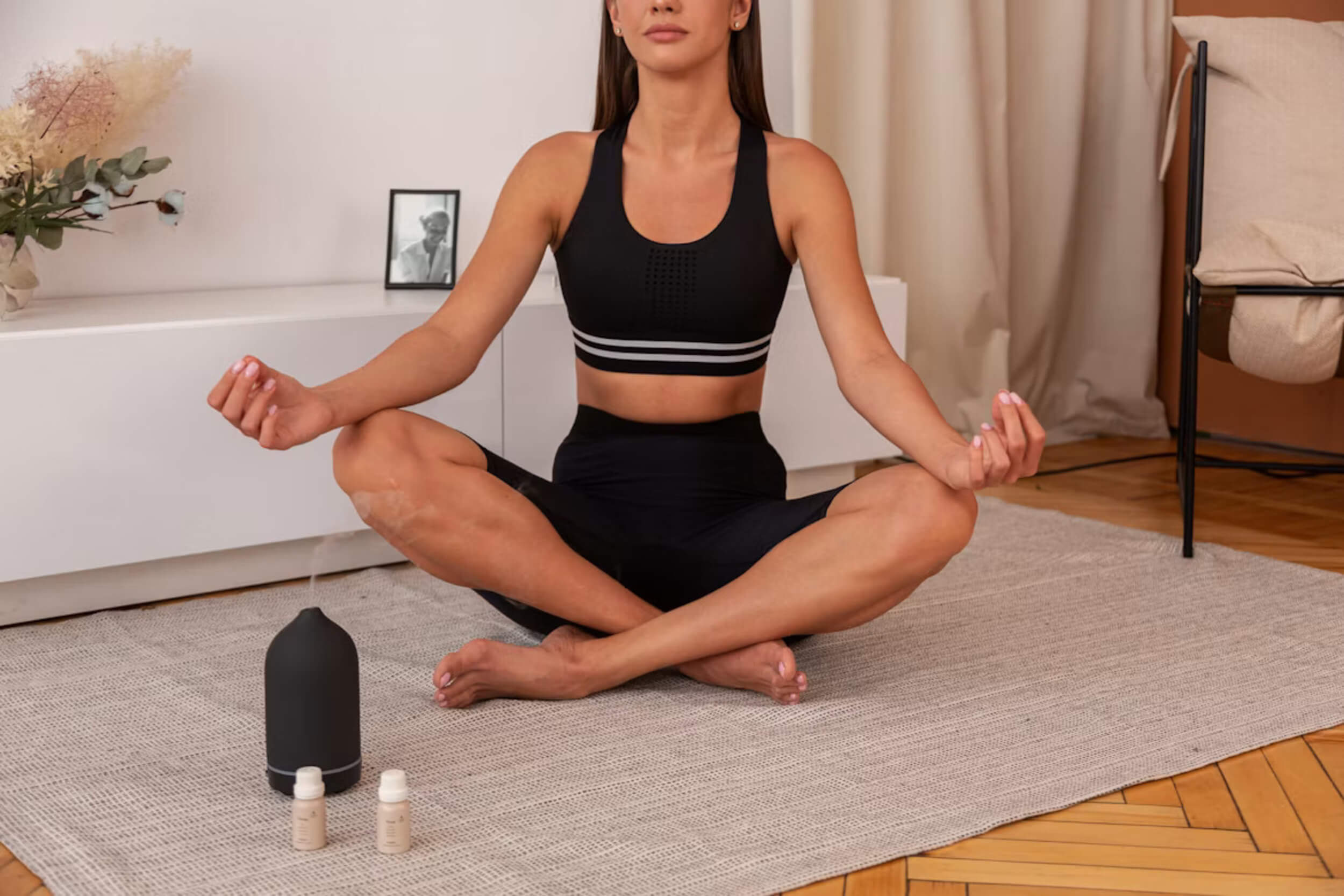
Stress management does not have to involve complicated routines or hours of meditation. Small moments of recovery throughout the day can make a meaningful difference. Even a few minutes spent stepping away from pressure can help reset both the mind and body.
Helpful ways to manage stress include:
- Taking slow, deep breaths
- Spending time outdoors
- Talking with friends or family
- Enjoying hobbies
- Listening to music
- Taking short breaks during busy days
Healthy lifestyle tips for people often work best when they acknowledge that life will never be completely stress-free. Instead of trying to eliminate stress entirely, the goal is to create healthy ways to respond to it.
Building small opportunities for relaxation into everyday life can help support resilience, emotional balance, and overall well-being.
Recovery is just as Important as Productivity
Constant pressure without enough recovery can eventually lead to burnout. Rest is not a reward that has to be earned after everything is finished. Short breaks and moments of relaxation can help improve focus, support emotional well-being, and maintain energy. Creating space for recovery is one of the keys to building habits that remain sustainable over the long term.
Conclusion: Healthy Living Works Best When It Fits Real Life
Healthy living does not require perfect routines, extreme diets, expensive programs, or endless free time. Small, practical choices often create the biggest impact because they are easier to maintain during busy seasons of life.
The habits discussed throughout this article focus on supporting the areas that matter most: energy, nutrition, hydration, movement, sleep, and stress management. Together, these habits can help make daily life feel more manageable and support long-term well-being.
Healthy lifestyle tips for people are often most effective when they fit naturally into existing routines. Instead of trying to change everything at once, focus on one realistic improvement you can start today. Small actions repeated consistently can lead to meaningful results. Lasting health is rarely built through dramatic changes. It is often created through simple choices made again and again, even when life feels busy.