


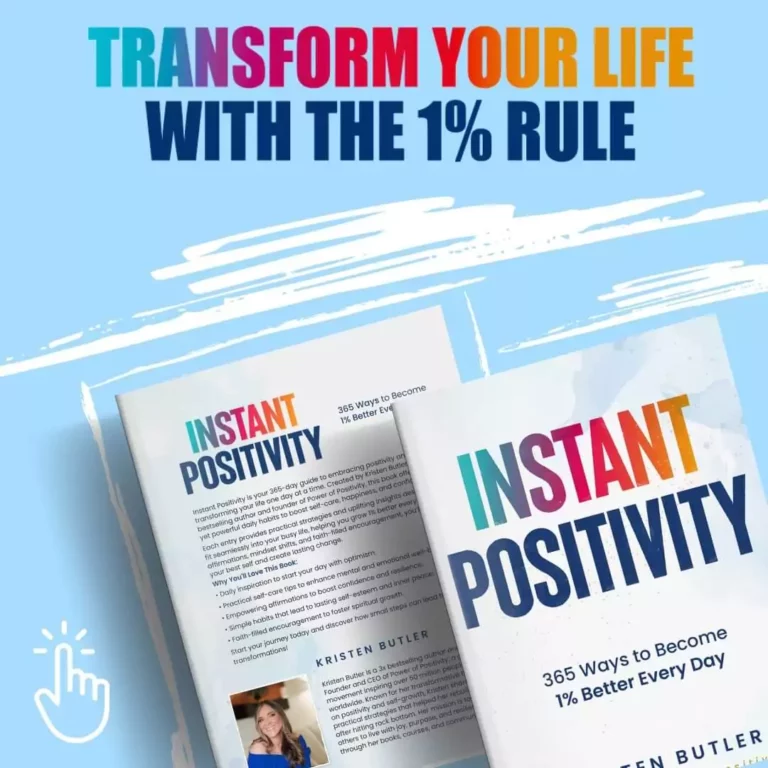
What if the small things you do today are already shaping how you’ll feel months from now?

The truth is, your daily habits quietly affect your energy, mood, and long-term health more than you might think. The way you eat, move, rest, and even handle stress builds up little by little. Some choices help you feel stronger and more focused, while others slowly drain your energy without you noticing right away.
Many people fall into routines built around convenience—quick meals, less movement, staying up late—because they feel easier in the moment. But these patterns can start to take a toll. The good news is, you don’t need a major reset to feel better. Small, steady lifestyle changes that can improve your life often start with simply paying attention to what you do each day.
When you begin to notice these patterns, it becomes easier to shift them. And that’s where real change starts—with simple, everyday adjustments that actually stick.
Starting with Awareness Before Changing Anything
Most people go through the day on autopilot. You eat, work, scroll, rest, and repeat without really thinking about how these habits affect you. Some of them help you feel better, while others slowly drain your energy—but they can be easy to miss.
Start by paying attention to small details. Notice when you feel tired, when your mood drops, or when you feel more focused and calm. These patterns often tell you more than you think. You don’t need to judge yourself or try to fix everything at once. Just observe what’s already happening.
This kind of awareness helps you see what actually needs to change. Instead of guessing, you begin to understand your daily habits clearly.
That’s why lifestyle changes that can improve your life often begin with awareness. When you see your patterns, making better choices becomes easier.
From here, it makes sense to look at the physical habits that affect your energy every day.
How Physical Habits Influence Your Daily Energy
Your body responds to what you do each day. The way you move, eat, and rest all play a role in how much energy you have. When these areas are out of balance, it often shows through fatigue, low focus, or feeling sluggish.
Long periods of sitting, poor sleep, or irregular meals can leave you feeling drained. On the other hand, simple actions like moving more, eating balanced meals, and getting enough rest can help you feel more steady and alert.
You don’t need strict routines to fix this. Small adjustments can already make a difference. A short walk can boost your energy. Better sleep can improve your focus. Regular meals can help you avoid sudden drops in energy.
These are lifestyle changes that can improve your life without making things complicated.
The goal is not perfection but balance. When your body gets consistent care, it naturally responds in a positive way.
As your physical habits improve, it becomes easier to notice how your thoughts also affect how you feel each day.
The Quiet Role of Mental Patterns in Everyday Life
Your thoughts shape more of your day than you might realize. The way you talk to yourself can affect your confidence, your decisions, and how you respond to challenges.
Some mental patterns run automatically. You might expect the worst, doubt yourself, or react in ways that feel familiar but not always helpful. These patterns often build from repeated thinking, not just one moment.
The first step is to notice them. Pay attention to what you tell yourself during stressful or difficult situations. Once you become aware of these thoughts, you can start to question them.
You don’t need to force yourself to think positively all the time. That can feel unrealistic. Instead, aim for more balanced thinking. Try to replace harsh or negative thoughts with something more fair and grounded.
These small shifts are lifestyle changes that can improve your life because they affect how you handle everyday situations.
As your thinking becomes clearer, it also helps you understand how stress builds up in both your mind and body.
How Stress Builds Up Without Clear Signs
Stress doesn’t always feel intense or obvious. It can build slowly and quietly in the background. You might feel more tired than usual, get irritated more easily, or have trouble focusing without knowing why.
This kind of low-level stress can affect both your body and your mind. It can make simple tasks feel harder and reduce your overall energy.
The good thing is, easing stress doesn’t have to be complicated. Small actions can help reset your system. Taking short breaks, stepping away from pressure, or slowing down for a few minutes can make a difference.
These small pauses give your body and mind time to settle.
Lifestyle changes that can improve your life sometimes start with something as simple as giving yourself space to rest.
Once stress feels more manageable, it becomes easier to notice how your surroundings influence your habits.

The Impact of Your Surroundings on Your Habits
Your environment has a strong effect on how you think and act. A cluttered or noisy space can make it harder to focus. Too many distractions can pull your attention away from what you need to do.
Small changes in your surroundings can support better habits. Clearing your space can help you think more clearly. Letting in natural light can improve your mood. Reducing distractions can make it easier to stay focused.
You don’t need to change everything at once. Even simple adjustments can make your day feel more manageable.
Lifestyle changes that can improve your life often include shaping your environment so it supports your goals.
When your space feels more organized and calm, it becomes easier to build routines that fit into your daily life.
Building Routines That Feel Natural Instead of Forced
Many routines fail because they feel too strict or hard to follow. When something feels forced, it becomes difficult to keep doing it.
A better approach is to keep things simple and flexible. Start with small actions that you can repeat each day without pressure. Over time, these actions become part of your normal routine.
It also helps to connect new habits to things you already do. For example, you can stretch after waking up, take a short walk after meals, or drink water during breaks. These small connections make habits easier to remember.
Lifestyle changes that can improve your life don’t need to be complicated. They just need to fit naturally into your day.
When routines feel easy to follow, consistency becomes more realistic. And consistency is what helps habits last and make a real difference.
Why Consistency Matters More Than Doing Things Perfectly
Trying to do everything perfectly can feel good at the start, but it often leads to stopping when things don’t go as planned. Many people set high expectations, then lose motivation when they can’t keep up.
What matters more is showing up regularly, even in small ways. You don’t need to do everything right—you just need to keep going. Progress builds through repetition. Small actions done daily can lead to real change.
For example, a short walk every day is better than a long workout done once and then skipped for days. Eating one balanced meal consistently can be more helpful than trying to follow a strict diet for a short time.
These steady efforts are lifestyle changes that can improve your life because they create stability. When something becomes part of your routine, it feels easier to maintain.
And when things don’t go perfectly, the next step is learning how to adjust instead of stopping completely.
When Things Don’t Go as Planned and How to Adjust
There will be days when your routine doesn’t go as planned. You might skip a workout, eat differently, or feel too tired to follow through. This is normal and happens to everyone.
Setbacks are not a sign of failure. They are part of the process. What matters is how you respond next. Instead of quitting, focus on getting back on track in a simple way.
You don’t need to fix everything at once. Start with one small step. That could mean going back to a short walk, drinking more water, or getting enough rest the next day.
Lifestyle changes that can improve your life become stronger when you stay flexible. Adjusting your approach helps you keep moving forward without feeling stuck.
Restarting is not starting over—it’s continuing with more awareness. This mindset makes it easier to stay consistent and focus on long-term results.
Looking at Lifestyle Changes as a Long-Term Investment
Real change doesn’t happen instantly. It builds gradually through daily actions. The choices you make now can shape how you feel in the future.
You may not see results right away, but small improvements begin to add up. You might notice better energy, clearer focus, or a more stable mood as time goes on.
Lifestyle changes that can improve your life work best when you think long-term. Instead of chasing quick results, focus on building habits that last.
Consistency helps support your health, your routine, and your overall well-being. These small steps can lead to meaningful changes in how you live each day.
Patience is an important part of the process. When you give your habits time to grow, they become easier to maintain.
With this long-term view, it becomes easier to stay grounded and reflect on your progress.
Conclusion
Making changes in your life doesn’t have to feel complicated. It often starts with small steps that build into something meaningful over time.
The key is to stay aware of your habits, keep things balanced, and focus on being consistent. You don’t need perfect routines or strict rules to see progress. Simple actions done regularly can lead to lasting results.
Lifestyle changes that can improve your life are not about doing everything at once. They are about choosing better patterns that fit into your daily routine.
Some days will feel easier than others, and that’s okay. What matters is continuing, even in small ways.
As you move forward, keep your approach simple and realistic. Pay attention to what works for you and adjust when needed.
In the end, steady effort and small changes can lead to a healthier, more balanced way of living.