


You catch your reflection one day and pause. Your eyes look more tired than usual. Your jaw feels tight. Your face seems dull, even though you slept and didn’t change much about your routine. It’s a small moment, but it lingers. You start to wonder when that tension showed up—and why it won’t leave.
This is often how stress makes itself known. Long before it turns into burnout or illness, it starts showing up quietly on the face. Stress doesn’t stay locked inside your thoughts or emotions. Your body carries it, and your face is one of the first places it settles. Muscles hold on. Skin reacts. Expressions harden without you noticing.
This is why stress shows on your face. Not because you’re doing something wrong, but because your nervous system is doing its job—trying to protect you through long days, pressure, and constant demands.
This isn’t about fixing flaws or chasing perfection. It’s about learning to read the signs with honesty instead of blame. When you understand what your face is responding to, you can start easing the stress beneath it—gently, safely, and in ways that actually last.
Stress Is Not Invisible—It Leaves Clues on the Skin
Stress isn’t just something you feel. Your body treats it like a real event, the same way it would treat cold, heat, or pain. When stress keeps showing up day after day, your face often reacts before you even realize what’s happening. Skin tone can look dull. Muscles feel tight. Your usual relaxed expression may start to look serious or worn.
These changes aren’t flaws, and they’re not signs that something is “wrong” with you. They’re signals. Your body is adjusting to pressure the best way it knows how. This is one of the clearest reasons why stress shows on your face—your body is trying to protect you, even when the stress never fully turns off.
Some common signs people notice include:
- Tightness around the mouth or eyes
- A tired or flat look to the skin
- A face that feels tense even at rest
None of this means failure. It means your body has been working overtime, quietly adapting.
The Nervous System’s Role in Facial Tension
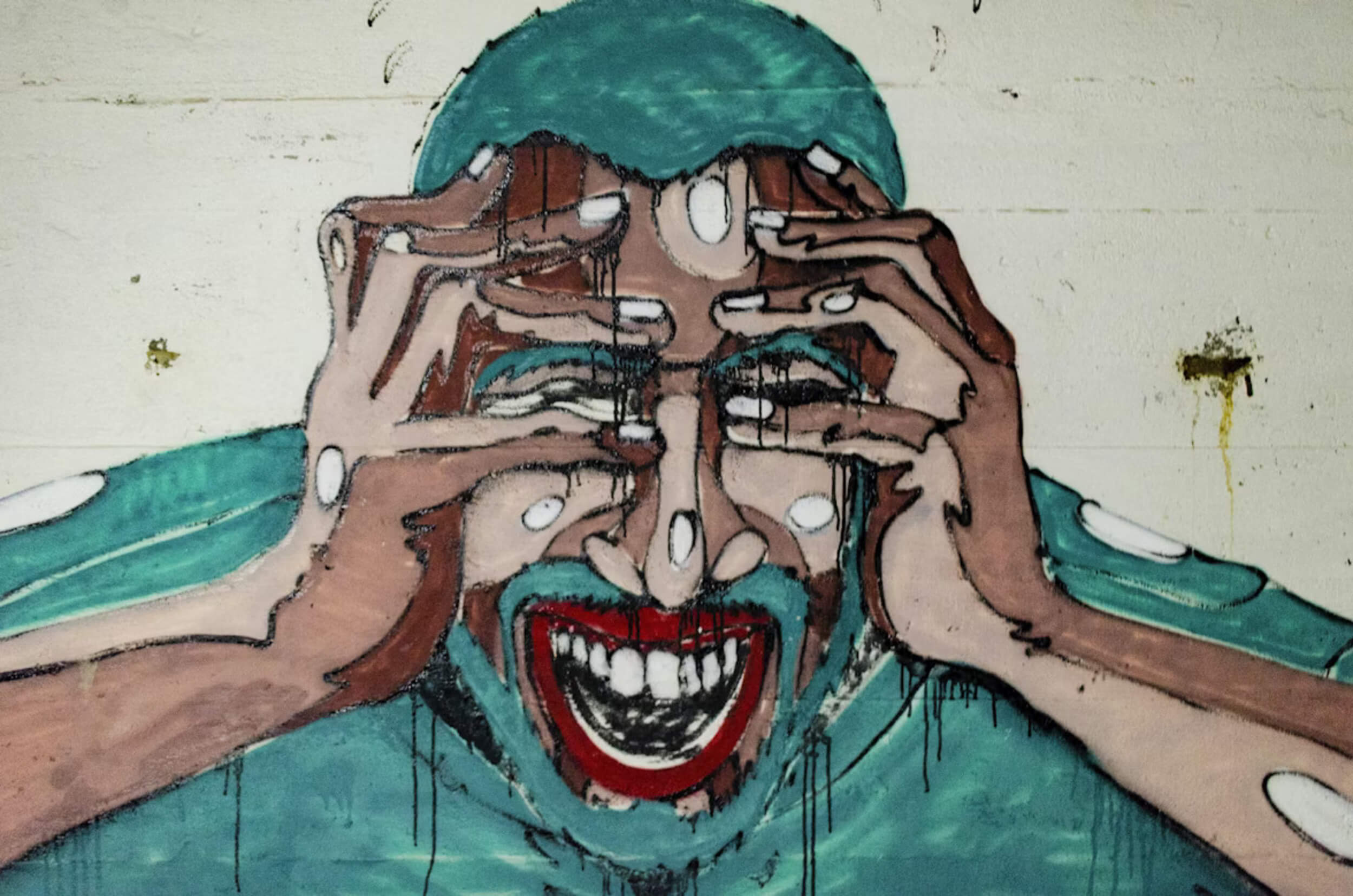
When you’re under stress, your nervous system shifts into alert mode. This is helpful in short bursts, but problems start when that alert state sticks around. The jaw tightens. The brow furrows. The muscles around the eyes stay tense. Many people don’t notice this happening because it often shows up during focus, worry, or rushing through the day.
This tension comes from the fight-or-flight response staying switched on longer than it should. Your body prepares for danger that never fully arrives. Over time, those tight muscles stop relaxing on their own. You may feel fine emotionally, yet your face is still holding stress from earlier moments. That holding pattern becomes familiar, even though it doesn’t need to be there anymore.
The Stress–Skin Connection You’re Not Imagining
If your skin acts up during stressful periods, it’s not your imagination. Stress changes how your body releases hormones, and those hormones affect the skin directly. Oil levels can rise or drop. Redness can show up. Healing slows down. This can happen even when your skincare routine stays exactly the same.
This is another reason why stress shows on your face so clearly. Stress hormones affect blood flow, immune response, and how quickly skin repairs itself. That’s why breakouts, dryness, or irritation often appear during busy or emotional times.
It’s important to know this isn’t a personal shortcoming. Skin reactions during stress are biological responses. Your body is reacting to pressure, not punishing you for it. Understanding this takes away blame and replaces it with clarity.
Cortisol, Inflammation, and Slower Repair
One key stress hormone is cortisol. In short bursts, cortisol helps you cope. When it stays high for too long, it can slow skin repair and increase inflammation. Collagen breaks down faster. Healing takes longer. The skin may lose some of its natural glow.
This doesn’t happen overnight, and it’s not permanent. It’s simply the body focusing on survival instead of repair. When stress stays high, renewal gets pushed to the background. The face can start to look more tired, even if you’re doing everything “right.” Knowing this helps shift the focus from fixing the surface to easing what’s happening underneath.
Why Stress Changes the Way You Look at Yourself
Stress doesn’t only affect how you look—it affects how you see yourself. When pressure is high, many people become more critical in the mirror. Small changes feel bigger. Normal tiredness feels like something is wrong.
Stress also increases mirror-checking. You look more often, searching for signs that something isn’t right. This fuels negative self-talk and keeps attention locked on flaws that may not even be noticeable to others. The result is a harsher view of yourself during times when you actually need more care.
The Feedback Loop Between Stress and Self-Criticism
Noticing stress on your face can create worry. That worry adds more tension. The tension then becomes more visible. This loop can run quietly in the background without you realizing it.
The first break in that loop is awareness. Seeing these changes as stress signals—not personal failures—creates space to respond differently. When you recognize what’s happening, the cycle starts to loosen. That awareness alone can reduce some of the pressure your face has been holding.
Facial Expression as Emotional Storage
Faces don’t just show emotions in the moment. Over time, they can hold emotional patterns. Repeated stress can settle into habits like clenched jaws, raised shoulders, or guarded expressions. These patterns aren’t about aging or damage. They’re about emotions that didn’t get a chance to move through.
Your face adapts to what you go through. If stress is frequent, the face learns to stay ready. This isn’t weakness—it’s survival. When emotional pressure eases, these expressions can soften again.
When Emotions Don’t Move, They Settle
Feelings that aren’t expressed don’t disappear. They often stay in the body. Holding back anger, worry, or sadness can show up as tension in the face. This doesn’t mean you’re doing something wrong. It means your body carried what your words couldn’t.
Gentle awareness and emotional release—without judgment—help those patterns unwind. When emotions are allowed to move, the face doesn’t need to hold them anymore.
Rest Isn’t Just Sleep—Your Face Needs It Too
Most people think rest means sleep. Sleep matters, but it’s only one piece. Your face also needs rest during the day, especially when stress keeps piling up. Mental pauses, emotional safety, and slower moments give your facial muscles and skin a chance to reset. Without these breaks, tension builds even if you’re getting enough hours at night.
Real rest shows up on the face as softness. The jaw loosens. The eyes feel less strained. The skin looks calmer, not perfect—and that’s the point. Rest isn’t about looking flawless. It’s about giving your body space to stop bracing. This is a big part of why stress shows on your face so clearly when rest is missing. The face reflects how often you allow yourself to pause, not how hard you push.
Micro-Rest and Facial Release
Rest doesn’t always mean stopping everything. Sometimes it’s a small shift you notice in the moment. You catch yourself clenching your teeth and let them part. You take one slow breath and feel your shoulders drop. You soften your eyes instead of staring through the day.
These tiny releases tell your nervous system that it’s safe to ease up. Over time, they add up. This isn’t a routine to follow or a rule to get right. It’s awareness. When you notice tension and gently let it go, your face follows naturally.
Why “Fixing” Your Face Often Backfires
When stress shows up on the face, it’s tempting to fix it fast. More products. Strong treatments. Harsh self-talk. But treating your face like a problem usually creates more tension, not less. The body feels pushed instead of supported.
Stress marks aren’t something to fight. They’re signals asking for relief. When care becomes cooperation instead of correction, the face can soften without force. Skincare and treatments can help, but they work best when the body isn’t under constant pressure. Fixing the surface without easing stress underneath often keeps the cycle going.
Reducing Facial Stress Starts Below the Surface
The most lasting changes don’t start in the mirror. They start with calming the nervous system. That means fewer mental overloads, clearer emotional boundaries, and less pressure to do everything at once. Stress reduction works best when it’s steady and gentle, not intense.
Helpful shifts often look like:
- Letting go of nonstop urgency
- Reducing emotional overload
- Creating moments of calm during the day
This approach explains why stress shows on your face less over time when the body feels supported. Consistency matters more than quick fixes. Gentleness works better than force.
Safety, Slowness, and Self-Permission
When you feel safe—both inside yourself and around other people—your face doesn’t have to stay guarded. Safety tells the body that it can stop bracing. The jaw loosens. The eyes soften. The muscles that were quietly working all day finally get a break. This happens without effort because the nervous system responds to safety on its own.
Slowing down plays a big role here. A slower pace tells the body there’s no immediate threat. You don’t need to rush. You don’t need to stay alert. Even small moments of slowness—pausing before reacting, taking a steady breath, sitting without multitasking—can signal calm. Over time, those signals add up.
Self-permission matters just as much. Giving yourself permission to rest without guilt allows tension to ease instead of being pushed aside. This doesn’t create instant change. It creates gradual softening. As safety grows, tension fades. The face doesn’t need instructions. It simply responds when pressure lifts.
When the Face Softens, Life Feels Lighter
When stress begins to ease, the changes are often quiet but meaningful. Your expression feels more relaxed. Your eyes don’t feel as strained. You notice yourself being more present during conversations instead of rushing through them. These shifts usually show up in how you feel before they show up in the mirror.
Many people notice they feel calmer, more grounded, or less on edge long before they notice visible changes. That’s an important sign. It means the body is settling. The face follows naturally when the nervous system feels supported.
This is the real shift. Relief comes first. Appearance follows. The goal isn’t perfection or looking a certain way. The goal is comfort. When your body isn’t constantly on guard, daily life feels easier, lighter, and more manageable.
Conclusion
Stress showing on your face isn’t a failure. It’s feedback. It’s your body letting you know it has been carrying more than it should for too long. These signs aren’t asking for correction—they’re asking for care.
You don’t need to fix your face. You need to understand what it’s responding to. When stress is reduced at the root, the face doesn’t need to be forced to change. It softens on its own. As the body feels supported, ease returns naturally—and it shows, without effort.