


When was the last time a small kind moment stayed with you longer than a busy day or a hard conversation? Maybe someone listened without interrupting, checked in at the right time, or helped without expecting anything back. It felt good—but why did it feel that good?
That question matters more than most people realize. Research helps explain why kindness is good for mental health and why it also affects the body, not just emotions. Kindness doesn’t only lift mood. It changes how the brain handles stress, how the body feels safe, and how connected we feel to the people around us.
So why does kindness feel harder to practice when life gets busy or overwhelming? Is it because we think it has to be big, costly, or constant? The truth is, kindness isn’t a moral rule or something to be perfect at. It doesn’t require money, grand gestures, or endless energy. It often lives in small, ordinary moments.
What if those simple choices mattered more than we’ve been taught to believe? And what if kindness, done in realistic ways, quietly supports mental health, physical health, and stronger relationships at the same time? Understanding that begins with looking at what kindness really means in everyday life.
What Kindness Really Is (and What It Isn’t)
Kindness isn’t about being nice just to avoid tension. It’s a choice to act with care—for someone else or for yourself—because it feels right. Real kindness starts with awareness. You notice what someone might need, or what you need, and respond in a thoughtful way.
It also isn’t the same as people-pleasing. Saying yes when you’re exhausted or staying quiet to keep others comfortable isn’t kindness if it leaves you drained. Kindness comes from intention, not pressure or fear. The action doesn’t have to be big. What matters most is the care behind it.
Why Small Acts Matter More Than Grand Gestures
Kindness doesn’t need to be dramatic to matter. Small acts often have the biggest impact because they happen in everyday life. A quick check-in, holding the door, or listening without rushing can change how supported someone feels.
These simple actions shape connection and trust. They set a tone that makes people feel seen and valued. This is one reason why kindness is good for mental health. It isn’t about one big moment—it’s about repeated, human choices that quietly strengthen how we relate to others and ourselves.
How Kindness Affects the Brain and Nervous System
When you do something kind, your brain responds. Helping others activates areas linked to reward and connection. This triggers natural chemicals like oxytocin and dopamine, which support calm, trust, and a steady sense of well-being.
Kindness doesn’t erase stress, but it can soften how the brain reacts to it. Many people notice a lift in mood or a sense of balance after helping someone. This response helps explain why kindness often feels grounding, especially during busy or tense days.
Stress Reduction Through Social Safety Signals
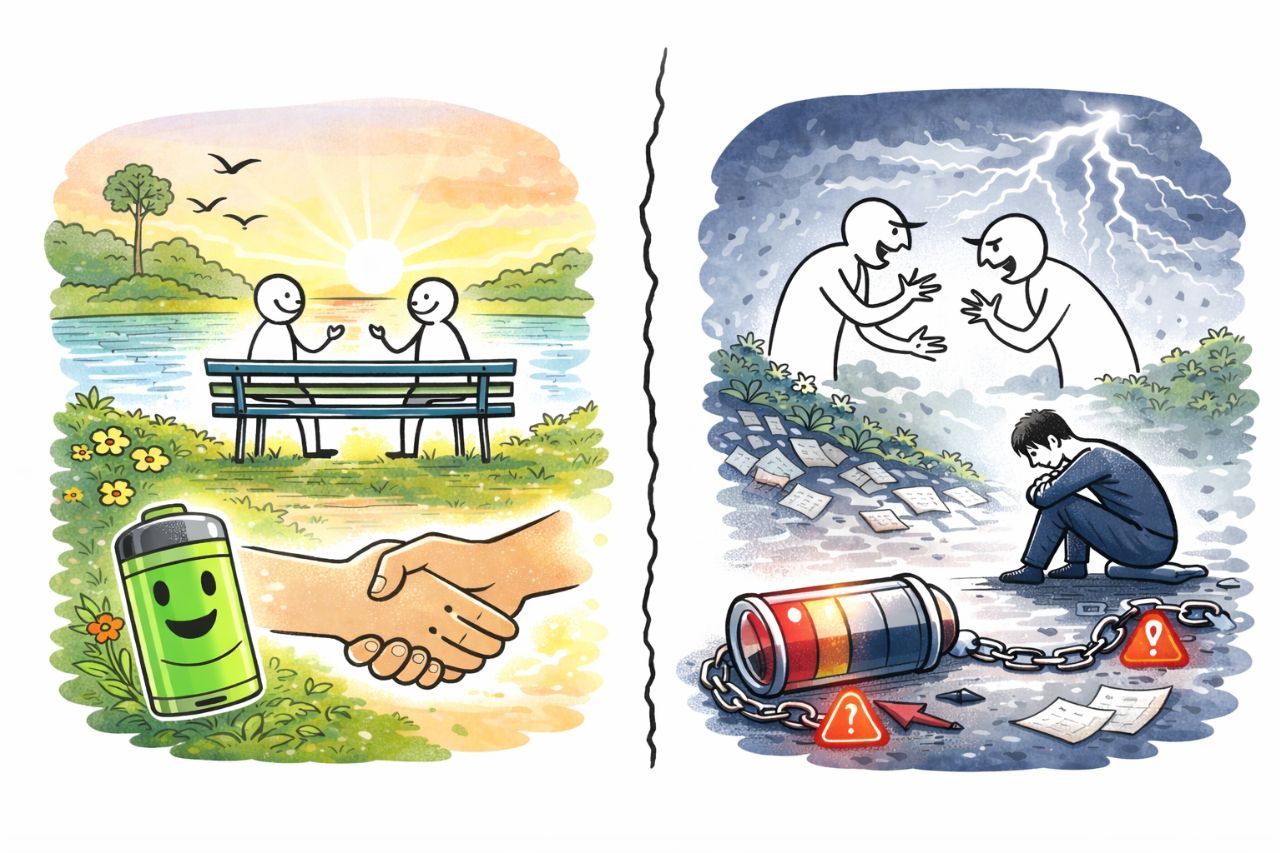
Kindness also sends a clear signal to the nervous system that you’re safe and supported. When people feel connected, the body eases out of constant alert mode. Breathing slows. Muscles relax. Stress signals quiet down.
This shift is physical, not just emotional. Feeling supported helps the body settle, making it easier to think clearly, rest, and move through daily challenges without feeling constantly on edge.
Kindness and Emotional Well-Being
Some days feel heavy for no clear reason. On those days, doing something helpful for someone else can quietly change how you feel about yourself. It brings a sense of usefulness—a reminder that you still have something to offer, even when life feels hard.
That feeling supports emotional strength. People who help others often feel steadier, not because problems disappear, but because their role in the world feels clearer. This is part of why kindness is good for mental health. It supports mood without pressure to “be positive.” When actions align with care and purpose, emotions feel easier to manage and less overwhelming.
Perspective, Gratitude, and Emotional Flexibility
Pain has a way of narrowing focus. Everything starts to feel personal and heavy. Acts of care can gently widen that view. They don’t erase struggle, but they remind people that connection still exists.
Gratitude here isn’t forced cheerfulness. It’s noticing what helped today—a kind word, a shared moment, a small relief. That awareness helps emotions stay flexible instead of locked into one feeling. When perspective opens up, reactions soften, making it easier to move through challenges without feeling stuck.
The Physical Health Benefits Linked to Kindness
The body reacts to stress even when the mind tries to push through. Sleep suffers. Energy dips. Muscles stay tight. When this becomes constant, the body stays on high alert.
Simple acts of care and connection can help interrupt that cycle. Feeling supported allows the body to ease out of defense mode. Breathing slows. Tension releases. This shift supports physical balance, helping the body settle instead of staying worn down.
Long-Term Health Patterns and Longevity
Studies have found that people who help others—especially through regular volunteering—often show better physical health. This doesn’t mean kindness guarantees long life, but it does point to healthier patterns.
Staying active, connected, and useful supports daily functioning. Helping others becomes part of a healthy lifestyle, much like movement or rest. It works quietly in the background, supporting the body in realistic, everyday ways.
Connection, Belonging, and Reduced Isolation
Feeling disconnected can be just as harmful as physical illness. Small moments of care help bridge that gap. A shared laugh, a check-in, or a listening ear builds trust between people.
Belonging protects mental health. When people feel valued, they’re more likely to stay connected and reach out. Giving and receiving kindness strengthens families, friendships, and communities.
As these connections grow, isolation shrinks. Everyday interactions start to feel warmer and safer, creating stronger social ties that reach beyond individuals and into the wider community.
Why Kindness Tends to Multiply
People notice how they’re treated. When care shows up, it sets an example. Others pick up on it and respond in similar ways.
This spread isn’t planned—it’s natural. Kind actions lower barriers and make kindness feel normal. As more people participate, group behavior shifts. Workplaces feel more supportive. Communities feel more cooperative.
Instead of staying with one person, care moves outward. These shared moments build a culture where respect and support are expected, not rare.
Practicing Kindness Without Burnout or Pressure
Not every kind act will fit every season of life. Some days you have energy to help others in bigger ways. Other days, you don’t—and that’s normal. Healthy kindness works best when it matches your time, energy, and interests.
People stay consistent when kindness feels natural, not forced. Doing what feels manageable helps care remain steady instead of turning into another demand. This balance matters, especially when understanding why kindness is good for mental health. When kindness fits your life, it supports well-being instead of adding pressure. The goal isn’t doing more. It’s doing what feels right and realistic.
Knowing When to Pause and Reset
Giving too much can quietly lead to exhaustion. Emotional fatigue often shows up as irritability, numbness, or resentment. These are signs it’s time to slow down.
Healthy kindness includes limits. Saying no, taking breaks, and protecting your energy are not selfish—they keep kindness sustainable. Pausing doesn’t mean you care less. It means you’re paying attention. That awareness creates space to turn care inward, which leads naturally to self-kindness.
Why Being Kind to Yourself Matters Too
Being kind to yourself isn’t a reward or a luxury. It’s a form of care that helps emotions settle. When people respond to themselves with patience instead of criticism, emotional reactions soften.
Self-compassion supports mental health by reducing shame and pressure. It allows room to recover after hard moments instead of pushing through at all costs. Treating yourself with the same care you offer others helps keep emotions steady and manageable.
Everyday Ways to Practice Self-Kindness
Self-kindness often shows up quietly. It looks like rest without guilt, realistic expectations, and permission to slow down. It means accepting that not every day will be productive or easy.
Simple choices matter:
- Taking breaks when tired
- Letting “good enough” be enough
- Allowing space for rest and reflection
These habits support balance and protect energy.
Conclusion
Kindness supports mental and physical health through steady, realistic patterns. It doesn’t need perfection or constant effort to make a difference. What matters is consistency—showing care in ways that fit daily life.
When kindness becomes part of how people treat others and themselves, it strengthens individuals and communities alike. It supports connection, balance, and well-being without pressure.
At its core, kindness is accessible. It’s human. And practiced in everyday ways, it quietly shapes a healthier, more supportive life for everyone involved.