

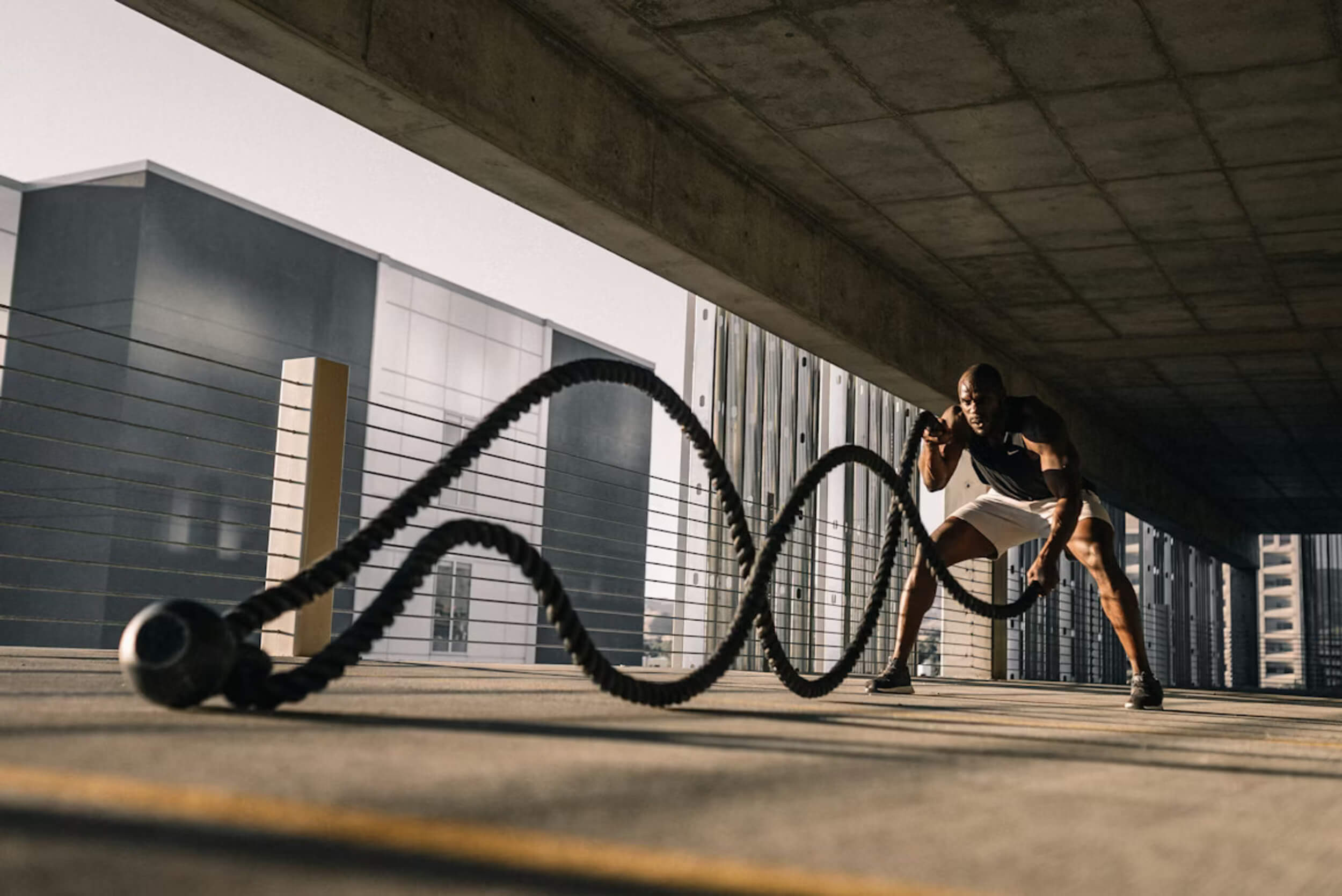
There comes a point when workouts that once felt strong start to feel heavy. Maybe you still show up, still push, still sweat—but instead of feeling clear and energized afterward, you feel worn down. Sore in a way that lingers. Tired in a way sleep doesn’t fix. For a long time, many of us were taught that a “good” workout had to leave us breathless and exhausted. If it wasn’t hard, it didn’t count.
That belief sticks with you. You learn to measure effort by pain, progress by how drained you feel. But over time, your body starts sending quieter messages. It recovers more slowly. It asks for breaks. It responds better to care than force.
This is often where gentle movement enters the picture—not as giving up, and not as doing less, but as doing something different. Strength begins to look like consistency. Health starts to feel more steady than extreme. Movement becomes something that supports your life instead of competing with it.
This shift brings relief. It also raises questions. If slowing down feels better, why did we believe harder was always better? And more importantly, why gentle movement can be just as powerful as intense workouts may have less to do with effort—and more to do with listening.
Rethinking What “Effective Exercise” Really Means
For many people, effective exercise has long been judged by how hard it looks. Heavy sweating. Burning muscles. Feeling completely wiped out afterward. If soreness didn’t show up the next day, it was easy to think the workout failed. That belief comes from a culture that praises pushing through pain and treats effort like proof of success.
That mindset spills into fitness without us noticing. Workouts start to feel like tasks to complete instead of care for the body. Faster feels better. Harder feels more valid. But the body doesn’t respond to pressure the same way a schedule does.
Results aren’t always obvious right away. Better balance. Fewer aches. More steady energy. These changes don’t scream for attention, but they matter deeply. Gentle movement reshapes what effectiveness looks like. It supports the body instead of forcing it. It allows strength to grow without breakdown.
Understanding why gentle movement can be just as powerful starts when we stop measuring success by exhaustion and stay open to what the body is quietly telling us.
How the Body Responds to Gentler Forms of Movement
When movement is gentle and steady, the body stays relaxed instead of defensive. Low-impact activity helps blood move more freely, bringing oxygen and nutrients to muscles and joints. That steady flow helps joints stay smooth and muscles stay active without strain.
This type of movement builds strength and stamina in a calm, supportive way. Muscles stay engaged. Joints remain flexible. The body learns to move efficiently rather than bracing for impact. Because the effort is controlled, the risk of injury stays lower.
Breathing also changes. Instead of gasping or holding tension, breaths become deeper and more even. Movements fall into a natural rhythm. Effort feels guided, not forced.
One of the biggest benefits shows up after you stop moving. Recovery feels easier. Soreness doesn’t linger as long. Energy returns instead of crashing. When the body isn’t pushed to extremes each session, it has more room to repair and reset.
This physical response naturally leads into something just as important—how gentle movement supports the nervous system.
The Nervous System Benefit We Rarely Talk About
Intense workouts don’t just challenge muscles. They also activate the body’s stress response. Heart rate jumps. Breathing shortens. Stress hormones rise. In small doses, that can be useful. When it happens too often, the body stays tense and alert.
Gentle movement sends a different message. Slow, controlled motion paired with steady breathing tells the nervous system that it’s safe to relax. There’s no rush. No threat. No need to brace.
This matters more than many people realize. Lower stress levels are linked to better mood, steadier energy, and improved focus. People often finish gentle movement feeling calm instead of drained.
That sense of ease makes consistency easier. Movement stops feeling like something to survive and starts feeling supportive. This is one reason why gentle movement can be just as powerful. When the nervous system feels balanced, the body is more open to strength, healing, and steady progress.
Consistency Over Intensity Builds Long-Term Strength
Many fitness routines follow the same pattern: push hard, burn out, stop, then start again later. This cycle feels productive at first, but it rarely lasts. Intense workouts demand high energy, long recovery, and perfect timing—things most people don’t have every day.
Gentle movement supports consistency because it fits real life. It’s easier to recover from, easier to repeat, and easier to stick with. Showing up regularly becomes possible instead of exhausting.
As this pattern settles in, the body starts to feel reliable. Muscles respond. Joints stay ready. Energy feels more stable. That reliability builds trust. You stop worrying about setbacks and start moving with confidence.
Short bursts of intensity can have value, but they can’t replace steady routines. Strength built through consistent care tends to last longer and supports people through busy schedules, stressful seasons, and physical changes without forcing restarts.
Why Gentle Movement Works at Every Stage of Life
Bodies change. Energy levels shift. Recovery needs grow or shrink depending on stress, age, injury, pregnancy, or hormones. Gentle movement adjusts to those changes instead of pushing against them.
This doesn’t mean intense exercise is bad. It simply isn’t always the right fit. Gentle movement offers flexibility. It supports beginners who are just starting. It helps older adults stay mobile. It allows people returning after a break to rebuild confidence without fear.
What makes this approach powerful is choice. You control the pace. You adjust based on how your body feels that day. That sense of control keeps movement respectful rather than punishing.
This kind of movement supports long-term health. Joints stay healthier. Muscles remain active. Balance improves. Most importantly, movement stays part of life instead of something people feel pushed out of.
Because gentle movement adapts to different needs, it fits naturally into daily routines and supports staying active for years, not just short phases.
Gentle Movement in the Context of Real Life
Most people don’t skip movement because they don’t care. They skip it because they’re tired, busy, or stretched thin. Long days, short breaks, low energy—it adds up. That’s where gentle movement fits best. It doesn’t ask for perfect timing or extra hours. It works inside the life you already have.
Movement doesn’t need its own time slot to matter. It can show up while walking the dog, stretching between tasks, or taking a few slow minutes to move your body before bed. The goal isn’t a flawless session. It’s showing up in ways that feel possible.
Gentle movement allows flexibility. Some days you do more. Some days you do less. Both count. Effort can change without meaning you failed. This approach makes space for real life instead of fighting it.
When movement fits your day instead of interrupting it, progress starts to feel steady instead of stressful. That opens the door to a new way of thinking about results—one that isn’t based on pressure.
Redefining Progress Without Metrics or Punishment
Many people judge progress by numbers. Calories burned. Minutes logged. Pace tracked. While those tools can be useful, they don’t tell the full story. They also miss changes that matter just as much.
Progress can look like:
- Moving with less stiffness
- Feeling calmer after activity
- Recovering faster between sessions
- Sleeping more deeply
- Having steady energy during the day
These signs don’t come from pushing harder. They come from paying attention. Gentle movement encourages you to notice how your body feels instead of chasing outside approval.
When you focus on internal signals—comfort, balance, ease—you build awareness. That awareness leads to better choices. You learn when to rest, when to move, and when to stop.
This shift creates a kinder relationship with exercise. Movement becomes support, not punishment. And that mindset is a big reason why gentle movement can be just as powerful as more intense routines.
When Intensity Still Has a Place
Gentle movement doesn’t mean avoiding challenge. Strength, speed, and effort still matter. They just don’t need to happen every day. Intensity works best when it’s balanced, not constant.
Low-impact days help the body recover so higher-effort days feel stronger and safer. Muscles respond better. Joints feel more ready. Energy feels steadier. Instead of choosing sides—gentle or intense—you learn to use both with purpose.
The key is listening. Some days your body asks for challenge. Other days it asks for care. Neither request is wrong. Rigid rules often lead to burnout. Flexible choices support long-term health.
When intensity is added thoughtfully, it enhances movement rather than competing with it. This balance allows strength to grow without wear and tear, and it supports a routine that lasts.
Conclusion
Strength isn’t always loud. It doesn’t always leave you breathless or sore. Sometimes strength looks like showing up without forcing. Sometimes it looks like stopping before damage sets in.
Gentle movement proves that care and effectiveness can exist together. It supports the body, steadies the mind, and fits real life. It builds strength in ways that last, not just in ways that impress.
Trust matters here. When movement feels sustainable, you’re more likely to keep going. That consistency supports health, confidence, and resilience through all stages of life.
Understanding why gentle movement can be just as powerful isn’t about rejecting intensity. It’s about choosing what supports you best. Movement should add to your life, not drain it. When it feels supportive instead of demanding, it becomes something you return to—not something you escape from.