



Back pain has a way of sneaking into everyday life. One day you’re fine, and the next you’re standing up slowly, avoiding certain movements, or wondering why your body feels stiff before the day even starts. Almost everyone deals with it at some point, which is exactly why back pain is so common. It’s not about being weak or doing something wrong. It’s about how much the back is asked to handle, day after day.
Your back supports nearly everything you do—sitting, walking, lifting, turning, even resting. It’s strong enough to carry you through life, but sensitive enough to react when it’s overworked, rushed, or ignored. Long hours sitting, sudden bends, stress, or repeating the same motions can quietly add up.
What makes back pain frustrating is how disruptive it feels. What makes it hopeful is that most cases are manageable. With the right habits and understanding, the back often responds well—and relief becomes realistic instead of out of reach.
How the Back Is Designed to Support Daily Life
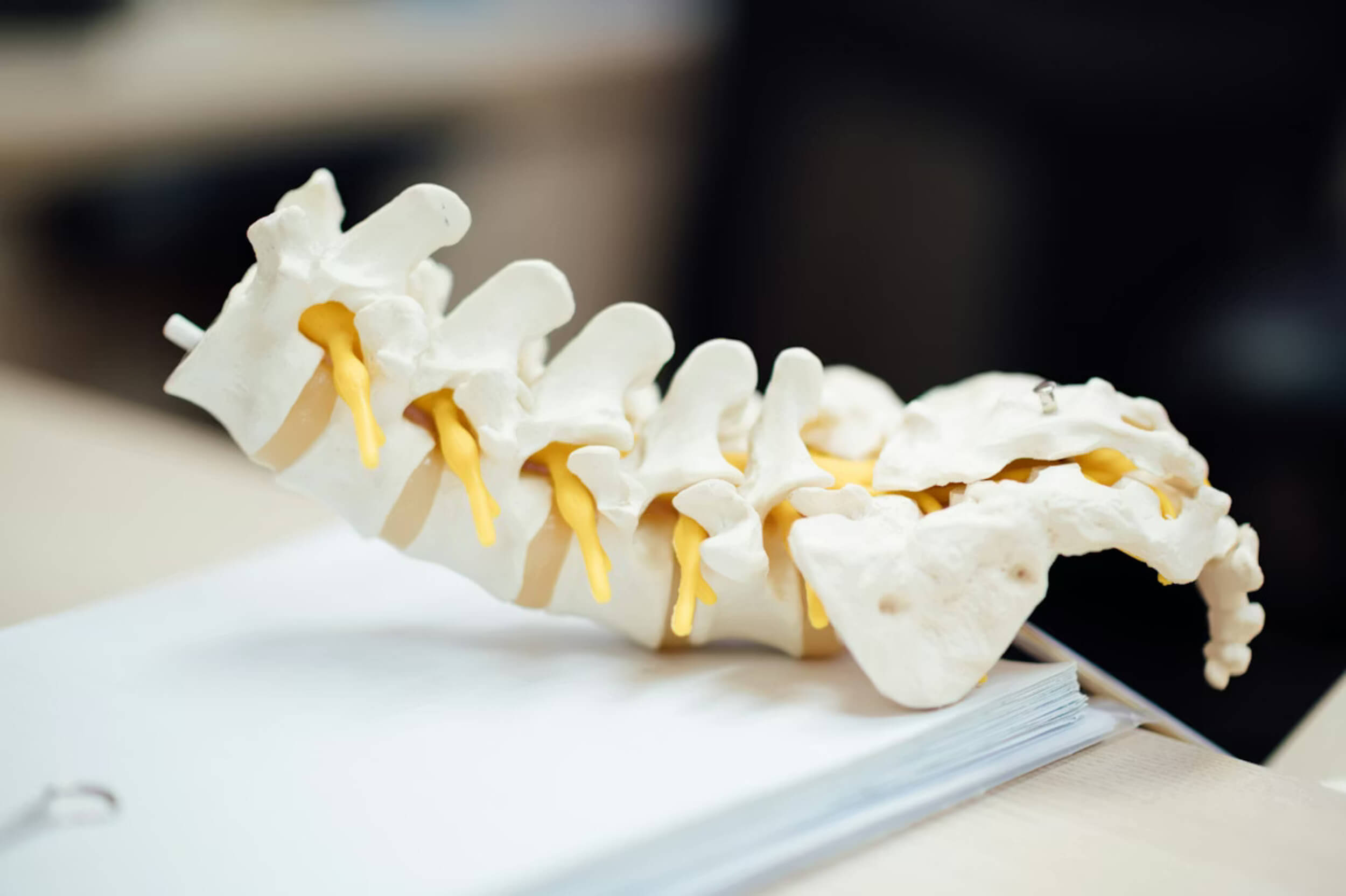
Your back isn’t just one solid piece. It’s a team effort. Bones, muscles, discs, and joints all work together every time you move. The spine gives structure. Muscles help you stay upright and shift positions. Discs act like cushions between the bones. Joints allow smooth motion so you can bend, turn, and reach without thinking about it.
The lower back does the heaviest work. It carries most of your body weight and transfers force whenever you sit down, stand up, walk, or lift something. Even small actions—tying your shoes, reaching for a bag, getting out of bed—depend on the lower back working well.
What makes this system impressive is also what makes it busy. Your back is always on duty. It doesn’t get breaks between tasks. Over a single day, it supports thousands of tiny movements, often without support from strong muscles or varied motion.
In simple terms, the back is built to move and adjust. It’s strong enough to handle daily life, but flexible enough to respond to change. That constant demand is part of normal design—not a flaw.
Why Back Pain Is So Common Today
Back pain isn’t happening because people are careless or lazy. It’s happening because daily life has changed faster than the body has. This helps explain why back pain is so common across all ages, jobs, and routines.
Here are some everyday patterns that quietly strain the back:
- Long hours sitting still
Chairs, couches, cars, and screens keep the body in one position for too long. Muscles that don’t move often get tight and tired. - Sudden movements without warm-up
Bending fast, lifting quickly, or twisting without support can catch the back off guard. - Doing the same motions every day
Repeating the same tasks without variety can overwork certain muscles while others stay weak. - Less natural movement overall
Many people don’t walk, stretch, or change positions as often as the body prefers.
There’s also aging, which is normal. As years pass, discs and joints change slightly. This doesn’t mean damage—it means adaptation. Most people have these changes whether they feel pain or not.
Stress plays a role too. When life feels tense, the body often tightens without noticing. Muscles stay guarded, breathing becomes shallow, and discomfort can feel stronger.
None of this means something is broken. It means the back is reacting to daily habits—and those habits can change.
What Back Pain Can Feel Like—and Why It’s Different for Everyone
Back pain doesn’t show up the same way for everyone. For some, it feels like a dull ache that never fully goes away. For others, it’s stiffness in the morning that eases once the body starts moving. Sometimes it feels sharp, sudden, or even travels into the hips or legs. This wide range is part of why back pain is so common—the back responds to many signals, not just one problem.
People often notice patterns like these:
- Pain that feels worse after sitting too long
- Stiffness first thing in the morning or late at night
- Discomfort that eases with gentle movement
- Pain that flares during stress or fatigue
Back pain can change based on position, time of day, or activity level. That doesn’t mean something serious is happening. Pain is influenced by muscles, joints, nerves, and even how alert the nervous system feels. Strong pain does not always mean a severe injury, and mild pain doesn’t mean nothing is wrong. Variation is normal—and often expected.
Common Sources of Back Pain Without the Medical Overload
Back pain usually comes from everyday body stress, not a single dramatic cause. Many sources overlap, which explains why back pain is so common and sometimes hard to pin down.
Here are the most common contributors, explained simply:
- Muscle and ligament strain
Muscles and soft tissues can get overworked from lifting, bending, or holding the same position too long. These strains often heal well with time and support. - Disc-related changes
Discs act like cushions between the bones of the spine. Over time, they can flatten or shift slightly. Many people have these changes and feel no pain at all. - Joint and alignment issues
Small joints in the spine help with movement. When they get stiff or irritated, discomfort can follow—especially during certain movements.
What’s important to know is this: structure doesn’t always equal pain. Many people have changes on scans and feel fine. Others feel pain even when images look normal. Pain can exist without visible damage, and changes can exist without pain.
Back pain is often the result of how these systems work together on a given day—not a single broken part.
How Back Pain Is Usually Evaluated
When someone seeks help for back pain, providers usually start with the basics. They listen. Symptoms, daily habits, past injuries, and how the pain behaves over time matter more than any single test. Movement patterns—how you sit, stand, bend, or walk—offer useful clues.
In many cases, imaging tests like X-rays or scans aren’t needed right away. They’re most helpful when pain is severe, long-lasting, or paired with warning signs. This is because many findings on scans are common and don’t always explain pain.
Evaluation isn’t about hunting for one “bad” spot. It’s about ruling out serious issues and understanding the full picture. For most people, reassurance, guidance, and simple steps forward are more helpful than extensive testing.
Back pain care works best when it focuses on function, not fear—and on helping the body feel safe enough to heal.
What Actually Helps Most People Improve
When back pain shows up, the first instinct is often to stop moving and wait it out. Rest can help at first, but staying still for too long usually slows recovery. The back is built to move, and gentle movement helps bring blood flow, ease stiffness, and remind the body that it’s safe to move again. This is a big part of why back pain is so common—and also why motion matters in healing.
What tends to help most people looks simple, not extreme:
- Gentle, regular movement
Short walks, light stretching, and changing positions often help more than long rest. Movement keeps muscles from tightening up. - Physical therapy with a purpose
Physical therapy isn’t just about fixing pain. It helps rebuild strength, balance, and trust in your body. Learning how to move with confidence again is a big part of recovery. - Medications as short-term support
Pain relievers or anti-inflammatory meds can help calm pain enough to stay active. They work best as temporary tools, not long-term answers. - Hands-on care when needed
Treatments like massage, guided manipulation, or injections can help in specific cases. These are options, not requirements, and they’re usually part of a bigger plan.
Improvement often happens step by step. The goal isn’t to rush pain away, but to help the back feel supported, capable, and steady again.
What Recovery and Long-Term Outlook Really Look Like
Recovery doesn’t always follow a straight line. Many people feel better within weeks and return to normal activities. Others notice flare-ups that come and go. This doesn’t mean something is broken or getting worse. It reflects how the body responds to stress, activity, and daily habits.
Back pain can be part of a pattern rather than a permanent state. Pain returning once in a while doesn’t erase progress. It often means the back needs a little more care or adjustment at that moment.
What matters most over time is consistency:
- Noticing early signs of stiffness or fatigue
- Responding with movement or rest when needed
- Staying active even when things aren’t perfect
With patience and steady habits, many people regain confidence and function—even if occasional discomfort shows up.
Reducing the Chances of Future Back Pain
Preventing back pain isn’t about doing everything right. It’s about giving the body regular support. Small habits, done often, make a real difference.
Helpful patterns include:
- Moving throughout the day, not staying in one position too long
- Building basic strength, especially in the core and hips
- Lifting with care, keeping items close to the body
- Getting enough sleep, which helps muscles recover
- Staying generally active, even with short walks or light movement
None of this needs to be perfect. Life is busy, and bodies aren’t machines. When movement, rest, and awareness become part of daily life, the back tends to handle stress better. Over time, these habits can lower flare-ups and help explain not just why back pain is so common, but how it can become less disruptive.
When Back Pain Needs Medical Attention
Most back pain is not dangerous, even when it’s uncomfortable. Still, there are times when getting medical help is important. These signs don’t mean panic—they mean it’s time to check in.
Pay attention if back pain comes with:
- Numbness or weakness in one or both legs
- Trouble controlling bladder or bowel movements
- Fever or chills along with back pain
- Unexplained weight loss or feeling very unwell
- Pain after a serious fall or accident
These symptoms can point to something that needs prompt care. Knowing when to seek help is part of understanding why back pain is so common—and when it’s okay to pause and ask for support.
Conclusion
Back pain can feel limiting, but it doesn’t define who you are or what you can do. Many people live full, active lives while managing occasional discomfort. The goal isn’t to erase every sensation—it’s to move, rest, and live with more ease.
Helpful ways people adjust include:
- Listening to early signs of tension or fatigue
- Staying gently active instead of waiting for pain to disappear
- Asking for help when pain starts to interfere with daily life
- Focusing on what the body can do, not just what it feels
Understanding why back pain is so common can ease fear and self-blame. With support, patience, and steady habits, the back often becomes more reliable. Life doesn’t have to shrink around pain—it can keep moving forward, one step at a time.