



Have you ever felt suddenly tired, thirsty, or “off” after a meal and never knew why? Moments like these are often tied to blood sugar spikes, and the chain reaction they set off inside the body happens much faster than most people realize. When glucose rises too quickly, hormones rush to respond, inflammation can start to build, and your blood vessels and energy systems work overtime to bring things back to balance.
These reactions happen in everyone, not just people with diabetes — but they hit much harder when insulin resistance is already in the picture. Knowing what’s happening behind the scenes helps you catch early signs, protect your long-term health, and make choices that support a steadier body. Understanding these shifts gives you real control, and that’s where lasting health wins begin.
What a Blood Sugar Spike Actually Is
Sometimes a meal hits your system faster than you expect, and your body reacts almost instantly. That shift begins the moment glucose from food moves into your bloodstream. Meals packed with fast carbs raise sugar levels quickly, sending them upward before your body has time to respond. A spike isn’t just “high sugar.” It’s a sharp rise that happens faster than your cells can pull in the energy they need.
Insulin steps in to help, but the size of the spike depends on how quickly your pancreas reacts, how well your cells respond, and how smoothly the timing works. When those pieces fall behind, the rise becomes steeper. Stress, certain medications, illness, and gaps in diabetes care can also trigger sudden changes that lead to the same sharp jump.
Insulin steps in to move glucose into your cells, but the size of the spike depends on three things: how quickly your pancreas reacts, how sensitive your cells are, and when insulin shows up. When these steps move too slowly, the rise becomes sharper.
Food isn’t the only trigger. Stress, certain medications, illness, and gaps in diabetes care can all create moments where blood sugar spikes appear without warning.
How Your Body Reacts the Moment Blood Sugar Shoots Up
Right after the spike starts, your hormones move fast. The pancreas releases insulin, while glucagon — the hormone that usually raises sugar — backs off. If stress enters the picture, hormones like cortisol and adrenaline can push glucose even higher.
Once insulin arrives, your cells open up and let glucose in. Think of this as tiny “doors” that respond to insulin’s signal. But when the body has trouble using insulin well, those doors don’t open easily. This is where problems begin. People with weaker insulin responses, lower insulin production, or inflammation feel the spike more intensely and may notice symptoms sooner.
These early reactions matter because they decide how long the spike lasts. A quick recovery feels smooth. A slow one leads to symptoms that are harder to ignore. When these patterns repeat often, the body starts sending stronger signals that something needs attention — long before any long-term issue develops.
The Physical Symptoms You May Notice During a Spike
Many people feel the effects before they ever check their meter. These sensations often show up quietly, then return more often as spikes repeat.
Early, Short-Term Symptoms
You may notice:
• Thirst — your kidneys work harder to flush out the extra sugar.
• Frequent urination — a direct result of that extra filtering.
• Blurry vision — fluid shifts in the eyes can change how things look.
• Head pressure or headaches — caused by fast changes in glucose levels.
• Sudden fatigue — your cells can’t pull in energy fast enough.
• Hunger right after eating — your body senses that cells are still waiting for fuel.
These symptoms often appear during a single spike and usually fade once levels come back down. But when they happen often, it’s a sign that your body is working harder than it should.
When Symptoms Become More Pronounced
More noticeable signs can build when spikes repeat:
• Slow-healing cuts
• Recurring infections
• Irritability or mood swings
• Deep tiredness that doesn’t match activity level
• Dry or itchy skin
These changes point to frequent spikes, not just a one-time rise. They show that tissues, nerves, and immune defenses are under constant pressure. When the body deals with elevated sugar too often, everyday repairs slow down. People may also feel more drained, more frustrated, or more sensitive to small changes because their energy systems are constantly trying to keep up.
What’s Happening Inside Your Body — Beyond the Symptoms
Inside the body, effects begin long before symptoms appear. Spikes work silently on tissues that keep your heart, nerves, and digestion running smoothly. Over time, repeated blood sugar spikes create small changes that add up in ways most people never feel until later.
Your Blood Vessels Take the First Hit
High glucose pushes against delicate vessel walls and irritates them. Over time, this irritation stiffens the vessels and makes them less flexible. Blood must work harder to move through these tighter spaces. The smallest vessels — in the eyes, kidneys, and nerves — are affected first because they are thin and sensitive. When they weaken, early signs may include mild vision changes or slight swelling in the legs, long before bigger problems develop.
Your Nerves and Brain React Next
Glucose swings can interrupt nerve signals, leading to tingling, numbness, or small changes in balance. These shifts can also affect how the brain handles focus and mood. Fast rises and drops may leave someone feeling foggy, forgetful, or more emotional than usual. When spikes continue for years, nerve fibers lose their protective layers and become slower to respond. This is when long-term nerve problems can start to form.
Your Digestive System Slows Down
High glucose affects how quickly the stomach empties. Some people feel full early, while others feel bloated or nauseated after eating. Food stays in the stomach longer and moves slowly into the intestines. When this pattern repeats over time, it increases the chance of developing gastroparesis, a digestive issue more common in people with diabetes. Even mild delays can make eating feel less comfortable.
Why Blood Sugar Spikes Happen in the First Place
Many people think food is the only cause, but blood sugar spikes can come from several sources. Meals play a major role, but hormones, medications, and health conditions can also affect how the body handles glucose.
Food-Related Triggers
Common food triggers include:
• Large portions of refined carbs — they break down fast and enter the bloodstream quickly.
• Sugary drinks — liquids raise sugar faster than solid food.
• Meals with low fiber or protein — nothing slows absorption.
When the rise is too quick, the body can’t respond in time, and the spike becomes sharper.
Hormonal and Stress-Driven Spikes
Stress hormones — cortisol and adrenaline — push stored sugar into the bloodstream as a “quick fuel” response. Illness and infections make the body less sensitive to insulin, allowing sugar to climb higher than usual. The dawn phenomenon also appears in many people: early-morning hormones cause sugar to rise before breakfast.
Medication- and Health-Related Triggers
Some medications, such as corticosteroids and certain blood pressure drugs, can raise glucose. Conditions affecting the pancreas — including autoimmune reactions, chronic inflammation, or cancer — reduce insulin production. When insulin supply is low, even small amounts of sugar stay in the bloodstream longer.
The Long-Term Consequences of Repeated Spikes
Repeated spikes slowly change how organs work. These shifts build up quietly but lead to well-known health problems when ignored.
Cardiovascular Strain
Chronic spikes stiffen artery walls and make them narrower. This forces the heart to push harder. Over time, plaque forms more easily, increasing the risk of heart attack or stroke. Many people don’t feel these changes until later in life, which is why early control matters.
Kidney and Eye Complications
Kidneys must filter blood nonstop, and high glucose makes the job harder. Tiny vessels inside them weaken under pressure. The same happens in the eyes — the smallest vessels in the retina become fragile, leading to vision changes. Long-term high sugar speeds up this damage and is often silent until major symptoms appear.
Nerve and Digestive Dysfunction
Nerves lose their protective coating when glucose stays high too often. People may feel numbness or tingling in their hands or feet. The digestive organs can also lose rhythm, making meals feel unpredictable. These issues show how long-term spikes affect more than blood sugar alone.

How Blood Sugar Spikes Are Diagnosed
Doctors look at different patterns to understand what’s happening: short-term rises, long-term exposure, or both. Each test gives a different piece of the picture.
Tests Used in Clinics
• Fasting glucose — measures sugar after not eating overnight.
• Oral glucose tolerance test — shows how the body handles sugar over a few hours.
• A1C — reflects average levels over three months.
• Random glucose tests — capture unexpected highs.
Together, these results help pinpoint patterns that need attention.
Tools Used at Home
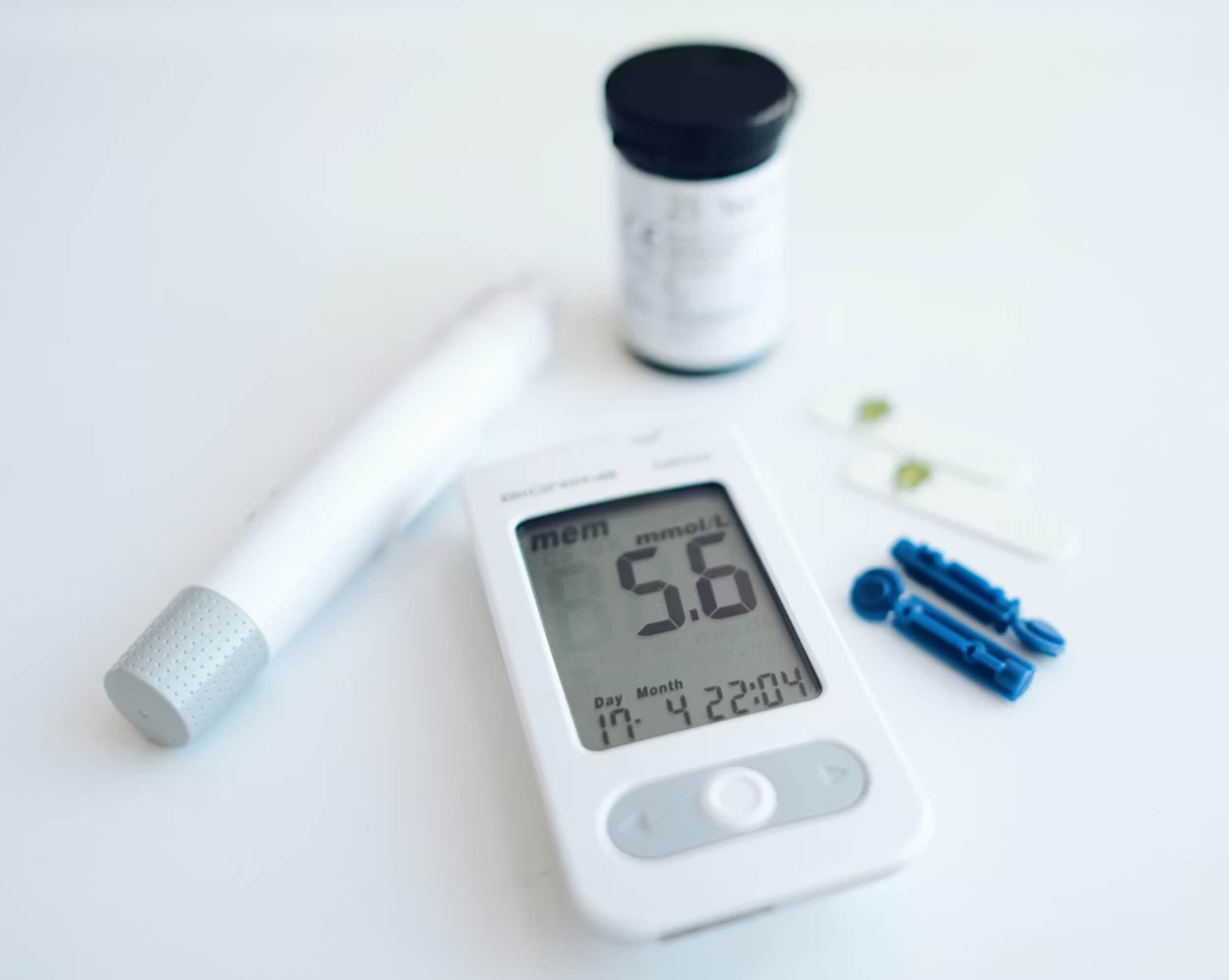
• Glucose meters — quick checks for daily changes.
• CGMs — track trends through the day and night.
If a CGM shows a number that doesn’t match symptoms, a finger-stick check gives a more accurate answer.
What Helps Bring a Spike Down Safely
The main goal during a spike is simple: help glucose move into the cells that need it.
Approaches for People Using Insulin
• Corrective insulin dosing
• Checking injection sites or pump flow
• Timing insulin so it works with meals
These steps help bring levels down and prevent the spike from lasting too long.
Approaches for Those Not Using Insulin
• A short walk after eating
• Balanced meals with protein and fiber
• Drinking water to support the kidneys
• Medication adjustments guided by a professional
These habits help move sugar into cells naturally.
Practical Ways to Reduce the Number of Spikes You Experience
Prevention is easier than correcting a spike, and small habits make the biggest difference.
Build Consistent Eating Patterns
• Avoid skipping meals
• Pair carbs with protein
• Spread carbs across the day
These steps help keep sugar rises gentle and predictable.
Keep Routine Movement in Your Day
• Short walks
• Light strength training
Movement makes cells more sensitive to insulin, helping your body handle glucose better.
Work With Your Care Team Regularly
• Medication checks
• Nutrition planning
• Tracking long-term patterns
These updates keep your plan effective.
When a Spike Becomes an Emergency
Extremely high sugar can lead to diabetic ketoacidosis (DKA), a dangerous condition that needs immediate treatment. Warning signs include vomiting, stomach pain, dehydration, fruity breath, fast breathing, or confusion. Anyone showing these symptoms should seek medical care right away.
Conclusion: Why Understanding Spikes Protects Your Long-Term Health
Short-term spikes can feel small, but repeated ones affect the heart, nerves, kidneys, and energy levels over time. Knowing what causes them, what they feel like, and how to lower them gives you better control of your health. With steady habits, regular checkups, and the right support, many people reduce their spikes and protect their long-term well-being. Learning what your body needs is one of the strongest steps you can take toward a healthier future.