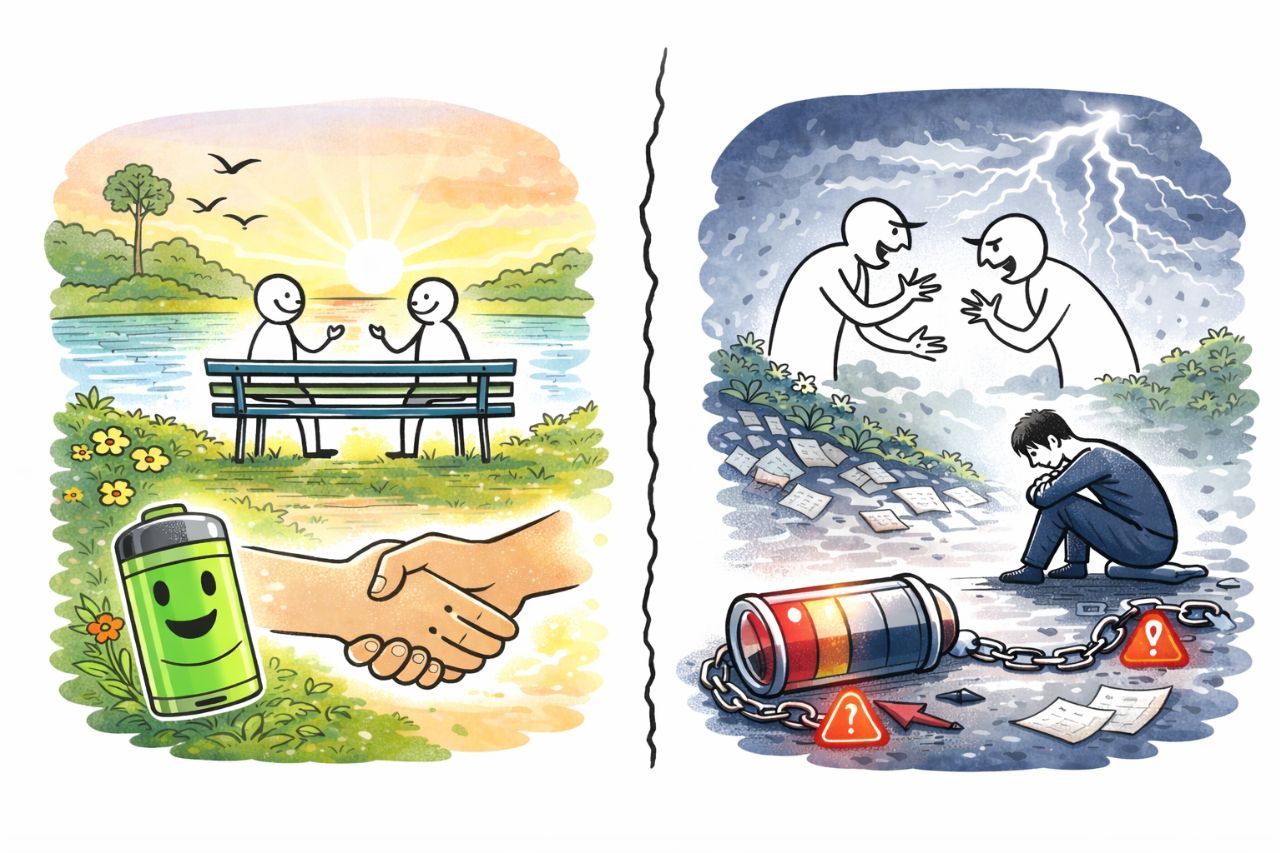




Financial stability doesn’t arrive in a big moment. There’s no single paycheck, promotion, or lucky break that suddenly makes everything feel secure. For most people, it forms quietly during regular days—when bills are paid, choices are made, and life keeps moving without much attention.
Many assume money security is tied to income or timing. In reality, financially stable people do differently by focusing on what they repeat, not what they hope will happen. They don’t depend on one smart decision to carry them forward. They rely on steady habits that hold up during normal weeks, tough months, and unexpected turns, including costs linked to health problems.
This kind of stability isn’t built through strict rules or constant sacrifice. It grows from how people think about money and how they act around it each day. The focus stays on control, clarity, and consistency—not pressure or fear. The sections ahead explain how these everyday patterns work together and why quiet choices often matter more than big financial moments.
How Daily Financial Behavior Shapes Long-Term Security
Most people think financial security comes from big moves. In reality, it grows from small choices made every day. Tiny actions repeat, and repetition is what builds results. Over time, those choices stack up—often without you noticing right away.
Daily awareness plays a big role here. When you know where your money stands, stress drops. Fewer surprises mean fewer late-night worries. This doesn’t require spreadsheets or strict rules. It starts with paying attention.
There’s also a difference between being “good with money” and being financially stable. Being good with money often sounds like tricks or perfect budgets. Stability looks quieter. It’s about habits that hold up even on busy or hard days. That’s where financially stable people do differently than most.
Common daily patterns include:
- Knowing what bills are coming up
- Making small choices on purpose
- Fixing issues early instead of avoiding them
These patterns matter more than systems. When daily behavior feels steady, long-term security follows naturally.
What Financially Stable People Tend to Do Each Day
The habits below aren’t rules, tips, or strict advice. They’re patterns that show up again and again when you look at how money actually works in real life. These are the small, repeatable behaviors that financially stable people do differently—without trying to be perfect.
What matters most is flexibility. These habits bend when life gets busy or stressful. They also work together. One habit supports the next, creating steady ground instead of pressure. It’s not about doing everything right. It’s about doing a few things consistently enough that money feels calmer and more predictable.
They Start the Day Aware of Their Financial Reality
Financially stable people usually have a clear sense of where they stand. They know what bills are coming up, what money is available, and what needs attention soon. This doesn’t mean checking accounts all day or stressing over every dollar.
Awareness often looks like:
- Knowing balances without obsessing
- Being clear on due dates
- Having basic priorities in mind
This habit prevents avoidance. When you’re aware, problems don’t grow quietly in the background. Fewer surprises mean fewer panic moments, which builds confidence over time.
They Treat Spending as a Conscious Choice, Not a Reaction
Spending becomes easier to manage when it’s done on purpose. Instead of reacting to stress, boredom, or ads, financially stable people pause before buying.
Common patterns include:
- Waiting before non-essential purchases
- Asking if something fits their priorities
- Choosing, not impulse-clicking
This doesn’t mean never spending money. It means deciding instead of reacting. That small pause cuts down regret and waste. Over time, spending feels more satisfying because it lines up with real needs and wants.
They Separate Short-Term Comfort From Long-Term Security
Comfort today and safety later aren’t the same thing. Stable people learn to tell them apart without feeling deprived.
They might:
- Enjoy small treats without risking bills
- Say no to upgrades that raise monthly stress
- Choose progress over quick relief
This mindset protects momentum, especially during emotional moments. When stress hits, long-term plans don’t fall apart. This separation is one reason financially stable people do differently when life feels overwhelming.
They Save Automatically Without Relying on Motivation
Motivation comes and goes. Systems stay.
Many financially stable people set savings to happen automatically. Money moves before they can debate it. Savings becomes non-negotiable, like rent or utilities.
Why this works:
- Fewer daily decisions
- Less mental effort
- More consistency
The amount matters less than the habit. Small, steady savings builds results over time, even during busy or tough seasons.
They Keep Fixed Expenses Predictable and Controlled
Big monthly swings create stress. Predictable expenses create breathing room.
Stable people often:
- Avoid constant lifestyle upgrades
- Keep subscriptions in check
- Review fixed costs once in a while
When required expenses stay manageable, there’s more freedom elsewhere. Predictability makes planning easier and reduces money-related tension.
They Pay Obligations Early to Reduce Mental Load
Unpaid bills take up space in your head. Financially stable people clear obligations early or automate them to remove that weight.
Benefits include:
- Fewer reminders and deadlines
- Less background stress
- More focus for other decisions
Once bills are handled, mental energy frees up. That clarity improves financial focus overall.

They Maintain an Emergency Buffer They Don’t Mentally Spend
An emergency fund only works if it’s treated like it’s off-limits.
Stable people:
- Keep it separate
- Don’t count it as extra cash
- Protect it from impulse use
This buffer reduces fear when life is unpredictable. Knowing it’s there allows calmer, clearer choices instead of rushed ones.
They Review Progress Briefly but Regularly
Long, intense money checkups often lead to burnout. Short, steady check-ins work better.
Common habits:
- Quick weekly looks
- Monthly trend checks
- Small adjustments as needed
These light reviews keep finances aligned with real life. Problems stay small. Progress stays visible.
They Limit Financial Noise and Comparison
Comparing finances can shake confidence fast.
Financially stable people often:
- Avoid constant money content
- Ignore unrealistic lifestyles online
- Focus on their own numbers
Tuning out noise protects emotional balance. Decisions become clearer when outside pressure fades.
They Allow Enjoyment Without Guilt or Overcorrection
Stability doesn’t mean cutting all fun.
Stable people plan enjoyment so it doesn’t undo progress. They spend without guilt and don’t punish themselves afterward. This balance prevents burnout and supports habits that last.
When enjoyment fits the plan, consistency gets easier—and financial stability grows stronger, not weaker.
Why These Daily Patterns Reduce Stress Over Time
Money stress often comes from not knowing what’s coming next. When daily habits create predictability, the mind relaxes. Bills feel expected instead of threatening. Savings feels real instead of wishful. That sense of order creates psychological safety.
Predictable patterns help because:
- You know what needs attention
- Fewer surprises show up
- Decisions feel clearer and calmer
When uncertainty drops, decision quality improves. You’re less likely to panic, avoid, or overreact. Small choices feel easier because the ground underneath them is steady. This is why financially stable people do differently when pressure shows up—they’ve already reduced chaos before it starts.
Financial calm often spreads into other areas of life. Sleep improves. Focus sharpens. Tension eases. When money feels manageable, daily life feels lighter too.
Financial Stability Is a Relationship, Not a Finish Line
Financial stability isn’t something you reach and keep forever. It’s something you manage as life changes. Income shifts. Needs grow. Priorities change. Habits adjust with them.
Thinking of money as a relationship helps because:
- It allows flexibility
- It removes all-or-nothing thinking
- It keeps habits realistic
What worked before may need updates later. That’s normal. Stability doesn’t come from doing everything intensely. It comes from showing up consistently.
Financially stable people do differently because they adapt instead of forcing old systems to work forever. They stay steady, not rigid. Over time, that approach creates strength that lasts through change.
Final Thoughts on Building Stability Through Daily Choices
Financial outcomes are shaped quietly. They grow from everyday actions that rarely feel dramatic. One small decision supports the next. Over time, those choices build confidence.
Progress matters more than perfection. Missed days don’t erase good habits. What counts is returning to steady behavior again and again.
A grounded approach to money gives control back to you. Awareness replaces worry. Simple habits replace pressure. When daily choices feel calm and intentional, long-term stability follows naturally.
You don’t need to do everything right. You just need habits that support you more often than they work against you. That’s how confidence grows—and why stability lasts.