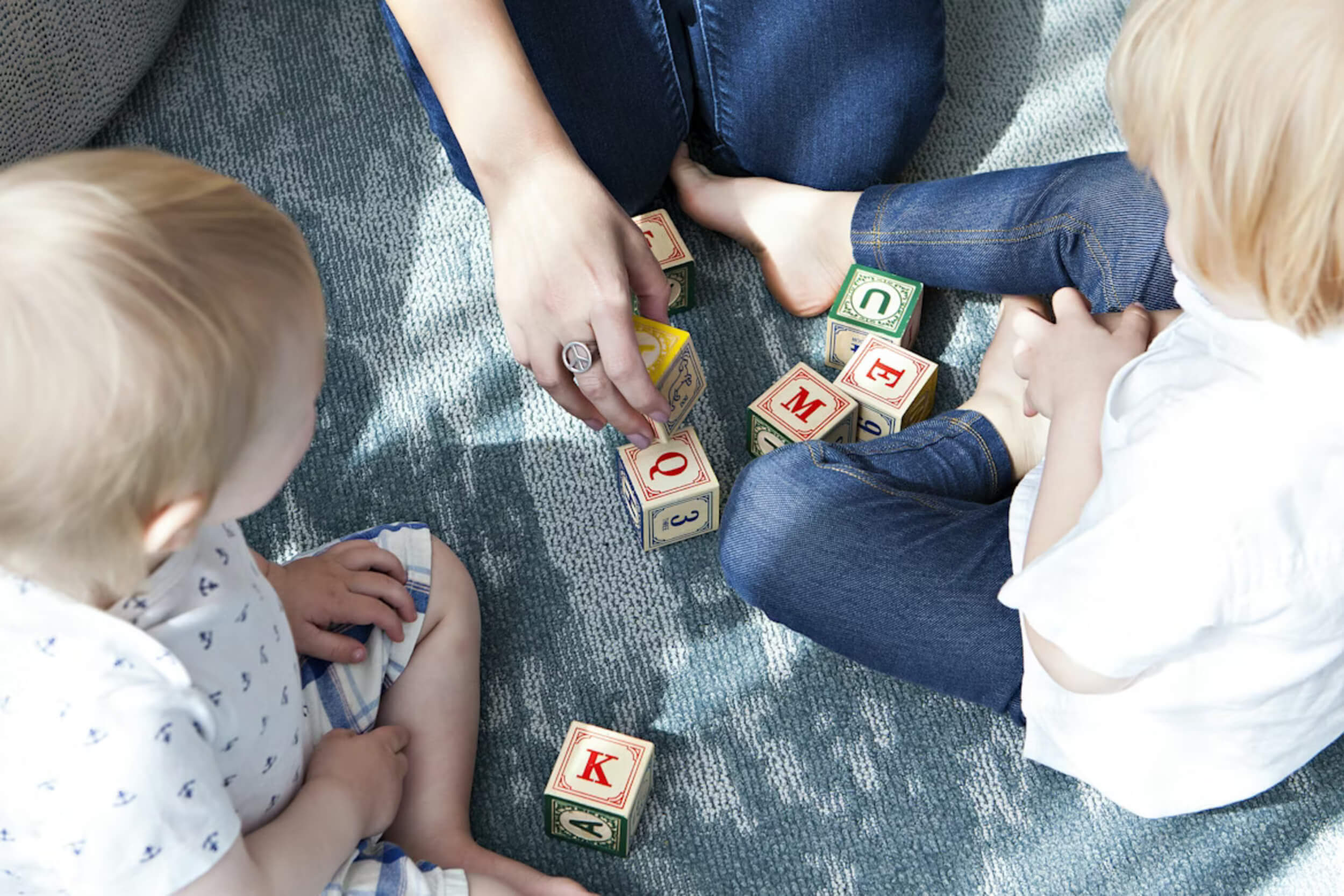




Most parents want the same thing: to see their children grow into happy, capable people. It’s easy to think success means good grades, trophies, or getting into a great school. Those things can matter, but they don’t always tell the full story.
Many adults who looked “successful” as kids later struggle with confidence, stress, or relationships. At the same time, some children who were not top students grow into thoughtful, strong, and fulfilled adults. This raises an important question: what children really need to thrive?
Child development research from psychologists and pediatric experts points to something much simpler than many people expect. Children do best when their everyday lives include steady support, safe relationships, chances to try new things, and the freedom to grow at their own pace.
These experiences quietly shape how children think about themselves and the world around them. They build confidence, curiosity, and emotional strength—qualities that matter far more than any report card.
When parents understand what children really need to thrive, the focus shifts away from pressure and toward the daily habits that help children grow into capable, caring adults. The surprising part? Many of these powerful influences are already within reach in everyday family life.
The Conditions That Help Children Grow Into Their Best Selves
Many parents feel pressure to push their children harder so they can succeed. More activities, more lessons, more expectations. But research in child development shows that thriving rarely comes from pressure alone.
Children grow best in environments where they feel supported, guided, and trusted. They need structure, but they also need room to try things on their own. This balance helps them slowly build confidence and independence.
Experts in child psychology often explain that what children really need to thrive comes from everyday experiences that shape how they see themselves and the world around them. These daily moments influence how children handle challenges, build relationships, and stay motivated.
Parents don’t need complicated parenting plans to support healthy development. Simple habits matter most.
Some of the most powerful influences include:
- Feeling safe and supported at home
- Having the freedom to ask questions
- Learning responsibility in small ways
- Building strong relationships with caring adults
When these parts of life are present, children begin to grow in natural and healthy ways.
Emotional Security: The Foundation That Makes Growth Possible
One of the clearest answers to what children really need to thrive is emotional security. When children feel safe and valued, they are far more willing to learn, try new things, and face challenges.
Feeling Safe and Valued at Home
Home is where children first learn whether the world is a safe place. When parents respond with patience, attention, and care, children begin to trust that they are supported.
This sense of safety doesn’t come from perfection. It grows from simple daily behaviors such as:
- Listening when a child wants to talk
- Comforting them when they feel upset
- Showing appreciation for their effort
- Spending small moments together during the day
These actions tell a child something powerful: you matter here.
When children feel valued, they become more confident in sharing ideas, asking questions, and trying things that may feel difficult.
Why Emotional Safety Supports Learning
Children who feel emotionally secure tend to handle mistakes in a healthier way. Instead of shutting down after failure, they are more likely to try again.
Supportive environments allow children to focus on learning rather than worrying about criticism. Over time, this security becomes a strong base that helps children grow with confidence.
Curiosity: How Children Naturally Learn About the World
Another key part of what children really need to thrive is curiosity. Children are naturally driven to understand the world around them.
You see it in the questions they ask every day.
“Why is the sky blue?”
“How does this work?”
“What happens if I try this?”
These moments may seem small, but they are signs of a growing mind.
Encouraging Questions and Exploration
Children learn best when their curiosity is welcomed instead of rushed away. When adults take time to answer questions or ask follow-up questions, children feel encouraged to keep thinking.
Parents can support curiosity in simple ways:
- Let children ask questions freely
- Encourage them to test ideas and try things
- Show interest in what they are learning
- Celebrate effort instead of only correct answers
These small actions help children feel excited about learning.
Turning Everyday Moments Into Learning Opportunities
Learning does not only happen at school. Some of the best learning moments happen during normal daily life.
Cooking together teaches measurements and problem-solving. Reading stories builds imagination and language skills. Even a walk outside can spark questions about nature.
When children see learning as part of everyday life, curiosity grows stronger. That curiosity often becomes one of the most important drivers of lifelong learning.
Meaningful Relationships: The Social Environment That Shapes Development
One of the strongest answers to what children really need to thrive is simple but powerful: healthy relationships. Children learn about the world through the people around them. Every conversation, shared moment, and act of kindness quietly teaches them how to treat others and how they should expect to be treated.
Learning Connection Through Family Relationships
Family is where children first learn how relationships work. Long before they build friendships at school, they are learning from everyday moments at home.
Children begin picking up important social skills when they see things like:
- Listening when someone is speaking
- Saying sorry after a mistake
- Helping someone who is upset
- Showing kindness during disagreements
These early lessons shape how children handle friendships, teamwork, and conflict later in life.
When children feel understood and respected at home, they carry that confidence into the outside world.
Why Supportive Adults Matter
Parents are not the only people who influence a child’s growth. Teachers, relatives, coaches, and mentors often play important roles as well.
Having several caring adults in their lives helps children feel supported and valued. These relationships also introduce new ideas, interests, and opportunities.
When children feel connected to adults who care about them, they become more confident, socially aware, and emotionally balanced.

Confidence Through Responsibility and Independence
Confidence does not appear overnight. It grows slowly when children are trusted to do things on their own. In fact, learning responsibility is another key part of what children really need to thrive.
Children feel proud when they realize they can help, contribute, and solve problems.
Giving Children Opportunities to Contribute
Even small tasks can help children feel capable and important. These everyday responsibilities show them that they play a meaningful role in the family.
Examples include:
- Helping set the table
- Feeding a pet
- Organizing their toys or school bag
- Assisting with simple chores
When children are trusted with real tasks, they begin to see themselves as capable individuals.
Learning to Solve Problems Independently
It can be tempting for parents to step in and fix every problem. But children build confidence when they are allowed to try solutions themselves.
Working through small challenges helps children develop persistence and decision-making skills. They begin to understand that mistakes are part of learning.
Confidence grows strongest when children experience the satisfaction of solving problems on their own.
Play and Creativity: The Hidden Engines of Development
Play may look simple from the
-solving, and outside, yet it plays a huge role in healthy childhood development. Many experts in child development agree that creative play is a key part of what children really need to thrive.
Through play, children practice thinking, problem expressing their emotions.
Why Unstructured Play Matters
Not every activity needs rules or instructions. When children have time for open-ended play, they begin using their imagination and making their own decisions.
Unstructured play allows children to:
- Create their own games
- Try new ideas freely
- Practice cooperation with others
- Build confidence through trial and error
These moments strengthen independence and creative thinking.
Creativity as a Tool for Thinking
Creative activities also help children process thoughts and feelings. Drawing, building, storytelling, and pretend play allow children to express ideas in ways that words sometimes cannot.
Creativity encourages flexible thinking. Children learn that problems can have more than one solution.
When children are given space to play and create, they build important skills that support learning, emotional growth, and healthy development.
Resilience: Learning How to Handle Challenges
Life will not always go the way a child expects. A difficult homework assignment, a disagreement with a friend, or losing a game can feel upsetting at first. These moments are normal parts of growing up, and they play an important role in what children really need to thrive.
Facing Difficulties as Part of Growing Up
Every child will face small setbacks. While these moments may feel uncomfortable, they often become valuable learning opportunities.
Through these experiences, children begin to understand that challenges do not last forever. Instead, they are chances to grow stronger and wiser.
Common childhood situations that help build resilience include:
- Trying again after making a mistake
- Working through a difficult task
- Handling disappointment in healthy ways
- Finding solutions to everyday problems
Each situation helps children realize they can keep going even when something feels hard.
How Support Builds Inner Strength
Parents play a big role in how children understand challenges. When adults stay calm and offer encouragement, children feel safer trying again.
Listening, guiding, and reminding children that mistakes are part of learning helps them stay motivated.
These experiences gradually build resilience. Children who develop this skill early often face new challenges with greater patience and confidence.
Why Simple Daily Interactions Shape a Child’s Future
Many parents worry that they must provide big opportunities or special programs for their children to succeed. While activities and education matter, studies in child development consistently show that daily family interactions are often more influential.
In fact, everyday moments are a key part of what children really need to thrive.
Small actions during the day quietly shape how children see themselves and their abilities. These moments include things like:
- Talking together during meals
- Listening when a child shares a story
- Offering encouragement after effort
- Playing or reading together
These simple interactions help children feel supported and valued.
As these moments repeat day after day, they build emotional security, curiosity, and confidence. Children begin to believe they are capable and supported.
Often, the strongest influences in a child’s life come from these small but meaningful connections.
Conclusion
Many parents spend years searching for the perfect way to raise successful children. Yet research from child development experts continues to point to a simple truth about what children really need to thrive.
Children grow strongest when their lives include supportive relationships, opportunities to ask questions, chances to take responsibility, time for creative play, and guidance during difficult moments.
These everyday experiences help build emotional strength, confidence, and social understanding.
Parents do not need complicated strategies to help children grow well. The most powerful influences often come from simple habits like listening carefully, encouraging effort, and spending meaningful time together.
When children grow up feeling supported and capable, they develop the confidence needed to face life’s challenges.
Helping children thrive is less about pressure and more about connection, patience, and trust.