


When people hear the phrase aging well, many think it means trying to look, move, or feel exactly like they did years ago. That idea sounds appealing, but it often sets people up for stress and disappointment. Bodies change with time—that part is normal. What matters more is how well your body still works for you day to day.
What aging well really means is keeping your strength, comfort, balance, and independence for as long as possible. It’s about being able to get out of bed without pain, walk with confidence, think clearly, and enjoy daily life. Chasing youth can push people into extreme routines, harsh diets, or workouts that strain joints and energy. That approach usually backfires.
Aging is not a straight path downward. It’s a process of adjustment. When you support your body as it changes—rather than fighting those changes—you often feel better, move better, and stay capable longer. That shift in mindset makes everything else easier to sustain.
How the Body Changes With Age—Even When You’re Healthy
Many people are surprised to notice changes even when they’ve taken good care of themselves. Energy may dip sooner in the day. Muscles might need more time to recover. Sleep can feel lighter or broken. Metabolism often slows, meaning the body uses fuel differently than it once did. These shifts are normal parts of aging, not signs that something is wrong.
What’s important is knowing the difference between normal aging and disease. Aging changes happen slowly and tend to affect comfort and recovery. Disease usually brings sharper symptoms that worsen quickly or interfere with daily life. The two are not the same.
When people understand what aging well really means, these changes feel less scary. Aging follows patterns. Once you know what to expect, you can adjust habits, pace, and care to match your body’s needs. Most changes are manageable, especially when addressed early and calmly.
Physical Support Starts With How You Move, Not How Hard You Push
A common mistake is thinking the body needs more effort to stay strong with age. In reality, it needs better movement, not harsher movement. Joints, muscles, and balance systems respond best to steady, careful use.
What matters most is how you move each day:
- Using full, comfortable ranges of motion
- Protecting joints from sharp strain
- Moving often instead of all at once
Daily movement helps blood flow, keeps joints fed with nutrients, and supports balance. It also builds confidence. When people move regularly, they trust their bodies more. That trust reduces fear of falling or getting hurt.
Mobility allows independence. It makes everyday tasks easier, from standing up to reaching shelves. When movement is consistent and kind to the body, it supports what aging well really means—staying capable and steady without forcing the body past its limits.
Why Strength, Balance, and Flexibility Age Differently
Muscle strength fades faster when it’s not used. Balance weakens when the body stops practicing coordination. Flexibility shortens when joints stay in one position too long. These systems change at different speeds, but all respond to regular use. Keeping them active helps protect independence. When strength supports balance, and flexibility supports movement, daily life feels safer and smoother over time.
Eating to Support Longevity, Not Short-Term Goals
Food plays a bigger role as the body ages. It’s no longer just about calories or appearance. Food becomes support—for cells, the brain, muscles, and the immune system. With age, the body needs more nutrients from fewer bites.
Nutrient-rich foods help with:
- Repair after activity
- Stable energy during the day
- Strong immunity and healing
Eating well supports resilience. It helps the body bounce back from stress, illness, or poor sleep. Skipping meals or extreme eating patterns often makes fatigue and weakness worse.
Understanding what aging well really means helps shift the focus. Eating isn’t about restriction. It’s about giving the body what it needs to keep working. When meals support strength and recovery, people often feel steadier, clearer, and more comfortable in daily life.
How Food Choices Shape Energy and Recovery as You Age
As the body ages, it becomes less forgiving of poor fuel. Balanced meals help control inflammation, support healing, and prevent energy crashes. Steady nourishment keeps muscles repairing and joints calmer. When food supports recovery, daily movement feels easier and fatigue doesn’t linger as long.
Sleep as the Body’s Repair System
Sleep is when the body does its deepest repair work. Memory clears, muscles rebuild, the immune system resets, and pain sensitivity lowers. As people age, sleep patterns often change. Falling asleep may take longer, or waking during the night may happen more often.
That doesn’t mean sleep has failed. What matters most is sleep quality, not perfect hours. Deep, restful sleep—even if shorter—still supports healing and mood.
Poor sleep can affect:
- Focus and memory
- Pain levels
- Resistance to illness
Supporting sleep means respecting routines and recovery needs. When sleep is treated as essential care, not optional rest, the body handles aging changes more smoothly and steadily.
Medical Care as Prevention, Not Crisis Response
Regular medical care works best when it happens before problems feel serious. Checkups and screenings are not about finding faults. They are about spotting small changes early, when they’re easier to manage.
Routine care helps:
- Track gradual shifts over time
- Catch issues before symptoms appear
- Adjust support as the body changes
Healthcare works best as a partnership. Doctors provide guidance, and individuals bring awareness of their own bodies. When care is ongoing, not reactive, it supports confidence and long-term comfort. Prevention keeps aging predictable instead of disruptive.
Mental Health Shapes How the Body Ages
Mental health affects the body more than many people realize. Emotions influence sleep, inflammation, motivation, and even how pain is felt. This isn’t just about feelings—it’s biological.
Long-term emotional strain can:
- Increase body stress signals
- Disrupt sleep and appetite
- Reduce motivation for daily care
Stable mood supports healthier choices and steadier routines. People who feel emotionally balanced tend to move more, eat better, and rest when needed. Over time, this shapes how the body responds to aging.
Mental health support isn’t a luxury. It’s a key part of physical health, especially as the body becomes more sensitive to stress with age.
Why Emotional Stability Protects Physical Health
Mood patterns guide daily decisions. When emotions are steady, people are more likely to keep routines, attend appointments, and listen to body signals. This consistency protects health over time. Small choices, made calmly and often, shape how the body holds up as years pass.
Connection as a Physical Health Factor
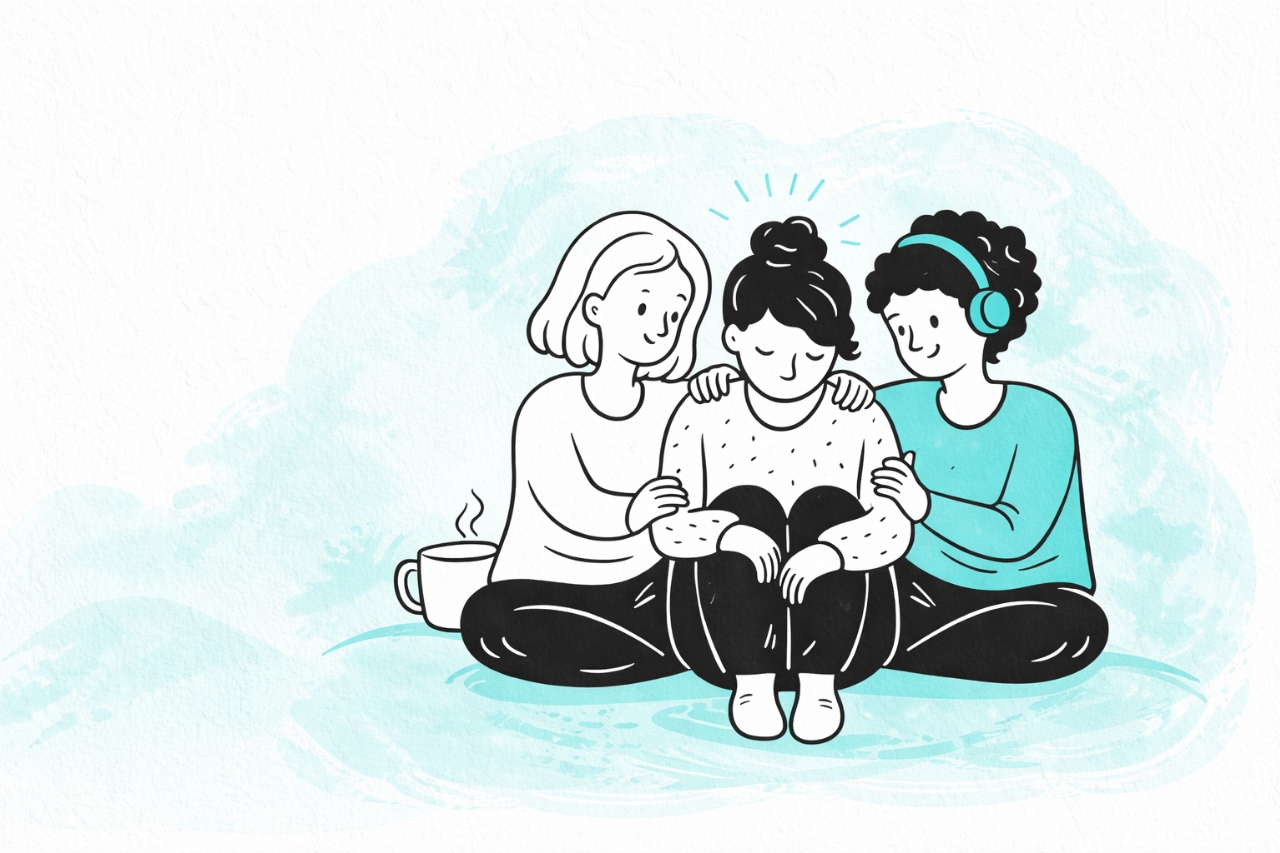
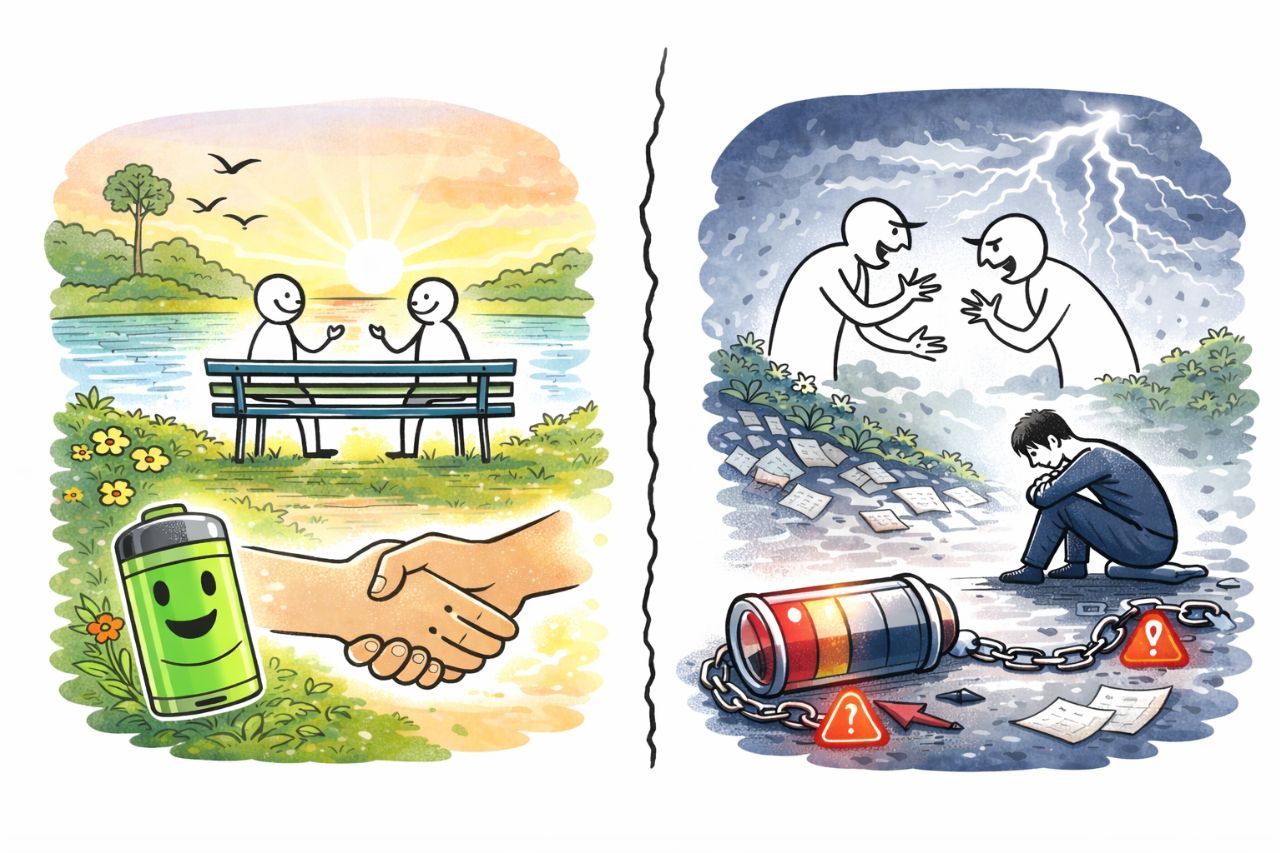
Connection does more than lift mood. It affects the body in real, measurable ways. Regular contact with others has been linked to stronger heart health, better immune response, and steadier thinking as people age. The body reacts to connection as a signal of safety, which helps calm stress systems and support healing.
There’s an important difference between being alone and feeling disconnected. Someone can live alone and still feel supported. Another person can be around people all day and still feel cut off. What matters is not the number of interactions, but whether they feel real and meaningful.
Helpful forms of connection often include:
- Conversations where you feel heard
- Shared routines or check-ins
- Simple, steady contact over time
Understanding what aging well really means includes seeing connection as part of physical care. A few strong ties often support the body better than constant social noise.
Stress Changes the Body When It Becomes Chronic
Stress helps us respond to short-term challenges. The problem starts when stress never shuts off. Ongoing stress keeps hormones high, slows recovery, and interferes with memory and sleep. Over time, the body stays in a guarded state instead of a healing one.
As people age, stress tolerance often shifts. The body may take longer to calm down after pressure, illness, or disruption. That doesn’t mean stress must disappear. It means learning how to regulate it.
Chronic stress can show up as:
- Constant fatigue
- Slower healing
- Trouble focusing or remembering
Reducing stress isn’t about removing life’s challenges. It’s about helping the body return to balance more easily. When stress is managed instead of ignored, the body handles aging changes with more ease and stability.
Purpose, Enjoyment, and the Aging Brain
The brain responds to interest and purpose. When people stay curious or engaged, the brain stays active in a healthy way. Enjoyment isn’t a reward—it’s fuel.
Activities that feel meaningful help:
- Keep attention sharp
- Support memory
- Improve motivation
Learning doesn’t have to be formal. It can be as simple as trying something new or staying interested in daily life. Enjoyment signals the brain to stay alert and involved.
Pleasure supports health because it keeps the brain working. When life feels empty or dull, thinking often slows. When life feels engaging, the brain stays responsive. Supporting enjoyment is one of the quiet ways people protect mental sharpness as they age.
Supporting Cognitive Health Without Chasing “Brain Hacks”
Cognitive health is about how clearly you think, remember, and stay focused day to day. It’s not about tricks, apps, or shortcuts. Most quick fixes fade fast.
What supports the brain over time is consistency. The brain responds best to steady patterns, not sudden boosts. Habits that support the body also support thinking because the brain depends on the same systems.
Strong cognitive health often looks like:
- Clear thinking most days
- Good focus on simple tasks
- Slower, manageable changes over time
When people understand what aging well really means, they stop chasing quick answers. The brain works best when the whole body is supported. Small, repeated actions shape thinking more than any single solution.
What Aging Well Looks Like Over the Long Term
Aging well isn’t about doing everything right. It’s about staying adaptable, comfortable, and capable as life changes. The body doesn’t need perfection—it needs support.
Over time, aging well shows up as:
- The ability to adjust routines
- Comfort in daily movement
- Confidence in managing health
Progress comes from steady care, not pressure. When habits fit real life, they last. When support replaces strain, the body responds better.
Aging is not something to fear or fight. It’s a process that can be guided. With the right support, people often stay strong, clear-minded, and independent longer than they expect.