When people hear “cancer prevention,” it can sound like a promise. Like if you eat the right foods, avoid the wrong things, and live a “healthy” life, cancer won’t happen. But prevention doesn’t work like a shield you can hold up forever. It’s really about lowering risk, not getting a guarantee. And that matters, because even small changes can stack up in a big way over time.
One of the most important parts of understanding cancer risk is knowing that no one gets full control. Some things are out of your hands, like getting older, your family history, and random changes that can happen inside cells. That’s why “zero risk” isn’t realistic for anyone. But lower risk is still possible for many people, and it often comes from the same basic choices that support overall health.
It also helps to separate prevention from early detection and treatment, because they are not the same thing. Prevention is what you do to help reduce the chance cancer starts in the first place. Early detection is about finding cancer sooner, before it has time to grow or spread. Treatment is what happens after cancer is already found.
The best part is this doesn’t have to feel scary or overwhelming. You don’t need a perfect lifestyle to make progress. Small habits and the right medical steps, when they apply to you, can work together in a way that truly supports your future.
How Cancer Starts in the Body (Carcinogenesis in Plain Language)
This part can feel a little scary at first, but it’s also one of the most helpful things to understand, because cancer usually starts quietly and slowly—not all at once.
The Body Makes New Cells All the Time—Most of the Time It Goes Right
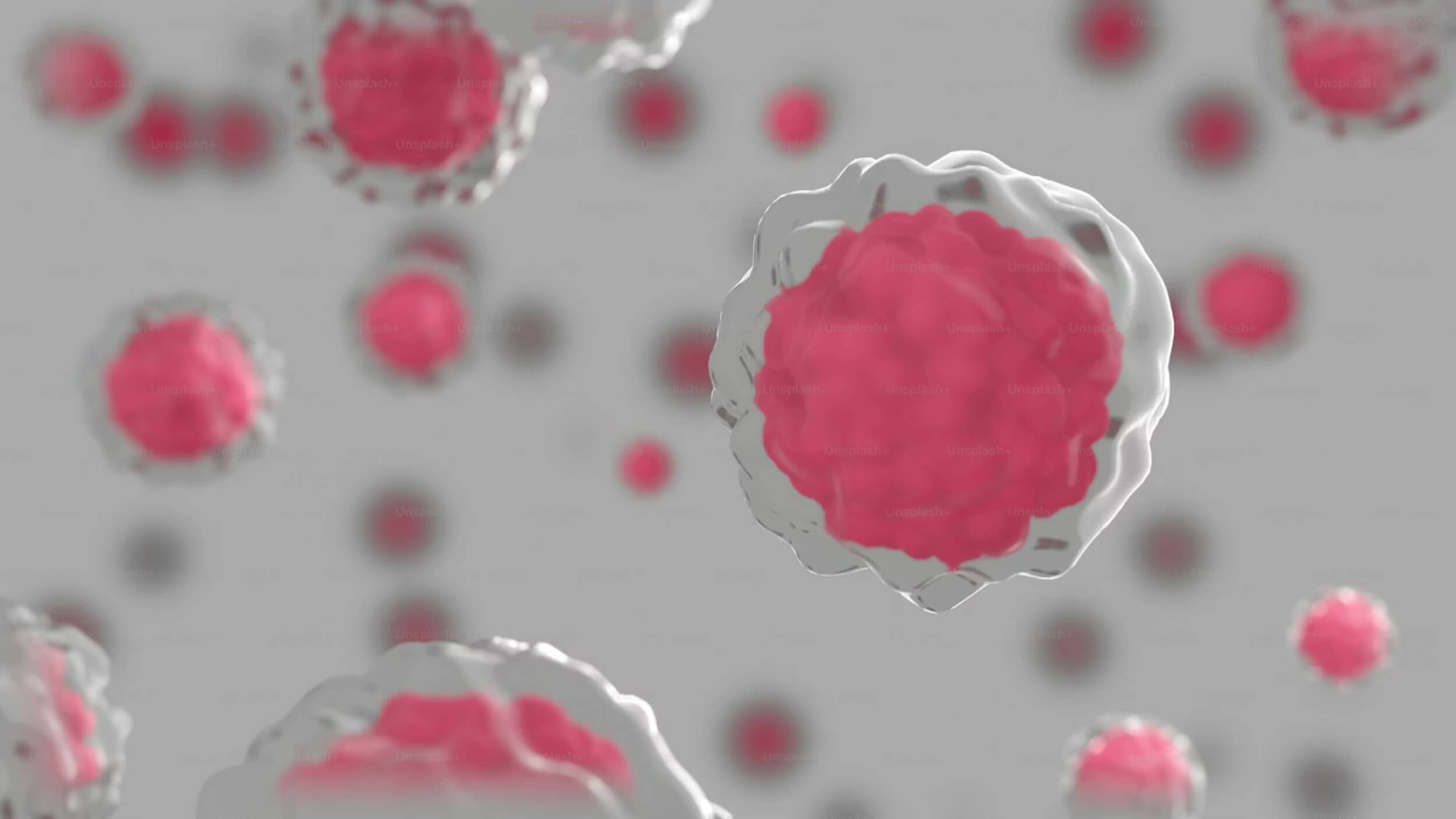
Your body is always doing quiet repair work in the background. Every day, it makes new cells to replace old ones, heal small damage, and keep things running the way they should. This is normal. It’s how your skin heals after a cut, how your stomach lining refreshes, and how your body stays strong without you even thinking about it. The best part is your body isn’t careless about it. It has built-in “quality checks” that help spot cells that aren’t acting right, and it can remove them before they cause trouble.
When DNA Changes Build Up, Cells Can Start Breaking the Rules
Sometimes, the instructions inside a cell get changed. These changes are called mutations, and you can think of them as small mistakes in the body’s “rulebook.” One mutation alone doesn’t usually cause cancer. But when changes build up over time, a cell can start growing when it shouldn’t and refusing to stop. That’s when a lump, or tumor, can form. A benign tumor stays in one place and doesn’t spread. A malignant tumor is cancer, and it can invade nearby tissue or move to other parts of the body. This is why understanding cancer risk starts with knowing cancer usually develops step by step, not overnight.
The Two Big Buckets of Cancer Risk: What You Can Change vs What You Can’t
Here’s where things get clearer—and honestly, a little more empowering. Some cancer risk factors are tied to things you can change, and others aren’t. The changeable ones are called modifiable risk factors. These are linked to everyday life, like smoking, alcohol use, body weight, sun exposure, and certain infections. The non-changeable ones are things like age and inherited genes, which you didn’t choose and can’t erase.
Both matter in real life. You can do everything “right” and still face risk, and you can have risk factors and still never get cancer. That’s why prevention isn’t about blaming yourself. It’s about focusing on what you can control and improving your odds where it counts. When you really understand the basics of understanding cancer risk, you stop chasing perfection and start making smarter choices that actually help.
Risk Factors Research Knows Are Strongly Linked to Cancer
Some risks have stronger proof behind them than others, and knowing which ones matter most can help you focus your energy on the changes that truly make a difference.
Tobacco Exposure (Smoking, Vaping, Chew, and Secondhand Smoke)
Tobacco is one of the strongest cancer risks that people can actually avoid. It’s linked to many types of cancer, including lung cancer, and it can also affect the mouth, throat, bladder, and more. Even secondhand smoke can raise risk. The good news is quitting helps at any stage. Your body starts repairing itself sooner than most people realize, and over time, cancer risk can drop compared to someone who keeps using tobacco.
Certain Infections That Can Lead to Cancer
Some infections can raise cancer risk because they can cause long-term damage inside the body. HPV is linked to cervical cancer and can also affect the throat. Hepatitis B and C can raise the risk of liver cancer. H. pylori is a bacteria that can increase stomach cancer risk in some people. This is also where prevention can feel very real, because vaccines can help stop certain infections before they cause harm. It’s one of the clearest examples of prevention working in a direct way.
Radiation Exposure (Sun + Medical Imaging + Home Sources)
Radiation can also play a role, but it depends on the type and how much exposure happens over time. UV rays from the sun are a major cause of skin cancer, especially with frequent sunburns. Ionizing radiation, like CT scans and X-rays, can slightly raise risk, which is why doctors try to use them only when needed. Radon is another source that can build up in some homes. The key is staying calm and practical: risk is tied to dose and frequency, not one single moment.
Factors That Can Shift Risk Over Time (What the Evidence Suggests)
The encouraging part is that risk isn’t always fixed, and research shows that certain everyday patterns can push risk higher or lower depending on what stays consistent over time.
Body Weight and Metabolic Health
Research shows that having obesity is linked to a higher risk of several cancers. This may be connected to hormone changes, inflammation, and how the body handles blood sugar. The hopeful part is that risk is not “locked in.” Weight changes over time can shift risk in a better direction, especially when the goal is steady progress, not extreme dieting.
Alcohol Use and Cancer Risk
Alcohol is a known cancer risk factor, and the risk tends to rise the more a person drinks. It’s linked to cancers like mouth, throat, esophagus, breast, and colorectal cancer. This doesn’t mean someone has to be perfect. It just means cutting back can matter, and small reductions can still be meaningful for long-term health.
Movement and Physical Activity
Being active is linked to a lower risk of certain cancers in many studies. It also supports weight balance, hormone health, and immune function. This doesn’t require intense workouts or a gym routine. The biggest benefit usually comes from being consistent—walking more, sitting less, and building movement into normal life. That’s a simple but powerful part of understanding cancer risk, because it’s something many people can start improving right away.
Prevention That Has Strong Support From Research (What Helps Most)
When it comes to prevention, it’s easy to get pulled into “quick fixes” and trending health advice. But research keeps pointing back to a few basics that matter the most. These are the high-impact steps that have the strongest support, and they don’t require a perfect lifestyle to make a difference. If you’re serious about understanding cancer risk, this is the part worth paying attention to, because it focuses on what actually moves the needle.
Vaccines That Prevent Cancer-Causing Infections
Some cancers start with infections that stay in the body for years. That’s why vaccines can be such a big deal. The HPV vaccine helps protect against certain HPV infections that are linked to cancers like cervical cancer and some throat cancers. The hepatitis B vaccine helps protect against hepatitis B, which can lead to liver cancer later in life. In a very real way, preventing the infection can help prevent the cancer risk that can come after it.
Quitting Tobacco (and Reducing Exposure)
Tobacco is one of the strongest cancer risks that can be avoided. The good news is quitting helps, even if someone has been using it for years. Over time, the body starts repairing damage, and the risk of several cancers can drop compared to someone who keeps smoking or using tobacco. Support can look different for everyone—some people use counseling, nicotine replacement, or a quit plan with their doctor.
Reducing UV Damage Without Hiding From the Sun
You don’t have to avoid the outdoors to protect your skin. Simple steps like sunscreen, shade, and protective clothing can lower the risk of skin cancer. What matters most is being consistent, especially during strong sun hours. This isn’t about being perfect every day—it’s about cutting down on repeated sun damage that adds up over time.
Medical Prevention for Higher-Risk People (Not for Everyone)
Some prevention steps are meant for people with a much higher risk because of genetics, personal history, or certain medical findings. This is where personal risk checks and doctor guidance really matter. The goal isn’t to do “everything possible.” It’s to do what makes sense for your situation, based on real evidence and careful planning.
Chemoprevention (Medicines Used to Lower Risk in Some Cases)
Chemoprevention means using medicine to lower the chance of certain cancers in people who are at higher risk. For example, some women at high risk for breast cancer may be offered medicines that lower that risk. There are also medicines that have been studied for lowering prostate cancer risk in specific cases. These options can have side effects, so it’s always a balance of benefits versus risks, and it should be a decision made with a medical professional.
Risk-Reducing Surgery (When It’s Considered)
In rare cases, surgery may be used to lower risk in people with very high inherited risk. This can include surgeries like mastectomy for breast cancer risk, removal of ovaries or fallopian tubes for certain inherited risks, or colon surgery for specific genetic conditions. These are major decisions, and they usually come after counseling, testing, and serious discussion with a specialist. It’s not about fear—it’s about planning.
Things People Spend Money on That Haven’t Proven to Prevent Cancer
This is where a lot of people get tricked, because the marketing sounds so confident. But “natural” doesn’t always mean helpful, and expensive doesn’t mean effective. Some products get attention because they sound promising, not because they’re proven. Knowing what isn’t backed by strong evidence is also part of understanding cancer risk, because it helps you avoid wasting money and energy.
Supplements and “Anti-Cancer” Pills
Many supplements have been studied, and a lot of them have not shown clear cancer-prevention benefits. Taking more vitamins doesn’t automatically mean more protection. In some cases, high doses can even cause harm, depending on the supplement and the person. The safest mindset is this: if a pill claims it can “prevent cancer,” it deserves extra caution. Real prevention usually isn’t sold as a miracle.
Aspirin for Prevention: Why It’s Not a DIY Decision
Aspirin has been studied for cancer prevention, and results have been mixed. There is evidence it may lower colorectal cancer risk for certain people, especially when used long-term under medical guidance. But aspirin can also cause serious bleeding problems, including in the stomach or brain. That’s why it isn’t something most people should start on their own just because they heard it might help.
How to Think Like Research Thinks (So Headlines Don’t Trick You)
Health news can feel confusing because one day something is “good,” and the next day it’s “bad.” A big reason is that studies don’t all work the same way. Some studies simply observe people’s habits and look for patterns. Others test something directly in a controlled way, like a clinical trial. Both can be useful, but they don’t always give the same kind of answers.
Another reason results can look messy is that real life is messy. Dose matters, how long something is done matters, and lifestyle factors overlap. For example, someone who exercises more might also sleep better and smoke less, so it’s hard to separate one factor from everything else. The smartest approach is to look for repeated patterns across many studies, not one headline that promises a shortcut.
A Practical Prevention Plan That Doesn’t Feel Overwhelming
A good prevention plan should feel doable, not stressful. The goal is not to change everything at once. It’s to start with the biggest, most proven steps and build from there. For many people, that means staying tobacco-free, keeping up with vaccines when recommended, protecting skin from repeated sun damage, moving the body regularly, being mindful with alcohol, and working toward a healthy weight in a steady way.
Follow-up care matters too. Regular checkups help catch issues early and keep you on track with the basics. If you ever feel unsure about your personal risk, that’s a good time to ask a doctor about what applies to you. This is one of the most grounded ways to support your health while understanding cancer risk without feeling overwhelmed.
Final Thoughts on Lowering Cancer Risk in Real Life
Cancer prevention isn’t about being perfect. It’s about making choices that lower risk where you can, and letting go of the pressure to control everything. The biggest wins usually come from the basics that research supports again and again, not from extreme plans or expensive products.
If there’s one thing worth taking with you, it’s this: better choices stack up. Even small steps can build real protection over time, and that progress is always worth it.