



Pregnancy advice comes from everywhere. One person says rest more. Another says stay active. Social media has rules, family has opinions, and old myths still get passed around. It can start to feel like no matter what you do, someone says it’s wrong. That confusion is common—and it’s not your fault.
Doctors see this differently. In real medical care, pregnancy health comes down to a small group of priorities that protect both you and your baby. These are the same important pregnancy tips doctors talk about in appointments, studies, and long-term care—not trends or guesswork. They focus on steady habits that support growth, safety, and recovery, starting early in pregnancy and continuing after birth.
This guide cuts through the noise. It highlights what medical professionals agree on, explains why these choices matter, and helps you focus on what truly supports a healthy pregnancy—without pressure, fear, or overload.
Essential Nutrients Doctors Watch Closely During Pregnancy
During pregnancy, some nutrients matter more because they directly support how your baby grows and how your body copes with change. Doctors watch these closely because low levels can affect energy, blood health, bones, and early development. These nutrients support systems that are working harder than usual.
Food plays the main role because meals provide a mix of nutrients that work together. Supplements are used when needed, but they don’t replace balanced eating.
Doctors often focus on nutrients that support:
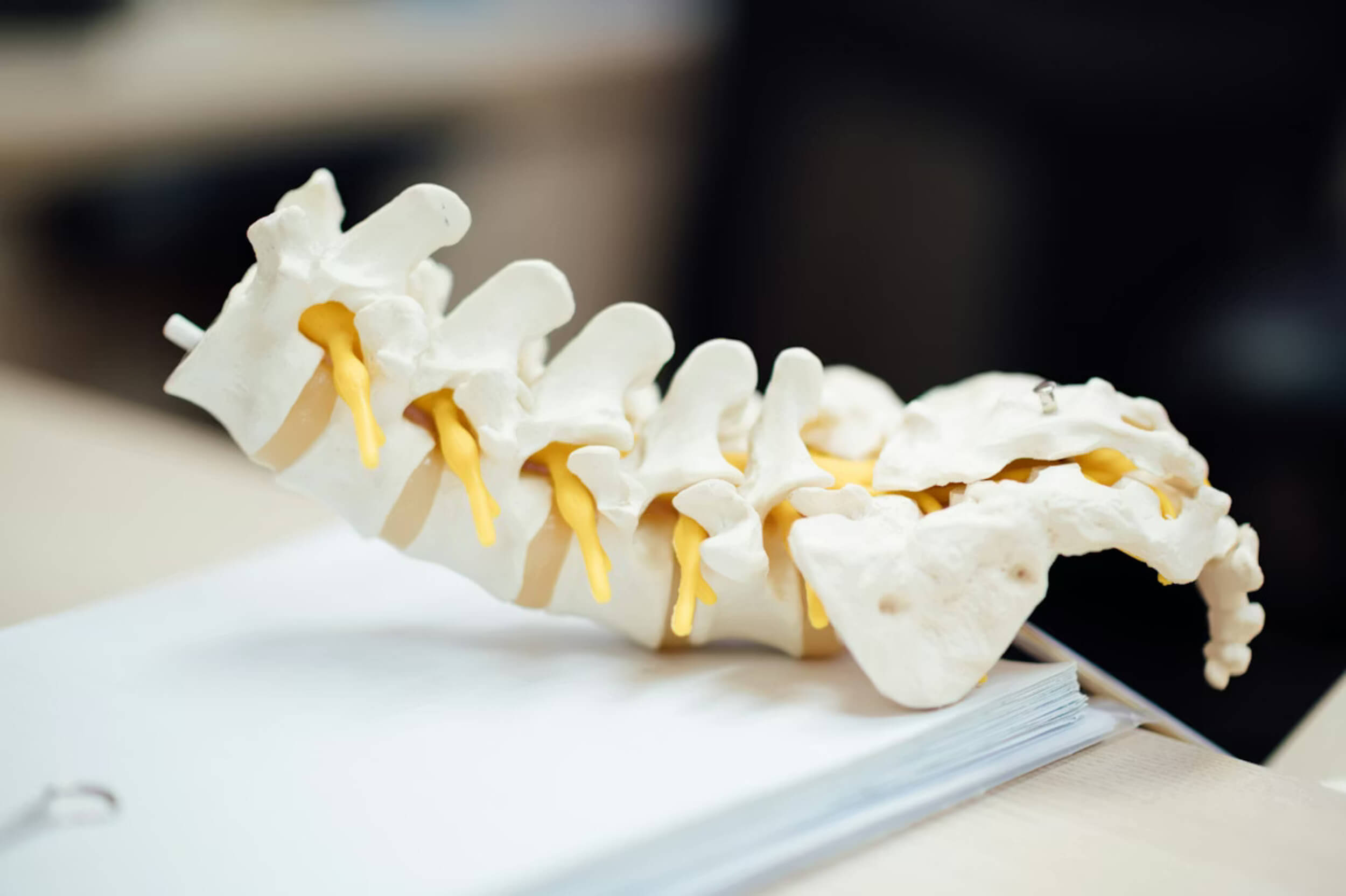
- Brain and spine development
- Healthy blood flow
- Bone and teeth strength
- Muscle and tissue growth
Common nutrients discussed in prenatal care include folate, iron, calcium, vitamin D, and protein. When these are steady, pregnancies tend to be more stable and recovery is often smoother. This is why doctors return to nutrition again and again during checkups—it supports both daily health and long-term outcomes.
Why Prenatal Vitamins Support—but Don’t Replace—Healthy Eating
Prenatal vitamins help cover basic nutrient needs, especially on days when appetite is low or food choices are limited. Doctors recommend them to fill small gaps, not to replace meals. Real food still matters because it provides fiber, energy, and nutrients that work together.
Health care providers usually advise:
- Taking one prenatal vitamin each day
- Avoiding extra supplements unless advised
- Using food as the main source of nutrition
Taking more than needed without guidance can cause problems. That’s why personal medical advice is always safer than guessing or copying recommendations from others.
Foods and Drinks Doctors Recommend Avoiding—for Clear Reasons
Some foods and drinks are limited during pregnancy to protect your baby, not to restrict you. Pregnancy changes how the body handles bacteria, toxins, and certain substances. Because of this, foods that are usually safe can become risky.
Doctors explain these limits as safety steps meant to lower avoidable risks.
Foods and drinks are usually avoided because they may:
- Increase infection risk
- Contain harmful substances
- Affect development
These recommendations help reduce preventable problems while still allowing a balanced diet. Knowing why certain items are limited makes the guidance easier to follow and less stressful. The goal is protection, not fear or strict control.
Common Food Safety Risks That Matter More During Pregnancy
Doctors commonly recommend avoiding:
- Alcohol
- Fish high in mercury
- Unpasteurized milk and soft cheeses
- Raw or undercooked meat, eggs, and seafood
- Too much caffeine
These items can raise the risk of infection or expose the baby to harmful substances. Choosing safer options still allows variety and good nutrition. The focus is prevention, not cutting out enjoyment. When food safety is handled carefully, pregnancy nutrition becomes more confident and less worrying.
Physical Activity Supports Pregnancy More Than Many People Realize
Many people think rest alone protects pregnancy, but doctors see clear benefits from safe movement. Regular activity supports circulation, joint comfort, blood sugar balance, mood, and sleep. These benefits help both mother and baby throughout pregnancy.
Movement also prepares the body for labor and recovery after birth. Doctors encourage consistency, not intensity.
Benefits often linked to regular activity include:
- Fewer aches and stiffness
- Better sleep quality
- More stable energy
- Improved mood
When movement feels safe and comfortable, it becomes a support tool instead of a strain. Even small amounts done regularly can make a noticeable difference in how pregnancy feels day to day.

What “Safe Movement” Looks Like While Pregnant
Doctors recommend moderate activity where you can still talk while moving. Comfort and balance matter more than speed or strength. Activities should feel manageable and leave you feeling better afterward, not drained.
Common safe options include:
- Walking
- Swimming
- Prenatal yoga
- Light strength exercises
Any routine should match how you feel and be adjusted as pregnancy progresses. If something causes pain, dizziness, or shortness of breath, stopping and checking with a provider is advised.
Listening to Your Body Becomes a Medical Skill During Pregnancy
Pregnancy makes body signals clearer and harder to ignore. Hunger, thirst, tiredness, and stress can show up faster. Doctors encourage responding early instead of pushing through discomfort, because small signals can grow into bigger problems if ignored.
Helpful habits include:
- Resting when tired
- Drinking water regularly
- Eating before hunger becomes intense
Paying attention to these cues helps support steady energy and prevents unnecessary strain. Learning to listen to your body becomes an important part of caring for both yourself and your baby.
When to Speak Up About Symptoms
Some changes are common, but others need medical attention.
Doctors want to know about:
- Sudden pain
- Dizziness or faintness
- Strong swelling
- Unusual cravings
Sharing symptoms early helps providers catch issues before they become serious. Open communication leads to safer care and better outcomes.
Managing Common Discomforts Without Compromising Nutrition
Nausea, heartburn, constipation, and appetite changes are common during pregnancy. Doctors focus on small adjustments instead of cutting food or skipping meals.
Helpful strategies include:
- Eating smaller, more frequent meals
- Choosing fiber-rich foods
- Drinking water throughout the day
- Adding gentle movement
These changes support comfort while keeping nutrition steady. Managing symptoms doesn’t require extreme diets or strict rules. Simple shifts often make daily life easier and help maintain energy.
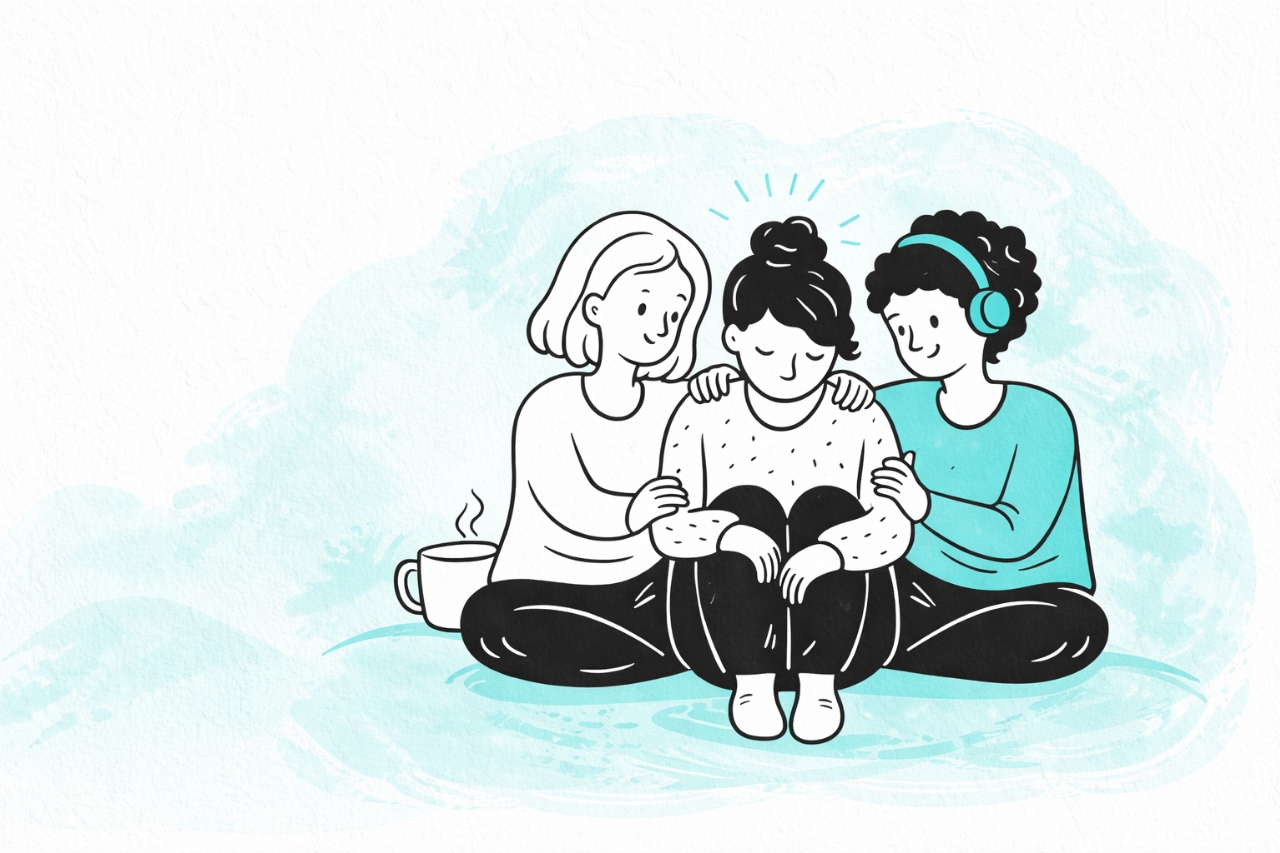
Emotional Health Is Part of Prenatal Care—Not a Separate Issue
Hormones, body changes, and life stress can affect mood during pregnancy. Emotional ups and downs are common, but support matters. Doctors recognize that mental health plays a role in physical health and recovery.
Feeling supported can help with:
- Better sleep
- Healthier eating patterns
- Lower stress levels
Talking openly about emotions helps providers offer better care and reduces feelings of isolation.
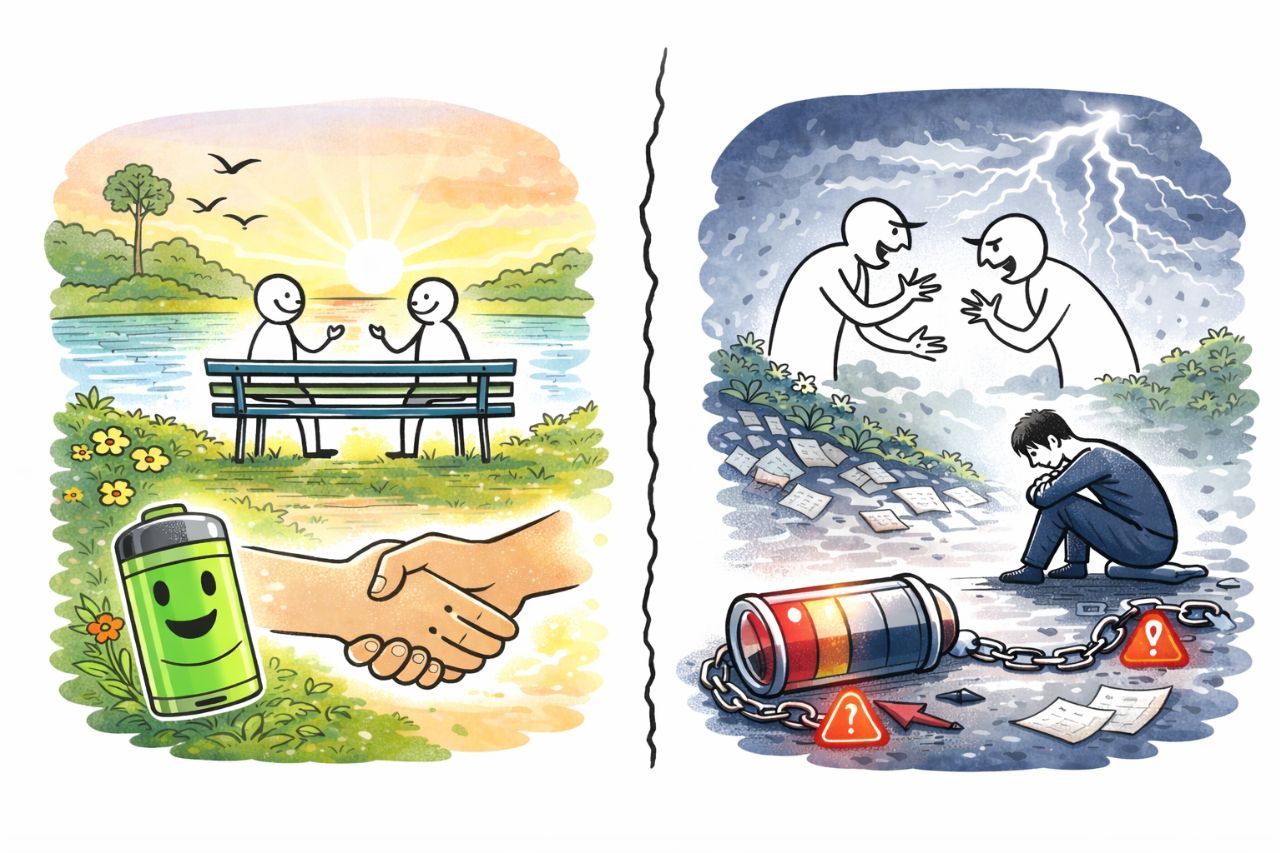
Why Stress Management Supports Physical Health
Lower stress supports:
- More restful sleep
- Easier digestion
- Stronger immune response
- Smoother recovery after birth
Rest, support systems, and honest conversations help protect both mental and physical health during pregnancy.
The Postpartum Period Starts Before the Baby Arrives
Recovery doesn’t begin after delivery—it’s shaped during pregnancy. The habits you build around food, movement, and emotional care affect how your body heals later.
Doctors encourage preparing early because it supports:
- Better energy after birth
- Healthier weight changes
- Stronger emotional balance
When pregnancy care includes recovery planning, the transition after birth is often smoother and less overwhelming.
Why Slow Recovery Is Safer Than “Bouncing Back”
Gradual recovery protects:
- Joints
- Metabolism
- Mental health
Quick fixes often don’t last. Steady habits support long-term health and make recovery feel more manageable.
Breastfeeding, Recovery, and Ongoing Nutrition
Breastfeeding changes calorie and fluid needs, but balanced meals and hydration remain key. Physical activity continues to support mood and energy and does not harm milk supply.
Doctors stress that needs vary from person to person. Personal guidance helps adjust food and activity without pressure. Flexibility supports both feeding and recovery.
Conclusion: Small, Consistent Choices Shape a Healthier Pregnancy
Pregnancy health isn’t built on perfection. It’s built through small, steady choices that support your body and your baby. Medical guidance, self-awareness, and flexibility matter more than doing everything “right.” When you focus on the basics and stay consistent, you create a strong foundation that supports pregnancy, recovery, and long-term health.