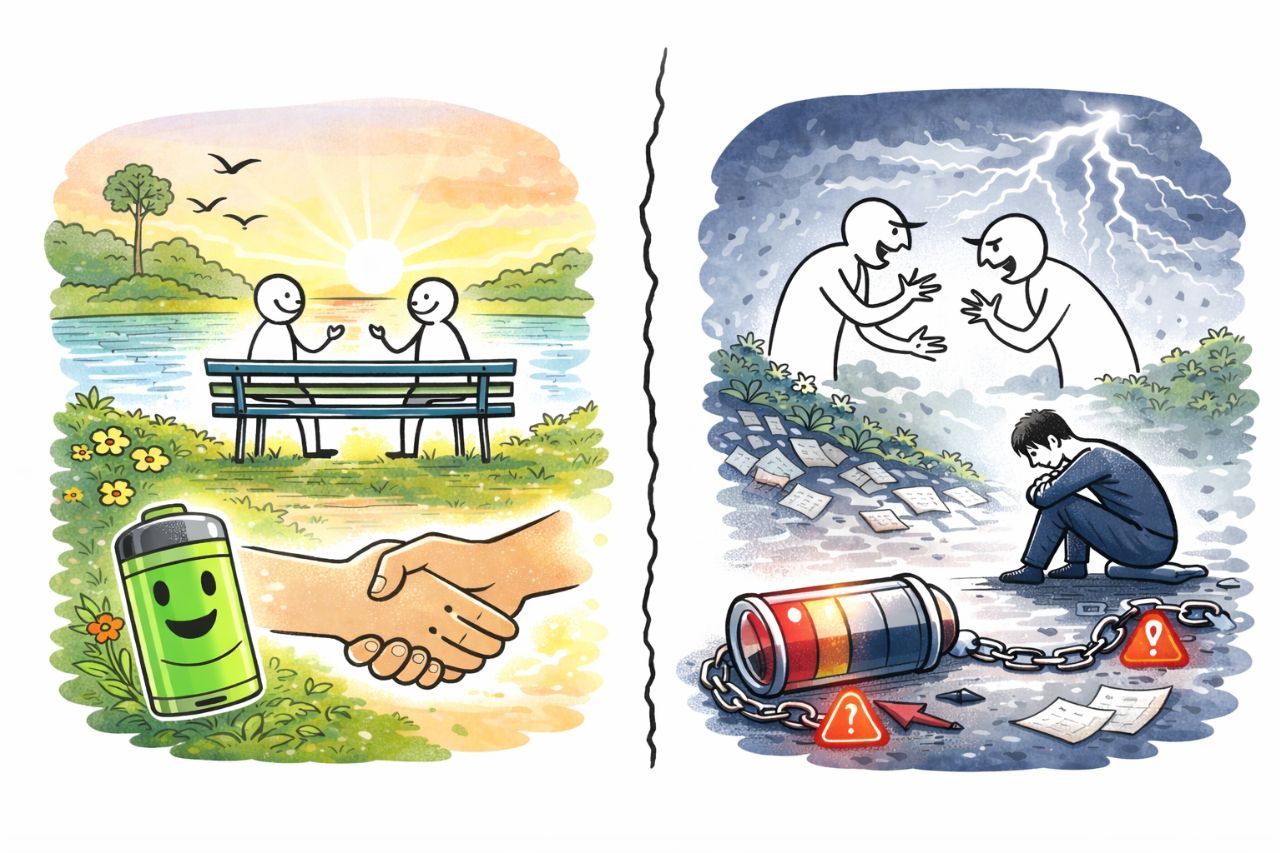




Feeling tired once in a while is normal. But when tiredness sticks around day after day, it starts to feel different. It’s not just about wanting a nap. It’s waking up already worn out. It’s losing focus halfway through simple tasks. It’s having less patience, lower motivation, and feeling drained even on quiet days.
This kind of fatigue affects your whole body. Your mind feels slower. Your mood feels heavier. Your body feels like it’s always running on low power. Many people blame themselves for this. They assume they’re lazy, out of shape, or not trying hard enough. That belief makes fatigue even harder to deal with.
The truth is, ongoing tiredness is often a signal, not a failure. It’s your body asking for attention. There are real, common reasons you still feel tired, even if you sleep, eat fairly well, and try to stay active. Once you understand what those signals mean, things start to make more sense. And that understanding is often the first step toward getting your energy back.
What Fatigue Really Feels Like in Everyday Life
Fatigue doesn’t always look like yawning or wanting a nap. For many people, it feels harder to explain. Your thinking may feel slower. Simple decisions take more effort. Your patience runs thin faster than usual. Even things you enjoy can start to feel dull.
Physically, fatigue often feels like heaviness. Your arms and legs may feel weak or slow. Getting started feels harder than finishing. Rest doesn’t bring the refresh you expect. You wake up tired and stay that way through the day.
Fatigue is easy to ignore because life still moves forward. You show up. You get things done. You just do them with less energy and more effort. Because this becomes part of daily life, many people accept it as normal. That’s why the signs often go unnoticed, even when they point to clear reasons you still feel tired.
Lifestyle Patterns That Quietly Drain Energy
Fatigue rarely comes from one big mistake. It usually grows from small patterns that repeat each day. None of them seem serious alone. Together, they slowly lower energy.
These patterns don’t mean you’re careless or unhealthy. They happen because schedules are full, stress is common, and rest often comes last. At first, the body adapts. Then it starts to feel worn down.
Some everyday patterns that affect energy include:
- Skipping meals or eating at random times
- Relying on quick snacks instead of balanced meals
- Feeling stressed most days, even when nothing feels urgent
- Sitting for long stretches with little movement
These habits change how the body uses fuel. Energy feels less steady. Crashes feel more frequent. Motivation drops, even when sleep hasn’t changed.
Nutrition, Stress, and Inactivity as Energy Leaks
Irregular meals make it harder for the body to keep energy stable. Low intake of protein and key nutrients leaves cells without what they need. Ongoing stress keeps the body tense, which uses energy even during rest. Long hours of sitting slow circulation and muscle activity, making fatigue feel heavier instead of better.
Why These Patterns Don’t Feel Like a Problem at First
At the beginning, these habits feel manageable. You push through. You tell yourself you’ll fix it later. Because the changes happen gradually, fatigue blends into normal life. By the time it feels noticeable, it already feels familiar. That’s why these are common reasons you still feel tired without realizing what’s behind it.
Why Sleep Alone Doesn’t Always Restore Energy
Sleep matters, but sleep by itself doesn’t fix everything. Many people track hours in bed and still wake up exhausted. That’s because rest depends on how the body relaxes, not just how long you sleep.
If stress stays high, the body doesn’t fully power down at night. The brain stays alert. Muscles stay tense. You sleep, but you don’t fully recharge.
Daily habits affect how well sleep works. Late meals, screens at night, and changing bedtimes send mixed signals to the body. Even small disruptions can reduce deep, restorative sleep.
Sleep is when the body repairs tissue, balances hormones, and clears mental fatigue. When that process is interrupted, energy doesn’t return the way it should. This helps explain why sleep can feel unhelpful even when you think you’re doing everything right.
Disrupted Sleep Quality and Body Clock Mismatch
Light sleep, frequent waking, and feeling alert too early are signs the body clock is off. Stress can keep alert hormones active at night. Caffeine, bright lights, and stimulating activities in the evening make it harder to settle.
When sleep timing doesn’t match the body’s natural rhythm, deep rest gets cut short. You may get enough hours, but the most restorative stages don’t last long enough. This becomes one of the quiet but powerful reasons you still feel tired, even when sleep seems adequate.
Medications and Treatments That Can Affect Energy Levels
Sometimes fatigue isn’t coming from your routine at all. It’s coming from something meant to help you. Many common medications can quietly lower energy, especially when taken daily. This includes some allergy medicines, sleep aids, pain relievers, anxiety meds, and blood pressure drugs. Certain treatments, like chemotherapy or hormone therapy, can also leave people feeling worn down.
What makes this tricky is that the tiredness doesn’t always start right away. It can feel mild at first, then slowly become part of everyday life. Many people never connect their fatigue to a prescription or over-the-counter product.
This doesn’t mean you should stop taking anything on your own. The goal is awareness. A simple conversation with a healthcare provider can make a big difference. Adjusting the dose, timing, or type of medication may help. For some people, this is one of the most overlooked reasons you still feel tired, even when everything else seems fine.
Medical Conditions Where Fatigue Is Often the First Clue
Fatigue is one of the body’s earliest warning signs. It often shows up before pain, clear symptoms, or a diagnosis. That’s why it’s so easy to brush off.
When the immune system is active, even at low levels, it uses a lot of energy. This can happen with lingering infections or immune-related conditions. The heart and lungs also play a role. If oxygen isn’t moving through the body as efficiently as it should, energy drops quickly.
Mental health matters too. Depression, anxiety, and ongoing emotional stress change how the brain uses energy. Fatigue linked to mental health is real and physical, not a lack of effort.
Hormones are another common piece. The thyroid helps control how fast or slow the body runs. When it’s off, even slightly, tiredness is often one of the first signs. Blood sugar issues can also affect energy, causing highs and crashes that leave you drained.
What all of these have in common is that fatigue usually appears early. It’s often one of the clearest reasons you still feel tired, even before other symptoms show up. Paying attention to it can lead to answers sooner rather than later.
Nutrient Deficiencies and Hydration Gaps
Your body needs certain nutrients to make energy. When those levels run low, fatigue often follows, even if nothing else feels wrong.
Iron helps move oxygen through the blood. When iron is low, muscles and the brain don’t get what they need. Vitamin B12 supports nerves and brain function. Low levels can lead to weakness, brain fog, and low stamina. Vitamin D plays a role in muscle strength and mood, and low levels are common.
Hydration matters too. Even mild dehydration can affect circulation and focus. You don’t have to feel thirsty for it to impact energy.
These gaps often don’t cause dramatic symptoms. That’s why they’re easy to miss. A simple blood test can often spot them and help explain reasons you still feel tired that aren’t obvious.
Weight Changes and the Body’s Energy Demands
Changes in weight can affect energy in both directions. When the body carries extra weight, it needs more effort to move, breathe, and regulate temperature. That extra work can leave you feeling tired, even during rest.
Weight loss can also affect energy, especially if it happens quickly or without enough nutrients. The body may slow down to protect itself, which can show up as fatigue, cold sensitivity, or low motivation.
In both cases, the body is adjusting. It’s using energy differently than before. Fatigue doesn’t mean something is wrong with you. It means your body is responding to change. Understanding this connection helps explain why energy doesn’t always match how much you sleep or how busy your day feels.
If you’re ready, I can continue with the next sections or help tighten word counts exactly while keeping this same tone.
How Healthcare Providers Look for the Root Cause of Fatigue
When you talk to a healthcare provider about fatigue, the goal isn’t to rush to conclusions. It’s to understand the full picture. Most visits start with simple questions about sleep, daily habits, stress, and how long the tiredness has been going on. This helps separate short-term exhaustion from something that needs a closer look.
Providers also review medications and supplements, since some can affect energy without being obvious. A basic physical exam checks things like heart rate, breathing, and signs of strain. If needed, lab work may be ordered to look at iron levels, thyroid function, vitamin levels, or blood sugar.
This process is meant to bring clarity, not fear. Fatigue is common, and many causes are manageable once identified. Working together helps uncover reasons you still feel tired and builds a plan that actually fits your life.
Supporting Energy at Home Without Pushing Harder
When energy is low, many people try to fix it by doing more. That often backfires. The body responds better to steady support than pressure.
Helpful ways to support energy include:
- Keeping regular sleep and wake times
- Eating meals at fairly consistent times
- Taking short movement breaks instead of long workouts
- Building small pauses into busy days
Consistency helps the body feel safe. When signals are predictable, energy becomes more stable. Pacing matters too. Doing a little less, more often, usually works better than pushing through exhaustion.
Gentle movement supports circulation and reduces stiffness without draining you. Stress reduction doesn’t have to be complicated. Slowing your breathing, stepping outside, or lowering evening stimulation can all help the nervous system settle.
These steps don’t “fix” fatigue overnight. They support the body while you address deeper reasons you still feel tired. That support makes real recovery more likely.
When Fatigue Signals It’s Time to Seek Medical Care
Feeling tired now and then is part of life. It’s worth checking in with a healthcare provider when fatigue:
- Lasts several weeks without improvement
- Makes daily tasks hard to manage
- Starts suddenly without a clear reason
- Comes with symptoms like shortness of breath, dizziness, weight changes, or low mood
These signs don’t always point to something serious, but they do deserve attention. Fatigue is often the body’s way of asking for help. Getting answers early can prevent bigger issues later and bring peace of mind.
Final Thoughts
Persistent tiredness isn’t a flaw. It’s information. Your body is communicating that something needs care, balance, or support. Blame only adds weight to an already heavy feeling.
When you listen with curiosity instead of judgment, patterns start to make sense. Small changes add up. Clear answers replace guessing. Many people notice steadier energy and fewer crashes before they feel fully “better.”
Understanding fatigue doesn’t always bring instant change, but it brings direction. With patience, support, and the right information, energy can return in ways that feel natural and lasting.