


Most mornings start the same — screen first, everything else second. Before your feet hit the floor, your eyes are already scrolling.
Phones help. So do smartwatches, apps, and reminders. But at some point, it’s worth asking: Who’s really in control here? Is tech helping you live better, or is it making every decision for you?
This isn’t about blaming your devices. It’s about calling out the small habits that quietly shape your day. Like checking messages during dinner. Or shutting others down in conversation because you’re half-listening while reading a headline.
No one’s saying tech is bad. But if it runs every part of your day, you miss the chance to choose what matters most. And that choice — that awareness — is where everything starts to change.
When Convenience Becomes Control
It starts small — just one more message, one more video, one more scroll before bed. Suddenly it’s past midnight and you’ve done nothing that actually matters to you.
Here’s how tech slowly takes over without us noticing:
- You let your phone decide when to eat, move, or sleep based on reminders.
- You wait for app alerts before starting your day.
- You rely on food delivery instead of planning what’s healthy.
- You follow online suggestions before listening to your gut.
When tools are in charge of your habits, they’re no longer tools — they’re your schedule.
You’re the Product
Social feeds don’t just “know what you like.” They shape what you care about. The longer you stay on, the more ads they show. Your time and attention are what’s being sold.
Watch out for these patterns:
- You click without thinking just because it popped up.
- You stay longer because autoplay keeps rolling.
- You start copying what others post or say, just to keep up.
- You start shutting others down who disagree with the digital crowd.
The more control you give away, the less you get to live by your own choices.
The Illusion of Connection
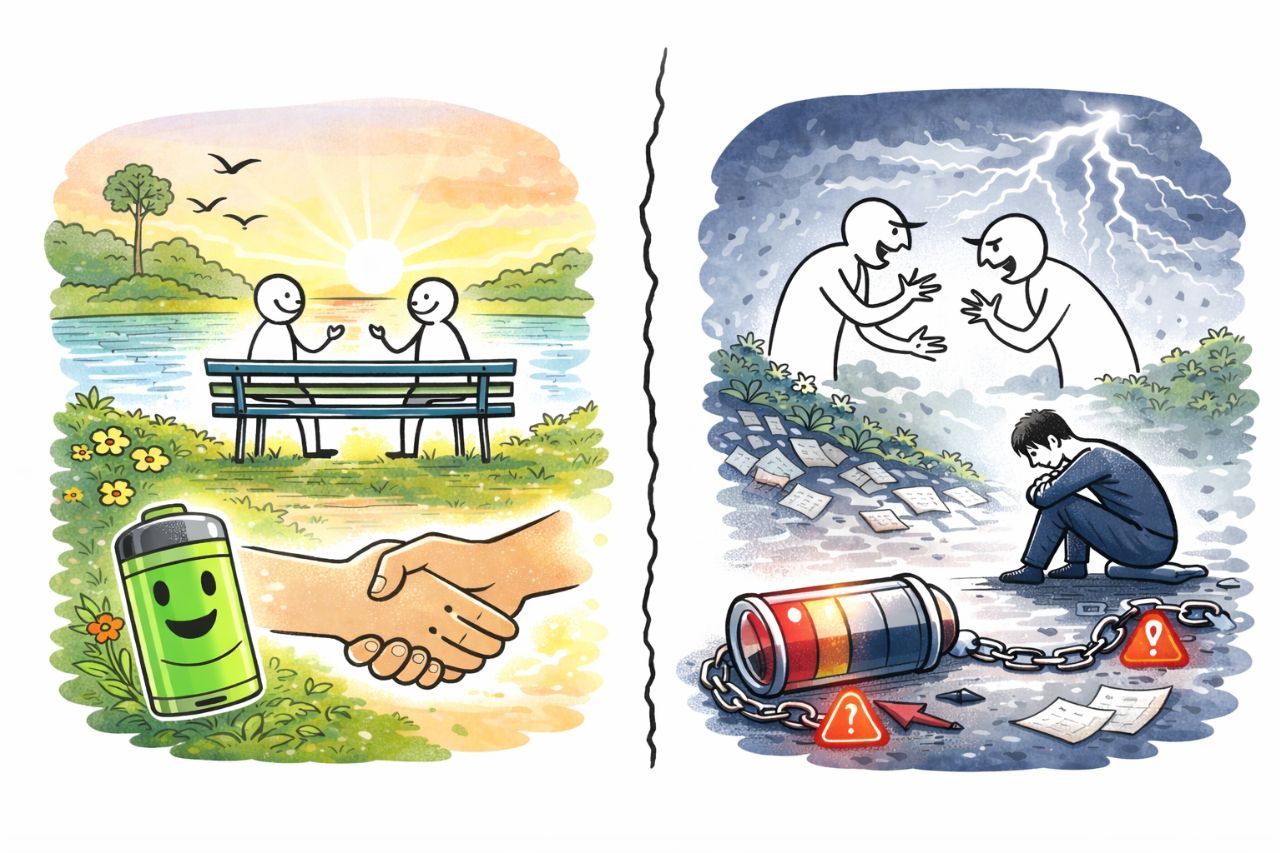
It feels like we’re always reachable — but are we really connecting? Just because we reply fast doesn’t mean we’re close.
Check these signs:
- You talk more in group chats than face-to-face.
- You’re with your family but focused on your screen.
- You’re never fully “off” because your phone is always buzzing.
- You’ve missed real moments because you were replying to someone miles away.
Being available doesn’t always mean being involved.
Likes Don’t Equal Love
Social media can trick you into thinking attention is the same as care. But likes, hearts, and fire emojis aren’t deep support.
Look for these red flags:
- You feel down when no one comments.
- You care more about how something looks than how it feels.
- You post for approval, not to share meaning.
- You’ve started shutting others down who don’t give you that quick validation.
Not every digital “connection” adds value to your real life.

When Tech Replaces Thinking
Need directions? GPS does it. Need an answer? Search it. But when everything’s handed to us, we stop figuring things out on our own.
Watch for these habits:
- You panic if your phone dies during a trip.
- You can’t remember anyone’s number — not even close friends.
- You Google before you think.
- You get frustrated when someone gives a slow answer.
Always looking for the quickest shortcut can make your brain slower over time.
Creativity at Risk
Tech makes things easier — but it can also flatten what makes you unique. Templates, filters, and AI might be helpful, but they also leave less space for your own voice.
Here’s what to notice:
- You copy trends instead of making your own ideas.
- You feel stuck if you can’t use a tool or app.
- You stop writing, drawing, or making things like you used to.
- You begin shutting others down when they create without tech.
Being creative doesn’t need to be perfect. It just needs to be real — and yours.
The Pressure to Keep Up
Every time you figure something out, there’s something new to learn. Another update. Another app. Another setting.
Common signs you’re stuck in the loop:
- You feel behind when your phone’s a year old.
- You download things you don’t need — just to stay current.
- You feel like resting means you’re slacking.
- You judge others or start shutting others down for “not keeping up.”
You’re not lazy. You’re tired — because tech doesn’t take breaks.
Productivity or Perfectionism?
There’s nothing wrong with wanting to do more. But when you track every step, every calorie, and every message, you turn self-care into a full-time job.
Here’s how it can show up:
- You get upset when your daily streak breaks.
- You check your stats more than your actual mood.
- You feel guilty when your to-do list isn’t cleared.
- You compare your goals to strangers on your feed.
Doing your best shouldn’t feel like a punishment.
When You Use Tech with Intention
Tech isn’t the enemy. It only takes over when we stop paying attention. When you decide how and when to use it, everything feels lighter.
Try this:
- Let your phone serve your day — not run it.
- Use reminders that help, not nag.
- Set goals based on your values, not what your feed says.
- Say no when a tool stops being helpful.
Choosing what you use and when you use it puts you back in control.
Tech Can Free You — If You Let It
With the right habits, tech makes life smoother. You just have to stay aware of when it’s crossing the line.
Some useful ideas:
- Set time limits for apps that drain you.
- Use wellness apps that encourage real rest, not just data.
- Automate basic tasks so you free up headspace.
- Stop shutting others down when they suggest unplugging.
A little intention goes a long way. Tech can support a full life — but only when you lead it.
Reclaiming Real Moments
Some moments don’t come back. You don’t get a second chance to hear your kid’s joke or to notice that quiet look your partner gave you at dinner.
Try noticing these moments:
- A quiet morning with coffee.
- A long talk without checking your phone once.
- A walk without earbuds.
- A moment when someone opens up, and you’re really there.
You don’t need a perfect photo. You just need to be present.
Build Digital Boundaries
It’s okay to set limits. Not just for your phone — but for your peace.
Simple changes can make a huge difference:
- Keep your phone out of the bedroom.
- Set a “no screen” time after dinner.
- Tell people when you’re not replying — and mean it.
- Stop shutting others down when they ask for your full attention.
The more you step back, the more real life steps in.
Final Thoughts: The Power Was Always Yours
Technology isn’t out to ruin your life. It’s not good or bad — it just reflects how we use it. The real problem starts when you stop noticing how much space it takes up in your day.
Every scroll is a decision. Every app you open, every alert you check — it all adds up. These small choices shape your focus, your habits, your relationships.
You don’t have to quit tech. You just have to stop letting it run on autopilot.
Choose to use it with care. Use it to stay connected, not to start shutting others down when you disagree. Let it support your time, not steal it.
The truth is, you’ve had the power all along. Your screen doesn’t make the choice — you do. And the more you choose on purpose, the better your life starts to feel.