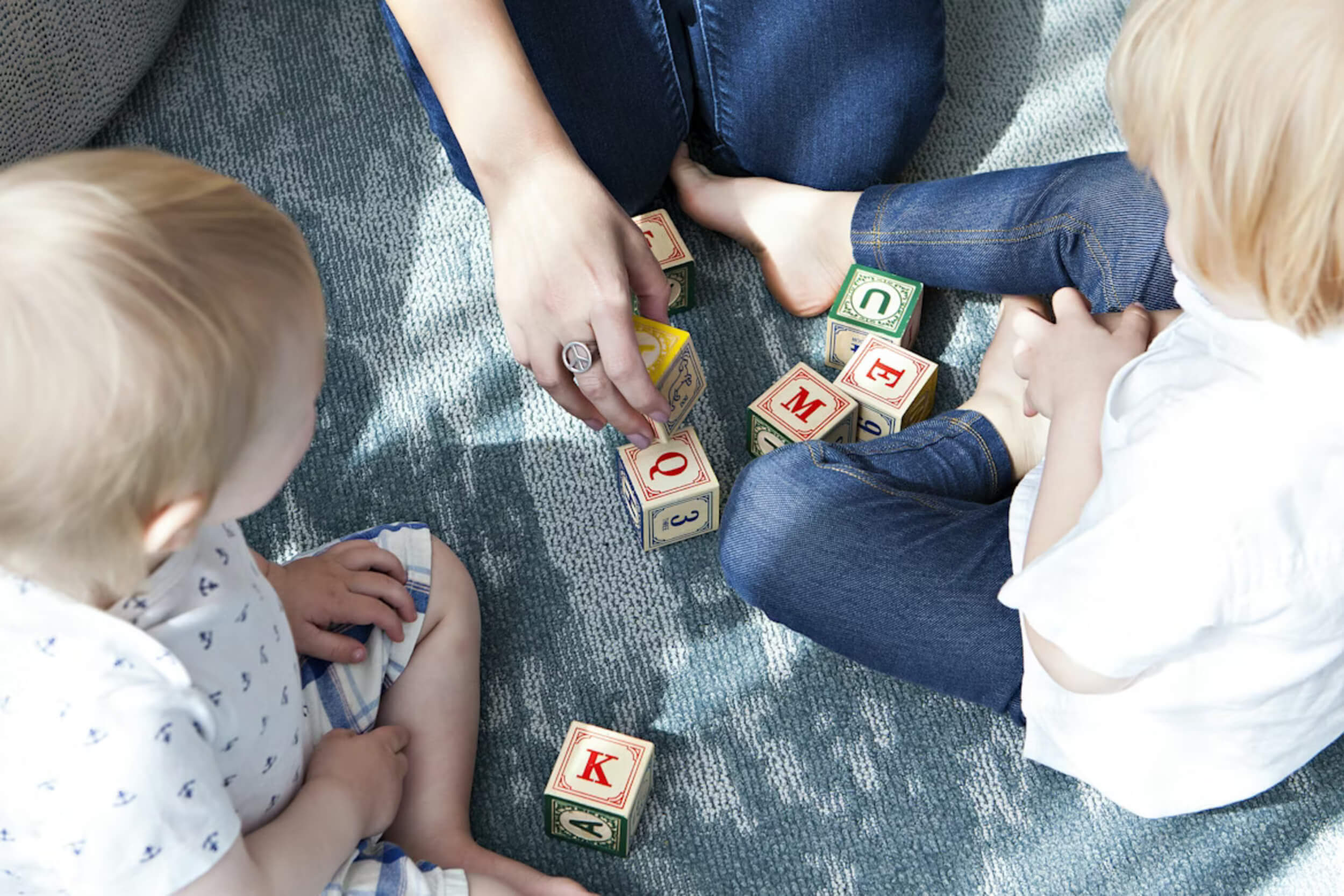




Have you ever noticed how children watch everything adults do? A quick smile, a calm answer to a question, or a few minutes spent listening can mean more than we think. These small interactions may seem ordinary, yet they quietly teach children how the world works. In many ways, these daily actions shape children’s future.
Parents often focus on big milestones like grades, sports, or school readiness. Those things matter, but child development experts consistently point out that everyday connection plays a huge role in learning. When adults respond to a child with patience, warmth, and attention, children begin to understand communication, trust, and emotional safety.
Early childhood is a time when the brain grows quickly. Repeated positive interactions help strengthen skills like language, problem-solving, and social understanding.
Many parents wonder if they are doing enough. The good news is that growth often happens during simple routines—talking during meals, answering questions, or sharing a laugh together. These small moments add up, and over time, those daily actions shape children’s future in powerful ways.
How Everyday Interactions Shape Early Brain Development
During the early years of life, children’s brains grow at an incredible pace. Every sound they hear, every face they see, and every response they receive helps the brain build new connections. Child development experts often explain that actions shape children’s future most strongly during these early stages, when the brain is learning how the world works.
Children develop understanding through daily interaction with the people around them. When adults talk, listen, and respond to children regularly, those moments help strengthen communication, thinking, and social skills.
Learning does not always happen through lessons or special programs. It often grows through ordinary moments when adults pay attention and respond with care.
Simple interactions that support brain development include:
- answering a child’s questions
- responding to sounds or gestures
- naming objects during play
- listening when a child speaks
These everyday exchanges help children build stronger language skills and a better understanding of how communication works.
The Brain Builds Through Responsive Interaction
One of the most powerful ways children learn is through back-and-forth communication with caregivers. When a child makes a sound, asks a question, or points at something, a response from an adult tells the brain that communication matters.
For example, a baby may babble and hear a voice respond. A toddler may point to a dog, and a caregiver says the word “dog.” These simple exchanges strengthen pathways in the brain connected to language and social understanding.
Because actions shape children’s future, these responsive moments become important building blocks for communication and emotional growth.
Caregivers often support this development through everyday responses such as:
- repeating a child’s words
- describing what the child is doing
- answering questions patiently
- reacting to gestures or expressions
Through these responses, children gain confidence and become more willing to communicate.
Repetition Strengthens Learning
Children learn best when they experience the same activities many times. Repetition helps the brain recognize patterns and store information more easily.
Daily routines provide many natural chances for this kind of learning. When children hear the same words, see the same actions, and take part in familiar routines, their understanding grows steadily.
Research in early childhood development explains that repeated experiences help children organize information and build stronger skills. This is another way actions shape children’s future, especially when positive interactions happen regularly.
Some common repeated experiences include:
- hearing the same bedtime story
- singing familiar songs
- helping set the table
- playing simple games
Each repeated moment strengthens memory, attention, and language development.
Connection Builds Emotional Security in Children
Children need to feel safe and supported in order to grow well. Emotional security develops when caregivers respond to children with patience, attention, and understanding.
Many specialists in child development explain that actions shape children’s future not only through learning but also through emotional connection. When children know someone will listen and care about their feelings, they begin to feel confident and secure.
Strong emotional connection grows through everyday interactions such as:
- listening when a child shares a story
- comforting them when they feel upset
- noticing their efforts
- spending time together during daily routines
These moments help children understand that their thoughts and feelings matter.
Children who feel emotionally secure are more likely to speak openly, ask questions, and try new things. A supportive environment encourages curiosity and strengthens relationships.
Feeling Heard Encourages Emotional Expression
Children begin learning about emotions through the way adults respond to them. When caregivers listen calmly and acknowledge a child’s feelings, the child learns that emotions are normal and manageable.
For example, a child who feels frustrated may need someone to listen rather than immediately correct the behavior. When adults respond patiently, children start to recognize and explain their emotions.
Experts often point out that actions shape children’s future by teaching them how to communicate feelings in healthy ways.
Helpful responses may include:
- listening without interrupting
- helping a child name what they feel
- offering reassurance
- encouraging calm conversation
These responses help children develop stronger emotional understanding and communication skills.
Trust Strengthens Confidence
Trust grows when children see that caregivers respond consistently with support and patience. When adults follow through with attention and guidance, children begin to feel secure in their relationships.
This sense of trust encourages children to try unfamiliar activities and interact with new people. Knowing someone is there to support them helps children face challenges with greater confidence.
Caregivers often build trust through everyday behaviors such as:
- encouraging effort
- praising persistence
- offering help when needed
- remaining patient during mistakes
Because actions shape children’s future, these steady responses help children develop confidence and resilience that support learning and relationships throughout life.
Learning Happens Naturally Through Everyday Routines
Many people believe learning only happens in classrooms or structured activities. In reality, some of the most meaningful learning moments occur during everyday routines.
Daily activities like preparing meals, getting dressed, or cleaning up toys allow children to watch, participate, and ask questions. When caregivers talk through these tasks, children begin connecting words with actions.
Experts often explain that actions shape children’s future through these daily interactions because children learn by observing and participating.
Common routines that support learning include:
- cooking together
- getting ready for the day
- organizing toys
- grocery shopping
- bedtime routines
During these moments, children build important skills such as language, memory, attention, and problem-solving.
Routines also give children a sense of structure and predictability. When children understand what happens during different parts of the day, they feel more comfortable participating and communicating.
Through these ordinary experiences, children continue building the knowledge and confidence that support lifelong learning.
The Role of Play in Building Skills for the Future
Play is one of the most natural ways children learn about the world. When children play, they are not simply passing time. They are testing ideas, practicing skills, and learning how things work. Child development specialists often explain that actions shape children’s future through everyday experiences like play, where children actively try, adjust, and learn.
Through play, children explore their surroundings with curiosity. They stack blocks, move objects, pretend to cook, or build imaginary stories. Each playful moment helps children practice thinking, moving, and communicating.
Play also allows children to learn without pressure. They can try something new, make mistakes, and try again. This freedom encourages creativity and problem-solving.
Simple types of play that support development include:
- building with blocks or household items
- pretending during imaginative games
- drawing or creating with simple materials
- moving, dancing, or climbing during active play
These playful moments help children build important life skills while having fun and feeling confident.

Play Encourages Curiosity and Problem-Solving
Children naturally become curious when they play. When they stack objects, sort toys, or experiment with different materials, they begin to notice how actions lead to results. These discoveries help children understand cause and effect.
For example, a child may build a tower of blocks and watch it fall. The next time, they may try stacking the blocks differently. These small experiments help the brain develop reasoning and problem-solving skills.
Because actions shape children’s future, playful problem-solving becomes an important part of early learning. Children slowly learn how to think through challenges and adjust their approach.
Common play activities that encourage problem-solving include:
- building towers or structures
- fitting shapes into puzzles
- sorting objects by color or size
- experimenting with water or sand
Through these simple activities, children develop patience, creativity, and the ability to think through problems.
Shared Play Strengthens Social Understanding
Playing with others helps children learn how to interact with people. During shared play, children begin to understand how cooperation works and how to respond to others.
For example, children learn to take turns, share toys, and listen to another person’s ideas. These small experiences teach important social behaviors that support friendships later in life.
Experts in early childhood often note that actions shape children’s future through these social interactions. Children learn how to communicate, cooperate, and solve small conflicts while playing with others.
Shared play can happen in many simple ways, such as:
- rolling a ball back and forth
- building something together
- playing pretend games
- taking turns during simple activities
These playful interactions strengthen communication and help children feel connected to others.
Language Growth Begins with Everyday Conversation
Children begin learning language long before they say their first clear words. They spend months listening to the voices around them and noticing how people communicate. These early listening experiences help build the foundation for speaking and understanding language.
Researchers in child development explain that actions shape children’s future through daily conversations that happen naturally throughout the day. Talking with children during everyday routines helps them connect sounds, words, and meaning.
Language development often happens during ordinary moments such as:
- talking during meals
- describing what is happening during play
- reading books together
- answering children’s questions
These conversations help children build vocabulary and learn how communication works.
Children also benefit when adults speak slowly, clearly, and with attention. The more children hear language used in meaningful ways, the easier it becomes for them to understand and eventually use words themselves.
Listening Builds Understanding Before Speaking
Before children begin speaking clearly, they spend a great deal of time listening. They hear conversations, observe facial expressions, and notice how voices change in tone and rhythm.
Through listening, children begin connecting sounds with actions and objects. When someone says “ball” while pointing to one, the child slowly learns the meaning of that word.
Because actions shape children’s future, these early listening experiences play an important role in language development.
Caregivers can support listening skills by:
- speaking clearly and calmly
- naming objects around the child
- reading simple books together
- repeating familiar words during routines
These interactions help children recognize language patterns and prepare them to begin speaking with confidence.
Conversation Strengthens Communication Skills
Children learn communication best when adults talk with them rather than only giving instructions. Conversation invites children to participate, respond, and share ideas.
Simple conversations can happen throughout the day. Asking questions, describing activities, and telling short stories all help expand a child’s vocabulary.
When caregivers take time to talk and listen, children begin to understand that communication connects people. This is another way actions shape children’s future, especially when children feel encouraged to express themselves.
Helpful conversation habits include:
- asking open-ended questions
- describing daily activities
- responding to children’s ideas
- sharing stories together
These moments help children build confidence in speaking and strengthen their ability to communicate with others.
Encouragement Helps Children Develop Confidence
Confidence grows when children feel supported while learning something new. Encouragement helps children understand that effort matters and that mistakes are part of learning.
Child development experts often explain that actions shape children’s future when caregivers respond to challenges with patience and encouragement. Children who feel supported are more likely to keep trying when something feels difficult.
Encouragement can happen through everyday responses such as:
- noticing a child’s effort
- praising persistence
- offering help when needed
- celebrating small progress
These supportive moments teach children that improvement comes from practice.
Confidence also grows when children feel safe trying new things without fear of failure. When caregivers focus on effort rather than perfection, children begin to believe in their ability to learn and grow.
Positive Guidance Builds Motivation
Children are more motivated when adults recognize their effort. When caregivers notice progress and encourage improvement, children begin to see challenges as opportunities to learn.
Positive guidance helps children understand that learning often takes time. Instead of giving up quickly, they begin to practice patience and persistence.
Because actions shape children’s future, supportive guidance can make a lasting difference in how children approach learning.
Examples of positive guidance include:
- praising effort instead of results
- encouraging children to try again
- offering gentle advice
- celebrating progress
These responses help children build resilience and motivation.
Safe Support Encourages Exploration
Children are more willing to try new things when they know support is available. A child who feels safe will often experiment, ask questions, and explore unfamiliar situations.
Caregivers help create this safe environment through steady encouragement and patience. When children know someone is nearby to guide them, they become more comfortable facing challenges.
Early childhood specialists often highlight that actions shape children’s future when adults provide this kind of supportive environment.
Children may explore through activities such as:
- trying new games
- learning simple tasks
- asking questions about the world
- practicing new skills
These experiences help children develop independence and curiosity.
Why Consistency Matters More Than Perfection
Many caregivers feel pressure to do everything perfectly when raising children. In reality, children benefit more from steady support than from occasional extraordinary efforts.
Experts in child development explain that actions shape children’s future when they happen regularly and with care. Consistent interaction helps children understand routines, expectations, and communication.
Daily interactions provide stability that helps children feel secure. Predictable responses also teach children how to manage emotions and solve small problems.
Some simple ways caregivers show consistency include:
- listening when children speak
- responding calmly to challenges
- maintaining regular routines
- spending time together each day
These habits help children develop trust and confidence.
Children do not need perfect parents. They need caregivers who show up with patience, attention, and reliability. Small daily interactions often have a greater impact than occasional grand efforts.
Conclusion
Children’s development is shaped by many small interactions that happen throughout the day. Talking during routines, playing together, and offering encouragement all help children grow and learn.
Experts in child development often remind families that actions shape children’s future through these everyday moments. When caregivers respond with patience, attention, and warmth, children build strong foundations for learning and relationships.
These daily interactions help children develop:
- communication skills
- emotional understanding
- curiosity about the world
- confidence in themselves
Parents and caregivers may not always notice the importance of these moments. Yet simple acts of listening, playing, and guiding gradually influence how children see themselves and the world.
By focusing on connection and encouragement during everyday life, families create an environment where children feel supported, capable, and ready to grow.