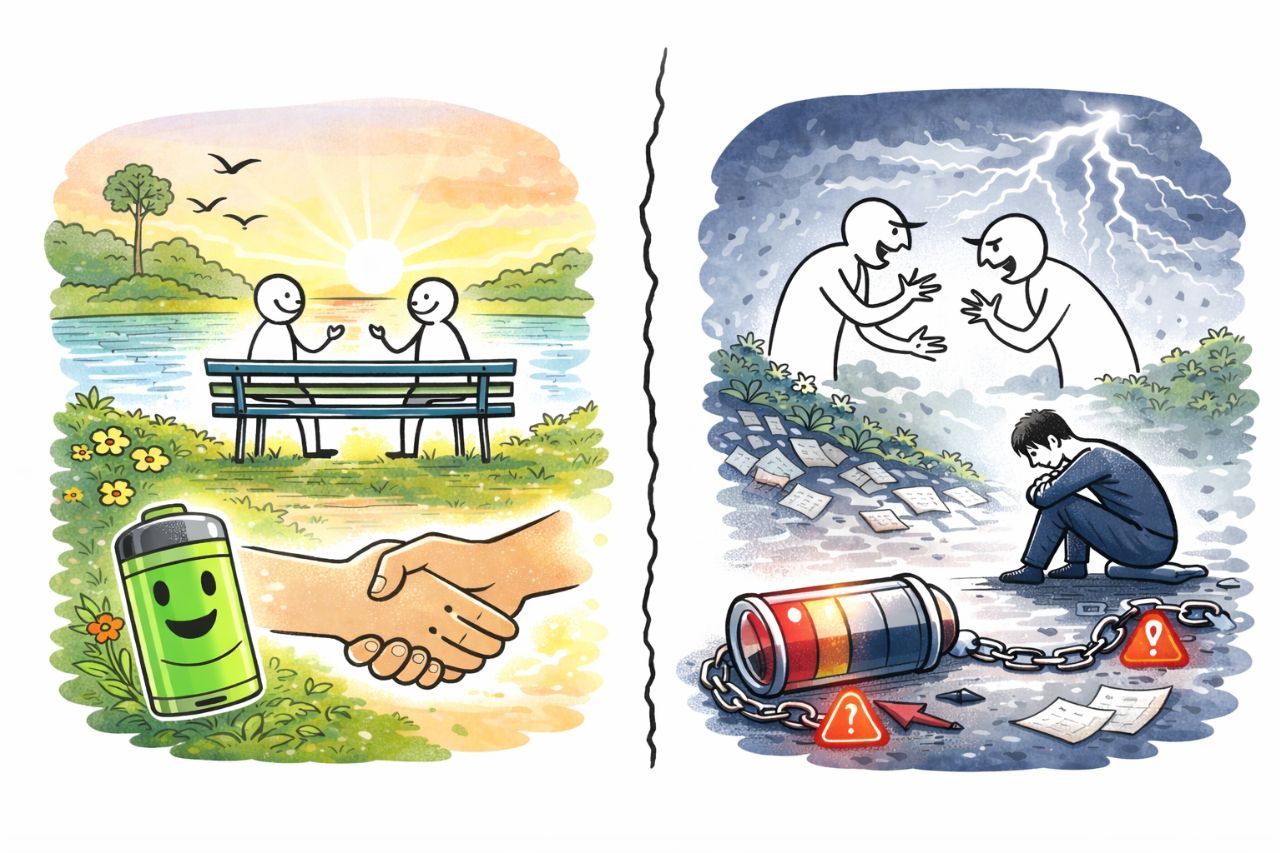




What you eat doesn’t just fill you up—it helps decide how steady your energy feels, how clear your thinking is, and how well your body keeps up with daily demands. Food is broken down into fuel that powers your brain, muscles, and organs. When that fuel runs low or runs unevenly, focus slips, moods dip, and tiredness sets in.
This is why nutrition isn’t only about weight. It plays a role in attention, motivation, and how long you can stay sharp throughout the day. The key isn’t chasing one “perfect” food. Real energy comes from repeatable habits and nutrition choices that support energy over time. Small, realistic changes—done often—matter more than strict plans or short-lived fixes. When food works with your body instead of against it, everything starts to feel a little easier.
How the Body Uses Food to Create Energy and Focus
Your body turns food into energy through a steady process that happens all day long. When you eat, nutrients are broken down and sent where they’re needed—your brain for thinking, your muscles for movement, and your organs for basic function. When that fuel comes in regularly and in balanced amounts, energy feels smoother and focus lasts longer.
Blood sugar plays a big role here. When it stays steady, your mind feels clearer and your mood stays more even. When it rises and falls too fast, tiredness and brain fog show up. Digestion, hormones, and brain signals all depend on consistent fuel, not random eating or skipped meals. Many energy problems aren’t about eating too little. They come from imbalance—too much of one thing and not enough of what the body actually needs. This is where nutrition choices that support energy begin to matter in everyday life.
Why Mental Energy Depends on More Than Calories
Calories give fuel, but they don’t guarantee alertness. Your brain also relies on vitamins and minerals to send signals and stay focused. When those are missing, thinking feels slow even if you’re eating enough. Trouble focusing is often blamed on lack of motivation, but it’s usually a sign that the body is missing key nutrients that help the brain do its job well.
Why Highly Processed Eating Often Leads to Energy Drops
Highly processed foods can feel helpful at first. They digest fast and give a quick boost. The problem is that they don’t offer much lasting support. These foods are often high in added sugar, refined starches, and fillers that give energy briefly, then leave the body struggling to keep up.
Over time, these patterns can increase inflammation and make fatigue more common. Energy crashes aren’t random—they’re a predictable response when the body keeps getting fast fuel without enough nutrients. Whole foods don’t restrict you. They support your system by giving it what it needs to work steadily instead of forcing it to react all day.
The Hidden Cost of Convenience on Daily Energy
Easy foods reduce prep time, but they increase internal work. The body has to manage spikes, drops, and extra stress. When this happens often, focus fades quietly. The impact shows up slowly, not overnight, which is why it’s easy to miss.
The Role of Natural Carbohydrates in Sustained Energy
Carbohydrates are your body’s main energy source. The difference is how fast they break down. Natural carbs release energy more slowly, helping your body stay steady. Fast-digesting carbs rush in and rush out, often leaving you tired soon after.
Fiber makes a big difference here. Foods with fiber slow digestion and help keep blood sugar even. This supports both physical energy and mental clarity. Removing carbs completely often backfires. Balance works better than extremes, especially when making nutrition choices that support energy long term.
Why Fiber Changes How Energy Feels Throughout the Day
Fiber slows how sugar enters the blood. This keeps energy from rising too fast or crashing later. When fiber is part of meals, focus lasts longer and afternoon fatigue becomes less common.
Protein as a Foundation for Stability and Focus
Protein helps your body maintain balance. It supports muscles, hormones, and the chemicals that affect focus and mood. When meals include enough protein, hunger stays calmer and blood sugar stays more even.
Timing matters too. Spreading protein through the day helps energy feel steady instead of sharp and short-lived. You don’t need extreme amounts. Regular, everyday inclusion works best and supports nutrition choices that support energy without pressure or rules.
How Protein Supports Brain Function, Not Just Muscles
Protein provides amino acids that help make brain chemicals linked to attention and mood. When intake is steady, thinking feels clearer and emotional swings are less intense.
Healthy Fats and Their Impact on Brain Performance
Your brain is built largely from fat, so it needs the right kinds to work well. Supportive fats help protect brain cells and keep signals moving smoothly. Inflammatory fats do the opposite and can cloud focus over time.
Fat also helps with memory and concentration by slowing digestion and supporting hormone balance. The key is quality and moderation. Choosing better sources more often supports clearer thinking and fits naturally into nutrition choices that support energy without feeling restrictive.
Hydration and Its Overlooked Role in Energy Levels
Water helps move oxygen, nutrients, and hormones through your body. When fluid levels drop, energy drops too. Dehydration often feels like tiredness, headaches, or poor focus before thirst even shows up.
Relying on thirst isn’t enough because it’s a late signal. Consistent sipping works better than trying to catch up later. Hydration supports digestion, circulation, and brain function quietly but powerfully.
Why Mild Dehydration Affects Focus Before You Notice Thirst
Even small drops in hydration can slow thinking and make concentration harder. Keeping fluids steady helps mental clarity stay more reliable throughout the day.
Eating Patterns That Support Steady Energy
When you eat matters as much as what you eat. Long gaps between meals or very large meals can pull energy away from the brain and into digestion. This often leads to sluggishness and low focus.
Consistent eating doesn’t mean strict schedules. It means giving your body regular support so it doesn’t have to overcorrect. Flexible structure works best and supports nutrition choices that support energy without adding stress.

Why Smaller, Balanced Meals Reduce Mental Sluggishness
Smaller meals reduce digestive strain and leave more energy for thinking and movement. Spacing meals helps alertness stay steady without repeating the same digestive stress.
When Nutrient Gaps May Be Part of Ongoing Fatigue
Nutrient gaps develop slowly. They often come from long-term habits, stress, or limited food variety. Fatigue linked to deficiencies doesn’t improve with sleep alone.
Guessing and supplementing blindly can cause more harm than good. Proper assessment helps identify what’s actually missing. Guidance from a qualified professional ensures support is safe, targeted, and effective.
Building Energy-Supporting Habits Without Overhauling Your Diet
Big changes aren’t required to feel better. Small adjustments, repeated often, create lasting results. Habit-based nutrition fits real life and is easier to maintain.
Progress doesn’t need to be perfect. One better choice at a time adds up. When food supports your body instead of fighting it, energy becomes more predictable and sustainable.
Conclusion
Daily energy isn’t about willpower or discipline. It’s feedback from your body. Consistent nourishment supports focus, mood, and stamina over time. Feeling tired doesn’t mean failure—it’s a signal worth listening to.
When food is used as support rather than control, choices feel easier and more natural. Simple, repeatable habits matter most. Keep showing up with steady care, and energy often follows.