

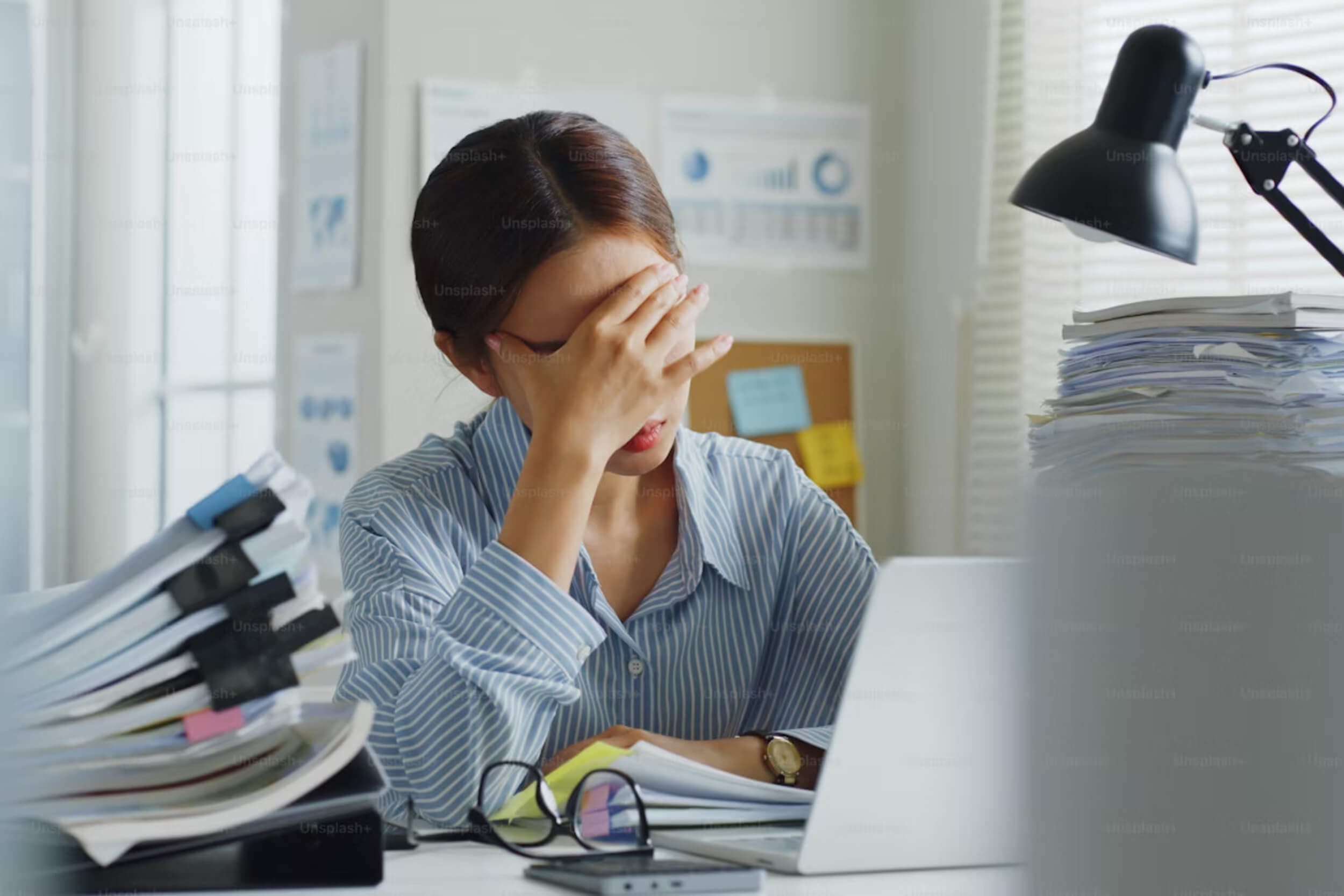
Stress isn’t a weakness, and it’s not a personality problem. It’s a body response. When stress shows up, your nervous system shifts into alert mode to protect you. The issue today is that stress doesn’t come once in a while anymore. It shows up all day — through work pressure, noise, screens, worries, and constant demands. Over time, that low-level tension builds up and wears the body down.
Long-term habits like better sleep, movement, and healthy routines matter. But they don’t help much when stress hits right now. That’s where quick relief matters. Some ways to lower stress work within minutes because they calm the nervous system directly, not just your thoughts. Understanding how “fast” stress relief works helps you choose tools that actually settle the body — instead of pushing through or pretending you’re fine.
How Science Measures Fast Stress Reduction
When researchers talk about fast stress relief, they mean changes that happen within minutes — not days or weeks. In studies, scientists don’t guess whether stress is lower. They measure it using clear body signals that shift quickly when the nervous system calms.
Common markers include:
- Heart rate slowing down
- Better heart rhythm patterns
- Lower levels of stress hormones like cortisol and adrenaline
- Less muscle tightness and steadier breathing
These changes show up before someone even feels calmer mentally. That’s why many ways to lower stress focus on the body first. When physical signals shift, the brain follows. The methods ahead aren’t slogans or mindset tricks. They act like switches that help the body move out of alert mode and back into balance.
Why the Body Has to Calm First Before the Mind Can Follow
Stress starts fast and deep in the body. It kicks in before you have time to think things through. That’s why telling yourself to relax or “stay positive” often doesn’t work when stress is high. The nervous system is already on guard.
When the body feels unsafe, the mind stays busy:
- Thoughts race
- Worries repeat
- Small problems feel bigger
This is where body-first relief matters. Calming the nervous system lowers the alarm signals that keep thoughts spinning. Once the body settles, the mind has space to slow down too. That’s why effective ways to lower stress don’t depend on forcing calm feelings. Simple physical actions can reduce tension even when emotions still feel strong.
Slow, Controlled Breathing That Signals Safety to the Nervous System
Breathing is one of the fastest ways to tell the body that danger has passed. Slow breathing — especially longer exhales — helps the nervous system shift out of alert mode.
When breathing slows:
- Heart rate drops
- Blood pressure eases
- Stress hormone release decreases
What matters most isn’t deep breathing. It’s steady breathing. A slower pace gives the brain a clear signal that it’s safe to stand down. Many proven ways to lower stress use breathing because it works quickly and doesn’t need special tools. Just a few calm breaths can interrupt the stress response before it builds further.
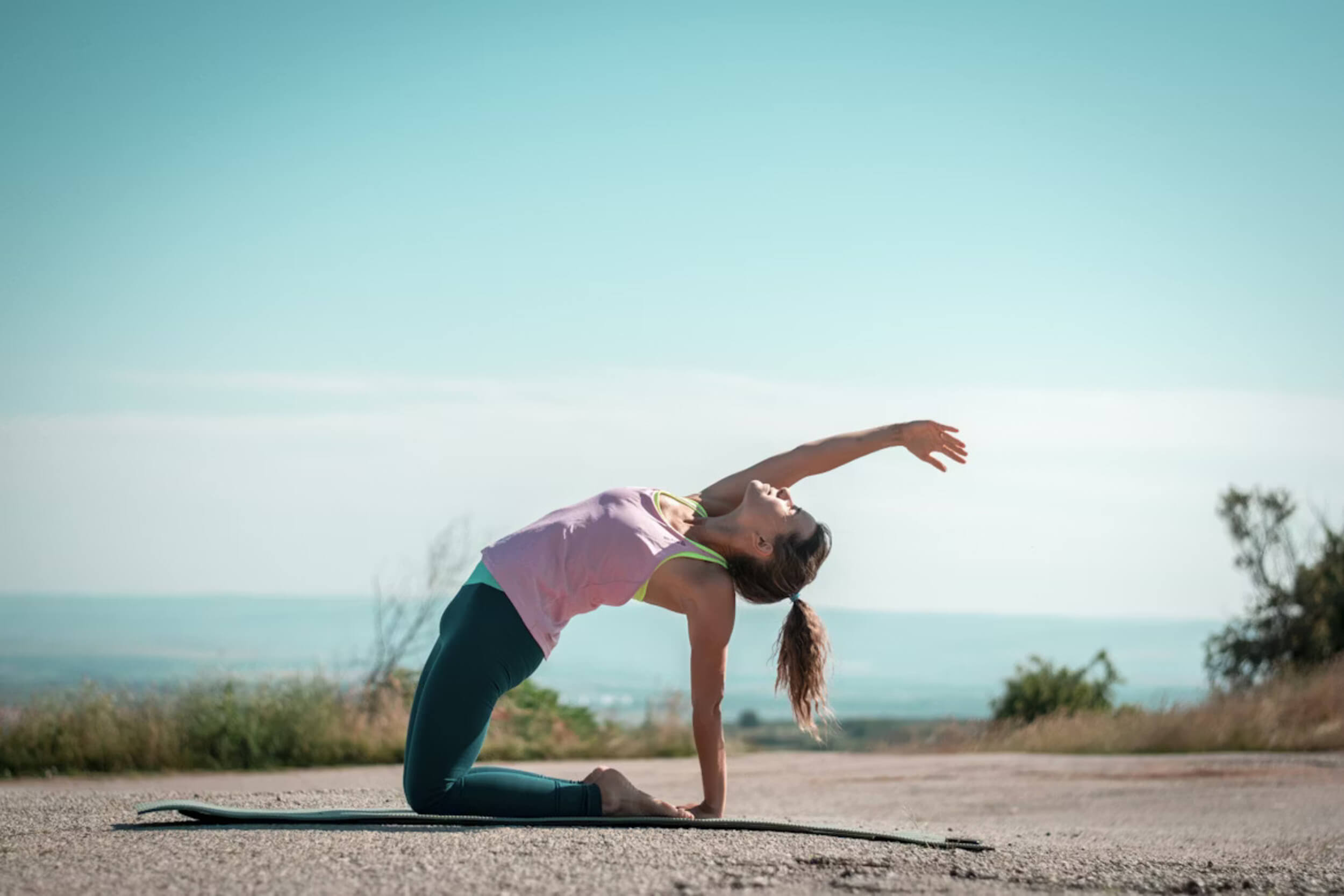
Gentle Muscle Release to Interrupt Physical Stress Loops
Stress often shows up in the body as tight shoulders, a clenched jaw, or a stiff neck. Most people don’t notice the tension until it starts to hurt. Muscles tighten under stress to prepare for action, even when no action is needed.
Letting muscles release sends a message back to the brain that the threat has passed. This can lead to:
- Less body pain
- Reduced stiffness
- Fewer feelings of irritability
Short movements and light stretching work best here. Long workouts aren’t needed. Even brief muscle release can break the stress loop and help the body reset.
Mindful Attention That Breaks the Stress Thought Cycle
During stress, attention narrows. The brain stays focused on problems, risks, and what could go wrong. Mindful attention works by shifting focus back to what’s happening right now.
This might include noticing:
- Sounds in the room
- Physical sensations like warmth or pressure
- Simple movements like walking or holding a cup
Mindfulness doesn’t mean clearing the mind. It means noticing what’s already there without judging it. That pause helps interrupt constant threat scanning. Over time, this makes stress feel less consuming and easier to manage.
Brief Physical Movement That Burns Off Stress Hormones
Stress hormones prepare the body to move. When movement doesn’t happen, those hormones stay active longer than needed. Light activity helps the body use them up.
Even a short burst of movement can:
- Reduce muscle tension
- Improve mood
- Help breathing return to normal
A few minutes of walking, stretching, or gentle motion is often enough. It doesn’t need to be intense. Movement gives the stress response a natural ending instead of letting it linger.
Laughter as a Rapid Biological Stress Buffer
Laughter changes how the body reacts to stress. It lowers stress hormone levels and relaxes muscles that tighten during tension. Breathing also becomes deeper and more rhythmic.
The key is real laughter — not forcing cheerfulness. Watching or listening to something genuinely funny works best. Even short moments of laughter can:
- Ease tight breathing
- Loosen muscle tension
- Improve mood quickly
This is a short-term boost, but it helps the body reset faster after stress hits.
Reducing Sensory Overload to Quiet the Stress Response
Noise, clutter, and constant alerts keep the nervous system on edge. Loud sounds and busy spaces signal the brain to stay alert, even when there’s no real danger.
Reducing sensory input can help stress ease without changing thoughts at all. Helpful steps include:
- Lowering background noise
- Silencing extra notifications
- Stepping away from crowded spaces
Less sensory load allows the brain to relax and improves focus and calm.
Using Music to Shift Brain and Body States
Music affects both the brain and the body. Steady rhythm and familiar sounds can slow breathing and heart rate. Music works best when it feels comforting, not distracting.
Paying attention matters. Letting music play in the background while worrying doesn’t help much. Sitting with the sound for a few minutes allows the calming effect to take hold. Music can gently guide the body out of stress without effort.
Cognitive Reframing That Lowers Stress Without Suppression
Perspective shapes how strong stress feels. Once the body is calmer, reframing thoughts becomes easier and more effective.
Helpful reframing focuses on:
- What truly matters right now
- What can wait
- What is within control
This isn’t about pretending problems don’t exist. It’s about seeing them clearly without adding extra pressure. Realistic thinking helps stress feel more manageable instead of overwhelming.
Supportive Self-Talk That Reduces Internal Threat Signals
Harsh self-talk increases stress by turning the mind into another threat source. Supportive language has the opposite effect.
What helps most is tone, not fancy words. Calm, steady phrases reduce internal pressure and help the nervous system settle. Simple reassurance works better than criticism, especially during stressful moments.
Asking for Help as a Physical Stress Reliever
Sharing a burden lowers stress hormones and eases physical strain. Asking for help isn’t a weakness — it’s a stress release tool.
Support can include:
- Talking things through
- Getting help with tasks
- Having someone listen
Reducing the load helps the body relax right away, even before problems are solved.
How to Choose the Right Technique for the Moment
No single method works every time. Stress shows up in different ways, and the best response depends on the body’s signals.
Matching tools to symptoms helps:
- Breathing for tight chest
- Movement for restlessness
- Quiet for overload
Practicing a few reliable ways to lower stress makes it easier to respond quickly when stress appears. Simple tools used often work better than complicated plans.
Final Thoughts: Fast Relief Builds Long-Term Resilience
Quick stress relief isn’t a shortcut — it’s care for the nervous system. Frequent recovery helps prevent stress from becoming constant. Over time, this builds resilience and steadiness.
Calm isn’t something you either have or don’t have. It’s a skill that grows with practice. Learning effective ways to lower stress helps the body recover faster and makes daily challenges easier to handle.