




The idea of building multiple income streams sounds appealing until you look at your schedule and your bank account. Many beginners feel stuck before they even start. They assume extra income requires long hours, special skills, or money they do not have. As a result, they delay taking action or give up after feeling overwhelmed.
The truth is that multiple income streams are not reserved for people with endless free time or large savings. Many successful earners started exactly where you are now, with limited hours, limited resources, and plenty of uncertainty. What matters most is choosing low barrier options, starting small, and building steadily without burning yourself out.
This guide is designed to help beginners take realistic first steps toward additional income, even with tight constraints.
What Multiple Income Streams Really Mean for Beginners
For beginners, multiple income streams do not mean juggling five businesses at once. They mean creating more than one source of income over time, often starting with very small steps.
An income stream can be as simple as earning a few hundred dollars a month from a side activity. Over time, these small streams can grow, stabilize, or evolve into larger opportunities.
The goal at the beginning is not scale or speed. It is confidence, skill building, and proof that earning outside your main income is possible.
Why Time and Money Feel Like the Biggest Barriers
Time and money feel like barriers because most advice ignores reality. Many guides assume you can spend hours every day learning, posting, or building. Others suggest investing upfront without considering financial pressure.
When time is limited, energy matters more than effort. When money is limited, creativity matters more than capital.
Instead of asking how to build income fast, a better question is how to build income sustainably within your current life.
Low Barrier Income Options to Consider
Low barrier income streams require little or no upfront money and flexible time commitments. They rely more on skills, consistency, and problem solving than capital.
Skill Based Services
Offering a service is often the fastest and simplest way to earn. This could include writing, editing, tutoring, virtual assistance, customer support, social media help, or basic design.
You do not need to be an expert. You only need to solve a specific problem better than the person paying you. Many clients value reliability and communication more than advanced skills.
Service income can start small and grow gradually as you gain confidence.
Task Based or Gig Work
Task based income includes freelance platforms, local services, or remote micro tasks. While these may not be long term solutions, they can provide quick cash flow and experience.
The key is to avoid relying on low paying tasks forever. Use them as stepping stones while you build higher value skills.
Selling Simple Digital Products
Digital products do not need to be complex. Simple templates, checklists, guides, or worksheets can generate income once created.
The upfront effort is time rather than money. The advantage is that the product can sell repeatedly without additional labor.
Start with something small that solves a clear problem. Perfection is not required at the beginning.
Leveraging What You Already Use
Look at tools, systems, or processes you already understand. Teaching others how to use something you are familiar with can become an income stream through tutorials, consulting, or content.
This approach reduces the learning curve and saves time.
How to Start With Very Limited Time
When time is scarce, consistency beats intensity. Ten focused minutes a day can outperform sporadic long sessions.
Start by identifying small time pockets. Early mornings, lunch breaks, or evenings can all work if used intentionally.
Choose income activities that allow batching. Writing several pieces at once or scheduling tasks reduces mental effort.
Avoid income ideas that require constant availability. Flexibility is essential when time is limited.
The Importance of Choosing One Thing First
Beginners often fail because they try too many ideas at once. This creates mental overload and scattered progress.
Choose one income idea and commit to it for a defined period. This could be 30, 60, or 90 days. During this time, focus on learning, improving, and showing up consistently.
Progress compounds when attention is not divided.
Once the first stream becomes manageable, adding another becomes far less stressful.
Avoiding Overwhelm as a Beginner
Overwhelm usually comes from unrealistic expectations. Social media often shows polished results without showing the early mess.
Give yourself permission to be a beginner. Mistakes are part of the process, not signs of failure.
Break goals into small steps. Instead of focusing on income targets, focus on actions like creating one offer, reaching out to one person, or completing one task.
Limit how much advice you consume. Too much information creates confusion rather than clarity.
How Long It Takes to See Results
Low barrier income streams can produce small results within weeks or months, especially service based work. However, consistency is required to maintain momentum.
Do not expect instant freedom. Expect gradual improvement.
The first win is not income. It is proof that your effort can create opportunity.
Managing Expectations Around Money
Early income is often modest. This is normal. Small earnings validate your approach and provide feedback.
Reinvest time rather than money at first. Improve your offer, communication, or efficiency.
As income grows, you can choose whether to reinvest financially or keep things lean.
Building Confidence Along the Way
Confidence grows through action, not planning. Each small step reduces fear and increases clarity.
Track progress visibly. Write down what you learn, what works, and what improves.
Celebrate effort, not just results. Showing up consistently is an achievement.

When to Add a Second Income Stream
Only consider adding another income stream when the first feels stable and predictable. Stability does not mean perfect. It means manageable.
Adding too early creates stress and slows progress.
Multiple income streams should increase flexibility, not exhaustion.
Final Thoughts
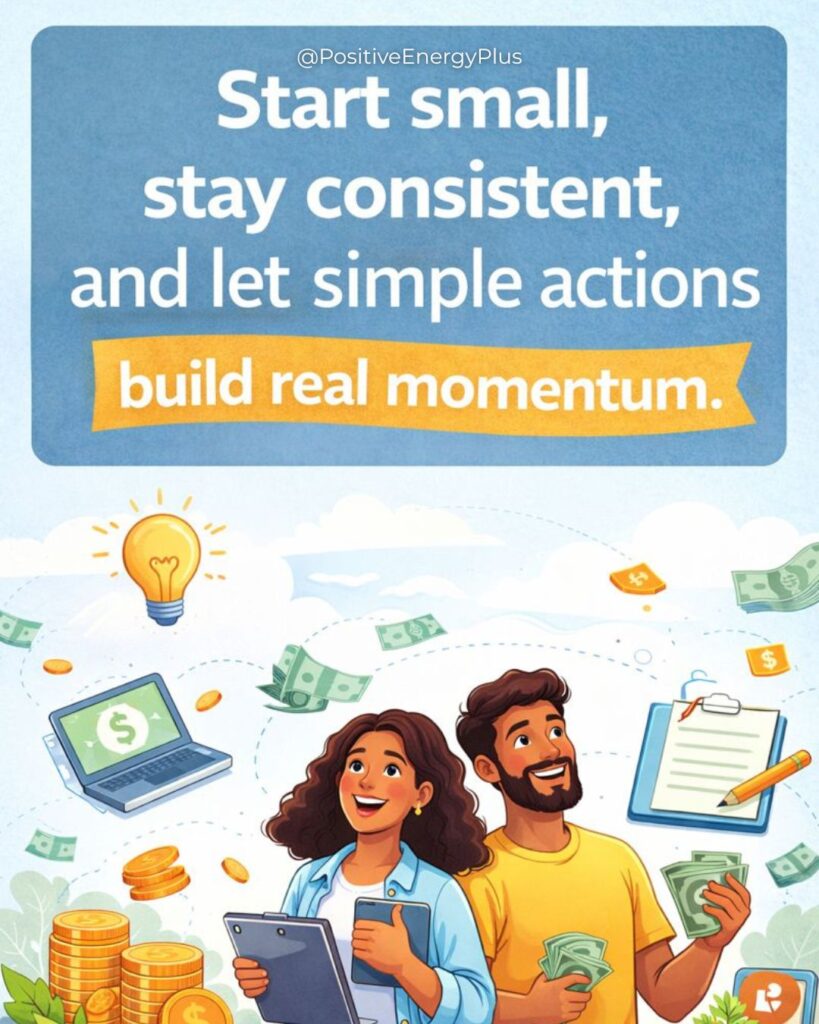
Building multiple income streams with little time or money is possible, but it requires patience, focus, and realistic expectations. The most important step is starting small and staying consistent.
You do not need to change your entire life. You need to take one intentional step at a time.
When you build income that fits your reality, progress becomes sustainable. Over time, small efforts compound into meaningful change.
Start where you are. Use what you have. Build slowly.
Frequently Asked Questions
Yes. Many beginner income streams rely on skills, time, and consistency rather than upfront investment. Services, simple digital products, and task based work are common starting points with little to no cost.
You can start with as little as 30 to 60 minutes a few times a week. The key is regular effort rather than long sessions. Consistency matters more than total hours.
You do not need advanced expertise to begin. Many income opportunities only require you to be slightly ahead of the person you are helping. Skills improve naturally as you practice.
Service based income can produce small results within weeks, while other income streams may take a few months. Early earnings are often modest and should be viewed as validation rather than a full replacement income.
Focus on one income idea at a time, limit how much advice you consume, and set small achievable goals. Progress becomes much easier when you simplify your approach and give yourself time to learn.