


Friendship can be one of the most beautiful parts of life. A true friend supports you, listens to you, and celebrates your growth. But not every connection is meant to last forever. Sometimes, the hardest but healthiest choice you can make is letting go of unhealthy friendships.
Letting go of unhealthy friendships is not about anger or revenge. It is about protecting your peace, honoring your mental health, and choosing relationships that support your well-being. If you have been feeling drained, anxious, or undervalued in a friendship, this guide will help you understand why letting go of unhealthy friendships can be an act of self-respect and growth.
Why Letting Go of Unhealthy Friendships Is So Difficult
Letting go of unhealthy friendships can feel painful, even when you know the relationship is not good for you. There are several reasons why it feels so hard.
First, there is history. Shared memories, inside jokes, and years of connection can make you feel loyal to the bond, even if the present reality is hurting you.
Second, there is guilt. You may worry about being selfish or unkind. You might think, “Maybe I am overreacting” or “What if they need me?”
Third, there is fear. Fear of being alone, fear of drama, or fear of hurting someone else can keep you stuck in a cycle that drains you.
Understanding these emotions is important. Letting go of unhealthy friendships does not mean you never cared. It simply means you care about yourself, too.
Signs It May Be Time to Consider Letting Go of Unhealthy Friendships
Not every disagreement or rough patch means a friendship is unhealthy. Conflict is normal. However, some patterns signal deeper problems.
1. You Feel Drained After Every Interaction
Healthy friendships leave you feeling supported and understood. If you consistently feel exhausted, anxious, or emotionally heavy after spending time with someone, it may be a red flag.
2. Your Boundaries Are Ignored
If you express your needs and they are dismissed, mocked, or repeatedly violated, that is not mutual respect. Protecting your peace often begins with recognizing when your boundaries are not honored.
3. There Is Constant Drama
Every friendship has challenges, but constant chaos is different. If the relationship revolves around gossip, conflict, or emotional manipulation, it can slowly affect your mental health.
4. You Feel Small Around Them
A healthy friend encourages your growth. If someone regularly criticizes you, competes with you, or undermines your confidence, letting go of unhealthy friendships may be necessary for your self-esteem.
5. The Friendship Feels One-Sided
Do you always initiate contact? Do you provide support but rarely receive it? A relationship that lacks balance can become emotionally draining over time.
Recognizing these patterns is not about labeling someone as a bad person. It is about acknowledging that the dynamic may not be healthy for you.
The Emotional Impact of Staying Too Long
When you avoid letting go of unhealthy friendships, the emotional cost can be higher than you realize.
You may start to question your worth. You might feel responsible for someone else’s moods or problems. Over time, this can lead to stress, resentment, and even anxiety.
Staying in draining relationships can also limit your growth. You may hold back your true thoughts to avoid conflict. You may shrink yourself to keep the peace.
Protecting your peace means understanding that your emotional energy is valuable. Not everyone deserves unlimited access to it.
Letting Go of Unhealthy Friendships Without Guilt
One of the biggest challenges in letting go of unhealthy friendships is guilt. Here are ways to approach the process with clarity and compassion.
Accept That Not All Friendships Are Meant to Last Forever
People change. Life stages shift. Values evolve. Some friendships serve a purpose for a season, then naturally come to an end. This does not erase the good moments you shared.
Separate Compassion From Self-Sacrifice
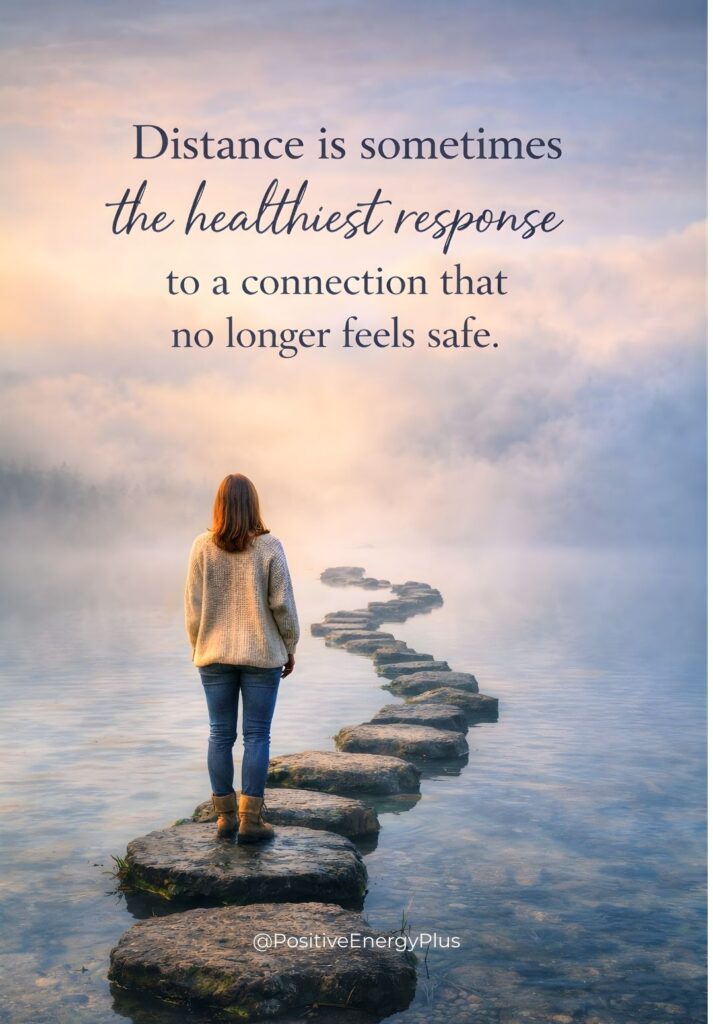
You can care about someone and still decide that the relationship no longer supports your well-being. Letting go of unhealthy friendships does not mean you wish harm. It means you choose peace.
Stop Explaining Yourself to Everyone
You do not owe a detailed explanation to outsiders. If you decide to step away, a simple and honest statement is enough. Over-explaining often comes from a place of guilt, not necessity.
Release the Need for Closure
Sometimes you will not get a heartfelt apology or a clear resolution. Letting go of unhealthy friendships may require you to create your own closure through acceptance.
Healthy Ways to Create Distance
Letting go does not always mean a dramatic confrontation. There are different approaches depending on the situation.
Gradual Distance
You may choose to reduce contact slowly. Reply less frequently. Decline invitations. Limit personal sharing. This method works when the friendship is draining but not dangerous.
Honest Conversation
In some cases, a respectful conversation is helpful. Express how you feel without blaming. Use “I” statements and focus on your needs. This allows both people to respond with clarity.
Firm Boundaries
If there has been repeated disrespect, stronger boundaries may be necessary. This could include blocking contact or clearly stating that you need space.
The method you choose depends on your safety and emotional comfort. Protecting your peace should always be the priority.
What You Gain by Letting Go of Unhealthy Friendships
Although letting go of unhealthy friendships can feel painful at first, it often creates space for positive change.
Emotional Freedom
You no longer feel responsible for managing someone else’s behavior. Your energy becomes lighter.
Stronger Self-Respect
Each time you honor your boundaries, you build trust with yourself. You show yourself that your well-being matters.
Healthier Connections
When you release draining relationships, you make room for friendships that feel balanced, supportive, and joyful.
Personal Growth
Letting go of unhealthy friendships teaches you about your values, your limits, and your emotional needs. This awareness strengthens all future relationships.
How to Heal After Letting Go
Ending a friendship can feel like a breakup. Healing takes time.
Allow Yourself to Grieve
Even if the relationship was unhealthy, you may miss the good moments. Grief does not mean you made the wrong decision.
Reflect on the Lessons
Ask yourself what the friendship taught you. What boundaries will you set sooner next time? What red flags will you recognize earlier?
Focus on Self-Care
Spend time doing activities that bring peace. Journal your thoughts. Connect with supportive people. Rebuild your emotional strength step by step.
Forgive, For Your Own Peace
Forgiveness does not mean reconciliation. It means releasing the emotional hold the situation has on you. Letting go of unhealthy friendships includes letting go of bitterness.
Rebuilding a Circle That Protects Your Peace
Once you create space, you can intentionally build healthier friendships.
Look for mutual respect. Notice how you feel after spending time with someone. Pay attention to whether your growth is supported.
Healthy friendships include open communication, emotional safety, shared effort, and kindness. They do not require you to prove your worth constantly.
Letting go of unhealthy friendships helps you clarify what you truly need in connection. It shifts your focus from quantity to quality.

Final Thoughts on Letting Go of Unhealthy Friendships
Letting go of unhealthy friendships is one of the bravest acts of self-care. It requires honesty, courage, and trust in yourself.
You deserve relationships that uplift you, not ones that drain you; you deserve peace, not constant tension, and you also deserve respect, not dismissal.
Releasing a draining friendship does not make you cold or unkind. It makes you self-aware and strong.
As you move forward, remember this: protecting your peace is not selfish. It is necessary. And letting go of unhealthy friendships may be the first step toward building a life filled with healthier, more supportive connections.
When Walking Away Feels Hard, Honest Answers About Letting Go
If you consistently feel drained, disrespected, or anxious after interactions, it may be time to step back. Healthy friendships feel supportive and balanced, even during conflict. When patterns of disrespect or emotional harm continue despite communication, letting go of unhealthy friendships may protect your peace.
Choosing your mental and emotional well-being is not selfish. Letting go of unhealthy friendships is about honoring your boundaries and creating space for healthier connections.
It depends on the situation. In some cases, an honest conversation brings clarity. In others, a quiet distance is safer and more appropriate. You are not required to explain your need for peace over.
It is normal to miss the good moments or the version of the person you hoped they would be. Grief does not mean the decision was wrong. It means the connection once mattered.
Some friendships improve when both people are willing to grow and respect boundaries. However, if unhealthy patterns continue, protecting your peace should remain the priority.