


When You Start Questioning the People Around You. Something starts to feel different—and it’s hard to ignore.
You walk away from certain conversations feeling drained instead of supported. You think back on what was said, and it doesn’t sit right. What once felt normal begins to feel heavy, even if nothing obvious has changed.
At first, it’s confusing. You might brush it off or tell yourself it’s not a big deal. Many people second-guess these feelings because they don’t want to make the wrong judgment. But this kind of awareness is real, and it matters.
Little by little, patterns become clearer. Some people only show up when they need something. Your good news gets brushed aside. Your limits are not taken seriously.
These moments build up until they’re hard to ignore. And this is often where it begins—what happens when you choose yourself starts with noticing what no longer feels right.
Recognizing What Toxicity Really Looks Like in Real Life
Not everything that hurts you looks harmful at first—and that’s what makes it tricky.
Toxic behavior often blends into everyday life. It doesn’t always show up as obvious conflict. Sometimes it’s hidden in jokes, tone, or how someone responds to you. Because it comes from people you know well, it’s easy to miss or excuse.
When you start paying closer attention, things begin to make more sense. You notice how certain interactions leave you feeling smaller, not stronger. You begin to see the difference between support and control, honesty and criticism.
The Subtle Ways It Shows Up
Toxicity can look like constant negativity, backhanded compliments, or comments that slowly affect how you see yourself. These may seem small at first, but repeated behavior matters.
Common signs people notice:
- Feeling drained after talking to them
- Second-guessing yourself more often
- Holding back good news to avoid reactions
You might start changing how you act just to avoid tension. That’s often one of the first real signs of what happens when you choose yourself—you begin to notice what’s not healthy.
Why It’s Easy to Overlook
When someone has been part of your life for a long time, it’s harder to call out their behavior. Familiarity can make things feel “normal” even when they’re not.
You may tell yourself:
- “They don’t mean it”
- “That’s just how they are”
- “It’s not a big deal”
But when the same patterns keep happening, it becomes harder to ignore. Over time, these excuses stop feeling right—and that’s when clarity starts to build.
The Internal Conflict That Keeps You Stuck
Even when you see the problem clearly, walking away is not simple.
A lot happens inside you. You may feel guilty for even thinking about creating distance. You might worry about hurting someone or being seen as the bad person. At the same time, there’s doubt—what if you’re wrong?
This push and pull can feel exhausting.
Common thoughts that come up:
- “Maybe I should just try harder”
- “What if things get better?”
- “Am I overreacting?”
But there’s also a quieter truth that keeps showing up—you feel tired, and something isn’t working anymore.
This is the part many people struggle with. You’re not just dealing with the other person—you’re dealing with your own emotions, your history, and your fears.
What happens when you choose yourself often begins right here, in this conflict. It’s not about being sure. It’s about being honest with what staying is costing you.
The Moment You Decide Something Has to Change
There’s usually one moment that shifts everything—even if it seems small.
It could be a conversation that goes too far, a pattern you can’t ignore anymore, or simply the feeling that you’re done feeling this way. You stop making excuses and start asking a different question: “What do I need right now?”
That question changes everything.
Instead of focusing on fixing the relationship, your attention turns back to yourself. You start thinking about your peace, your time, and your energy.
Clear signs this moment has arrived:
- You feel more tired than hopeful
- You stop defending their behavior
- You begin thinking about distance instead of repair
This is where what happens when you choose yourself becomes real. You may not have all the answers yet, but you know one thing—you can’t keep going the same way.
What Letting Go Actually Looks Like in Real Life
Letting go doesn’t always look the way people expect.
It’s not always a big talk or a clear ending. Many times, it happens quietly, through small changes in how you show up.
Creating Distance Without Announcement
You may start by pulling back a little. You reply less, share less, and stop putting in the same level of effort.
Simple changes can look like:
- Keeping conversations short
- Avoiding topics that lead to tension
- Spending less time in draining situations
This space helps you think clearly again. You start to feel a bit lighter, even if nothing has been said out loud.
When Conversations Become Necessary
In some cases, you may need to speak up. This could mean setting a boundary or explaining how you feel.
Not every response will be positive. Some people may not understand or may push back.
But being honest matters. It shows that you respect yourself enough to be clear. That’s a key part of what happens when you choose yourself—you stop staying silent just to keep things comfortable.
The Emotional Weight That Comes After Letting Go
Many people expect instant relief—but that’s not always how it works.
Yes, there can be peace. But there can also be sadness. Even when letting go is the right choice, it still means something has ended.
You may miss:
- The good moments you shared
- The person you thought they were
- The future you hoped for
These feelings are normal. They don’t mean you made a mistake. They simply show that the relationship mattered to you.
At the same time, something else starts to happen. The constant stress begins to fade. Your mind feels quieter. You’re not overthinking every interaction anymore.
What happens when you choose yourself is not just about losing something—it’s about gaining clarity. And slowly, that clarity starts to feel more peaceful than what you left behind.
How Your Energy Begins to Shift Without You Forcing It
Something starts to feel lighter—and you didn’t even try that hard.
When the constant stress is gone, your body and mind begin to settle on their own. You’re not as tense. You’re not replaying conversations as much. There’s more quiet in your thoughts, and that alone feels like relief.
Simple changes become noticeable:
- You wake up without that heavy feeling
- You don’t feel drained after every interaction
- You stop questioning yourself all the time
It’s not that life suddenly becomes perfect. It’s that you’re no longer carrying what was never yours to begin with.
This kind of shift doesn’t come from forcing yourself to feel better. It comes from removing what was pulling you down.
What happens when you choose yourself is this quiet change—you feel more like yourself again without trying to be someone else.
The Way You Start Showing Up Differently
The way you move through life starts to change—and people notice it.
You begin to speak more clearly. Not to argue, not to prove a point, but because you know what feels right for you. You no longer feel the need to explain yourself to people who don’t listen anyway.
Small shifts become part of your everyday life:
- You say no without feeling guilty
- You stop chasing approval
- You choose where your time and energy go
Your choices start to reflect what you actually want, not what others expect from you.
There’s a calm kind of confidence that builds. It’s not loud or forced. It’s steady. You trust your decisions more.
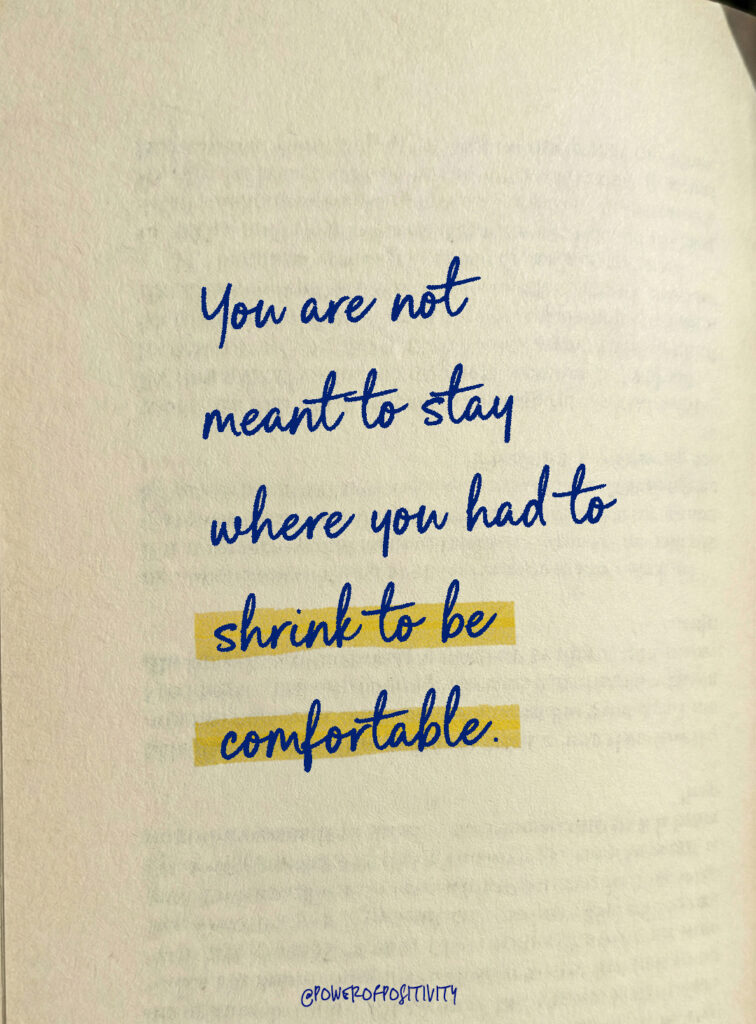
What happens when you choose yourself shows up here—you stop shrinking just to make others comfortable, and you start standing in what feels true to you.
What You Learn About Relationships Moving Forward
Your standards begin to change—and that’s a good thing.
After going through something draining, you become more aware of how people treat you and how they make you feel. Words matter, but actions matter more.
You start paying attention to things like:
- Do they respect your time?
- Do they support you without competition?
- Do you feel calm or stressed around them?
Familiarity is no longer enough to keep a connection. You begin to value consistency, honesty, and respect more than history.
You also understand your boundaries better. They’re not there to push people away—they’re there to protect your peace.
What happens when you choose yourself is this shift in awareness. You don’t settle the same way anymore, and the relationships you build start to feel more balanced and real.
Conclusion
It doesn’t feel like a win at first—but it turns into one.
Letting go of people who drain you is not about cutting others off for no reason. It’s about making space for a healthier way of living. It’s about choosing peace over pressure.
Yes, it can feel uncomfortable. There may be doubt, sadness, or even moments where you question your decision. That’s normal.
But at the same time, something important starts to grow:
- More peace in your day
- More clarity in your decisions
- More respect for yourself
Life doesn’t suddenly become easy, but it becomes clearer. You know what you will and won’t accept.
What happens when you choose yourself is not about losing people—it’s about finding yourself again. And that’s where real change begins.