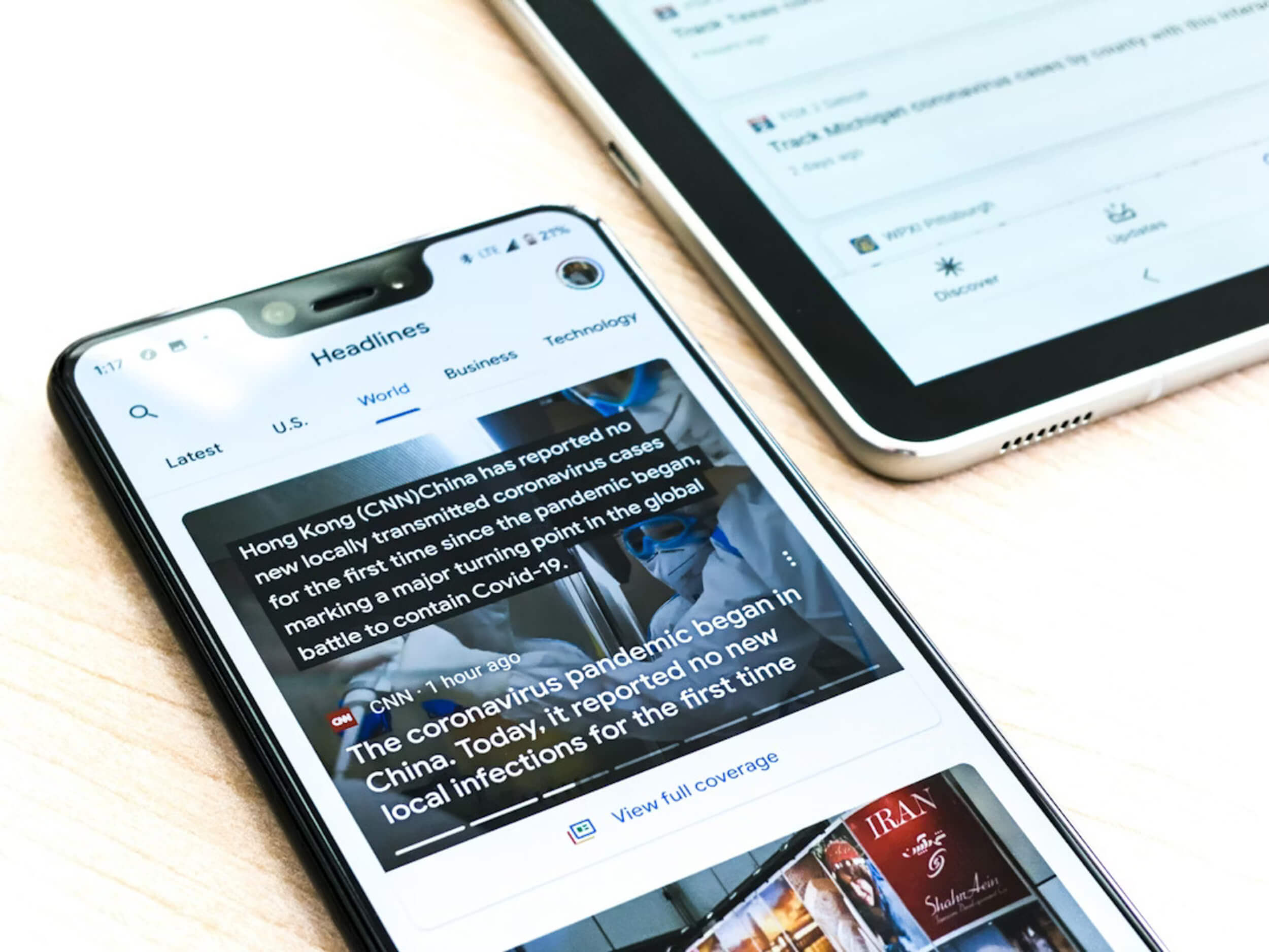



A quick news check can seem harmless—just a few minutes to see what’s happening. But somehow, it often leaves you feeling heavier than before. That’s not by accident. News today is designed to grab attention fast, and the easiest way to do that is through urgency, conflict, and emotionally charged stories.
Because of this, staying informed can slowly turn into constant exposure to stress. Even short moments of scrolling can affect how you feel. You might notice a drop in focus, a sense of tension, or a lingering feeling that something isn’t quite right.
This is where many people start wondering how to stay aware without feeling drained. The issue isn’t awareness itself—it’s how information is delivered and how often it shows up in your day.
Once you begin to see this pattern, things feel different. You realize you don’t need to take in everything to stay aware. With a few simple changes, you can stay informed while still protecting your focus, your mood, and your peace of mind.
How News Affects Your Thinking and Mood Without You Realizing It
It doesn’t happen all at once. The effect builds quietly, in small ways that are easy to miss at first. One day you feel a little more distracted. Another day, your thoughts keep going back to things you can’t control. Soon, there’s a low level of tension sitting in the background, even when your own day is going fine.
Your brain treats each piece of news like it matters, so it tries to process all of it. When there’s too much, it leads to mental fatigue. This is why even short bursts of news can leave you feeling tired or unsettled.
You may notice a few signs:
- Trouble focusing on simple tasks
- Thinking about negative stories long after reading them
- Feeling uneasy without a clear reason
This is where people start asking how to stay aware without carrying that weight. Once you notice these patterns, it becomes easier to step back, reset your focus, and protect your mental space.
The Line Between Staying Aware and Feeling Consumed
It starts simple—just checking updates here and there. Then suddenly, it feels like you’re always checking. That’s where the shift happens.
Staying aware means you check in, understand what matters, and move on. Feeling consumed looks different. It shows up in ways like:
- Reaching for your phone without thinking
- Checking updates even when nothing important has changed
- Feeling like you might miss something if you stop
This change doesn’t happen overnight. It grows through small habits that slowly take up more space in your day.
If you’re wondering how to stay aware without getting pulled in, the answer begins with noticing this line. When you’re in control, news fits into your life. When you’re not, it starts to take up your time, your thoughts, and your energy.
Noticing Your Current News Habits Before Changing Them
Before making any changes, it helps to see what’s already happening. Most people don’t realize how often they check the news until they pay attention to it.
It often shows up in small, automatic moments:
- While waiting for something
- During short breaks
- When there’s nothing else to do
These quick checks feel harmless, but they add up fast. Another thing to look at is how you feel after. Do you feel clear and informed, or drained and distracted?
You might notice signs like:
- Feeling mentally tired after scrolling
- Losing focus on what you were doing
- Carrying stress from what you just read
This is where learning how to stay aware becomes more personal. You’re not just following advice—you’re understanding your own patterns.
There’s no need to judge what you find. Simply noticing these habits gives you the clarity to make better choices moving forward.
Creating Simple Boundaries That Actually Work
Once you see your habits clearly, setting limits becomes easier and more realistic. The goal isn’t to cut off the news—it’s to take back control of when and how you engage with it.
A few simple changes can make a big difference:
- Pick specific times to check the news instead of checking all day
- Turn off alerts that keep pulling your attention
- Give yourself space between updates
These small steps reduce the constant pressure to stay updated. Instead of reacting to every notification, you decide when it’s time to check in.
Many people find that this alone improves focus and lowers stress. It also makes it easier to stay present in your daily life without feeling pulled in different directions.
If you’re trying to figure out how to stay aware in a healthier way, boundaries are one of the strongest tools you can use. They don’t limit your awareness—they protect your time, your energy, and your peace of mind.
Choosing News Sources That Inform Without Overwhelming You
Not all news hits you the same way. Some sources leave you clear and informed, while others leave you confused or drained. That difference matters more than most people think.
Trying to follow too many sources at once can quickly feel like too much. You read one thing, then another, and suddenly you’re juggling different angles, tones, and opinions all at the same time.
A better approach is to keep things simple:
- Stick to a few trusted sources
- Choose ones that explain, not just react
- Avoid jumping between too many platforms
This helps your mind stay clear instead of overloaded.
At the same time, it still helps to see different sides—but in a way that doesn’t overwhelm you. The goal isn’t to limit what you know, but to protect how you process it.
If you’re working on how to stay aware, the right sources make a big difference. They help you stay informed without turning every update into mental noise.
Changing How You Engage With the News
The way you take in news matters just as much as what you read. It’s easy to scroll quickly and absorb everything without thinking, but that’s where the stress builds up.
Slowing down changes everything. Instead of reacting to every headline, you give yourself a moment to focus on what actually matters.
You can start with small shifts:
- Read one story at a time instead of jumping around
- Pause before moving to the next update
- Ask yourself what’s actually useful to know
Another big habit to watch is nonstop scrolling. When you keep moving from one story to another, your mind never gets a break.
Taking short pauses gives your brain time to process what you’ve already seen. It helps you stay clear instead of overwhelmed.
When learning how to stay aware, this shift turns you from someone who just absorbs information into someone who understands it.
Balancing Heavy Information With Something That Grounds You
Some news topics carry weight. Reading too much of it in one sitting can leave you feeling tense without even realizing why.
That’s why balance matters. After taking in heavy information, giving your mind something lighter can help reset how you feel.
Simple ways to do this include:
- Stepping away from your screen
- Doing something calm like walking or stretching
- Switching to content that feels lighter or more positive
This doesn’t mean ignoring serious issues. It just means giving yourself space so you’re not carrying everything at once.
Without that balance, everything can start to feel overwhelming, even when your own life is steady.
If you’re figuring out how to stay aware, this step helps you stay informed without letting the weight of the news follow you through the rest of your day.
Focusing on What You Can Control Changes How News Feels
A lot of what you see in the news is outside your control. That’s one of the biggest reasons it can feel stressful or heavy.
Shifting your focus can change that feeling. Instead of holding onto everything, you start paying attention to what actually connects to your life.
This can look like:
- Paying more attention to local updates
- Focusing on decisions you can make
- Taking small actions that match your values
These steps bring your attention back to something real and manageable.
When you shift your focus this way, the news stops feeling like a constant weight. It becomes something you understand, not something that controls how you feel.
If you’re learning how to stay aware, this is where things start to feel lighter and more grounded.
Creating a Healthier Way to Stay Informed
A healthier approach to news isn’t about avoiding it—it’s about changing how it fits into your day.
When you create a little distance from constant updates, your mind has space to think clearly. You’re no longer reacting to every headline. Instead, you’re choosing what matters and letting the rest go.
This can show up in simple ways:
- Checking the news at set times
- Taking breaks after reading
- Staying focused on what’s useful to you
These small changes build a more steady way of staying informed.
If you’re working on how to stay aware, this approach helps you stay connected without feeling pulled in all directions. You stay informed, but you also stay calm, focused, and in control of your attention.
Conclusion
Staying informed should help you understand what’s going on—not leave you feeling drained or distracted.
Small changes can make a big difference. Choosing better sources, setting simple limits, and paying attention to how news affects you can shift your entire experience.
You don’t have to disconnect to feel better. You just need a way of engaging that works for you.
When you approach the news with more intention, it becomes easier to stay aware without losing your focus or your peace of mind.
Learning how to stay aware in a healthy way isn’t about doing more—it’s about doing things differently, so the news supports your life instead of taking energy away from it.