


Friendship is one of the most meaningful parts of life. It shapes how we see ourselves, how we handle stress, and how we celebrate success. Yet many people quietly wonder how to be a better friend. They care deeply about their relationships but are not always sure what that looks like in everyday life.
Learning how to be a better friend is not about being perfect. It is about growing with intention. It is about small daily habits that build trust, deepen understanding, and create emotional safety. When you focus on how to be a better friend, you are also choosing personal growth. You begin to notice your reactions, your listening skills, and the energy you bring into every conversation.
If you want stronger, more meaningful relationships, the journey begins with you.

Why Learning How to Be a Better Friend Matters
Friendships do not thrive by accident. They grow through care, time, and mutual respect. When you learn how to be a better friend, you create a safe space where both people feel valued.
Strong friendships offer support during hard seasons and joy during good ones. They give you someone to laugh with, someone to confide in, and someone who reminds you who you are. But connection is a two-way experience. It requires effort from both sides.
Choosing to learn how to be a better friend shows maturity. It means you are willing to reflect on your behavior and make small changes for the sake of something bigger than yourself.
1. Practice Active Listening Every Day
One of the most powerful ways to understand how to be a better friend is to truly listen. Not just waiting for your turn to speak, but listening with curiosity and care.
Active listening includes:
- Maintaining eye contact
- Avoiding distractions
- Asking thoughtful follow-up questions
- Reflecting on what you heard
When your friend feels heard, they feel respected. Listening builds emotional intimacy. It sends the message, “You matter to me.”
If you want to know how to be a better friend, start by becoming a better listener.
2. Show Up Consistently
Consistency builds trust. Grand gestures are nice, but reliability is what strengthens a connection over time.
Being consistent can look like:
- Checking in regularly
- Keeping your promises
- Remembering important dates
- Being present when they need support
Learning how to be a better friend means understanding that showing up matters more than saying the perfect words. Your presence alone can bring comfort and stability.
3. Celebrate Their Wins Without Comparison
A key part of understanding how to be a better friend is learning to celebrate others without turning it into a comparison.
When your friend achieves something, resist the urge to measure it against your own progress. Instead, celebrate fully. Ask about their journey. Share in their excitement.
True friendship is not a competition. It is a partnership built on encouragement. When you can genuinely cheer for someone else, you strengthen both the friendship and your own emotional growth.
4. Apologize When You Make Mistakes
No one gets it right all the time. If you are serious about how to be a better friend, you must be willing to take responsibility.
A sincere apology includes:
- Acknowledging what you did
- Expressing genuine regret
- Making an effort to change
Defensiveness damages trust. Humility repairs it. Personal growth in friendships often begins when you are brave enough to say, “I was wrong.”
5. Respect Boundaries
Understanding how to be a better friend also means respecting limits. Healthy friendships allow both people to have space, personal time, and different opinions.
Respecting boundaries might include:
- Accepting when they need alone time
- Not pressuring them to share more than they want
- Honoring their personal values
Boundaries do not weaken friendships. They protect them. When both people feel safe and respected, connection deepens naturally.
6. Offer Support Without Trying to Fix Everything
Sometimes the desire to help turns into trying to fix. But learning how to be a better friend means knowing the difference.
Often, your friend does not need solutions. They need empathy. They need someone who says, “That sounds really hard,” instead of immediately offering advice.
Support looks like:
- Validating feelings
- Sitting with discomfort
- Asking what they need
When you create space for emotions without judgment, you become a safe person in their life.
7. Communicate Honestly and Kindly
Clear communication prevents misunderstandings. If something bothers you, speak up with kindness instead of letting resentment build.
Part of knowing how to be a better friend is expressing your feelings respectfully. Use statements that focus on your experience rather than blame.
Honesty builds clarity. Kindness maintains connection. When both exist together, friendships become stronger and more resilient.
8. Make Time for Shared Experiences
Life gets busy. Responsibilities grow. Schedules fill up. Yet strong friendships require shared experiences.
You do not need elaborate plans. Simple moments count:
- A walk around the neighborhood
- A coffee catch-up
- A phone call at the end of the day
- Trying a new hobby together
If you want to understand how to be a better friend, prioritize time together. Shared memories create emotional glue that holds friendships together during harder seasons.
9. Encourage Growth, Not Comfort Zones
A meaningful friendship not only provides comfort. It also inspires growth.
Learning how to be a better friend includes gently encouraging your friend to pursue their goals, face fears, and step into their potential.
Support their dreams. Remind them of their strengths. Offer honest feedback when needed. Growth feels safer when someone believes in you.
10. Reflect on Your Own Patterns
Personal growth is central to being a better friend. Take time to reflect on your behavior.
Ask yourself:
- Do I interrupt often
- Do I cancel plans frequently
- Do I avoid difficult conversations
- Do I make space for their needs
Self-awareness strengthens relationships. When you notice patterns that may harm the connection, you gain the power to change them.
Friendship becomes stronger when both people are committed to becoming better versions of themselves.
11. Practice Gratitude for Your Friend
Gratitude deepens appreciation. Instead of assuming your friend knows how much you value them, tell them.
You might say:
- I appreciate how you always listen
- Thank you for being honest with me
- I am grateful for your support
Learning how to be a better friend means expressing appreciation openly. Gratitude nourishes the relationship and reminds both of you why the friendship matters.
12. Be Patient Through Life Changes
People grow. Priorities shift. Life circumstances evolve. A powerful part of knowing how to be a better friend is being patient during transitions.
Maybe your friend starts a new job. Moves to a new city. Begins a relationship. Faces a personal challenge. These seasons may change the rhythm of your connection.
Patience allows the friendship to adapt instead of breaking. Growth does not always mean distance. Often, it simply means adjusting expectations.
Personal Growth and Friendship Go Hand in Hand
When you commit to learning how to be a better friend, you are also committing to becoming more emotionally mature.
You develop:
- Empathy
- Accountability
- Patience
- Communication skills
- Self awareness
These qualities benefit every area of life. Friendship becomes a mirror that reflects your strengths and areas for improvement.
The beauty of focusing on how to be a better friend is that it shifts your attention from what you receive to what you give. Ironically, when you give more care and intention, you often receive a deeper connection in return.
Small Habits, Big Impact
You do not need to overhaul your personality overnight. Becoming better happens through small daily habits.
Send a thoughtful message. Listen without interrupting. Apologize quickly. Celebrate sincerely. Respect boundaries. Show up consistently.
Over time, these habits create a foundation of trust and safety. Your friend feels valued, understood, and supported.
And you feel proud of the person you are becoming.
Final Thoughts on How to Be a Better Friend
Friendship is not about perfection. It is about effort. It is about choosing kindness, honesty, and presence even when life feels busy.
If you truly want to know how to be a better friend, begin with self-reflection and intentional action. Focus on growth rather than blame. Choose empathy over ego. Choose consistency over convenience.
Every day offers a new opportunity to strengthen connections.
In the end, learning how to be a better friend is one of the most rewarding forms of personal growth. As you improve the way you show up for others, you also transform the quality of your relationships and your own emotional well-being.
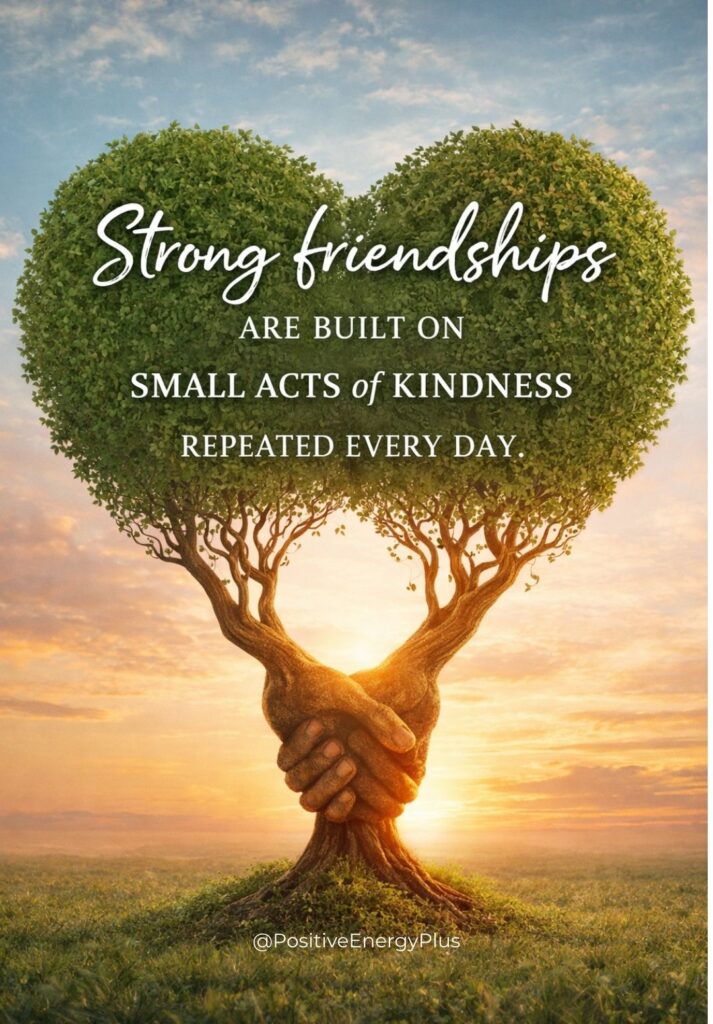
Strong friendships are built through simple habits practiced with care. And the decision to grow is always within your reach.
Friendship Glow Up: Your Questions About Becoming a Better Friend Answered
Learning how to be a better friend helps you build trust, emotional safety, and a deeper connection. Strong friendships support mental well being and encourage personal growth for both people.
Yes. Growth is always possible. Reflecting on past mistakes, apologizing sincerely, and changing harmful habits are powerful steps toward becoming a better friend.
Simple actions such as active listening, checking in regularly, respecting boundaries, and expressing gratitude can strengthen connection over time.
Ask your friend what they need. Sometimes they want advice, other times they just need someone to listen. Respecting their boundaries keeps the friendship healthy.
Yes. The skills you build, like empathy, communication, and accountability, positively impact your family, work, and romantic relationships as well.