

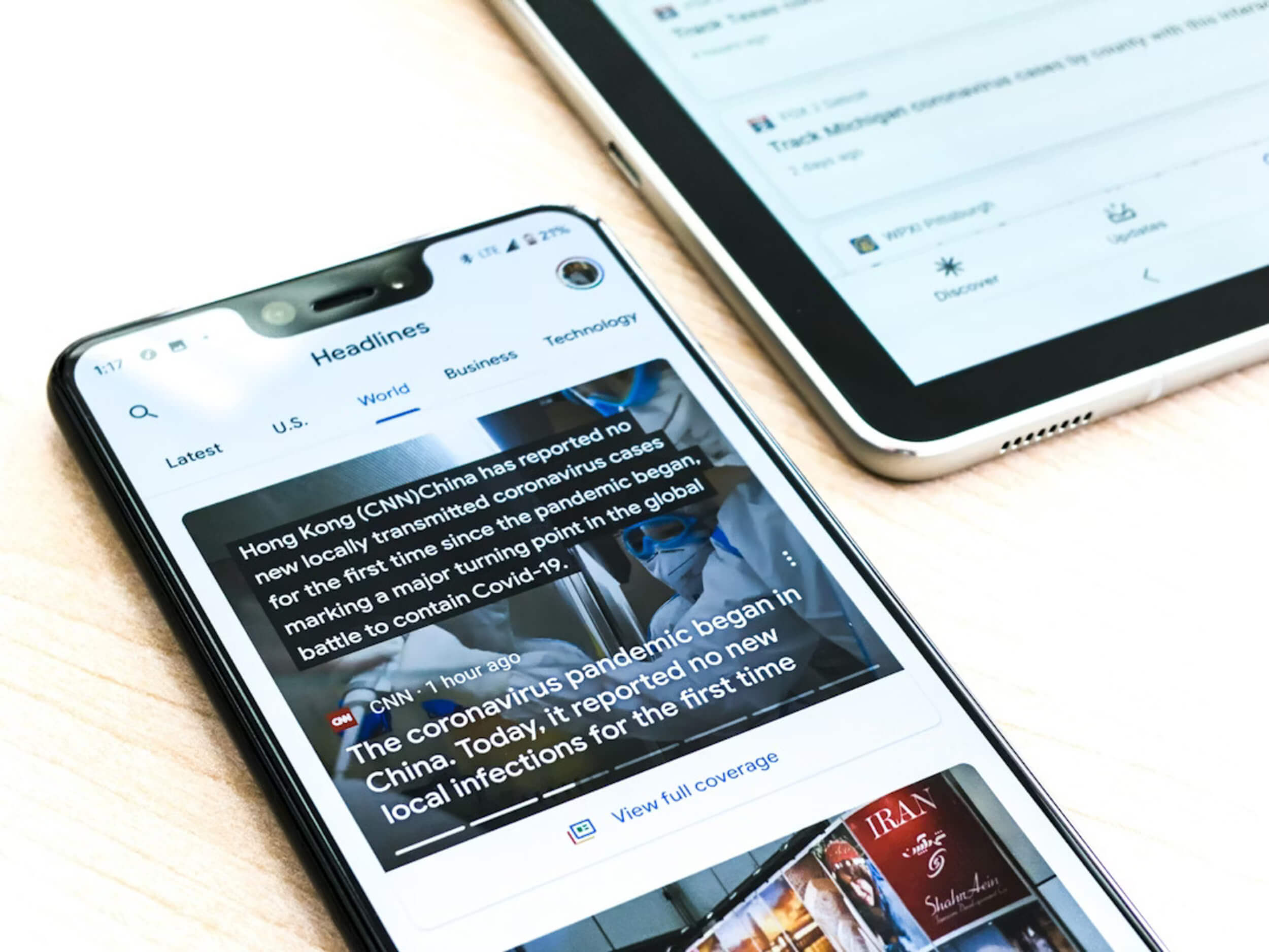
One quick glance at your phone can easily turn into a long scroll without you even noticing. News is no longer something you sit down to check—it’s something that slips into your day again and again. It shows up in notifications, social feeds, conversations, and even in the background while you’re doing something else.
This constant flow changes more than just your habits. It plays a quiet role in how news impacts your mood, even when you don’t feel it right away.
What used to be a simple update has become a steady stream. Instead of choosing when to check in, information keeps reaching you on its own. Your brain keeps taking it in, one piece after another, without much pause.
With little time to reset, your mind stays slightly on edge. Even when nothing directly affects you, that steady exposure can shape how you feel, think, and move through your day.
How Your Brain Reacts to Negative News
Bad news grabs your attention fast—and there’s a reason for that. Your brain is built to notice danger first. It’s a natural response that once helped people stay safe. Today, it still works the same way, even if the threat isn’t close to you.
That’s why certain headlines feel harder to ignore. Even when a story has nothing to do with your life, your mind can react as if it does. This is one of the key ways how news impacts your mood without you realizing it right away.
The problem starts when this happens again and again. Your brain stays focused on what could go wrong instead of what’s actually happening around you. This can quietly build tension in the background.
You may notice it in small ways:
- Feeling uneasy after reading updates
- Thinking about the same story more than you want
- Finding it hard to fully relax
When your thoughts stay tied to things you can’t control, it becomes harder to feel calm and present in your own day.
The Subtle Ways News Affects Your Mood
Not every reaction to the news feels strong or obvious. Sometimes, it shows up in quiet, easy-to-miss ways.
You might finish reading something and think you’re fine, but your mood shifts slightly. You feel a bit tense, distracted, or less patient than usual. These small changes matter because they can follow you through the rest of your day.
This is where how news impacts your mood becomes clearer. The effect doesn’t stop when you close the app or turn off the screen. Your mind keeps processing what you saw, even in the background.
You may start to notice patterns like:
- Feeling irritated without a clear reason
- Losing interest in things you usually enjoy
- Carrying a heavy or uneasy feeling
These reactions can build little by little. When they stack up, they can shape how your day feels overall—even if you can’t point to one exact cause.
Why Your Focus and Mental Clarity Start to Shift
When your mind keeps jumping from one update to another, staying focused becomes harder. News pulls your attention in different directions, especially when it keeps changing.
Instead of settling into one task, your thoughts move quickly. You might read something, then check another update, then return to what you were doing—only to lose your place. This is a common way how news impacts your mood and focus at the same time.
You may notice it in simple moments:
- Rereading the same line more than once
- Forgetting what you were about to do
- Feeling mentally scattered
Decision-making can also feel heavier. Even small choices take more effort because your mind is already busy processing outside information.
This isn’t about being distracted on purpose. It’s what happens when your brain takes in too much at once. With less mental space, it becomes harder to think clearly, stay present, and follow through on what matters.
How News Consumption Drains Your Daily Energy
Feeling tired isn’t always about physical activity. Your mental and emotional state plays a big part in how your energy holds up during the day.
When you’re exposed to heavy or stressful news often, your mind stays active—even when you’re not doing anything demanding. It keeps thinking, reacting, and trying to process what you’ve seen. This is another way how news impacts your mood and energy at the same time.
You might notice signs like:
- Feeling drained even after resting
- Struggling to start simple tasks
- Losing motivation during the day
This kind of tiredness can feel confusing because it doesn’t come from physical effort. It comes from your mind staying “on” for too long.
As this builds, it can affect your body too. You may feel slower, less focused, and less interested in things you usually care about.
Without noticing it, constant news exposure can take away the energy you need for your own priorities.
The Hidden Influence of Social Media on Your Mindset
Social media doesn’t just show you the news—it mixes it with opinions, reactions, and constant updates from other people. This makes everything feel louder and more intense than it really is.
Unlike traditional news, these platforms are built to keep you scrolling. The more emotional or dramatic a story is, the more likely you are to see it. That’s why negative or shocking content shows up more often.
Even when you’re just casually scrolling, your mind is still taking everything in. This is one of the strongest ways how news impacts your mood without you realizing it right away.
You may start to notice small shifts like:
- Feeling more tense after scrolling
- Seeing the world in a more negative way
- Getting stuck thinking about certain posts
These changes don’t happen all at once. They build quietly.
That constant stream creates a background level of stress that can stay with you longer than you expect.
When Staying Informed Starts to Feel Overwhelming
There comes a point where staying updated stops feeling helpful and starts to feel heavy. It doesn’t happen suddenly—it builds little by little.
At first, you might not notice it. Then small signs begin to show. This is often how news impacts your mood in a deeper way.
You may catch yourself:
- Feeling restless even when nothing is wrong
- Having trouble relaxing at the end of the day
- Thinking about news long after reading it
At the same time, stepping away can feel hard. You may feel like you need to stay informed, even when it’s affecting how you feel.
This creates a cycle. You keep checking for updates, but each time leaves you feeling more drained.
Noticing this pattern is important. Once you see it clearly, it becomes easier to make small changes that protect your well-being.
How Your Daily Habits Shape Your News Consumption
The way you consume news often comes down to your daily habits. Most of the time, it’s not a decision—it’s something you do automatically.
Notifications play a big role. A quick alert turns into a quick check, and that check turns into more scrolling. This pattern is one way how news impacts your mood without you noticing how often it happens.
Your routine also makes it stronger. You might check the news:
- While taking a break
- Right after waking up
- Before going to sleep
These small habits add up. They increase how much information you take in throughout the day.
Because it feels normal, it’s easy to miss how often it happens.
Once you become aware of these patterns, you can start to see where small changes can make a big difference.
Creating a Healthier Way to Stay Informed
Staying informed doesn’t have to leave you feeling drained. The key is not avoiding the news, but changing how you engage with it.
When you become more intentional, you take back control. Instead of reacting to every update, you choose when and how you check in. This shift alone can change how news impacts your mood in a positive way.
Simple changes can help:
- Checking the news at set times instead of all day
- Turning off unnecessary notifications
- Choosing calm, balanced sources
Giving your mind space is just as important. When you step away, even for a short time, your thoughts settle and your energy returns.
These breaks allow you to process information more clearly instead of feeling overwhelmed by it.
A healthier approach isn’t about ignoring what’s happening. It’s about protecting your focus, your mood, and your energy while still staying aware of what matters.
Why Focusing on What You Can Control Brings Relief
A lot of what you see in the news is outside your control. When your attention stays on these things, it can create a sense of worry or helplessness.
Shifting your focus can change that feeling. When you bring your attention back to your own life, things start to feel more steady. This is a powerful way how news impacts your mood—and how you can take that control back.
You begin to notice what’s actually within your reach, such as:
- Your daily choices
- Your actions
- How you respond to situations
This shift helps you feel more grounded.
It doesn’t change what’s happening in the world, but it changes how much it affects you.
Conclusion
News is part of everyday life, but it doesn’t have to take over how you feel or how your day goes.
The way you engage with it plays a bigger role than most people think. It can shape your mood, your focus, and your energy in quiet but real ways. That’s exactly how news impacts your mood over time.
Small changes can make a difference. Paying attention to your habits, taking breaks, and choosing when to check updates can help you feel more in control.
When you find that balance, staying informed feels lighter.
You stay aware of what’s happening without losing the energy you need for your own life.