

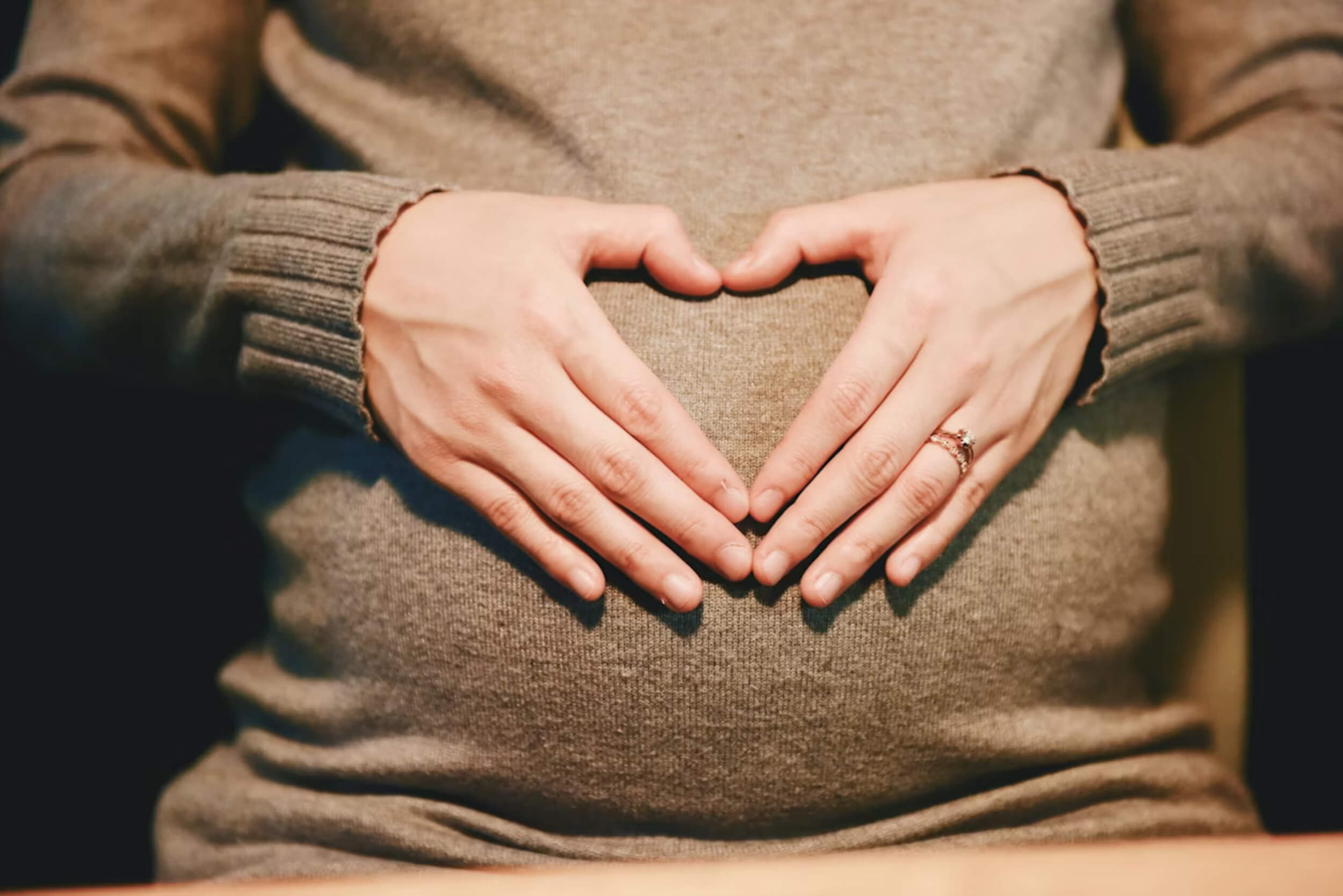
Pregnancy is a season where everyday choices quietly shape both mom and baby. What you eat, how you move, how you rest, and how you care for yourself all play a role in how your body supports new life. These moments may seem small on their own, but together they add up in powerful ways. The truth is, healthy pregnancy habits are not about being perfect or doing everything “right.” They’re about steady, realistic choices that support your body as it works harder than ever.
When healthy habits are in place, many women notice better energy, fewer daily discomforts, and a stronger sense of balance. These same habits also help support baby’s growth and long-term health. This guidance is meant for most healthy pregnancies, using well-established medical knowledge. Every pregnancy is different, so personal advice from a healthcare provider should always come first—but these habits offer a strong, trusted foundation to build on.
Healthy Weight Gain During Pregnancy
Weight gain during pregnancy is not just about the number on the scale. It plays a direct role in how your baby grows and how your body handles the changes ahead. Gaining the right amount helps support your baby’s organs, bones, and overall development, while also protecting your own health during pregnancy and delivery.
Gaining too little weight can limit the nutrients your baby needs, while gaining too much may raise the risk of concerns like high blood pressure, gestational diabetes, or a harder recovery after birth. What’s important to know is that weight needs are different for every woman. Factors like your body size before pregnancy, your health history, and whether you’re carrying more than one baby all matter.
Pregnancy is not a time to try to lose weight. Your body needs steady fuel to support both of you. Regular check-ins with your healthcare provider help make sure weight gain stays on track and supports healthy pregnancy habits without added stress or guesswork.
Eating Enough—But Not “Eating for Two”
Many women hear the phrase “eating for two,” but that idea often causes confusion. During pregnancy, your body does need more energy—but not double the food. Calorie needs increase slowly as pregnancy moves along, especially in the second and third trimesters.
What matters most is not eating a lot more, but eating smarter. Foods that provide real nutrition help your body do its work without leaving you overly full or uncomfortable. Large portions of low-quality foods don’t give the same benefit.
Listening to your body is key. Some days you may feel hungrier, while other days you may not. Paying attention to hunger and fullness cues helps guide intake without pressure. When meals focus on balance and nourishment, healthy pregnancy habits feel more natural and easier to maintain over time.
Choosing Nutrient-Dense Foods That Support Baby’s Growth
The foods you choose during pregnancy supply the building blocks your baby needs to grow. Fruits and vegetables provide vitamins and fiber that support digestion and immune health. Whole grains help keep energy steady. Lean proteins support tissue growth, and healthy fats play a role in brain development.
Eating a wide mix of foods helps cover your nutritional needs without making meals complicated. Colorful plates often signal a good range of nutrients. Drinking enough water also matters, as hydration supports circulation, digestion, and overall comfort.
There’s no single perfect meal. What counts is variety across the day and week. When meals include different food groups, your body has what it needs to support both you and your baby. Over time, these choices reinforce healthy pregnancy habits that benefit energy, comfort, and long-term well-being.
Key Nutrients Needed During Pregnancy
During pregnancy, some nutrients become especially important. Folate supports early brain and spinal development. Iron helps carry oxygen through the blood to both mother and baby. Calcium and vitamin D support strong bones and teeth. Iodine plays a role in brain development, and protein helps build growing tissues.
Many women meet these needs through food, but prenatal vitamins are often recommended to fill gaps. These supplements are meant to support a healthy diet, not replace it. Whole foods still provide fiber and other helpful compounds that pills cannot.
Because needs vary, it’s best to talk with a healthcare provider before starting or changing supplements. Getting the right nutrients supports healthy pregnancy habits that protect both short-term growth and long-term health.
Managing Common Pregnancy-Related Eating Challenges
Pregnancy can bring changes that affect eating, such as nausea, food dislikes, constipation, or heartburn. These challenges are common and often temporary. Small adjustments can make meals more comfortable.
Eating smaller meals more often may help with nausea and heartburn. High-fiber foods and plenty of fluids support digestion and help prevent constipation. Eating slowly and avoiding lying down right after meals can also reduce discomfort.
Flexibility matters. There’s no need for strict food rules when your body is adjusting. If symptoms make it hard to eat enough or last longer than expected, a healthcare provider can help guide safe solutions that keep nutrition on track.
Foods and Beverages to Limit or Avoid During Pregnancy
Some foods and drinks can pose risks during pregnancy and are best avoided. Alcohol is unsafe at any stage, as it can affect your baby’s development. Caffeine should be limited, with most experts recommending no more than about one small cup of coffee per day.
Certain fish contain higher levels of mercury, which can affect a baby’s nervous system. Choosing low-mercury seafood and avoiding raw or undercooked foods helps reduce the risk of illness. Food safety matters more during pregnancy because infections can affect both mother and baby.
Being aware of these limits supports healthy pregnancy habits that focus on protection and prevention, not restriction for the sake of restriction.
Staying Physically Active Throughout Pregnancy
Movement during pregnancy supports circulation, strength, mood, and steady weight gain. For most women, staying active helps reduce aches, improve sleep, and boost daily energy.
Physical activity does not need to be intense to be helpful. Walking, swimming, or prenatal exercise classes can keep the body moving without strain. Staying active also supports emotional well-being, which plays a role in overall health.
The key is adjusting activity to how your body feels. As pregnancy progresses, comfort levels change. Listening to your body and following medical advice helps keep movement safe and beneficial.
How Much Physical Activity Is Recommended
Most guidelines suggest aiming for about 150 minutes of moderate activity each week during pregnancy. Moderate activity means your heart rate increases, but you can still talk comfortably while moving.
Short sessions spread throughout the week work just as well as longer workouts. Consistency matters more than intensity. Even gentle movement done regularly supports circulation and muscle strength.
If you were active before pregnancy, you may be able to continue with adjustments. If activity is new to you, starting slow is perfectly fine. Checking with a healthcare provider helps ensure your routine supports healthy pregnancy habits safely.
Staying Safe While Being Physically Active
Safety comes first when moving during pregnancy. Activities with a low risk of falling or injury are usually best. Staying hydrated, wearing comfortable clothing, and avoiding overheating help protect both you and your baby.
Some activities, such as contact sports or exercises that increase fall risk, are not recommended. Paying attention to how your body feels matters. Dizziness, shortness of breath, or pain are signs to stop and rest.
Taking breaks and adjusting pace supports healthy pregnancy habits that keep movement helpful instead of harmful.
Supporting Emotional Well-Being During Pregnancy
Emotional changes are a normal part of pregnancy. Hormones, physical changes, and life adjustments can affect mood and stress levels. Feeling tired or uncertain at times does not mean something is wrong.
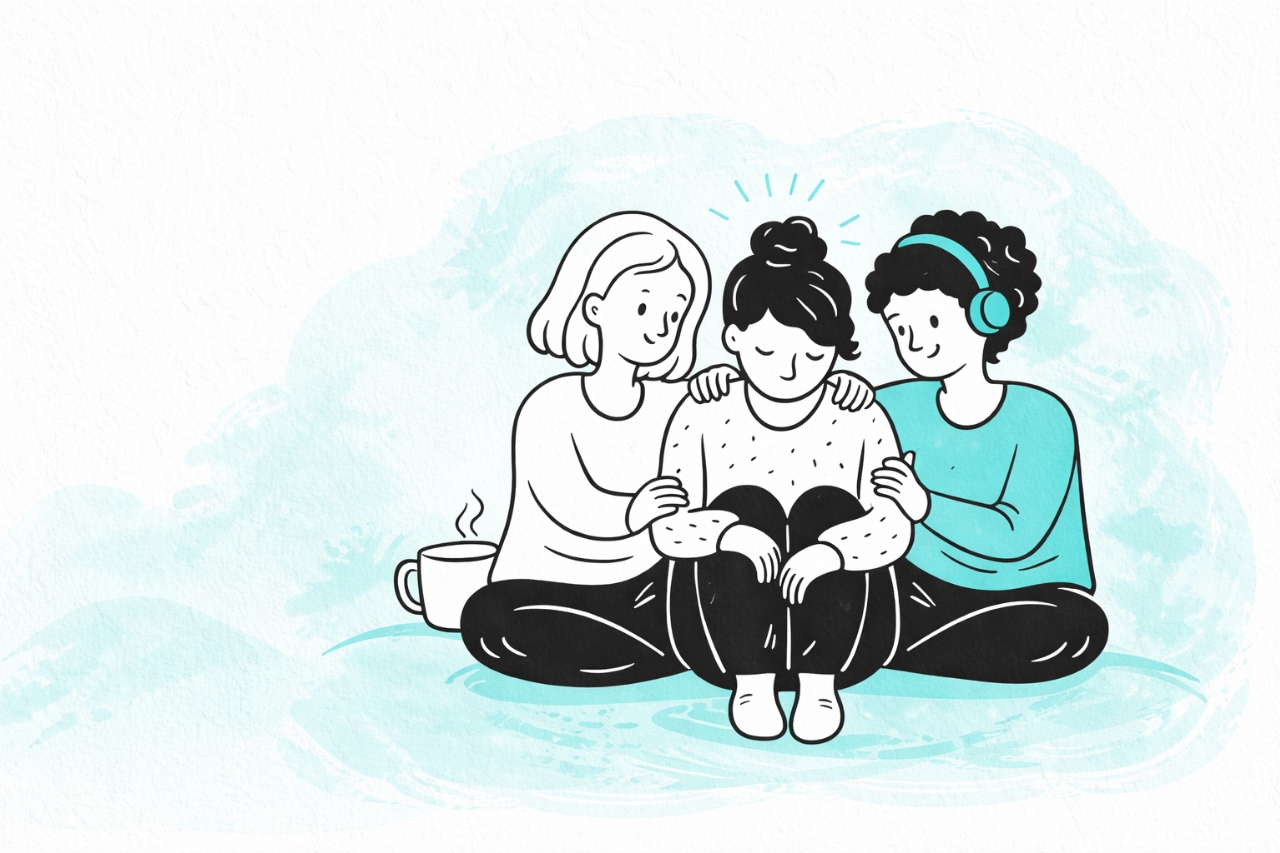
Stress can influence eating, sleep, and activity habits. Simple support—rest, connection with others, and kindness toward yourself—can make a big difference. Talking openly about how you feel helps reduce emotional strain.
Asking for help is a sign of strength, not weakness. Emotional care is part of overall health and supports both mom and baby.
Healthy Habits After the Baby Is Born
After delivery, recovery takes time. Gradually returning to regular activity and nourishing meals helps support healing and energy levels. Rushing weight loss or activity can work against recovery.
Sleep may be limited, so rest when possible and focus on simple, nourishing foods. Gentle movement, once approved by a healthcare provider, supports circulation and mood.
Every recovery timeline is different. Listening to your body and accepting support helps new mothers continue healthy pregnancy habits into the postpartum stage.
How Breastfeeding Can Support Mother and Baby
Breastfeeding provides complete nutrition for infants and supports immune health. It may also offer benefits for mothers, including helping the body use extra energy during milk production.
Calorie needs increase during breastfeeding, and hydration becomes even more important. Eating balanced meals supports both milk supply and maternal energy.
Breastfeeding looks different for everyone. Guidance from healthcare providers helps ensure both mother and baby are supported in a way that fits individual needs.
Practical Support Strategies for New Mothers
Caring for a newborn is demanding. Rest, shared responsibilities, and support from others help protect health during this transition. Accepting help with meals, errands, or childcare allows time to recover.
Emotional ups and downs are common after birth. Staying connected with friends, family, or support groups can ease feelings of overwhelm.
Caring for the mother supports the baby. When basic needs are met, healthy routines become easier to maintain.
Summary: Healthy Pregnancy Habits at a Glance
Healthy pregnancy habits support both mom and baby before and after birth. Balanced nutrition, safe movement, emotional care, and medical guidance all work together to protect health. Small, steady choices matter more than perfection.
Staying in touch with healthcare providers helps tailor these habits to individual needs. With patience, support, and consistency, these habits lay a strong foundation for long-term well-being for both mother and child.