


Healthy relationships shape how we see ourselves, how we handle stress, and how we move through life. When we talk about happiness, success, and emotional balance, we often overlook one powerful factor, friendship and mental health.
The connection between friendship and mental health is stronger than many people realize. Supportive friendships can reduce stress, improve self esteem, protect against anxiety and depression, and even strengthen physical health. In a world where people feel increasingly isolated, understanding the link between friendship and mental health is more important than ever.
This article explores how friendship and mental health are deeply connected, and why building strong, supportive relationships can transform your emotional wellbeing.
The Science Behind Friendship and Mental Health
Research consistently shows that friendship and mental health go hand in hand. People with close, supportive friends tend to experience lower levels of stress and greater life satisfaction.
When you spend time with someone you trust, your brain releases feel good chemicals like oxytocin and serotonin. These chemicals help regulate mood, reduce anxiety, and create feelings of safety and belonging.
Strong friendships can:
- Lower cortisol, the stress hormone
- Reduce feelings of loneliness
- Improve resilience during difficult times
- Increase overall happiness
Friendship and mental health are closely linked because humans are wired for connection. We are not meant to navigate life alone.
Emotional Safety and Its Role in Mental Wellbeing
One of the greatest gifts of healthy friendships is emotional safety. Emotional safety means you can share your thoughts and feelings without fear of judgment, shame, or rejection.
When friendship and mental health are aligned, you feel:
- Accepted as you are
- Heard and understood
- Comfortable expressing vulnerability
- Free to set boundaries
Supportive friendships create a space where you can process emotions openly. This reduces the internal pressure that often leads to anxiety and emotional burnout.
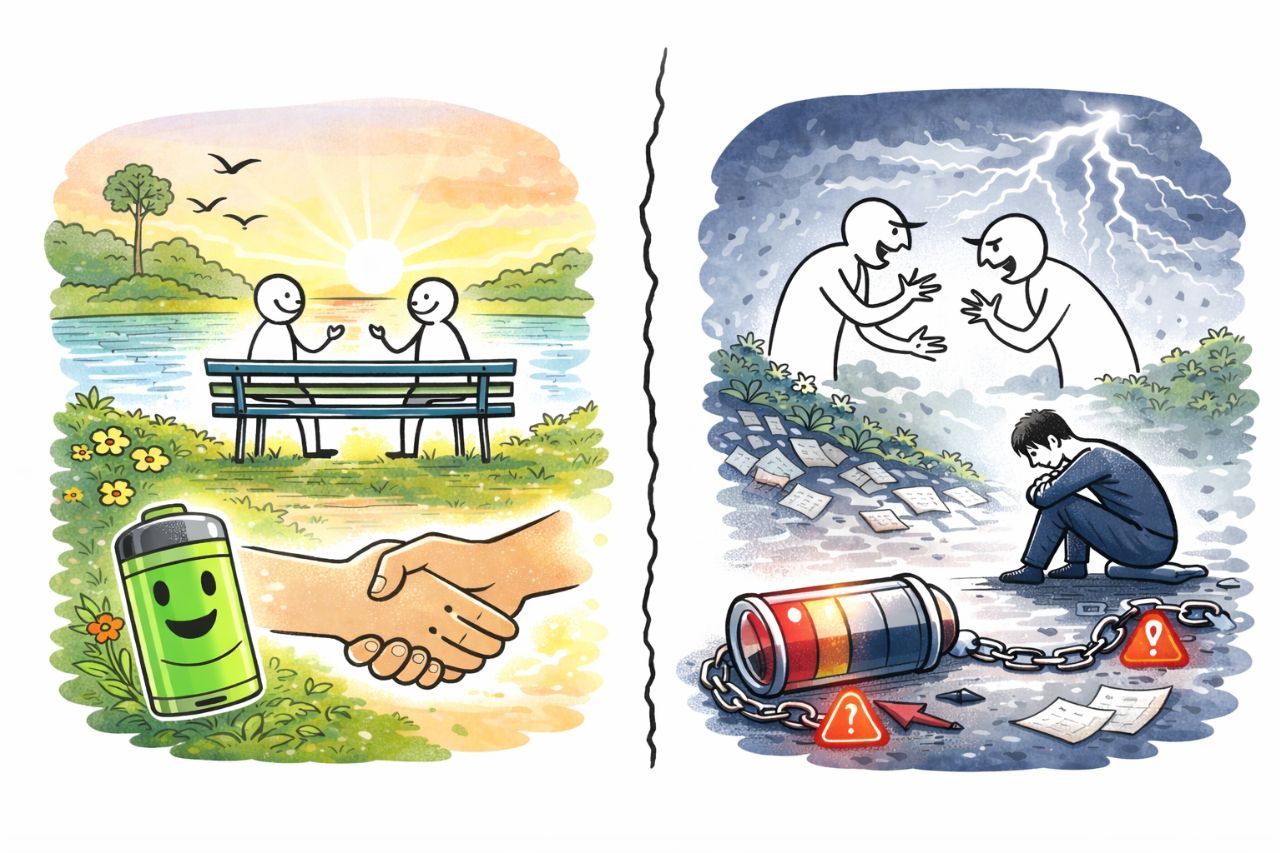
Without emotional safety, people tend to bottle up their feelings. Over time, this can increase stress and negatively affect friendship and mental health.
How Supportive Friendships Reduce Stress
Life includes challenges, uncertainty, and unexpected changes. During these moments, friendship and mental health become especially connected.
A supportive friend can:
- Offer a listening ear
- Provide practical advice
- Help you see a situation from a new perspective
- Simply sit with you in silence
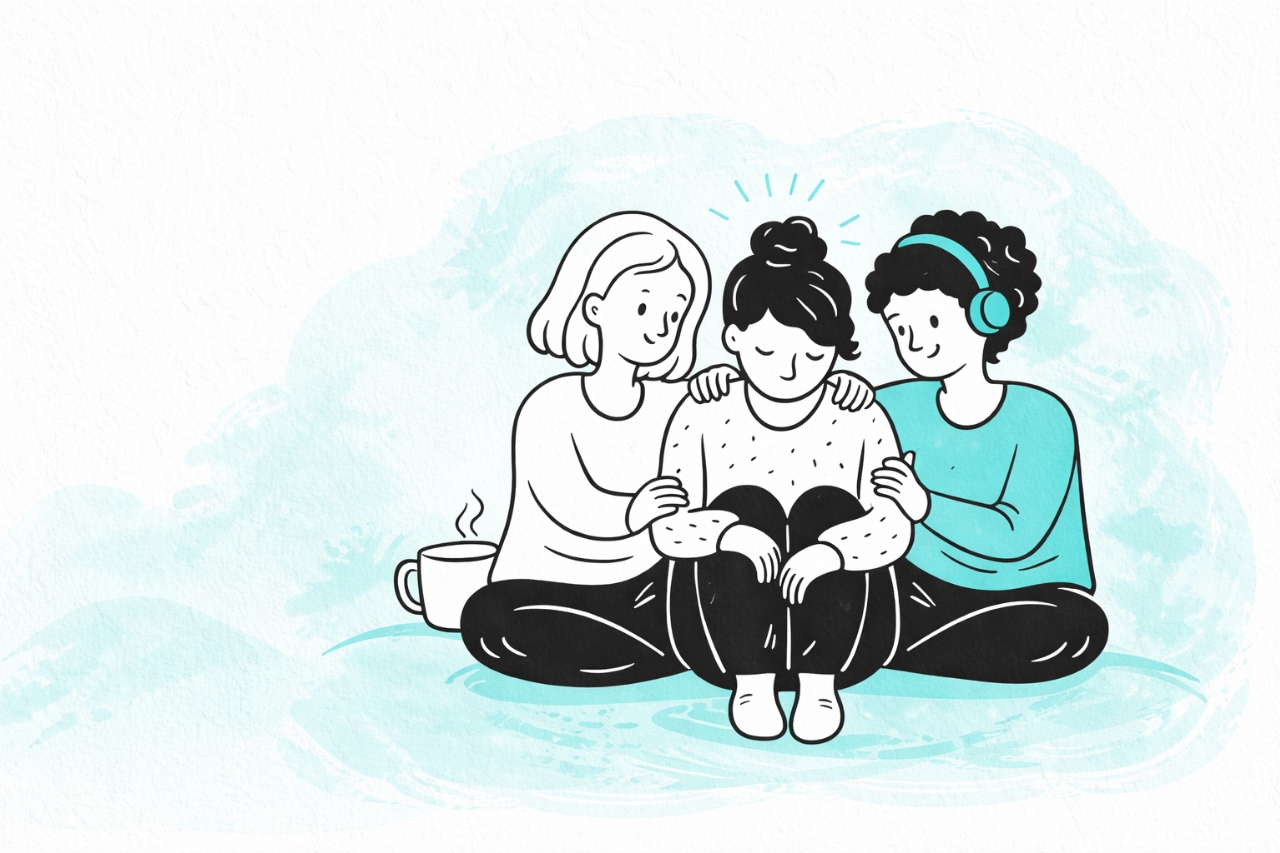
Sometimes the greatest relief comes from knowing you are not facing something alone.
Studies show that people who feel supported recover from stressful events faster. The presence of trusted friends acts as a buffer against emotional overload. This is one of the clearest examples of how friendship and mental health strengthen each other.
The Impact of Loneliness on Mental Health
Loneliness is more than a feeling. It can significantly impact both emotional and physical wellbeing.
When friendship and mental health are disconnected, people may experience:
- Increased anxiety
- Higher risk of depression
- Lower self confidence
- Sleep problems
- Reduced motivation
Long term loneliness has even been compared to smoking in terms of health risks. Humans need meaningful social bonds to thrive.
Building and maintaining supportive relationships is one of the most effective ways to protect friendship and mental health from the harmful effects of isolation.
Friendship and Mental Health During Difficult Seasons
Everyone goes through hard seasons. Loss, career changes, health issues, or personal setbacks can challenge emotional stability.
During these times, friendship and mental health become deeply intertwined.
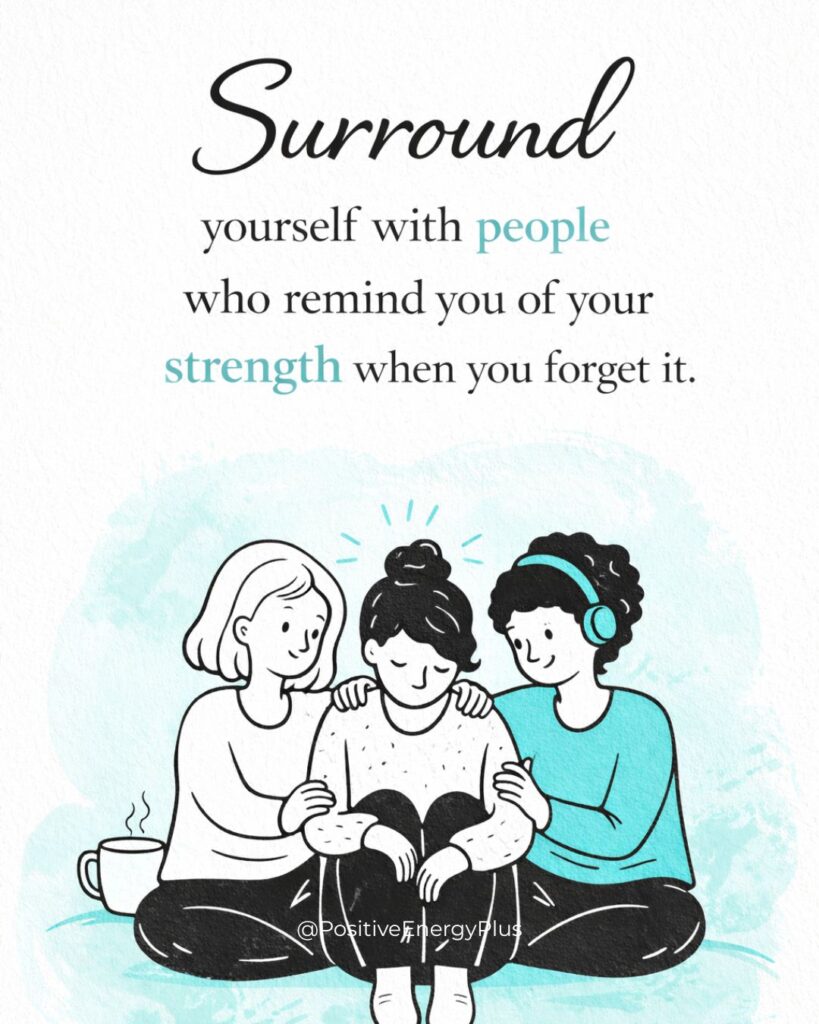
A caring friend can remind you of your strengths when you forget them. They can hold hope for you when you feel discouraged. They can offer perspective when your thoughts feel overwhelming.
Supportive friendships also encourage healthy coping habits. Instead of withdrawing or engaging in harmful behaviors, you are more likely to seek comfort, talk openly, and make balanced decisions.
Friendship and mental health support each other most clearly during life’s most uncertain chapters.
The Role of Trust and Respect in Healthy Friendships
Not all friendships support mental wellbeing. The quality of connection matters more than the number of people in your life.
Healthy friendship and mental health are built on:
- Trust
- Mutual respect
- Honest communication
- Shared values
- Emotional reciprocity
Toxic or one sided friendships can increase stress rather than reduce it. If a relationship leaves you feeling drained, anxious, or undervalued, it may harm friendship and mental health instead of strengthening it.
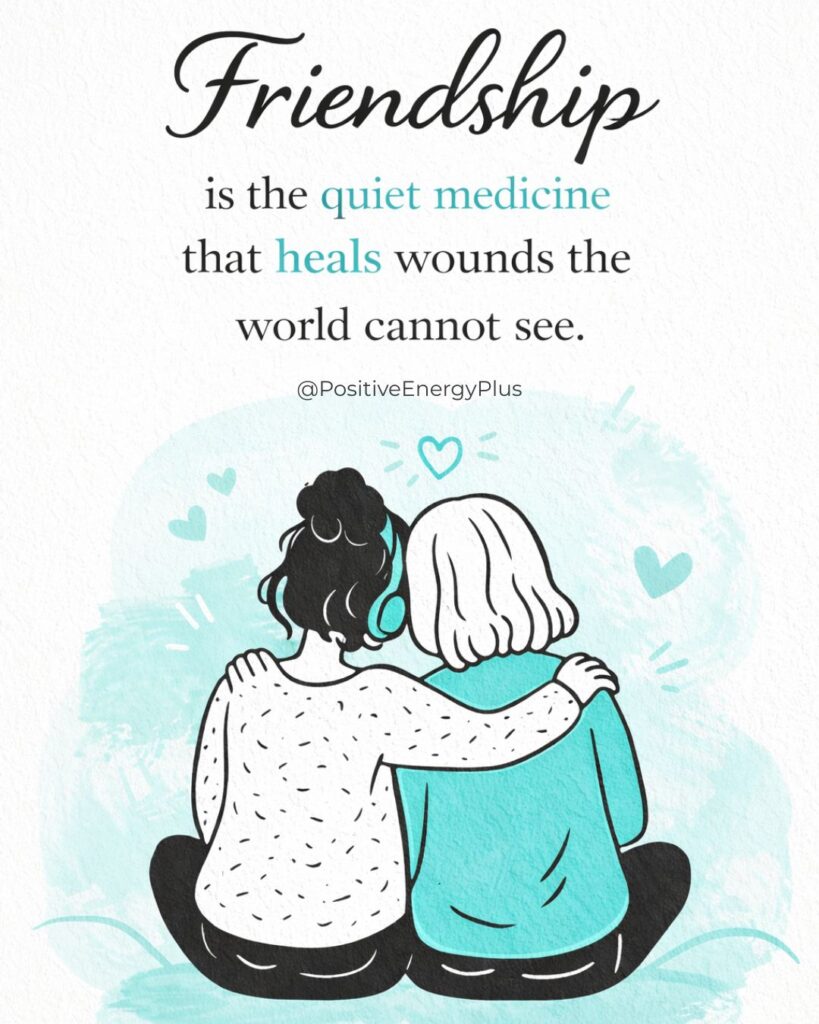
True supportive friendships feel balanced. Both people give and receive support. Both feel seen and valued.
Friendship and Mental Health in Adulthood
Making and maintaining friendships can become more challenging in adulthood. Work responsibilities, family commitments, and busy schedules often limit social time.
However, friendship and mental health remain just as important, if not more important, as we age.
Adult friendships:
- Provide emotional grounding
- Offer perspective outside of family roles
- Encourage personal growth
- Support work life balance
Prioritizing friendship and mental health in adulthood may require intention. Scheduling regular calls, planning monthly meetups, or simply checking in through messages can make a big difference.
Even small, consistent efforts help maintain connection.
How Friendships Boost Self Esteem
The way your friends treat you influences how you see yourself. Positive reinforcement, encouragement, and affirmation strengthen self worth.
Friendship and mental health connect strongly through self esteem.
Supportive friends:
- Celebrate your achievements
- Encourage your goals
- Offer constructive feedback kindly
- Remind you of your strengths
Over time, this consistent support builds confidence. You begin to internalize the positive reflections your friends share.
On the other hand, constant criticism or comparison can damage both friendship and mental health.
Choosing relationships that uplift rather than undermine you is essential for long term emotional wellbeing.
Building Friendships That Support Mental Health
If you want to strengthen friendship and mental health in your life, consider these practical steps:
1. Be Vulnerable Gradually
Healthy connection grows when people share authentically. Start small and build trust over time.
2. Practice Active Listening
Put away distractions. Make eye contact. Validate feelings. Listening deeply strengthens friendship and mental health.
3. Set Clear Boundaries
Boundaries protect emotional energy. Healthy friendships respect personal limits.
4. Show Consistency
Trust builds through reliability. Keeping promises strengthens emotional security.
5. Offer Support Without Fixing
Sometimes people do not need solutions. They need understanding.
By intentionally nurturing supportive relationships, you actively strengthen friendship and mental health in your daily life.
Recognizing When a Friendship Is Unhealthy
Just as healthy friendships improve wellbeing, unhealthy ones can damage it.
Warning signs that friendship and mental health may be negatively affected include:
- Constant criticism
- Manipulation
- Lack of respect for boundaries
- Emotional exhaustion after interactions
- Feeling unsafe sharing your thoughts
It is important to evaluate how relationships make you feel. Protecting friendship and mental health sometimes means creating distance from connections that cause harm.
Healthy friendships feel safe, balanced, and respectful.
The Long Term Benefits of Strong Friendships
Over time, strong social bonds contribute to a fulfilling and meaningful life.
The long term benefits of friendship and mental health include:
- Greater resilience
- Improved emotional regulation
- Lower risk of depression
- Stronger sense of belonging
- Higher life satisfaction
Friendships also encourage personal growth. Good friends challenge you kindly, inspire new ideas, and support your evolution.
Friendship and mental health are not separate areas of life. They grow together.
Small Ways to Strengthen Friendship and Mental Health Today
You do not need dramatic changes to improve your social wellbeing. Small actions can make a meaningful impact.
- Send a message to check in on someone
- Plan a short coffee meet up
- Express appreciation to a friend
- Apologize if needed
- Ask for support when you need it
Consistency builds connection. And connection strengthens friendship and mental health.
Final Thoughts on Friendship and Mental Health
Happiness is rarely built in isolation. It grows through shared laughter, honest conversations, and supportive presence.
Friendship and mental health are deeply intertwined. Supportive friendships create emotional safety, reduce stress, increase resilience, and enhance overall happiness.
In difficult seasons, friends remind us we are not alone. In joyful seasons, they celebrate with us. Through every stage of life, the link between friendship and mental health remains powerful and transformative.
Investing in healthy friendships is not a luxury. It is an essential part of emotional wellbeing.
When you nurture meaningful relationships, you strengthen not only your social life, but also your mental and emotional foundation.
True happiness is often found in connection.
Frequently Asked Questions About Friendship and Mental Health
Friendship and mental health are closely connected because supportive relationships reduce stress, ease anxiety, and increase feelings of belonging. When you feel understood and valued, your emotional wellbeing improves. Strong friendships also build resilience during difficult times.
Yes. Healthy friendships can lower stress hormones, improve sleep quality, and even support heart health. When friendship and mental health are strong, the body often benefits along with the mind.Yes. Healthy friendships can lower stress hormones, improve sleep quality, and even support heart health. When friendship and mental health are strong, the body often benefits along with the mind.
A healthy friendship includes trust, respect, emotional safety, and balanced support. You should feel comfortable being yourself. After spending time together, you should feel uplifted rather than drained.
Yes. Constant criticism, manipulation, lack of boundaries, or emotional imbalance can increase anxiety and stress. Protecting friendship and mental health sometimes means setting limits or stepping away from harmful relationships.
Start by nurturing consistency, honest communication, and mutual support. Reach out regularly, express appreciation, and be willing to listen. Small efforts made consistently can greatly improve friendship and mental health.