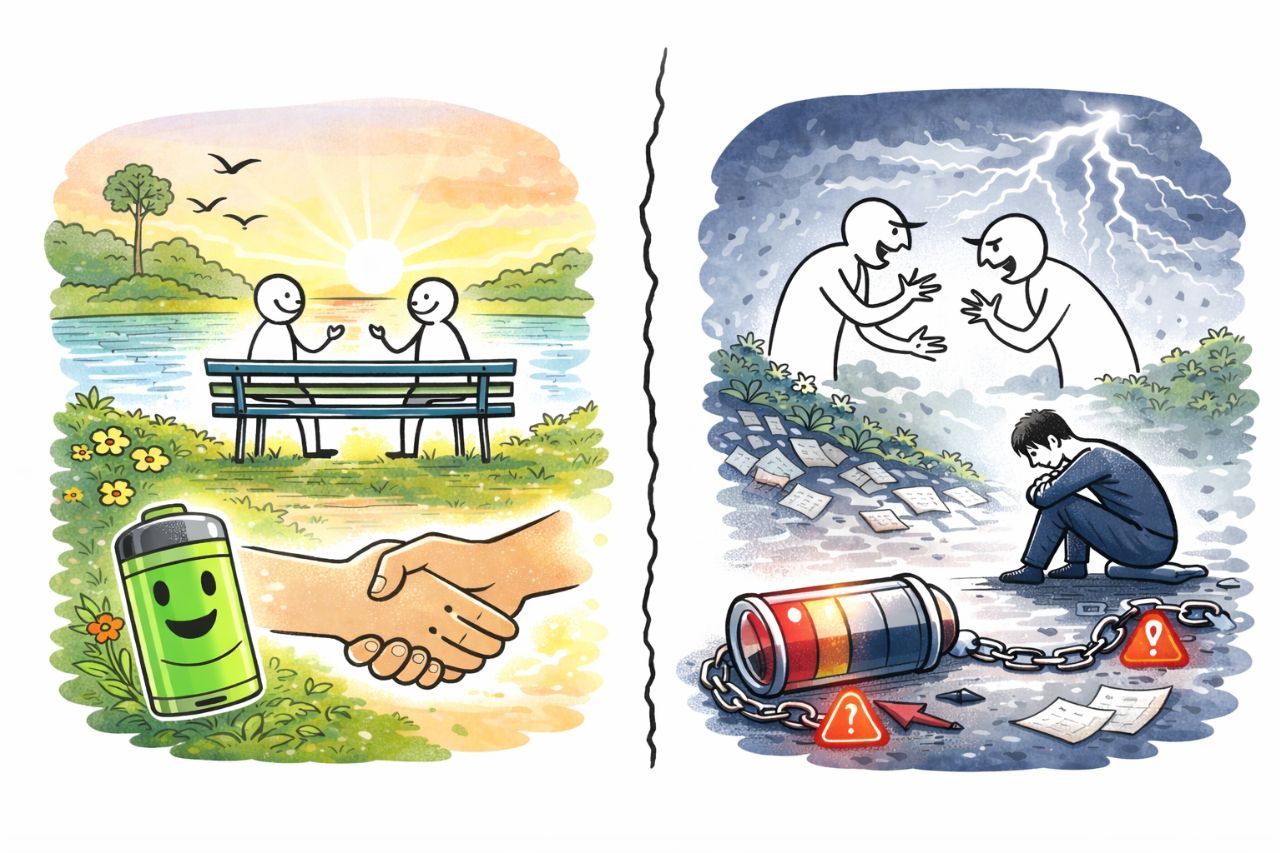




Friendships do not stay strong by accident. They grow through small, repeated actions that build trust, safety, and closeness over time. Research in psychology shows that lasting bonds are shaped less by grand gestures and more by daily patterns of care and respect.
In this article, we will explore the habits that strengthen friendships and how simple behaviors can deepen connection. If you want to feel more understood, supported, and emotionally safe in your relationships, these science backed practices can help. The focus is on daily behaviors that improve connection and trust, because strong friendships are built in ordinary moments.
Why Daily Habits Matter More Than Big Moments
Many people believe friendships become strong through major life events. While shared milestones do create memories, psychologists agree that everyday consistency is what truly matters.
Small actions, repeated over time, signal reliability. When a friend listens without judgment, remembers something important, or checks in during a hard week, the brain registers safety. Trust builds slowly through these patterns.
The most powerful habits that strengthen friendships often look simple on the surface. Yet their impact is deep because they reinforce emotional security again and again.

1. Active Listening Without Distraction
One of the most important habits that strengthen friendships is active listening. This means giving full attention when someone is speaking. No multitasking. No planning your reply while they talk. Just presence.
Psychology research shows that feeling heard activates the brain’s reward system. It increases feelings of belonging and validation.
Active listening includes
- Making eye contact
- Reflecting back what you heard
- Asking thoughtful follow up questions
- Avoiding quick advice unless it is requested
When friends feel understood, they feel valued. And when people feel valued, they stay connected.
2. Expressing Appreciation Regularly
Gratitude is not just for romantic relationships. It plays a major role in friendships too.
A simple message saying, I appreciate you, or thank you for being there, can strengthen emotional bonds. Studies show that expressing appreciation increases closeness and satisfaction in relationships.
Among the most effective habits that strengthen friendships is acknowledging the little things. Thank your friend for listening. For showing up. For being honest. These small recognitions prevent relationships from feeling taken for granted.
3. Showing Up Consistently
Consistency builds trust. When someone repeatedly keeps promises, responds within a reasonable time, or follows through on plans, the friendship feels stable.
One of the quiet yet powerful habits that strengthen friendships is reliability. It tells the other person, You matter enough for me to be dependable.
Life gets busy, and no one is perfect. But consistent effort communicates commitment. Even a short message explaining a delay shows respect.
4. Sharing Vulnerably and Safely
Strong friendships require emotional openness. When friends share their fears, hopes, or struggles, they invite deeper connection.
Psychologists call this reciprocal self disclosure. When one person opens up and the other responds with care, trust grows.
Healthy vulnerability means
- Sharing honestly
- Respecting boundaries
- Not oversharing too quickly
- Responding with empathy when your friend opens up
Practicing emotional openness is one of the most transformative habits that strengthen friendships, because it replaces surface interaction with genuine connection.
5. Repairing Conflict Instead of Avoiding It
Disagreements are normal. What matters is how they are handled.
Friendships become stronger when both people are willing to address misunderstandings calmly. Avoiding problems often leads to resentment. Facing them with respect builds resilience.
Healthy repair habits include
- Using calm language
- Taking responsibility when needed
- Avoiding blame
- Listening before defending
Learning how to repair after tension is one of the mature habits that strengthen friendships, because it proves the bond can survive challenges.
6. Celebrating Each Other’s Success
Support is not only needed during hard times. It is just as important during moments of achievement.
Psychology research highlights the power of active constructive responding. This means responding to good news with enthusiasm and genuine interest.
For example
Instead of saying, That is nice, try asking, How did you feel when that happened
Celebrating your friend’s wins without jealousy is one of the generous habits that strengthen friendships. It creates a culture of mutual encouragement.
7. Respecting Boundaries
Healthy friendships include personal space. Respecting boundaries means understanding that your friend has limits, responsibilities, and emotional needs separate from you.
This can look like
- Accepting when they need time alone
- Not pressuring them to share before they are ready
- Respecting different values or routines
Respect builds trust. When boundaries are honored, both people feel safe. This safety is at the core of the most meaningful habits that strengthen friendships.
8. Engaging in Shared Activities
Shared experiences create bonding moments. Whether it is exercising together, studying, volunteering, or simply walking and talking, joint activities strengthen emotional ties.
Research shows that doing enjoyable activities together increases feelings of closeness. Even simple routines, like weekly coffee or regular phone calls, can deepen connection.
Creating consistent shared experiences is one of the practical habits that strengthen friendships, because it gives the relationship structure and continuity.
9. Practicing Empathy During Difficult Times
Empathy goes beyond sympathy. It means trying to understand your friend’s emotional experience from their perspective.
Instead of saying, It will be fine, try saying, That sounds really hard.
Empathy reduces loneliness. It reassures your friend that they are not facing challenges alone.
Among the most meaningful habits that strengthen friendships is offering emotional support without trying to fix everything. Sometimes presence is more powerful than solutions.
10. Communicating Honestly and Kindly
Clear communication prevents confusion. Honest expression, delivered with respect, builds long term stability.
This includes
- Saying what you mean gently
- Asking for clarification when unsure
- Avoiding passive aggressive behavior
- Being transparent about feelings
Honest communication is one of the essential habits that strengthen friendships, because it prevents small misunderstandings from becoming larger issues.
11. Making Time, Even in Busy Seasons
Life changes. Careers grow. Families expand. Responsibilities increase. Yet strong friendships adapt rather than disappear.
Scheduling time intentionally is one of the underrated habits that strengthen friendships. Even a brief check in can maintain closeness.
Quality matters more than quantity. A focused conversation is more powerful than hours of distracted presence.
12. Offering Forgiveness When Appropriate
No friendship is perfect. People make mistakes. Holding onto resentment weakens connection.
Forgiveness does not mean ignoring harmful behavior. It means choosing healing over prolonged anger when the situation allows.
Letting go of small grudges is one of the freeing habits that strengthen friendships, because it keeps the relationship from becoming heavy with unresolved tension.
How These Habits Build Trust Over Time
Trust is not built in a single moment. It grows through repeated proof that someone is safe, reliable, and caring.
When you practice the habits that strengthen friendships regularly, you create emotional predictability. Your friend knows how you will respond. They feel secure opening up. They trust that disagreements can be resolved.
Psychology consistently shows that strong social bonds improve mental health, reduce stress, and increase overall happiness. Healthy friendships are not just emotionally rewarding, they are protective for well being.
Simple Ways to Start Today
If you want to strengthen your friendships, begin small.
Send a thoughtful message.
Listen more than you speak in your next conversation.
Express appreciation for something specific.
Plan one shared activity this week.
The habits that strengthen friendships are not complicated. They are intentional. With practice, they become natural parts of how you relate to others.

Final Thoughts
Friendships thrive on daily care. They grow stronger through listening, appreciation, consistency, empathy, and honest communication. These actions may seem small, yet over time they create deep emotional roots.
By practicing the habits that strengthen friendships, you build relationships that feel safe, supportive, and meaningful. Strong friendships are not about perfection. They are about showing up with kindness and intention again and again.
When connection and trust are nurtured daily, friendships do more than last. They flourish.
Friendship That Lasts, What People Always Ask
The most important habits that strengthen friendships include active listening, honest communication, showing appreciation, respecting boundaries, and being consistent. These daily behaviors build emotional safety and long term trust.
There is no perfect number. What matters most is consistency and quality. Even short but meaningful check ins can maintain connection, especially when both people feel valued and understood.
Yes, if both people are willing to repair the relationship. Calm conversations, taking responsibility, and listening without defensiveness are key habits that strengthen friendships after disagreements.
Trust creates emotional safety. When friends trust each other, they feel comfortable sharing honestly, asking for support, and being themselves without fear of judgment.
Start with small intentional actions. Reach out, express appreciation, suggest a shared activity, and practice active listening. Rebuilding connection often begins with consistent effort and openness.