


Why does sitting feel harder than it used to? Why does your back feel fine one day and tight the next? And why do quick fixes never seem to last? These are questions many people quietly ask, especially when discomfort starts to show up during everyday tasks.
When something feels off, the usual reaction is to push harder or correct everything at once. Sit straighter. Work out more. Stretch longer. But the spine doesn’t respond well to pressure. It responds to care that feels steady and safe.
Real support often comes from small, repeatable choices. Gentle movement, supportive rest, and simple routines help the body settle instead of fight back. These habits don’t need to be intense to help. They need to fit into real life.
In this guide, you’ll learn ways to support a healthier spine without forcing change. The focus is patience, ease, and long-term comfort. When support feels manageable, the body is more willing to adjust—and stay strong.
Why the Spine Matters in Everyday Life
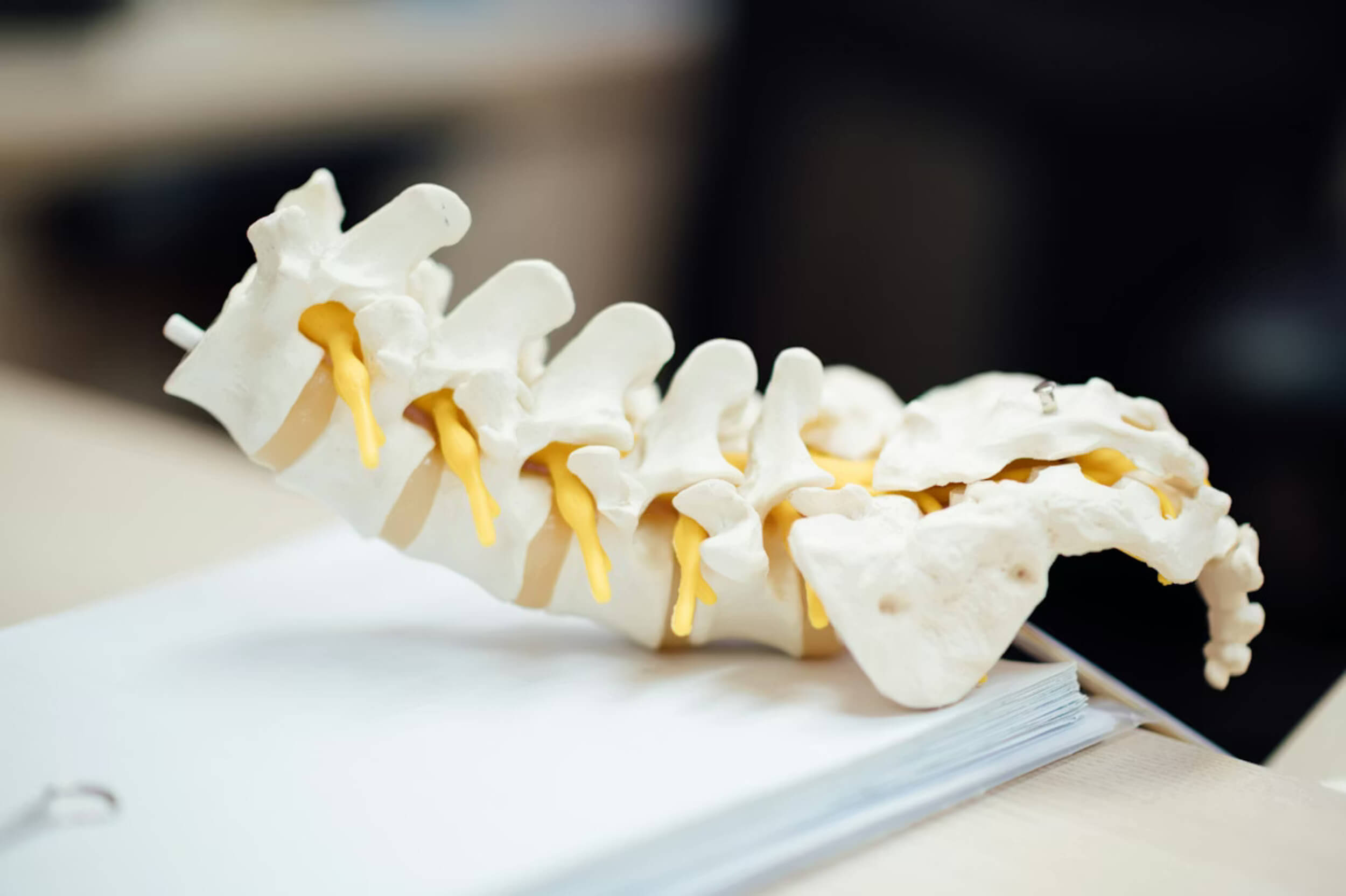
Your spine is more than a stack of bones in your back. It’s the main support that helps you move, stay balanced, and feel steady throughout the day. Every time you sit in a chair, walk across a room, lift a bag, or turn your head, your spine is involved. It also protects the spinal cord, which carries messages between your brain and body. That’s why spine health affects so much more than just your back.
When the spine is under strain, it can show up in quiet ways. You may feel tired sooner, lose focus during the day, or notice your mood drop when discomfort lingers. Sleep can feel less restful. Simple tasks can take more effort than they should. Over time, this can wear you down.
A well-supported spine helps daily life feel smoother. Movement feels easier. Balance feels steadier. Energy lasts longer. That’s why learning ways to support a healthier spine isn’t only about avoiding pain. It’s about protecting how you feel, move, and function every single day.
What a Well-Supported Spine Often Feels Like
A healthy spine doesn’t mean perfect posture or moving without any stiffness at all. Real life involves sitting, bending, and long days. What matters more is how your body feels during and after those moments.
When the spine is supported, everyday movements usually feel smooth and manageable. Getting out of bed doesn’t feel like a struggle. You can sit, stand, or walk without thinking about your back all the time. Mild stiffness may show up, especially in the morning, but it eases once you start moving.
Your body also gives helpful signals. A quick “check-in” often happens when you wake up or after a busy day. If movement helps you loosen up instead of making things worse, that’s a good sign. Sleep is another clue. Waking up without neck or back pain often means your spine had the support it needed overnight.
These small signs matter. They show function, comfort, and recovery—not perfection.
Daily Movement as Gentle Spine Maintenance
Movement doesn’t have to feel like a chore to help your spine. It works best when it’s treated like daily care, not an obligation. Gentle movement keeps muscles active, joints flexible, and blood flowing where the spine needs it most.
Low-impact activity is often enough. Things like walking, light stretching, or simple home movement help the spine stay supported. These activities wake up the muscles that protect your back without wearing them out. Over time, this steady use helps your body feel more stable and confident.
What matters most is not how hard you move, but how often. Short sessions done regularly do more for spine health than long workouts that are hard to repeat. Even a few minutes spread throughout the day can help protect mobility and reduce stiffness.
Starting small is not a weakness. It’s how habits stick. Movement that feels doable is easier to return to tomorrow. This approach fits real life and supports long-term comfort. These simple routines are practical ways to support a healthier spine without pushing your body past its limits.
Letting the Spine Recover Through Rest and Setup
Movement helps the spine, but recovery is just as important. What happens when you slow down matters more than most people realize. Muscles relax, joints unload, and the nervous system gets a break. Without enough recovery, even good movement can start to feel like strain.
Sleep is one of the biggest reset periods for the spine. It’s the time when pressure eases and tissues recover. You don’t need special gear for this to work. What matters most is simple alignment—letting the head, neck, and back rest in a neutral position instead of being twisted or strained all night.
Daily setups matter too. Small choices at work and at home quietly add up. Screens that sit too low, chairs that don’t support you, or spending hours in one position can all increase stress on the spine. The goal isn’t perfect posture. It’s reducing extra effort.
Simple changes that help:
- Adjust screens closer to eye level
- Sit with feet flat and back supported
- Take short posture breaks instead of staying still too long
These are practical ways to support a healthier spine without adding pressure to your day.

Why the Spine Depends on the Whole Body
Back discomfort rarely starts in the back alone. The body works as one connected system. Muscles, joints, and movement patterns all share the load. When one area struggles, the spine often picks up the slack.
Hips, legs, and core muscles play a big role in how much stress reaches the spine. Tight hips can limit movement. Weak leg support can shift pressure upward. When the core isn’t engaged during daily tasks, the back often works harder than it should.
This is why stretching or strengthening only the back doesn’t always help. Tightness in the legs or hips can pull on the spine and change how you move. Over time, that extra pull can lead to stiffness or soreness.
Instead of chasing flexibility goals, balance matters more. When muscles work together, movement feels smoother and more controlled. Coordination protects the spine better than forcing range.
Supporting the whole body helps spread effort evenly. That’s one of the most overlooked ways to support a healthier spine in everyday life.
Stretching for Ease, Not Extremes
Stretching works best when it feels calming, not forced. The goal isn’t to stretch as far as possible. It’s to reduce tension so the body can move more freely. When stretching feels aggressive, muscles often tighten instead of relax.
Gentle stretching improves blood flow and helps muscles reset after long periods of sitting or standing. Timing matters. Short stretches during the day can be more helpful than long sessions done once in a while. A few minutes in the morning, a quick reset during work breaks, or light stretching before bed can all help.
Helpful signs stretching is working:
- You feel looser after, not sore
- Movement feels easier later in the day
- Tension fades instead of spreading
If stretching causes sharp pain, increased stiffness, or lingering discomfort, that’s a sign to ease up. Stretching should feel supportive, not challenging.
Used gently, stretching becomes one of the simplest ways to support a healthier spine, helping the body relax and move with less effort throughout the day.
Lifestyle Factors That Quietly Affect Spine Health
Some of the biggest influences on spine comfort happen in the background, without much attention. Body weight, for example, changes how much load the spine carries each day. Even small shifts can reduce pressure on joints and discs. This isn’t about blame or quick fixes. It’s about understanding how the body responds to steady changes over time.
Food and water also play a role. The discs between the bones of the spine rely on hydration to stay flexible. Regular meals with simple, whole foods help support muscle and tissue repair. You don’t need a perfect diet. Small upgrades, done often, matter more.
Smoking affects spine health in another quiet way. It can limit blood flow, which slows healing and affects the tissues that support the spine. This makes recovery harder, especially when discomfort has been around for a while.
What helps most is a gradual approach:
- Make one change at a time
- Let habits settle before adding more
- Focus on progress, not speed
These steady choices are practical ways to support a healthier spine without overwhelming your body.
Patience, Healing, and Long-Term Progress
Back discomfort rarely follows a straight line. Some days feel better. Others don’t. That’s normal. The spine is complex, and healing often takes time. Muscles, joints, and nerves all adjust at different speeds.
It’s common for improvement to feel slow or uneven. A flare-up doesn’t mean something went wrong. It often means the body is still learning how to move and recover with less strain. Progress is not the absence of all discomfort. It shows up in quieter ways.
Signs of real progress may include:
- Fewer bad days overall
- Faster recovery after activity
- More confidence in movement
- Better sleep and daily comfort
These changes often appear before pain fully fades. Patience gives the body room to adapt. Consistent care, even when results feel small, builds long-term stability and trust.
When Additional Support Is Worth Seeking
Self-care goes a long way, but sometimes extra guidance helps. Knowing when to ask for support can prevent small issues from becoming bigger ones.
It may be time to check in with a professional if you notice:
- Pain that doesn’t improve after several weeks
- Numbness, tingling, or weakness in the arms or legs
- Trouble with balance or walking
- Discomfort that keeps getting worse
Seeking help early doesn’t mean you’ve failed. It means you’re paying attention. Professional care can work alongside the ways to support a healthier spine you’re already using, helping you move forward with more clarity and confidence.
Conclusion
A healthier spine isn’t built through perfect habits or strict rules. It’s shaped by daily patterns that feel manageable and steady. Gentle movement, supportive rest, and simple lifestyle choices all work together over time.
What matters most is awareness. Noticing how your body feels. Adjusting when something adds strain. Returning to habits that help instead of pushing through discomfort. These small decisions guide the spine toward better support.
Progress doesn’t need to be fast to be real. When care feels kind and repeatable, the body is more likely to respond. Trust grows with consistency. Comfort builds little by little.
These are realistic ways to support a healthier spine—not by forcing change, but by working with your body as it is today. With patience and steady care, long-term support becomes part of everyday life, not something you have to chase.