



Your day can feel full before it even really gets going. One message leads to another, small tasks pile up, and your mind keeps running with no real pause. Even during quiet moments, thoughts don’t slow down. That steady pressure builds up over time, leaving your body tense and your mind worn out without a clear reason.
There’s a simple way to interrupt that cycle. Yoga creates a small pause between everything you have to do and how you feel. It helps your body slow down and gives your mind a chance to settle. These short resets don’t require much time, but they can shift your whole day.
That’s how yoga helps you rebalance. It brings things back to a calmer pace, helping you feel more steady, think more clearly, and move through your day with less tension and more control.
What Happens When Stress Takes Over Your Day
Stress doesn’t always hit all at once. It often builds slowly through small things—messages, deadlines, noise, and constant thinking. At first, it feels normal. Then your body starts staying “on” even when there’s no real reason. That’s when your day begins to feel heavier than it should.
You may notice simple changes:
- You lose focus faster
- Small problems feel bigger
- Your body feels tight or tired
- Even easy tasks feel draining
This is where understanding how yoga helps you rebalance becomes important. When you know what stress is doing to your body, it’s easier to see why slowing down matters. Yoga works by helping your body step out of this constant alert mode, giving you a way to feel steady again instead of stuck in tension.
The Body’s Response to Ongoing Pressure
When stress keeps going, your body keeps preparing for action. It releases hormones that are meant for short bursts, not long periods. Over time, this leads to tight muscles, shallow breathing, and uneven energy.
You might notice:
- Stiff shoulders or neck
- Fast or shallow breathing
- Feeling tired but unable to relax
Instead of returning to calm, the body stays tense. This is why learning how yoga helps you rebalance can support the body in slowing down and feeling safe again.
How Mental Clutter Builds Throughout the Day
As the day moves forward, your mind fills up quickly. Notifications, conversations, and responsibilities all compete for your attention. There’s no clear pause to process anything.
This often shows up as:
- Jumping from one thought to another
- Trouble focusing on one task
- Feeling mentally drained
The mind stays busy even during quiet moments. This is where how yoga helps you rebalance becomes clear. It gives your mind a break, helping you feel more present instead of constantly pulled in different directions.
Understanding Yoga as a Tool for Daily Balance
Yoga is not just stretching or exercise. It’s a simple way to bring your body and mind back into sync. It connects how you move, how you breathe, and how you pay attention to what’s happening right now.
Instead of adding more to your day, yoga helps take away what you don’t need—tension, rushing, and constant pressure. It encourages slower, more natural movement that feels easier on your body.
Here’s what makes it effective:
- It helps your body relax without forcing it
- It keeps your attention in the present moment
- It creates small breaks in a busy day
This is how yoga helps you rebalance in a real, practical way. It doesn’t remove your responsibilities, but it changes how you handle them, making your day feel lighter and more steady.
How Yoga Shifts the Body Out of Stress Mode
Your body has two main ways of working—one for action and one for rest. Stress keeps your body in action mode for too long. Yoga helps switch it back to rest mode, where healing and recovery happen.
This change doesn’t happen all at once. It builds through simple things like steady breathing and gentle movement. As your body slows down, tension starts to release, and your system begins to reset.
You may start to notice:
- Your body feels less tight
- Your breathing becomes deeper
- You feel calmer without trying
This is one of the clearest ways how yoga helps you rebalance. It teaches your body that it doesn’t always need to stay alert. With regular practice, this calmer state becomes easier to return to during the day.
The Role of the Nervous System in Relaxation
Your nervous system controls how you react to stress. Yoga supports the part that helps you relax and recover. When your breathing slows and your movements become steady, your body gets signals that it’s okay to calm down.
This can lead to:
- A slower heart rate
- Less physical tension
- A more relaxed feeling overall
This is how yoga helps you rebalance from the inside out. It works with your body, not against it, helping you move away from constant stress.
Why Slowing Down Creates Better Energy
It’s easy to think energy comes from doing more. But real energy also comes from knowing when to slow down. When your body gets time to rest and reset, it works better throughout the day.
You may notice:
- More steady energy
- Fewer sudden crashes
- Less overall fatigue
This shows how yoga helps you rebalance your energy naturally. Instead of pushing through exhaustion, your body learns to recover and stay steady without feeling drained.
The Role of Breath in Creating Immediate Calm
Your breathing changes depending on how you feel. When you’re stressed, it becomes quick and shallow. This keeps your body tense without you even noticing. Yoga helps bring your breathing back to a steady, calm rhythm.
This simple change can shift how you feel right away. Slower breathing helps your body relax and your mind settle. It’s one of the quickest ways to reduce tension during a busy day.
You don’t need anything complicated:
- Slow your breathing down
- Take steady, even breaths
- Focus on each inhale and exhale
This is a clear example of how yoga helps you rebalance in real time. It gives you a simple tool you can use anytime you feel pressure building.

How Conscious Breathing Resets the Body
When you take control of your breathing, your body responds quickly. Steady breathing tells your system to relax and slow down.
Even a short pause can:
- Reduce tension
- Calm your heart rate
- Bring your focus back
This is one of the easiest ways how yoga helps you rebalance. It doesn’t take much time, but it can change how your body feels in just a few moments.
Bringing Awareness Back Through Each Breath
Focusing on your breath gives your mind something simple to hold onto. Instead of getting pulled into many thoughts, your attention stays in one place.
This helps:
- Clear mental noise
- Improve focus
- Keep you grounded
This is how yoga helps you rebalance your attention. Over time, it becomes easier to stay present, even when your day feels busy or overwhelming.
Movement That Releases Built-Up Tension
Tension in the body doesn’t always show up right away. It builds slowly—sitting too long, repeating the same motions, or staying in one position for hours. Before you notice it, your shoulders feel tight, your back feels stiff, and your body starts to feel heavy.
Yoga helps release that tension in a simple, gentle way. It’s not about pushing harder or doing intense movements. It’s about giving your body space to move again.
You may notice small signs like:
- Tight neck or shoulders
- Stiff lower back
- Feeling heavy when you move
This is where how yoga helps you rebalance becomes very clear. Gentle movement allows your body to loosen up, improve blood flow, and feel lighter. Even a few minutes can help your body reset and feel more comfortable throughout the day.
Why Gentle Movement Is Enough to Make a Difference
Your body doesn’t always need intense exercise to feel better. Small, controlled movements can go a long way. Simple stretches and slow shifts in position help reduce stiffness and improve circulation.
You may notice:
- Less tightness in your muscles
- Easier movement
- A more relaxed body
This shows how yoga helps you rebalance without adding strain. It works by supporting your body, not forcing it, making it easier to stay consistent.
Restoring Ease in the Body Through Simple Postures
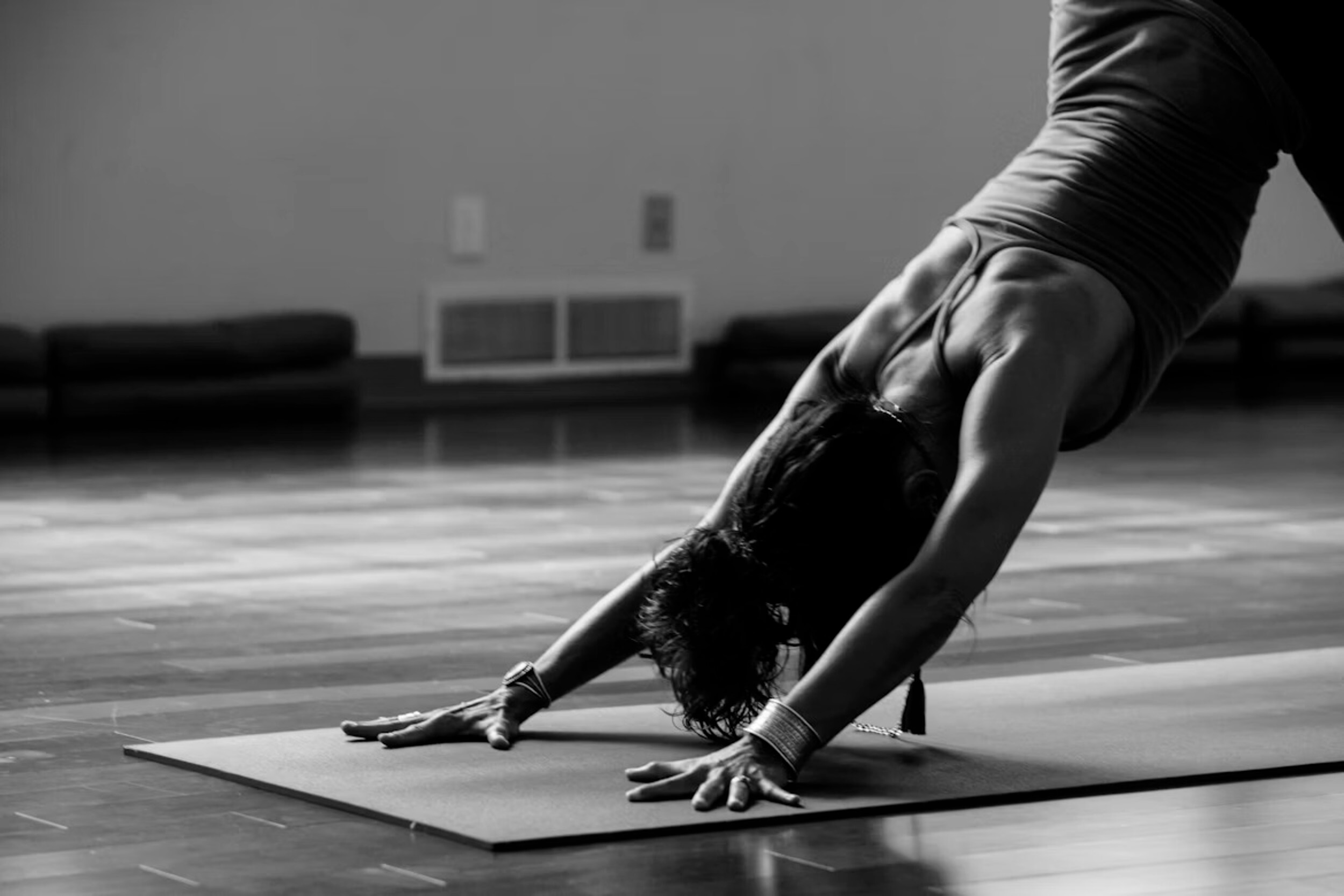
Yoga postures are designed to help your body move the way it’s meant to. As you go through these positions, tension starts to release naturally.
This can lead to:
- Better posture
- Less discomfort
- Smoother movement
This is another way how yoga helps you rebalance your body. Instead of feeling stiff or restricted, your body begins to feel more open and at ease during everyday activities.
Creating Mental Stillness Through Focus and Awareness
A busy mind doesn’t slow down just because you tell it to. Thoughts keep coming, especially when your day feels full. Mental stillness happens in a different way—it comes from guiding your attention, not forcing silence.
Yoga helps by giving your mind something steady to focus on. When your attention stays on your breathing or your movement, your thoughts begin to settle on their own.
You may notice:
- Fewer racing thoughts
- Better focus on one task
- A calmer overall feeling
This is how yoga helps you rebalance your mind. It creates small gaps between thoughts, which helps you think more clearly. Over time, this calm feeling doesn’t just stay on the mat. It starts to show up during your day, even in moments that used to feel overwhelming.
How Yoga Fits Into a Busy Day Without Pressure
A common thought is that yoga takes too much time. In reality, it can fit into your day in simple ways without adding pressure. You don’t need a long session to feel the benefits.
Short moments can make a difference:
- A few stretches in the morning
- A quick breathing pause during work
- A short reset before bed
These small actions help break the cycle of constant activity. They give your body and mind a chance to slow down, even for a few minutes.
This is how yoga helps you rebalance without changing your entire schedule. It becomes part of your routine, not something extra. When it feels simple and manageable, it’s easier to stay consistent and feel the benefits throughout your day.
The Long-Term Shift From Reacting to Responding
At first, yoga may feel like a small break in your day. Over time, it starts to change how you handle stress. Instead of reacting quickly, you begin to pause before responding.
You may notice changes like:
- Feeling less rushed in stressful moments
- Thinking more clearly before acting
- Staying calmer during challenges
This shift makes a big difference. Situations that once felt overwhelming begin to feel more manageable. Your reactions become more steady instead of automatic.
This is one of the deeper ways how yoga helps you rebalance. It’s not just about feeling calm for a moment. It’s about building a steady way of handling everyday pressure. With regular practice, your body and mind work together better, helping you move through your day with more control and less tension.
Conclusion
Balance doesn’t come from removing stress completely. It comes from knowing how to return to calm when pressure builds. Yoga gives you simple ways to do that through breathing, movement, and awareness.
Each small moment you take to pause adds up. These short resets help your body relax and your mind clear, making your day feel more steady.
This is how yoga helps you rebalance in a lasting way. It’s not about making big changes all at once. With simple, consistent effort, it becomes easier to move through your day with less tension, clearer thinking, and a stronger sense of calm.