


Some days you feel steady and clear-headed. Other days, energy crashes out of nowhere. You get hungry fast, feel foggy, or struggle to sleep—even when nothing obvious seems wrong. Often, blood sugar is quietly involved.
Blood sugar isn’t a crisis waiting to happen. It’s a daily rhythm your body follows from morning to night. It responds to meals, movement, rest, stress, and even how rushed your day feels. When that rhythm stays steady, your body works with you. When it swings too high or too low, you feel it in small but frustrating ways.
What matters most isn’t doing everything right. It’s repeating a few supportive choices often enough. That’s where habits that help keep blood sugar stable come in. These habits aren’t strict rules. They’re patterns you can live with. Once you start noticing them, everything—from energy to focus—begins to make more sense.
How Food Choices Shape Blood Sugar Throughout the Day
Food isn’t just fuel. Every bite sends a message to your body about what to do next. Some meals tell your system to stay steady and calm. Others push blood sugar up fast, then drop it just as quickly. The goal isn’t eating “perfect” foods or cutting things out. It’s building habits that help keep blood sugar stable through timing, balance, and simple choices that feel doable day after day.
When meals work with your body instead of against it, energy feels smoother. Cravings ease up. Focus lasts longer. These small shifts add up more than strict rules ever do.
Why balance matters more than single foods
What you eat together matters more than any one ingredient. Carbs on their own tend to digest fast. When you pair them with protein, fiber, or healthy fats, digestion slows down. That means sugar enters the bloodstream more gradually instead of all at once.
Helpful habits look like:
- Adding eggs, fish, or beans to meals with rice or bread
- Including vegetables or fruit with meals, not alone
- Using nuts, seeds, or oils to round out simple foods
Portion awareness without counting or measuring
You don’t need apps or numbers to eat in a way that supports balance. Your body gives feedback if you listen. After eating, notice how you feel. Steady energy usually means the portion worked. Heavy tiredness or quick hunger often means it didn’t.
Simple cues to use:
- Stop eating when you feel satisfied, not stuffed
- Aim to feel calm and steady an hour later
- Adjust next time instead of judging yourself
The hidden impact of liquid calories
Drinks with sugar act differently than solid food. They move through the body fast and raise blood sugar quickly, without making you feel full. That makes it easy to overdo them without noticing.
Common examples include:
- Sweetened coffee or tea drinks
- Juice, even when it feels “healthy”
- Sodas and flavored waters
Choosing water, unsweetened drinks, or having sweet drinks with meals can make a real difference. Small shifts like these build trust with your body—and that’s where steady blood sugar starts.
Daily Movement as a Blood Sugar Regulator
Movement doesn’t need to look like exercise to matter. Your body responds to motion in simple, helpful ways—especially when it comes to blood sugar. Think of movement as a quiet helper that works in the background all day. When you move a little and often, your body has an easier time using the sugar already in your blood. That’s one of the most overlooked habits that help keep blood sugar stable, and it doesn’t require a gym or a routine that feels hard to keep.
How muscles help use blood sugar better
Muscles act like sponges. When they move, they pull sugar out of the blood and use it for energy. This happens even with light movement. You don’t need to push hard or break a sweat for this to work. Every time muscles contract, they help lower sugar levels naturally. That’s why movement can help even on days when food choices aren’t perfect.
Why light, frequent activity still counts
Small bits of movement add up more than people think. The body responds better to steady motion than long periods of sitting followed by one intense effort. Helpful examples include:
- Walking around the house or outside
- Doing chores like cleaning or cooking
- Standing up and stretching every hour
- Short walks after meals
These simple actions keep sugar from building up in the bloodstream.
When consistency matters more than intensity
Doing a little most days works better than doing a lot once in a while. Consistent movement supports blood sugar without stressing the body. The goal is something you can keep doing, not something you have to recover from.
Medication Timing and Blood Sugar Response
Medication can be a useful tool, but it works best when it fits into real life. Timing plays a bigger role than many people realize. When medication lines up with daily routines—meals, movement, and sleep—it tends to work more smoothly and predictably.
Why timing can matter as much as dosage
Some medications are meant to work with food, while others work best on an empty stomach. Taking them at the right time helps avoid sudden highs or lows. Simple habits that help:
- Taking medication at the same time each day
- Following instructions about meals
- Not skipping doses and doubling later
These steps help medication do its job without extra strain on the body.

Being cautious with new or non-diabetes medications
Not all medications are neutral when it comes to blood sugar. Some drugs for pain, sleep, or mood can raise or lower levels without warning. If something new causes fatigue, shakiness, or unusual hunger, it’s worth checking in with a healthcare provider. Paying attention early builds safety and trust—and helps protect steady blood sugar over time.
Illness, Recovery, and Blood Sugar Changes
When you’re sick, your body shifts into protection mode. Even a mild illness can raise blood sugar, and it’s not because you’re doing something wrong. The body releases stress hormones to help you heal, and those hormones tell the liver to release extra sugar into the blood for quick energy. This can happen even when you’re eating less than usual. Knowing this helps remove worry and keeps expectations realistic during recovery. Understanding these patterns supports habits that help keep blood sugar stable, even on off days.
Why blood sugar can rise even when you’re eating less
During illness, the body focuses on healing. To do that, it sends out signals that increase blood sugar so cells have enough fuel. Appetite often drops, but blood sugar can still climb because the source isn’t food—it’s the body’s own response. This is normal and usually temporary.
Ways to support stability on sick days
Gentle care matters more than perfection. Helpful habits include:
- Sipping fluids regularly to avoid dehydration
- Eating small, easy-to-digest meals when possible
- Resting without skipping all nourishment
- Checking blood sugar more often if advised
The goal is support, not control, while the body recovers.
Alcohol and Blood Sugar—What’s Easy to Miss
Alcohol can be tricky because its effects don’t always show up right away. Blood sugar may stay steady at first, then drop hours later, sometimes during sleep. That delayed response is what many people miss. Alcohol changes how the liver works, and the liver plays a big role in keeping blood sugar steady between meals.
How alcohol affects the liver
When alcohol is present, the liver focuses on breaking it down first. While it’s busy, it slows the release of sugar into the blood. This can lead to lower levels later on, especially if alcohol replaces food.
Lowering risk with simple habits
You don’t need strict rules—just awareness. Helpful choices include:
- Drinking with food, not on an empty stomach
- Avoiding alcohol when already feeling run-down
- Paying attention to how your body reacts afterward
Small adjustments like these protect balance and support long-term stability.
Hormonal Changes Across the Month and Life Stages
Hormones shift across the month and across life. That’s normal. Menstruation, perimenopause, and menopause aren’t problems to fix—they’re signals to pay attention. These changes can affect how the body uses blood sugar, which is why patterns may feel different at certain times. Awareness helps you respond with care instead of frustration.
How hormone patterns show up over time
Many people notice higher readings or stronger cravings before a period, or more swings during menopause. That happens because hormones can make cells respond differently to sugar for short stretches. What helps is noticing trends, not reacting to one day. A few weeks of notes often reveal clear rhythms.
Adjusting daily habits without overcorrecting
Small tweaks go a long way. Helpful habits include:
- Eating regular meals during higher-craving days
- Choosing steady meals over skipping food
- Keeping movement gentle when energy dips
- Letting sleep and rest take priority
These steady choices support habits that help keep blood sugar stable without turning natural changes into battles.
Stress, Sleep, and the Nervous System’s Role in Blood Sugar
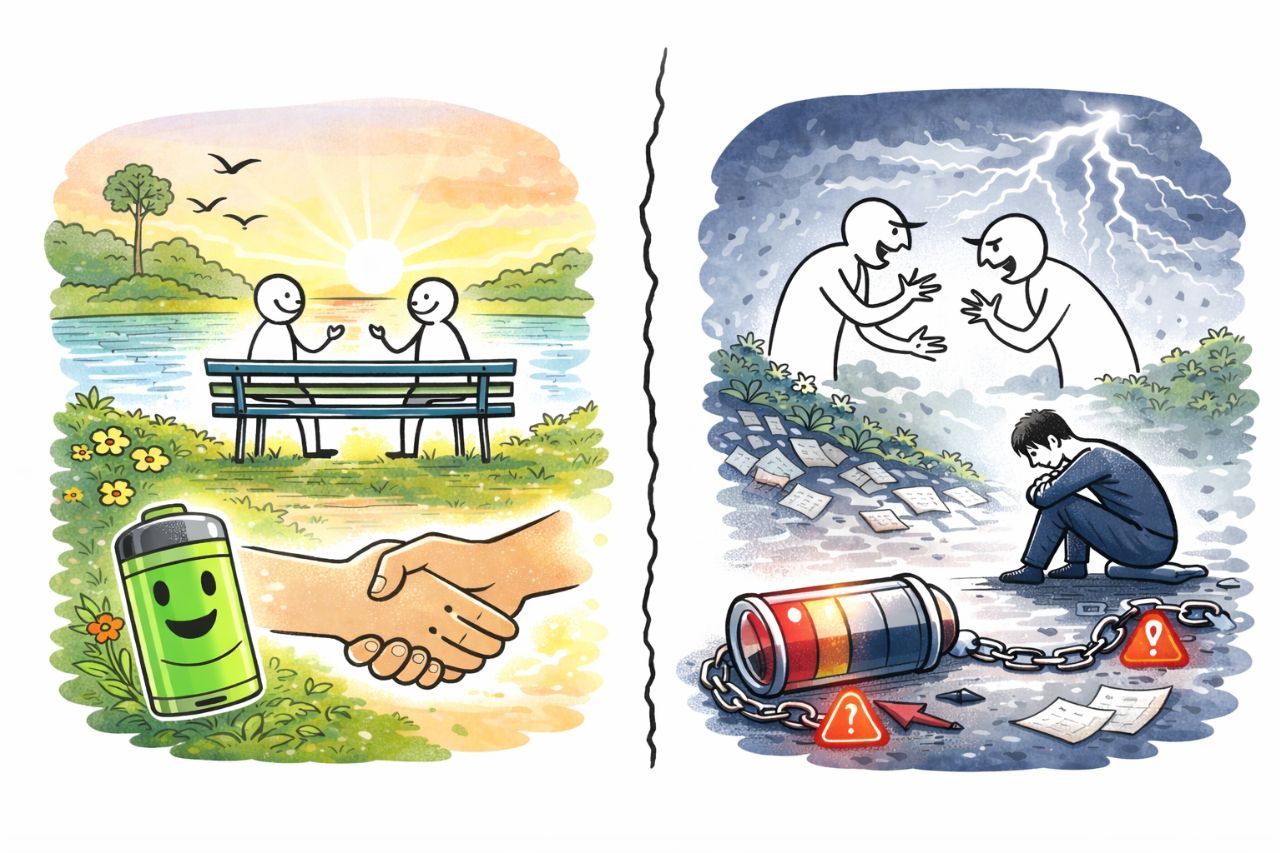
Stress isn’t a character flaw. It’s a body response. When stress sticks around, the nervous system stays on alert, and that changes how sugar moves through the body. This is different from illness stress—it’s the everyday pressure that quietly builds.
How ongoing stress raises blood sugar
When the body feels threatened, it releases hormones that push sugar into the blood for quick energy. This is helpful short term. Over time, it can lead to higher levels even without food changes. The body is trying to help, not sabotage.
Why sleep affects blood sugar the next day
Poor sleep makes it harder for the body to use sugar well. Even one short night can lead to higher readings and stronger cravings the next day. Sleep helps reset the system so it can respond calmly again.
Gentle ways to lower stress without pressure
Simple supports matter:
- Short walks or light stretching
- Regular meal times
- Breathing slowly for a few minutes
- Saying no to extra demands when possible
Less strain helps the body settle.
Conclusion: Building Stability Through Everyday Patterns
Blood sugar balance doesn’t come from perfect days. It comes from repeatable rhythms. Regular meals, gentle movement, rest, and awareness work together over time. Some days will be off. That’s part of being human. What matters is returning to steady patterns without judgment.
Progress often shows up quietly. Energy feels more even. Crashes feel less sharp. Extremes happen less often. Numbers may follow later. By staying flexible and consistent, you build trust with your body. And that trust supports long-term stability in a way rules never can.