



Friendships are some of the most meaningful relationships in our lives. They bring laughter, support, and a sense of belonging. Yet even the closest friendships can face misunderstandings. Words get misinterpreted. Feelings get hurt. Silence grows where connection once felt easy.
Strong communication in friendships is what keeps bonds healthy over time. When you know how to express yourself clearly and listen with care, small issues do not turn into big conflicts. Instead of walking on eggshells, you feel safe being honest. Instead of avoiding hard conversations, you approach them with confidence.
This guide will help you improve communication in friendships and prevent unnecessary conflict. You will learn practical skills that strengthen trust, respect, and emotional safety.
Why Communication in Friendships Matters So Much
Friendships often feel easier than romantic or family relationships. Because of that, people sometimes assume they do not require effort. In reality, communication in friendships is just as important as in any close bond.
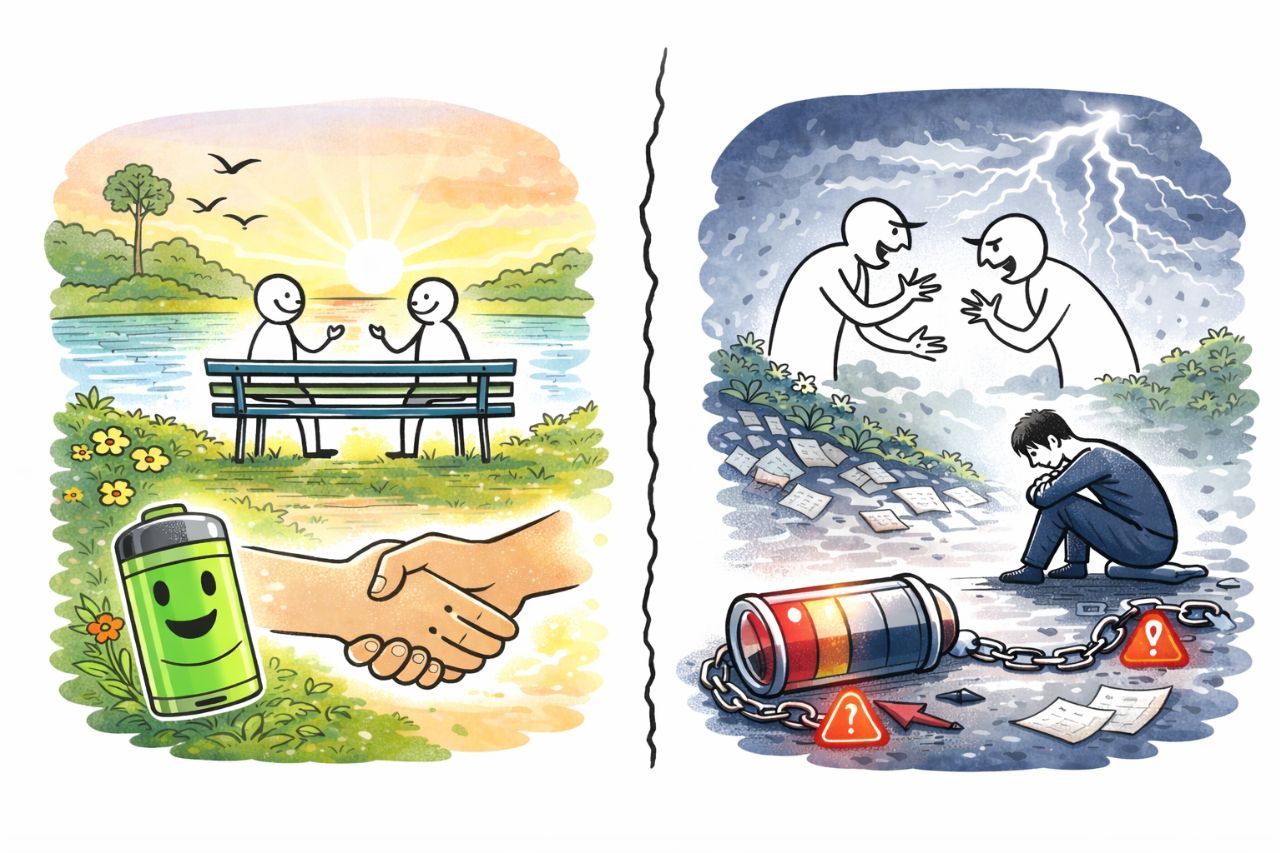
When communication is weak, problems often show up in these ways:
- Passive aggressive comments
- Avoiding difficult topics
- Misreading tone through text messages
- Bottling up resentment
- Talking about a friend instead of to them
On the other hand, healthy communication in friendships leads to:
- Emotional safety
- Mutual respect
- Clear expectations
- Faster conflict resolution
- Deeper connection
The difference between a friendship that fades and one that grows often comes down to how both people handle conversations, especially uncomfortable ones.
1. Speak From Your Feelings, Not From Blame
One of the fastest ways to cause conflict is to start a sentence with accusation. When someone feels attacked, they naturally become defensive.
Instead of saying,
“You never listen to me.”
Try saying,
“I feel unheard when I am interrupted.”
This small shift changes everything. You are not labeling your friend. You are sharing your emotional experience.
This approach improves communication in friendships because it focuses on your feelings instead of your friend’s flaws. It opens space for understanding instead of argument.
Why This Works
When you take responsibility for your emotions:
- Your friend feels less attacked
- The conversation stays calm
- Solutions become easier to find
Blame creates walls. Vulnerability builds bridges.
2. Practice Active Listening
Communication in friendships is not only about speaking clearly. It is equally about listening well.
Active listening means giving your full attention instead of preparing your response while the other person talks.
Here are simple ways to practice it:
- Put your phone away
- Make eye contact
- Repeat back what you heard
- Ask clarifying questions
- Avoid interrupting
For example, you might say,
“So what you are saying is that you felt left out when we made plans without you. Is that right?”
This shows you care about understanding, not just defending yourself.
Many conflicts happen because people do not feel heard. When someone feels understood, tension drops almost immediately.
3. Choose the Right Time for Hard Conversations
Timing matters more than most people realize.
Trying to resolve an issue when someone is stressed, tired, or in public can quickly escalate conflict. Healthy communication in friendships includes being thoughtful about when and where you talk.
Before bringing up a sensitive topic, ask yourself:
- Is this a good moment?
- Are we both calm?
- Do we have privacy?
You can say,
“There is something I would like to talk about. Is now a good time?”
This shows respect and sets the tone for a constructive discussion.
4. Avoid Assumptions
Assumptions are silent friendship killers.
You may assume your friend ignored your message on purpose. You may assume their short reply means they are upset. Often, the story in your head is not the truth.
Instead of assuming, ask.
“I noticed your message sounded brief. Is everything okay?”
Clear communication in friendships requires curiosity rather than guesswork. When you check in instead of jumping to conclusions, you prevent unnecessary tension.
5. Learn to Regulate Your Emotions First
If you are overwhelmed, angry, or hurt, it is hard to communicate clearly. Strong emotions can cause you to say things you later regret.
Before having a serious conversation:
- Take a few deep breaths
- Go for a short walk
- Write down what you want to say
- Wait until you feel calm
Improving communication in friendships starts with managing yourself. When you respond instead of react, you protect the relationship.
Emotional regulation is not about suppressing feelings. It is about expressing them in a way that leads to understanding instead of damage.
6. Respect Differences in Communication Styles
Not everyone communicates the same way. Some people are direct. Others are more sensitive. Some need time to process before responding.
Instead of judging your friend’s style, try to understand it.
You might ask:
“Do you prefer talking things out right away, or do you need time to think first?”
Healthy communication in friendships includes flexibility. When both people adapt slightly, conversations become smoother and more productive.
7. Set Clear Boundaries
Boundaries are not walls. They are guidelines for how you want to be treated.
If a joke crosses the line, say so. If constant late cancellations hurt you, speak up. If you need personal space, express it clearly.
You could say:
“I value our time together, and last minute cancellations make it hard for me to plan. Can we try to give more notice?”
Clear boundaries strengthen communication in friendships because they reduce resentment. Unspoken expectations often lead to silent frustration. Spoken expectations create clarity.
8. Address Small Issues Early
Many friendships end not because of one big fight, but because of many small unspoken disappointments.
If something bothers you, gently bring it up sooner rather than later. The longer you wait, the more emotional weight it carries.
Think of communication in friendships like routine maintenance. Small adjustments prevent major breakdowns.
A calm, early conversation sounds like:
“I wanted to mention something small before it grows into something bigger.”
That simple honesty can save years of closeness.
9. Avoid Bringing Up the Past During Present Conflict
When resolving a current issue, focus on the present situation. Bringing up unrelated past mistakes often shifts the conversation into a score keeping battle.
If you are discussing a missed birthday, stay on that topic. Avoid saying,
“And you also forgot my graduation three years ago.”
Effective communication in friendships stays solution focused. The goal is repair, not winning.
10. Express Appreciation Often
Not every conversation needs to be serious. Positive communication matters just as much as conflict resolution.
Make it a habit to say:
- “I appreciate you.”
- “Thank you for being there.”
- “I value our friendship.”
Regular appreciation strengthens communication in friendships by reinforcing trust and goodwill. When positive feelings are consistently expressed, occasional misunderstandings feel less threatening.
11. Be Willing to Apologize Sincerely
No one communicates perfectly all the time. You will make mistakes. So will your friend.
A meaningful apology includes:
- Acknowledging what happened
- Taking responsibility
- Expressing regret
- Offering to do better
For example:
“I am sorry I dismissed your feelings earlier. That was not fair. I will try to listen more carefully next time.”
Strong communication in friendships includes humility. Apologizing does not weaken you. It shows emotional maturity.
12. Know When to Pause a Conversation
If a discussion becomes heated, it is okay to pause.
You might say:
“I care about this conversation, but I am feeling overwhelmed. Can we take a short break and talk again later?”
Taking space prevents words spoken in anger from damaging the friendship. Communication in friendships is not about forcing immediate resolution. It is about protecting the bond.
13. Use Technology Mindfully
Text messages can easily cause misunderstandings. Tone, facial expressions, and context are missing.
If a topic feels sensitive, consider talking in person or through a voice call. Many conflicts disappear when people hear each other’s tone.
Good communication in friendships includes choosing the best medium for important discussions.
14. Focus on the Relationship, Not Winning
During conflict, ask yourself:
“Do I want to be right, or do I want to be close?”
This mindset shift transforms communication in friendships. Instead of proving a point, you work toward mutual understanding.
Healthy friendships are partnerships, not competitions.
The Long Term Impact of Healthy Communication in Friendships
When you improve communication in friendships, you create:
- Emotional safety
- Deeper trust
- Less anxiety about misunderstandings
- Greater resilience during challenges
- Stronger long term bonds
Conflict is not the enemy. Poor communication is. In fact, handled well, disagreements can deepen a friendship. They create opportunities to understand each other better.
Communication is a skill. Like any skill, it improves with practice. Each honest conversation builds confidence. Each resolved misunderstanding strengthens the connection.
You do not need perfect words. You only need willingness, empathy, and patience.
Friendships thrive when both people feel seen, heard, and respected. With consistent effort, communication in friendships becomes the foundation for lasting trust and harmony.

Friendship Without the Drama, Your Communication Questions Answered
Communication in friendships builds trust, clarity, and emotional safety. Without open conversations, small misunderstandings can grow into resentment. When friends express their thoughts honestly and listen with care, the relationship feels secure and supportive.
Focus on your feelings instead of blaming your friend. Use calm language and speak from your experience. For example, say you felt hurt rather than saying they were wrong. This approach reduces defensiveness and keeps the conversation respectful.
Start gently and create a safe space. Let them know you value the friendship and want to understand each other better. Some people need time to process emotions, so patience and reassurance can improve communication in friendships over time.
If something feels unclear or upsetting, ask for clarification instead of assuming the worst. When a topic is sensitive, consider speaking in person or by voice call. Tone and body language often prevent unnecessary conflict.
Yes. Healthy communication in friendships does not eliminate disagreement, but it prevents escalation. When both people feel heard and respected, conflicts become opportunities for growth rather than reasons to disconnect.