


A lot of people think depression is just being sad. But for many, it doesn’t feel like crying all day. It can feel more like going through life with the volume turned down. Things you normally enjoy don’t hit the same. You laugh, but it feels forced. You get things done, but it feels heavy. Even simple stuff—replying to a message, taking a shower, making food—can feel like it takes way too much energy.
Depression can affect your mood, but it also shows up in your body and your routine. You might feel tired even after sleeping. Or you might struggle to sleep at all. Your appetite can change, your focus can feel messy, and your interest in people or hobbies can fade. Some days you may look “fine” on the outside, while inside you feel drained, numb, or stuck.
Everyone has bad days. That’s normal. The difference is when those feelings don’t lift, and they start showing up most days. Knowing the common signs of depression matters, because it helps you name what’s happening—and once you can name it, you can start getting real support that actually works.
Signs and Symptoms — The Most Common Clues to Watch For
Depression doesn’t show up the same way for everyone. Some people look “normal” on the outside. They still go to work, reply to messages, and smile in photos. But inside, they feel like they’re running on empty. That’s why knowing the common signs of depression can be such a big deal—it helps you spot what’s happening before it gets worse.
Depression can hit your emotions, your body, and your everyday habits all at once. Emotionally, you might feel empty, hopeless, numb, or worried all the time. It’s not always crying. Sometimes it’s feeling nothing at all. You might stop enjoying things you used to love, even the stuff that normally cheers you up.
Physically, depression can mess with your energy. You may feel tired in a way that doesn’t match your day, like your battery is stuck on low. Sleep can change too—some people can’t sleep, while others sleep a lot and still wake up exhausted. Appetite can also shift. You might eat way less, eat more than usual, or just lose interest in food.
Behavior-wise, depression often makes people more irritable. Little things can feel annoying, stressful, or overwhelming. Focus can get harder too. You might forget things, struggle to make decisions, or feel like your brain is moving slower than normal. Some people also feel guilty for no clear reason, like they’re a burden or they’re “not doing enough,” even when they’re trying their best.
And sometimes, depression shows up as body pain—headaches, stomach issues, or random aches that don’t make sense.
One important note: if you ever have thoughts of self-harm, don’t sit with that alone. Reach out right away to someone you trust or a medical professional. Getting help fast can save your life.
Why Depression Happens — It’s Usually a Stack of Reasons, Not One
A lot of people ask, “Why am I feeling like this?” And honestly, depression usually doesn’t come from just one thing. It’s more like a pile-up of stress, biology, life stuff, and timing. Understanding the common signs of depression is one part of the puzzle, but knowing the “why” can also bring relief—because it reminds you this isn’t random, and it isn’t your fault.
Sometimes it’s linked to brain chemistry. That doesn’t mean something is “broken” about you. It just means your brain may be struggling to balance mood, motivation, and energy the way it normally does. Stress plays a big role too. Long-term stress can wear your body down and make it harder to bounce back emotionally.
Genetics can matter as well. If depression runs in your family, you may be more likely to deal with it at some point. Life events can also trigger it—grief, heartbreak, job loss, trauma, loneliness, or even big changes that are supposed to be “good.”
Health issues can play a part too, especially chronic pain, hormone changes, and certain medical conditions. Alcohol and other substances can also make depression worse, even if they feel like a quick escape in the moment.
Most importantly: depression is not a character flaw. It’s not laziness. It’s not weakness. It’s something real, and it deserves real support.
How Depression Is Diagnosed (And Why Getting Clarity Can Feel Like Relief)
If you’ve been feeling off for a while, it can start to mess with your confidence. You might even wonder if you’re “overreacting.” That’s why talking to a professional can feel like a weight off your chest. They don’t judge you—they help you make sense of what’s going on. And yes, they look for the common signs of depression, but they also look at the bigger picture.
A doctor or mental health provider will usually ask about your symptoms, how long they’ve been happening, and how much they’re affecting your daily life. A key clue is when symptoms show up most days for about two weeks or more. That doesn’t mean you need to count days on a calendar. It just means this isn’t a quick mood dip that passes after a weekend of rest.
Sometimes, they may also check for physical causes, like thyroid issues, vitamin deficiencies, or other health problems that can affect mood and energy. That step matters because treating the root issue can sometimes improve symptoms.
And here’s something many people need to hear: you don’t have to hit rock bottom to ask for help. Even if you’re still “functioning,” you still deserve support.
Supportive Ways to Improve Mood (Without Forcing Yourself to Be Positive)
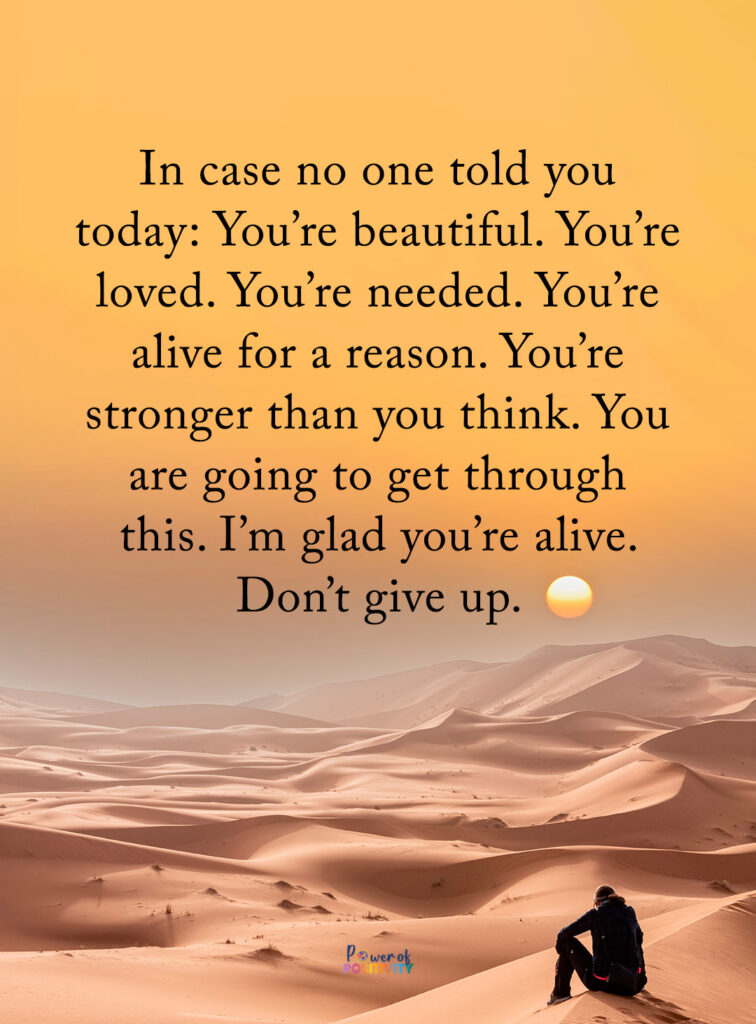
When you’re depressed, advice can feel annoying—especially when it sounds like “just think happy thoughts.” That’s not helpful. A better way to look at it is this: mood support isn’t about pretending you’re okay. It’s about taking small steps that make life feel a little lighter. And when you know the common signs of depression, it becomes easier to choose support that fits what you’re actually dealing with.
Start with gentle movement. Not a workout plan. Just something simple—stretching, walking, or moving around your home for a few minutes. Movement helps your body release tension, and it can slowly bring back energy.
Sleep support matters too. Try to keep your wake-up time steady when you can. If sleep is messy, don’t beat yourself up. Even small routines—like dimming lights at night or putting your phone away for a bit—can help.
Food is another big one. Depression can make eating feel like a chore. Aim for something easy and consistent. A basic meal is better than skipping. Even a snack can be a win.
Sunlight and fresh air can also make a difference. A few minutes outside can help your body feel more awake and grounded.
Connection helps too, but it doesn’t have to be a long talk. A short text. Sitting near family. Saying “hey” to someone you trust. Small contact still counts.
Also, break tasks into tiny steps. Instead of “clean the house,” try “clear one corner.” Instead of “fix my life,” try “drink water.”
Lastly, if alcohol or substances are making things worse, cutting back can help your mood feel more stable over time.
The goal isn’t to do everything. It’s to do one small thing, then repeat it.
Treatment Options That Help Most People Feel Better
Depression is one of the most treatable mental health conditions. That’s not just a nice quote—it’s true. And if the common signs of depression are starting to take over your days, getting support can make a real difference.
Talk therapy is a strong option for many people. It gives you a place to say the stuff you don’t normally say out loud. Therapy can help you spot patterns, handle stress better, and build tools that actually work in real life. You don’t need a “perfect reason” to go. If you’re struggling, that’s enough.
Medication can also help. Antidepressants don’t change your personality. For some people, they help lift the fog so daily life feels manageable again. It can take time to find the right fit, and that’s normal. If side effects happen or something doesn’t feel right, a provider can adjust the plan.
For more severe depression, there are other options too, like brain-based treatments used when symptoms don’t improve with standard care. You don’t have to figure this out alone—providers help guide what makes sense for your situation.
The best plan is personal. Follow-ups matter, and progress is still progress, even when it’s slow.
Outlook, Prevention, and When to Reach Out
Recovery is real, but it doesn’t always happen fast. Some people feel better in weeks. Others need more time, and that’s okay. Knowing the common signs of depression can also help you catch it earlier if symptoms start coming back.
If depression returns, it doesn’t mean you failed. It means you’re human. Reach out when symptoms start affecting your sleep, work, relationships, or safety. You deserve help before things get unbearable.
And if you ever have thoughts of self-harm, get urgent support right away. That’s not something to push through alone.
Final Thoughts on Depression and Supporting Your Mood With Compassion
Depression can make you feel like you’re stuck, but you’re not broken. The signs are real, the struggle is real, and support truly works. If any of the common signs of depression feel familiar, let that be your signal to take yourself seriously—not to judge yourself.
Start with one small step today. One message. One appointment. One meal. One short walk. One honest moment where you admit, “I need support.”
You don’t have to carry this alone, and you don’t have to wait until it gets worse. Better days can happen again, even if you can’t feel that yet.