

In a world where side hustles, passive income, and online businesses dominate social media, it is easy to feel like you are falling behind if you are not chasing the latest trend. Every week there seems to be a new promise of fast money, total freedom, and minimal effort. While some of these opportunities are legitimate, many people burn out or quit because they choose income streams that do not fit who they are, how they live, or what they actually want.
Choosing the right income stream is not about copying what worked for someone else. It is about alignment. When your income matches your skills, your energy, and your lifestyle, it becomes sustainable and even enjoyable. This article will help you make intentional choices so you build income that supports your life instead of taking it over.
Why Alignment Matters More Than Trends
Trends move fast, but your life does not. An income stream that looks exciting online may quietly demand long hours, constant availability, or skills you do not enjoy developing. When income is misaligned, motivation fades quickly. What starts as excitement turns into stress, resentment, or exhaustion.
Aligned income works with your natural strengths and limitations. It respects your schedule, your responsibilities, and your personal goals. When alignment exists, consistency becomes easier. Growth feels more natural. You stop forcing yourself to perform and start building momentum through clarity.
The goal is not to maximize income at all costs. The goal is to create income that fits into the life you want to live now and in the future.

Step One Understand Your Core Skills
Skills are the foundation of any income stream. Before looking outward, look inward. Your most valuable skills may already be in use at your job, in hobbies, or in experiences you take for granted.
Start by identifying three categories of skills.
First are professional skills. These come from your education or career. Examples include writing, teaching, design, accounting, project management, marketing, or technical expertise.
Second are practical skills. These include things you do well in everyday life, such as organizing, fixing things, cooking, budgeting, planning, or researching.
Third are soft skills. These are often overlooked but highly valuable. Communication, empathy, leadership, problem solving, coaching, and creativity all fall into this category.
Once you list your skills, ask yourself which ones you enjoy using. Skill alone is not enough. If you dislike the work, the income stream will eventually feel heavy.
Step Two Evaluate Your Time Availability
Time is often the biggest constraint people ignore. Some income streams demand upfront effort with delayed rewards. Others require daily involvement. Neither is inherently better, but one may fit your life more than the other.
Be honest about how much time you can realistically dedicate. Consider your job, family, health, and personal needs. An income idea that requires daily content creation may not suit someone with unpredictable schedules. A long term investment strategy may not fit someone who needs immediate cash flow.
Also consider your energy levels. Two hours after work does not feel the same for everyone. If you are mentally drained, creative work may feel impossible. If you are physically tired, manual tasks may not be ideal.
Choosing income that respects your energy is as important as respecting your calendar.
Step Three Define Your Lifestyle Priorities
Income is a tool, not the destination. Before choosing how to earn, clarify why you want additional income in the first place.
Some people want flexibility. Others want stability. Some want location independence. Others want predictable routines. Your priorities shape which income streams make sense.
Ask yourself a few key questions.
Do you want to work from anywhere or are you comfortable being location based
Do you want income that grows slowly and steadily or income with higher risk and higher reward
Do you want to interact with people daily or work independently
Do you want to build something long term or earn short term supplemental income
There are no right or wrong answers. There is only alignment or misalignment.
Matching Income Streams to Different Skill and Lifestyle Profiles
Once you understand your skills, time, and lifestyle, it becomes easier to narrow your options. Below are examples of how different profiles align with different income streams.
If You Have Strong Communication or Creative Skills
Writing, speaking, teaching, or content creation may suit you. Options include freelance writing, blogging, podcasting, coaching, course creation, or social media consulting.
These paths often require consistency and patience. Growth tends to be gradual, but the work can feel deeply fulfilling if you enjoy expression and connection.
If You Prefer Structure and Predictability
Service based income may be ideal. Examples include virtual assistance, bookkeeping, tutoring, editing, or managing systems for businesses.
These income streams often offer clear expectations and steady pay. They may not feel glamorous, but they provide reliability and lower emotional risk.
If You Enjoy Problem Solving and Systems
You may thrive in consulting, technical services, automation, or optimization roles. These income streams reward efficiency and expertise.
They often allow higher earning potential with fewer hours once systems are in place.
If You Want Minimal Ongoing Effort
Investment based income such as dividends, real estate, or digital products may appeal to you. These often require significant upfront effort or capital, but maintenance is lower over time.
Be cautious of anything labeled passive. Most income requires involvement at some stage.
Avoiding Common Income Stream Mistakes
Many people fail not because they lack ability, but because they chase income the wrong way.
One common mistake is copying without context. What works for someone else may rely on skills, networks, or resources you do not have.
Another mistake is stacking too many income streams too quickly. Managing multiple streams without mastery leads to scattered effort and shallow results.
A third mistake is ignoring burnout signals. If income constantly drains you, it is not sustainable, even if it pays well.
Finally, many people quit too early. Income streams often need time to compound. Quitting before momentum builds leads to a cycle of starting over.
Testing Before Committing
You do not need full certainty before starting. You do need curiosity and willingness to test.
Start small. Pilot an idea with limited time investment. Offer a service to a few clients. Publish content consistently for a set period. Track not only income, but how the work makes you feel.
Ask yourself if you could do this work for several years. If the answer is no, explore why. Sometimes adjustments are enough. Other times it is a sign to pivot.
Testing allows you to learn without overcommitting.
Building Income That Evolves With You
Your ideal income stream today may not be your ideal income stream five years from now. Life changes. Priorities shift. Skills grow.
The goal is not to lock yourself into a rigid path. It is to build income with flexibility. Skills based income often evolves naturally into scalable products, leadership roles, or investments.
By choosing aligned income early, you create options later.
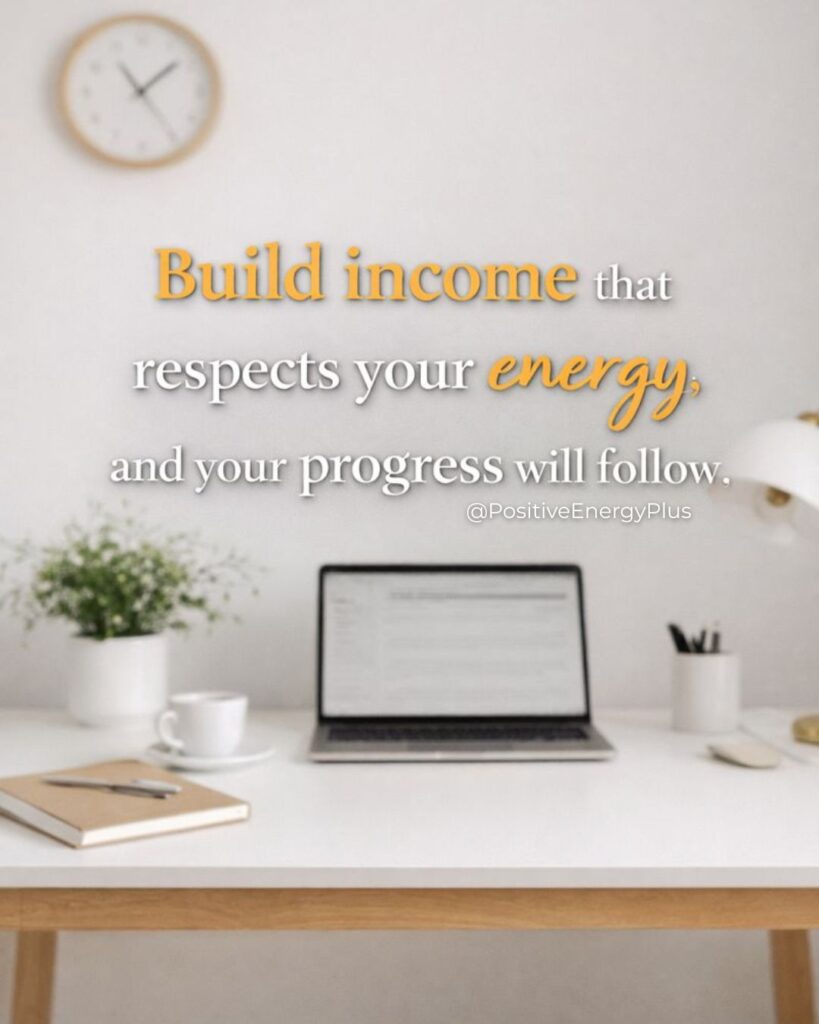
Choosing the right income stream is a deeply personal decision. It is not about chasing what is popular, loud, or fast. It is about building something that fits your strengths, respects your limits, and supports the life you want to live.
When income aligns with who you are, it stops feeling like a constant struggle. Progress becomes sustainable. Confidence grows. You move from reacting to trends to intentionally shaping your financial future.
Start where you are. Use what you know. Build what fits.
Frequently Asked Questions
An income stream is likely a good fit if it matches your existing skills, fits into your current schedule, and does not consistently drain your energy. If the work feels manageable and sustainable after an initial trial period, it is usually a sign of alignment.
The best choice usually sits in the middle. Passion without income leads to frustration, while profit without interest leads to burnout. Look for overlap where your skills, interests, and market demand meet.
For most people, focusing on one income stream at a time leads to better results. Once it becomes stable and systems are in place, adding a second stream becomes easier and less stressful.
A fair testing period is usually 60 to 90 days. This gives you enough time to learn, adjust, and see early signs of progress without committing long term too early.
Yes, and this is normal. As your responsibilities, goals, or energy levels shift, your income strategy should evolve as well. Skills are transferable, and aligned income is designed to grow with you.